Every trip I set up my gear, I feel the same pinch: I want hotel calm but I brought a trunk of mess instead. The tug between fresh air and real comfort is real for me. I started chasing tiny changes that lift the whole space without adding work.
I’ll share quick flips I actually use: a headlamp turned into a soft lantern, a tarp that defines a kitchen, and paracord that turns air into shelves. These are micro-tweaks, not a long checklist.
I’ll also note simple food and water moves, scent wins at the fire, and sleep tricks like warming socks and pre-stashing clothes. They make a big feel-fast difference.
My aim is short, curious ideas you can try tonight on your next camping trip. When dusk comes, I want you to step back and think, “Wow, this place feels good.”
Key Takeaways
- Small light and storage tweaks change the tent vibe fast.
- Define a kitchen area with a tarp for shade and flow.
- Use paracord and shoe organizers to reclaim floor space.
- Simple scent and fire moves cut bugs and add comfort.
- Pre-warming sleep items helps beat morning chill.
That “why does my campsite never feel cozy?” moment I keep having
Every trip I promise “quick and cozy,” then my tent becomes a map of scattered stuff and bad lighting. I used to blame too much gear, but the real tension was simpler: everything lived on the floor.
The tiny change was thinking up instead of down. A single run of paracord with carabiners pulled lanterns, water bottles, and small items up and out of the walkways. The space felt bigger within minutes.
The real reason my tent looks cluttered even when I pack light
I stopped rearranging piles and started assigning homes. A folded shoe organizer became a modular wall for utensils and toiletries. A door mat and a small shoe box outside the tent cut grit and mystery smells fast.
The tiny tweaks that flip a campsite from chaotic to calm
- Vertical storage: paracord + carabiners to free the floor.
- Shoe organizer as a hanging sorter for small items.
- Door mat + shoe box outside to keep dirt at bay.
- Solar stake lights to mark paths and tent edges.
“My favorite tiny tweak: keep only ‘today’ items inside and hang or box the rest—it’s breathing room, not minimalism.”
Try one vertical line or one organizer this trip and notice how the place shifts. Five minutes of setup saved me thirty of daily searching, and that felt like winning back my evenings.
The tension: I want comfort, but I’m outdoors with limited space and time
I keep my comfort bar high, yet I only have tent-sized space and a short setup window. So I focus on a few keystone choices that give me back both day and night.
One tarp or canopy turns a jumble into rooms. It creates a shaded kitchen and keeps rain off the stove. That single move changes the way I cook and hang out.
A simple two-bin system—one bin for cookware, one for pantry—speeds prep and teardown. I reach for the right things fast and pack up without guesswork.
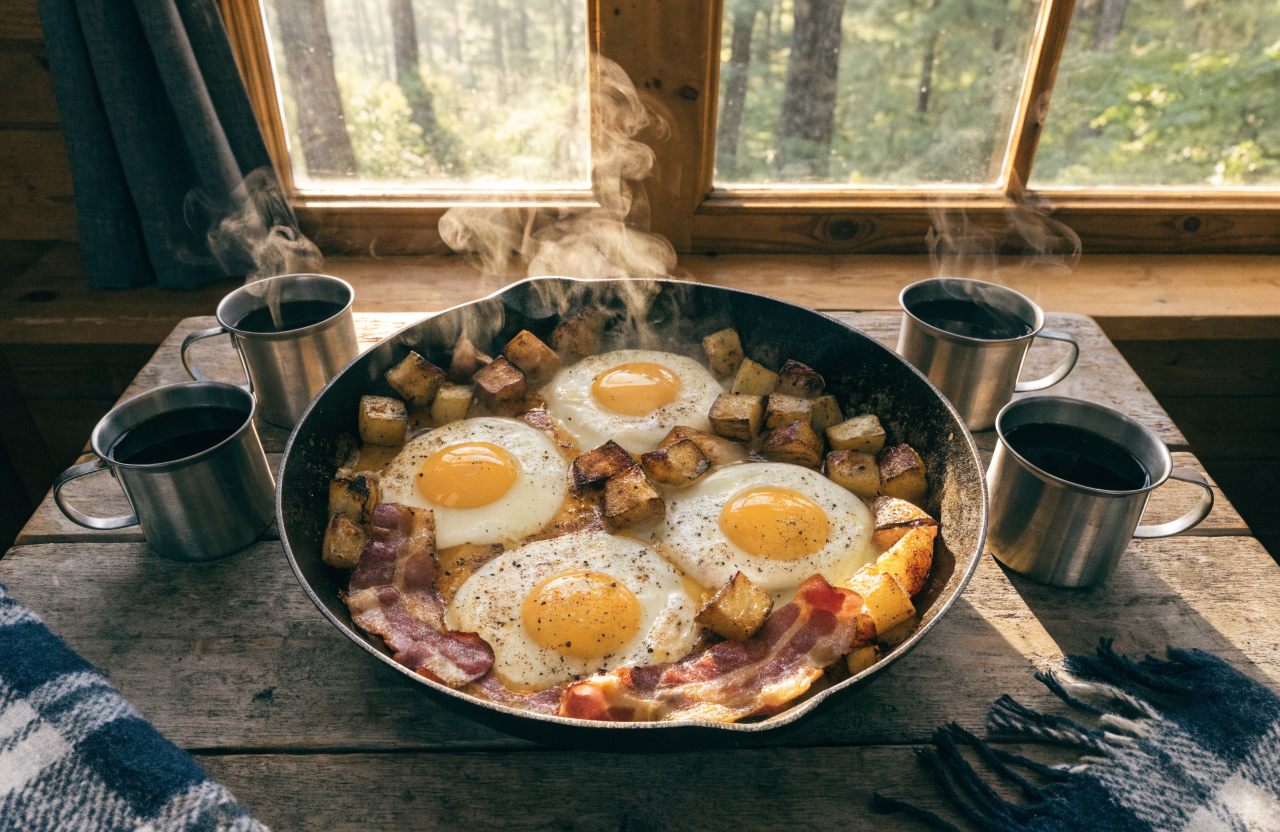
I bring one heavy-duty cast-iron skillet and a Dutch oven. With liners, cleanup is two minutes of rinsing, not a mood-killer. Fewer gadgets means fewer chores and more time by the fire.
- Keystone wins pay back across the whole day.
- Less gear, better function—my favorite trade-off.
- Pick one keystone (tarp, two-bin, or cast iron) and watch your camping experience simplify.
“I choose fewer, better things that do double duty so evenings feel effortless.”
My campsite mood board: fast decor wins using what I already packed
When I want the campsite to feel intentional, I reach for soft light and texture first. Small moves change the whole place in minutes. These are visual ideas, not long projects.
Soft light: headlamp + water jug for a giant glow
My favorite instant mood: I wrap a headlamp around a full water jug. It becomes a soft, giant lantern that lowers glare and calms the group.
Path vibes: solar stakes as no-trip markers
I line solar stake lights along the path and tent corners. They look welcoming and stop midnight toe-stubs.
Texture layers: mat, shoe box, and a patterned tablecloth
A door mat and a shoe box outside the tent cut dirt and smells fast. A patterned tablecloth turns the picnic table into a styled island.
- I mix height: jug lanterns up high, solar lights low for layered light.
- These items make family card games softer at night and keep bugs calmer.
- Curiosity cue: try the jug lantern tonight and snap a photo.
| Item | Quick Effect | Why I Bring It |
|---|---|---|
| Water jug + headlamp | Soft lantern | Easy, no extra gear |
| Solar stake lights | Path markers | Safety and vibe |
| Mat + shoe box + tablecloth | Clean, styled zone | Reduces mess, adds texture |
“Try one small change and watch how the whole site reads like a room.”
camping hacks diy I actually use when the campfire won’t cooperate
When the fire refuses to play along, I carry a handful of strange little fixes that always help.
Quick starters I trust:
- I’ve lit a stubborn fire with a Dorito triangle—the oils help it catch, and it doubles as a snack if Plan A works.
- Dryer lint stuffed into an empty toilet paper roll is feather-light and ignites fast.
- Trick birthday candles relight in wind, so I use one to babysit the flame while I stack wood.
- Hand sanitizer or petroleum-jelly cotton balls work as a damp-weather backup.
- I toss a small bundle of sage into the coals for fewer bugs and a cleaner, woodsy scent.
- Before a trip I glue a square of sandpaper to the matchbox—every strike becomes reliable.
None of these require extra gear—just odd little things you already pack.
“Test a Dorito triangle tonight and see how quickly it takes—odd, but true.”
| Item | Why I bring it | Best use |
|---|---|---|
| Doritos | Oily, combustible snack | Quick kindling when wood is damp |
| Toilet roll + lint | Lightweight tinder | Pack in toolbar or glove box |
| Trick birthday candle | Wind-resistant starter | Holds a spark while building the teepee |
| Sandpaper on matchbox | Matchbox upgrade | Sure strikes every time |
| Sage bundle | Bug deterrent + scent | Toss small amounts into coals |
One last tip: these are small, weirdly effective solutions. Try one tonight and you might save the night—and the day after.
Sleep is the real luxury: warming up my sleeping bag the smart way
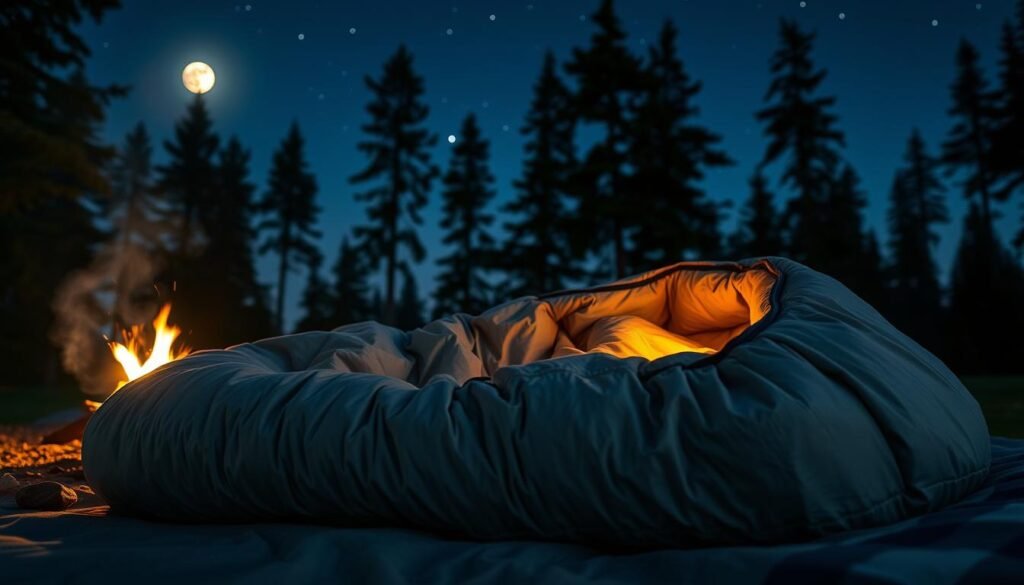
Before lights-out I run three small rituals that turn a chilly night into solid rest. These moves are fast, reliable, and make sleeping feel like an intentional part of the trip.
PJs under layers so bedtime feels instantly toasty
I put PJs on under my daytime layers at dusk. By night the bag already feels preheated and more welcoming.
Hot water bottle and one sacred pair of sleeping socks
A hot water bottle at my feet is my secret weapon; the heat lasts for hours. If I forget it, two hand warmers wrapped in a sock work well.
I keep one pair of sleeping socks that never leave the bag. They stay dry and cozy and make slipping into bed a treat.
Morning hack: stash tomorrow’s outfit in the bag
I stuff my next day’s outfit into the sleeping bag before I sleep. Pulling on warm clothes in the morning beats the chill and speeds packing.
- I shake out the bag to loft it before climbing in; more air pockets mean better heat.
- These small rituals make sleeping into real recharge, not a shiver marathon.
“Try the sleeping socks rule once—you’ll never go back.”
Tent decor that organizes me: vertical storage and clean lines
Once I added a simple run of paracord, the tent stopped feeling like a jumble and started to read as a room. That one spine gives a home to lanterns, bags, and the tiny things that always vanish.
Paracord + carabiners: a hanging system for light and gear
I run one paracord spine through the tent and tie loops so carabiners don’t slide. The loops stop the tumble and keep a lantern or bag in place.
Tip: simple overhand knots or figure-eight loops hold position and make the line modular for a family.
Shoe organizer as a modular wall for tools and small items
A shoe organizer hangs flat and swallows utensils, headlamps, and first-aid. It folds small for travel and opens into an instant wall of pockets near the door.
Pool noodle guards on guy lines to prevent trips and protect trees
I slit a bright pool noodle and snap it over a guy line. It becomes a neon guardrail that stops trips and cushions bark when I hang a hammock.
“Vertical storage feels like decor: clear lines, fewer piles, and a calmer tent.”
- I color-code carabiners so everyone finds their bag in seconds.
- The organizer by the door holds headlamps and a tiny first-aid pouch for quick grabs.
- These small, cheap moves free surprising space and make camping feel intentional.
Camp kitchen that looks styled and cooks better
I treat the cooking area like a tiny outdoor kitchen studio—style meets function. With a few choices I cook faster, keep the table tidy, and the food actually tastes better.
Two-bin system for quick prep
I split everything into cookware and pantry bins. One holds skillets, spatulas, and my single cast iron skillet. The other holds dry food, spices, and snacks.
This way I open one bin to cook and the pantry stays untouched until needed. Fewer searches mean more time around the fire and fewer cold meals.
Make a ceiling with a canopy or tarp
A canopy defines the kitchen and gives shade and a bug buffer. It feels like a ceiling and makes the space read as a real room.
Under that roof I hang a light, drape a tablecloth over the picnic table, and the area looks styled without extra camping gear.
Clean grill, smart cookware, and snack strategy
I scrub a hot grill with half an onion brushed in oil—clean and seasoned in one pass.
Cast iron earns its spot: one skillet plus a Dutch oven covers most meals. I use liners in the Dutch oven so I plate and toss the liner—no messy cleanups.
A dedicated snack box lives outside the cooler so people stop opening it and the ice lasts longer.
“Rearrange into two bins and count how many fewer times you ask, ‘Where’s the spatula?'”
Food prep that earns me back an hour of hangout time
Little pre-trip moves win me an extra hour by the fire without changing the menu. I focus on a few small tricks that cut cook and cleanup time. They keep my evenings relaxed and my group happy.
Pour-and-go breakfasts and ready-to-cook dinners
I crack eggs into a wide-mouth bottle at home so breakfast is pour-and-go—no shells and less mess. It saves time and keeps the cooking area tidy.
Foil meals: I assemble dinners, freeze them flat, and use them as ice packs on the way out. They thaw by dinner time and mean one less pot to wash.
Small containers, light plans, big returns
I stash condiment packets or decant sauces into mini silicone bottles to ditch bulky jars and plastic clutter. It’s cleaner and cuts waste.
I also keep a tiny prep box with foil, spices, tongs, and a dish towel. That one box is my staging area and it prevents frantic searches.
- I pre-cut veggies at home and toss them in zip bags with a splash of water to stay crisp.
- A short meal plan stops overpacking and lets me reuse leftovers cleverly.
- Try freezing one foil meal and notice how it changes the first 24 hours.
| Prep Item | Why I Do It | How It Saves Time |
|---|---|---|
| Eggs in a bottle | No shells, easy pour | Faster breakfast, less cleanup |
| Frozen foil meals | Double as ice packs | Dinner ready + cooler stays cold |
| Pre-cut veggies | Stay crisp with water | Quick saute or snack |
| Condiment packets / silicone bottles | Less plastic, tidy | No spills, smaller prep area |
“These small moves save me cleanup time and buy me another hour by the fire.”
Bug control without nuking the vibes
Bugs are part of the outdoors, but I refuse to let them steal our evenings. I use low-scent, low-effort moves that feel gentle and keep the group happy. These are scent-forward, quick, and family-friendly.
Tea tree tick spray for cuffs and shoes
My go-to spray: two parts water to one part tea tree oil. I mist cuffs, socks, and the outside of shoes before we walk.
Dryer sheets for gnats
I tuck a dryer sheet in the tent corner and keep one in my pocket. It seems odd, but gnats avoid the scent and I don’t smell like bug spray.
Water trays to stop ants
Small trays of water under table legs break the ant highway. It’s a simple physical barrier and uses water where it matters most.
Fake nests and scent deterrents for wasps
Crumpled brown paper bags hung high mimic rival nests and send wasps elsewhere.
Sliced cucumber, lemon juice, and crushed garlic near prep areas also nudge wasps away without overpowering food.
- I layer two or three of these tricks depending on the day.
- These things are light, portable, and don’t wreck the place.
- Curiosity: set one water tray and watch the ant traffic change by dusk.
“Gentle, layered fixes keep my camping spot livable and let the night feel like ours.”
| Problem | Quick fix | Why it works |
|---|---|---|
| Ticks | Tea tree spray (2:1) | Repels on contact, easy to apply |
| Gnats | Dryer sheet in tent/pocket | Unpleasant scent for tiny flies |
| Ants | Water trays under legs | Blocks access physically |
| Wasps | Paper bags + citrus/garlic | Mimics rivals + natural deterrent |
Water, filtered beautifully: safe sips with zero fuss
I want my sips to be simple, safe, and not another chore at camp. Clean water is the small routine I never skip. A few five-minute moves make the difference between worry and a proper drink.
Bandana over a bottle and a rolling boil
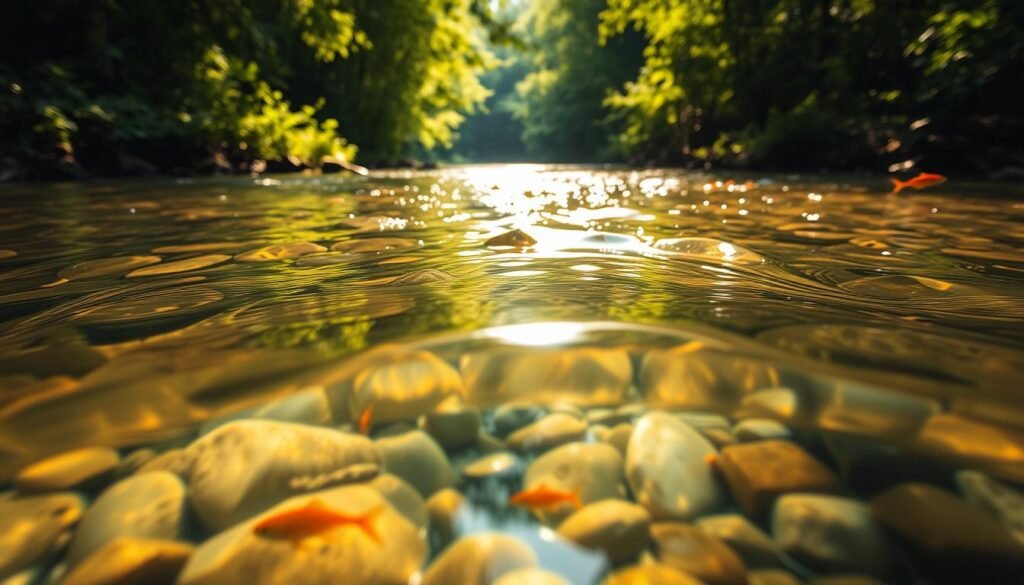
If source water looks sketchy, I stretch a clean bandana over a bottle and pour through to catch grit. It’s fast and oddly satisfying.
When I have a flame, I bring the water to a rolling boil. At higher elevation I boil longer—then let it cool before using.
Charcoal funnel when a stove isn’t an option
No stove? I make a funnel from a plastic bottle (cut the bottom, poke a hole in the cap) and pack it with crushed charcoal plus a layer of sand or grass. The funnel clears cloudiness.
- Combine both: charcoal first, then boil when you can—together they’re a solid one-two.
- I keep a spare plastic bottle labeled just for filter duty so items don’t get mixed up.
“Try bandana pre-filtering once—you’ll be shocked at what it catches.”
Fix-it flair: duct tape mods and quick repairs that look intentional
When gear frays or zippers stick, I reach for quick fixes that feel intentional, not frantic.
I keep a few small items that turn breakdowns into neat solutions. These moves are fast, low‑fuss, and make the whole setup look cared-for.
Wrap tape on a bottle so fixes are always within reach
I wrap a few feet of duct tape around my water bottle so a repair strip is literally on-hand. The roll sits snug and doubles as a label band when I write names on it.
It’s a tidy way to carry tape and it saves hunting through the bin. I’ve used this to seal a bin, patch a tarp grommet, and label guy lines.
Silky zippers with candle wax
A swipe of candle wax on tent zippers makes them glide. Rub the wax across the teeth, work the slider a few times, and snaggy pulls become smooth.
Curiosity: wax one zipper and compare it to the others—the difference is instant.
Sharpen blades with found glass and a branch strop
If my knife dulls, a flat piece of glass works as an emergency hone. Draw the blade across the edge at a shallow angle, one direction only, to roll the bevel back.
For a sharper finish, rub clean sand into a green branch and strop the blade. It’s slow but the blade regains bite without a stone.
“Small, intentional-looking fixes keep the setup tidy instead of patched and chaotic.”
| Problem | Quick fix | Why it works |
|---|---|---|
| Tear in tarp grommet | Strip from duct tape on water bottle | Instant patch, waterproof and obvious |
| Snaggy zipper | Candle wax swipe | Reduces friction; smooth pulls |
| Dull knife | Flat glass hone + sand strop | Restores edge without tools |
| Labeling lines/bins | Write on tape wrapped around bottle | Keeps items identified and tidy |
Power, cords, and weather: a tidy plan for a tidy look
When storms roll in, I treat power like a small, movable island—dry, labeled, and easy to lift. That mindset keeps the site safe and the cords out of puddles.
My favorite quick containment is a plastic bucket with a pair of cable-sized holes cut near the rim. Feed cords through, set the splice or power strip inside, and the middle stays dry even if the grass soaks up rain.
Bucket pass-through to keep electrical connections dry
I cut two neat holes and seal around each cable with a small grommet or tape. The bucket acts like a tiny shelter for the connection and keeps water away from plugs.
I also stash spare ties inside the bucket so cable management stays simple and everything is in one spot.
Portable chargers and solar lights that pull double duty
Bring chargers that also light up. They work as bedside lamps and as backup power for phones. Solar stake lights guide paths and save batteries for real use.
- If rain threatens, run cords through the bucket so the splice sits dry in the middle.
- Route cords along table legs and tuck them under the tablecloth to keep the layout clean.
- A single, labeled power hub stops cable creep across camp and helps everyone find the right plug.
“Set up the bucket once and you’ll wonder why you ever draped cords in the wet grass.”
Bath and handwashing station that feels like a tiny spa
I turned a corner of my site into a mini spa so handwashing feels worth the trip. A pared-back sink spot makes routine hygiene feel deliberate and a little lovely.
Laundry-detergent jug turned handwashing station: I rinse an empty detergent dispenser, cut a small tap hole, and mount it on a low post. I hang soap-on-a-rope or an eco bar beside it so folks can scrub without juggling bottles.
Simple station upgrades that lift the mood
- I add a small mirror and a towel hook to make the spot feel finished and useful.
- A collapsible tub under the jug catches gray water and keeps the ground tidy.
- Bright labeling helps my family and guests find the station all day.
Single-use soap shavings and sheets that never leak
I shave bars with a vegetable peeler or pack soap sheets for one-off use. These single-use soap shavings keep plastic mess out of my bins and stop drippy bottles from ruining tote interiors.
Placement tip: I park the station near the kitchen so handwashing is a short way from food prep. Kids actually wash more when it’s visible, simple, and a little fun.
“Swap a drippy bottle for soap sheets once—you’ll never mop your tote again.”
Bathroom dignity: privacy and cleanliness without the drama
I learned that a small, private toilet setup changed our group’s comfort more than an extra lantern. It’s not glamorous, but it keeps nights humane and family morale high. A tidy loo takes minutes to build and pays back hours of calm.
My go-to setup: a 5‑gallon bucket lined with a trash can liner, topped with a pool noodle seat cut to fit. The noodle makes a surprisingly cushy ring and keeps everyone from grimacing at cold plastic.
Comfort and a quick shelter
I pair the bucket with a pop-up privacy tent. It’s fast to pitch, blocks light and wind, and gives real privacy. I stake a small LED near the door so night visits aren’t a maze.
Potty kit that actually works
I keep toilet paper, wipes, hand sanitizer, and a small trowel in a lidded coffee can. The can acts like a tiny box so paper stays bone-dry and easy to carry. For leave‑no‑trace sites, WAG bags are my backup for clean disposal.
- I build the bucket toilet with a liner and noodle seat for comfort.
- The coffee‑can potty kit keeps supplies dry and ready.
- Wipes, sanitizer, and a trowel stop midnight scavenger hunts.
- Set clear rules and a designated spot to prevent awkward surprises for the family.
“Try the noodle seat once; you’ll wonder why you waited.”
One last tip: this small setup lowers stress more than almost anything else I pack. Use these simple tips and tricks to keep the night civilized and the next day easier.
Protect the memories: first aid, phones, and “just in case” gear
When I think about what to protect, it’s not gear—it’s memories, phones, and the people who share them. A tiny, tailored kit saves a day and keeps the trip feeling like a win.
I build my first aid kit to match how we camp. Instead of a bulky retail pack, I use an Altoids tin or a prescription bottle for meds so I can find what I need by headlamp.
Compact med packaging that actually works
I heat-seal small doses of ointment and pills into straw segments. They stay dry, stack flat, and a single sealed straw lasts a weekend.
Phone rescue and simple site security
If a phone takes a swim, I remove the battery (when possible) and bury it in dry rice for a couple of days. It’s not perfect, but it often pulls a soaked phone back to life.
A small game camera watches the site when we’re at the lake. It’s a cheap way to protect our stuff and to save candid photos without carrying heavy camping gear.
- I refresh the kit at home after each trip so it’s ready the next time.
- These small tricks protect people, photos, and the best things we bring back.
“Seal a single straw of ointment tonight and you’ll rethink your whole kit.”
Ready for my next camping trip: the small changes I’ll try tonight
Tonight I’m lining up a few tiny changes that should make the whole site feel softer and simpler.
I’ll set the jug lantern and a row of solar stake lights to test the after-dark vibe. I’m splitting the kitchen into two bins and slipping an onion into the grill kit for an easy scrub tomorrow.
My sleep plan is simple: sleeping socks and a hot water bottle go in the bag now so bedtime is instant comfort.
I’ll wrap duct tape on my water bottle, sandpaper the matchbox, mix a tea tree spray for tick-prone cuffs, hang a couple of paper nests, and cut a bucket pass-through for cords.
If even one of these five-minute moves sticks, my next camping trip runs smoother and I get more fire time with less fuss.
FAQ
How do I make my tent feel cozy without hauling a ton of stuff?
I focus on soft light, simple layers, and vertical storage. A headlamp over a water jug makes a warm lantern, a small rug or door mat adds texture, and a shoe organizer or paracord + carabiners keeps gear off the floor so the space feels calm and uncluttered.
What quick lighting tricks give the best mood with minimal gear?
I use a headlamp inside a translucent water bottle for a giant lantern glow, string up solar stake lights to mark paths, and carry a small rechargeable lantern. These double as task lights and mood light, saving space and battery life.
My fire won’t catch — what are reliable backup starters I can use?
I pack a few fail-safes: lint stuffed in a toilet-paper tube, a strip of Doritos or dryer lint, and trick candles or commercial fire starters. I also keep waterproof matches and a matchbox with sandpaper for a sure strike.
How do I sleep warmer without bulky gear?
I layer clothing—PJs under my base layers—use a hot water bottle at my feet, and keep a sacred pair of sleeping socks. I also stash tomorrow’s outfit in my sleeping bag so morning feels warm immediately.
What are simple ways to organize a tent using items I already pack?
I hang things from a ridgeline with paracord and carabiners, use a hanging shoe organizer as a modular wall for cooking tools and toiletries, and slip pool noodles over guy lines so they’re visible and tree-safe.
How can I keep a camp kitchen looking tidy and working efficiently?
I use a two-bin system—one for cookware, one for pantry items—set up a canopy or tarp as a defined kitchen ceiling, and keep an outside snack box so the cooler stays cold. Cast-iron liners and a cleaned grill make cleanup fast.
Any food-prep hacks that save time and keep ice from melting?
I pre-cut veggies, store eggs in a bottle, and freeze foil meals to act as ice packs. I also keep a snack box outside the cooler so I’m not opening it constantly, which preserves ice longer.
How do I control bugs without heavy sprays that ruin the vibe?
I use tea tree oil-based tick spray on cuffs and socks, tuck dryer sheets in tent pockets for gnats, set water trays under table legs to deter ants, and use citrus or garlic mixtures near seating to keep wasps away.
What are low-tech ways to filter water when boiling isn’t possible?
I use a bandana or coffee filter over a bottle as a pre-filter, then rely on a charcoal funnel filter if I can’t boil. If I can cook, a rolling boil is my go-to for safety.
Which quick repairs make my setup look intentional instead of improvised?
I wrap duct tape around a water bottle for easy access, rub candle wax on stubborn zippers, and use a found piece of glass or sand plus a green branch to sharpen blades. These fixes are practical and tidy.
How do I keep power and cords safe in wet weather?
I route cables through a bucket pass-through to keep connections dry and use portable chargers and solar lights that serve as backup. Waterproof cable organizers and zip ties help keep things neat.
What makes a simple handwashing or mini-spa station feel luxe?
I convert a laundry-detergent jug into a handwashing station with a soap-on-a-rope, and bring single-use soap shavings or soap sheets to avoid mess. A small towel and fresh water in a basin seal the experience.
How can I keep privacy and dignity with basic toilet setups?
I use a DIY bucket toilet with a pool noodle seat and a pop-up privacy tent. A potty kit in a coffee can keeps toilet paper dry, and a small odor-control pouch makes things comfortable for longer stays.
What essential items protect my gear and memories if something goes wrong?
I carry a custom first-aid kit with sealed ointments, basic meds, and a compact game camera for security. I also pack a dry bag or zip-locks for phones and a small powerbank to keep essentials charged.
Which small changes should I try tonight to make my next trip easier?
I recommend prepping a two-bin kitchen, testing your lantern and cord routing at home, freezing one or two foil meals to use as ice, and assembling a grab-and-go repair kit with duct tape, paracord, and a multi-tool.
0 Comments