I still remember the first night I learned to cook at a campsite — the sun was low and my stomach was louder than the crickets. I wanted food that warmed me, not a long cleanup or a pile of gear to wash in a cold stream.
I build my camp menu so I can save fuel, cut cleanup, and spend less time fussing and more time watching the stars. My list leans on simple recipes like skillet lemon chicken with potatoes and kale, vegan coconut chickpea curry, and a thick minestrone soup that fills the crew.
Each recipe uses minimal gear and travel-friendly ingredients. I prep what I can at home, pack smart for bear boxes, and pick single-serve garnishes that add flavor without fuss. This approach keeps my cooking footprint tiny and dinner on the table before dark.
Key Takeaways
- Camp cooking should save fuel and minimize cleanup so you enjoy the outdoors.
- Pick recipes that work in a single pot or one pan and travel well.
- Prep at home to cut camp time and map ingredients to cooler space.
- Choose flexible ingredients so substitutions are easy at trailhead markets.
- Pack travel-friendly garnishes and single-serve options for flavor without weight.
Why I Rely on One-Pot Cooking at the Campsite
When camp night falls, I choose cookware that shrinks the chore list and stretches my evening light.
Minimal gear and simple steps are what keep my tent trips calm. Using a single vessel gets a complete meal on the table fast. That saves fuel and cuts the time I spend at the stove so I can relax or read the map before dark.
I aim to protect water sources and follow Leave No Trace. Washing fewer items means less greywater and less soap. I use boiling water to sanitize, then wipe the pan clean and pack scraps for proper disposal.
Less cleanup, more hammock time
- I default to a single pan because campsite cleanup eats into my hammock time.
- Combining protein, veggies, and grains in one vessel reduces dishes and dish soap use.
- Scaling recipes up or down is easy without extra cookware to manage.
How one pan keeps fuel use low and meals fast
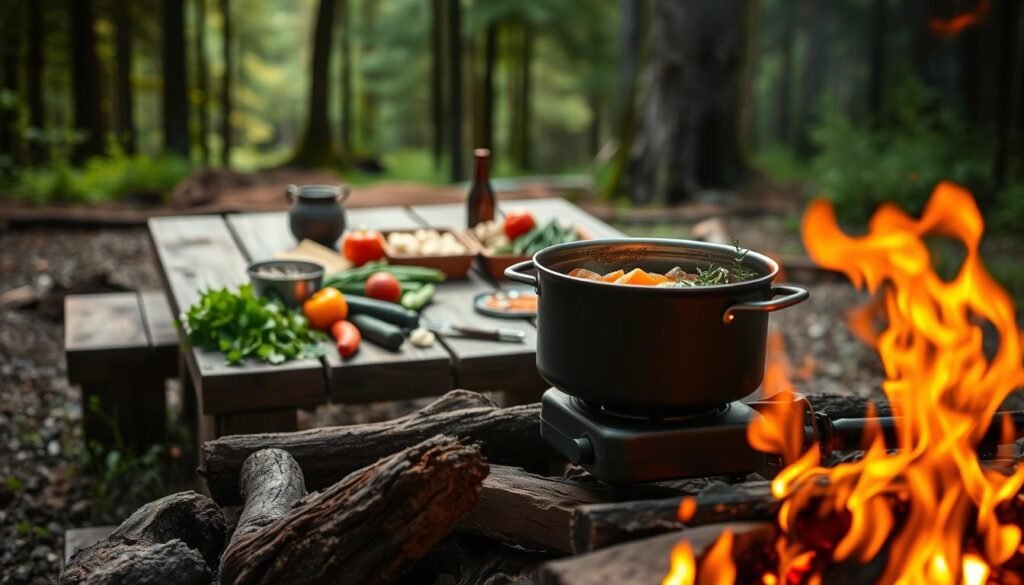
Cooking layered steps in the same pan traps heat and fond, which shortens cook time and saves canister fuel. I often brown chicken first, then add liquids and ingredients to simmer covered. That approach stretches the fuel budget and is resilient when weather shifts.
| Vessel | Fuel Use | Cleanup Impact |
|---|---|---|
| Skillet | Low — fast sear, quick simmer | Minimal — quick wipe, small scrub |
| Dutch oven | Medium — retains heat, longer cook | Moderate — heavier, but fewer items |
| Deep pot | Low–medium — good for soups | Low — one vessel for an entire meal |
Camp Gear I Use for One-Pot Wins
My kit focuses on compact, rugged cookware that stands up to wind and quick heat changes. I pick a few reliable pieces that cover searing, simmering, and sharing without extra bulk.
Skillet, Dutch oven, or pot: choosing the right vessel
I bring a 10–12-inch hard-anodized skillet for searing and sautéing and a 2–3 liter pot for soups and pasta. If I plan to cook over coals, a compact Dutch oven earns its weight.
The skillet shines for quick protein and one pan dishes, while the pot handles simmered recipe favorites like chili or minestrone.
Stove vs. fire ring: managing heat outdoors
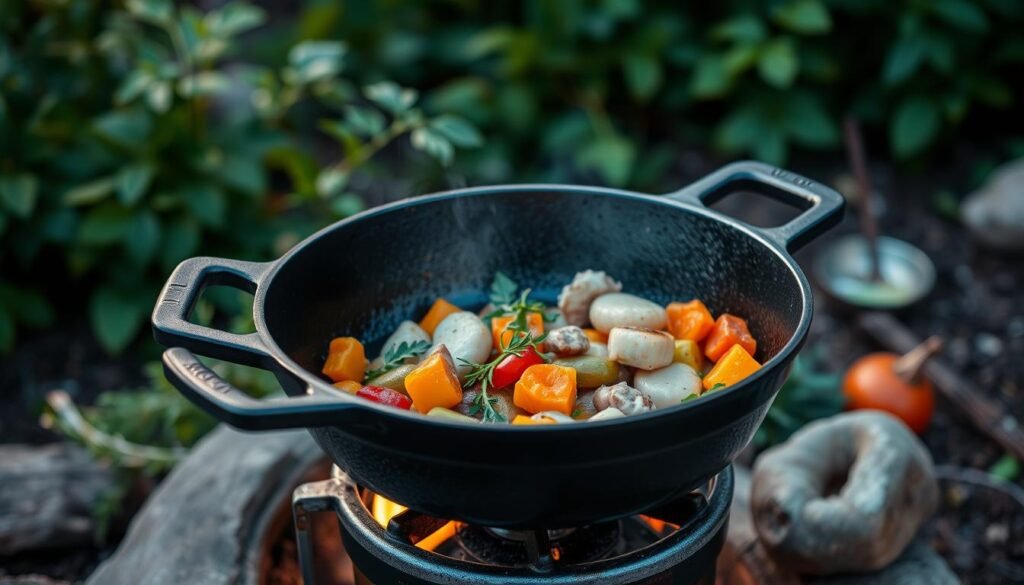
On a stove I dial flame precisely and keep boil-overs in check. Over a fire ring I use coals and rotate the pan to even out hot spots.
Aluminum foil doubles as a windscreen and a trivet to keep soot off surfaces.
Smart utensils and a tiny cleanup kit
I pack locking tongs, a folding ladle, a heatproof spatula, and a small cutting board to handle ingredients without clutter.
For prep, pre-marked silicone bags let me dump-and-cook in sequence and avoid cross-contact between raw and ready-to-eat food.
“I choose lidded cookware to trap heat and finish protein faster — it saves fuel and protects the flame from gusts.”
- Minimal cleanup kit: biodegradable soap, a scrub pad, pack towel, and collapsible basin used away from water sources.
- For chicken or other meats I carry an instant-read thermometer to cook safely without guessing.
My one pot meals healthy picks for the great outdoors
I pick dishes that require little gear yet deliver big dinner satisfaction after a long hike.
These recipes are camp-friendly: they survive a cooler ride, cook evenly on a camp stove, and bring bold flavors to the campsite.
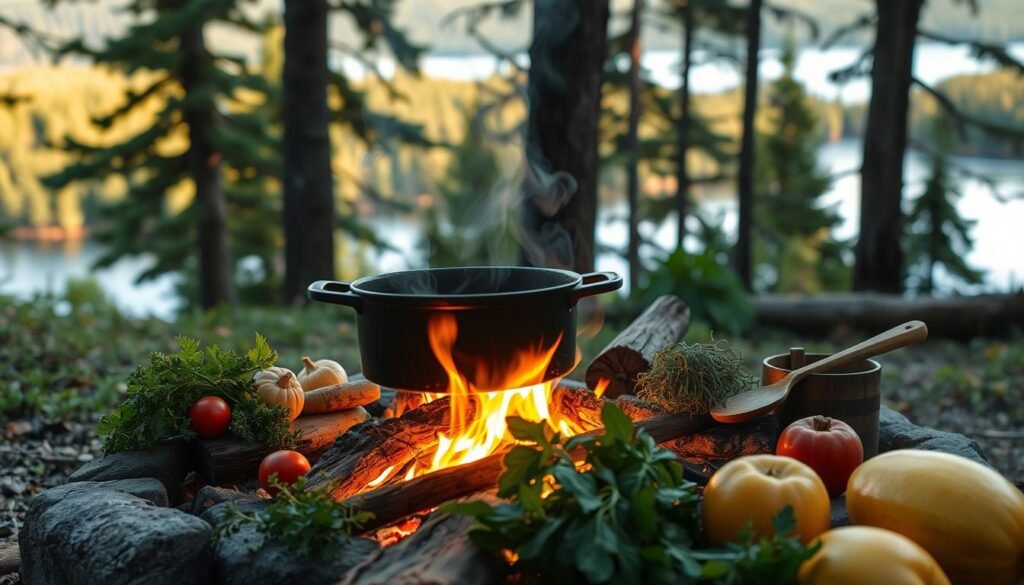
They include skillet lemon chicken with potatoes and kale, a vegan coconut chickpea curry using jarred low-sodium simmer sauce, and a hearty minestrone with leeks, beans, and orzo.
Pasta and soup dishes reheat well, so leftovers make a great trail lunch.
I also rotate quick lemon-garlic shrimp, a five-ingredient tuna pasta, lentil-vegetable soup with a Parmesan rind, and a thirty-minute vegetarian chili.
I favor flexible recipes that let me swap veggies or protein depending on what’s at the trailhead.
Toppings like toasted whole-wheat panko, goat cheese, or a squeeze of lemon add camp-worthy flair without extra weight.
| Dish | Key ingredient | Gear needed | Camp tip |
|---|---|---|---|
| Skillet Lemon Chicken & Potatoes | Chicken thighs | Skillet + lid | Brown first, then simmer with kale |
| Vegan Coconut Chickpea Curry | Jarred simmer sauce | Deep pot | Choose ≤400 mg sodium sauce for travel |
| Minestrone with Orzo | Beans & orzo | Deep pot | Add spinach at the end to wilt |
| One-pot Tuna Pasta | Canned tuna & tomato | Skillet or pot | Top with toasted panko for crunch |
- I balance protein-forward options and veggie-forward choices so every night feels different.
- Each dish limits steps and avoids fragile gear to keep cooking low-stress.
- Many of these meals stretch with bread or tortillas when appetites spike.
Skillet Lemon Chicken & Potatoes with Kale at Camp
When the stove light goes on, I want a dinner that finishes fast and leaves almost no cleanup.
This skillet lemon chicken recipe cooks juicy chicken thighs with halved baby potatoes and chopped kale in a single vessel. I brown the thighs first to build deep flavor, then add potatoes so they soak up the lemony fond.
Why thighs work best on portable stoves
Thighs hold moisture and forgive uneven heat from a camp burner. I add a squeeze of lemon and a splash of water or broth, cover the pan, and let steam finish the potatoes and meat.
I toss in the kale at the end so it wilts quickly and seasons in the pan juices without going limp. I use simple salt, pepper, and citrus so the taste feels bright and natural.
- I vacuum-seal chicken with lemon and oil for quick drop-in cooking.
- If the skillet is crowded, I rest the thighs off heat while the potatoes crisp.
- I check internal temp with a thermometer, then rest the meat to lock in juices.
- Leftovers fold into a wrap for an easy trail lunch.
| Step | Action | Camp tip |
|---|---|---|
| Brown | Sear chicken thighs for color and fond | Use medium-high heat, 3–4 min per side |
| Simmer | Add halved potatoes, lemon, splash of broth; cover | Low flame, 12–18 min until potatoes tender |
| Finish | Stir in chopped kale and rest chicken | Wilt kale 2–3 min; tent to carryover cook |
Vegan Coconut Chickpea Curry in One Pot
When daylight runs short, I choose a curry that cooks fast and tucks cleanup away. Using a jarred simmer sauce and shelf-stable coconut makes rich flavor without hauling a spice kit. I buy precut veggies at home to shave minutes from camp prep and keep the steps simple.
Quick camp strategy: tip drained canned chickpeas into the pan, pour in a low-sodium simmer sauce (≤400 mg), then add coconut from a lightweight carton. Stir gently and watch a soft simmer so fuel lasts longer.
I serve the curry over brown rice that I precooked, chilled, and reheat briefly in the same vessel after the curry rests. For stretch, a handful of spinach or frozen peas folds in easily. If people want meat, I can swap in quick-cooked chicken on mixed-diet nights and still keep cleanup minimal.
- I pack hot sauce packets and lime wedges for finishing zips.
- Shelf-stable coconut cartons cut trash and weight in my cooler.
- Heat gradually; curry rarely sticks and wipes clean fast.
| Step | Action | Camp tip |
|---|---|---|
| Prep | Precut veggies & precooked rice | Saves minutes at dusk |
| Cook | Simmer sauce, coconut, chickpeas | Low bubbles to save fuel |
| Finish | Fold spinach, reheat rice | Add hot sauce or lime |
Minestrone with Beans, Potatoes, Spinach and Orzo
A steaming bowl of minestrone feels like a campsite hug after a long day on the trail.
This soup cooks in a single pot on a camp stove and layers bright tomato notes with earthy potatoes and tender orzo. I start by sautéing leeks and zucchini, then bloom a spoon of tomato paste to deepen the flavors before adding broth.
I use small-cut potatoes so they finish at the same time as the orzo. Canned beans make this recipe fast and filling, and a handful of spinach stirred off heat keeps it bright and silky.
If I have a Parmesan rind I toss it in while simmering for extra body. For protein, I sometimes fold in shredded chicken from a previous night.
- Finish with a drizzle of olive oil and a pinch of chili flakes.
- Adjust salt at the end; boiling concentrates taste.
- Portion into mugs to hold heat and cut spills at the picnic table.
| Ingredient | Why it works | Camp tip |
|---|---|---|
| Leeks & zucchini | Quick sauté base | Use pre-sliced veg to save time |
| Potatoes & orzo | Cook together evenly | Small dice for matching cook time |
| Canned beans | Fast protein and bulk | Rinse to reduce sodium |
| Parmesan rind | Adds richness | Drop in while simmering, remove before serving |
One-Pot Tuna Pasta on the Camp Stove
When the cooler runs light, I reach for shelf-stable cans and quick-cook pasta to keep dinner simple.
Five-ingredient shortcut with noodles, tomato, and garlic
This fast recipe uses short pasta, canned tuna, garlic, tomato paste, and olive oil. I simmer the pasta in just enough water so the starch makes a quick sauce in the same pan.
I brown garlic briefly, add a spoon of tomato paste, then pour in pasta and measured water. Watch the liquid and add small splashes so the noodles cook through without burning.
Oil-packed tuna folds in at the end for richness. For crunch, I toast whole-wheat panko in the dry pan, set it aside, and sprinkle before serving.
Lemon zest or capers brighten the dish and canned chicken swaps easily if I’m out of tuna. I serve straight from the pan so the pasta stays warm in cool air.
- I simmer short pasta in minimal water—no strainer needed.
- Oil-packed tuna adds richness without butter.
- Toasted panko gives a casserole-like crunch.
| Element | What I use | Camp tip |
|---|---|---|
| Base | Short pasta (penne or shells) | Measure water to just cover pasta; stir often |
| Protein | Oil-packed tuna (or canned chicken) | Fold in off heat to keep flaky texture |
| Flavor | Garlic + tomato paste + lemon zest | Sear garlic quickly, then add paste to bloom |
Layered Enchilada Skillet with Black Beans
When dusk hits, a stacked enchilada in a skillet gives me a warm, shareable dinner fast.
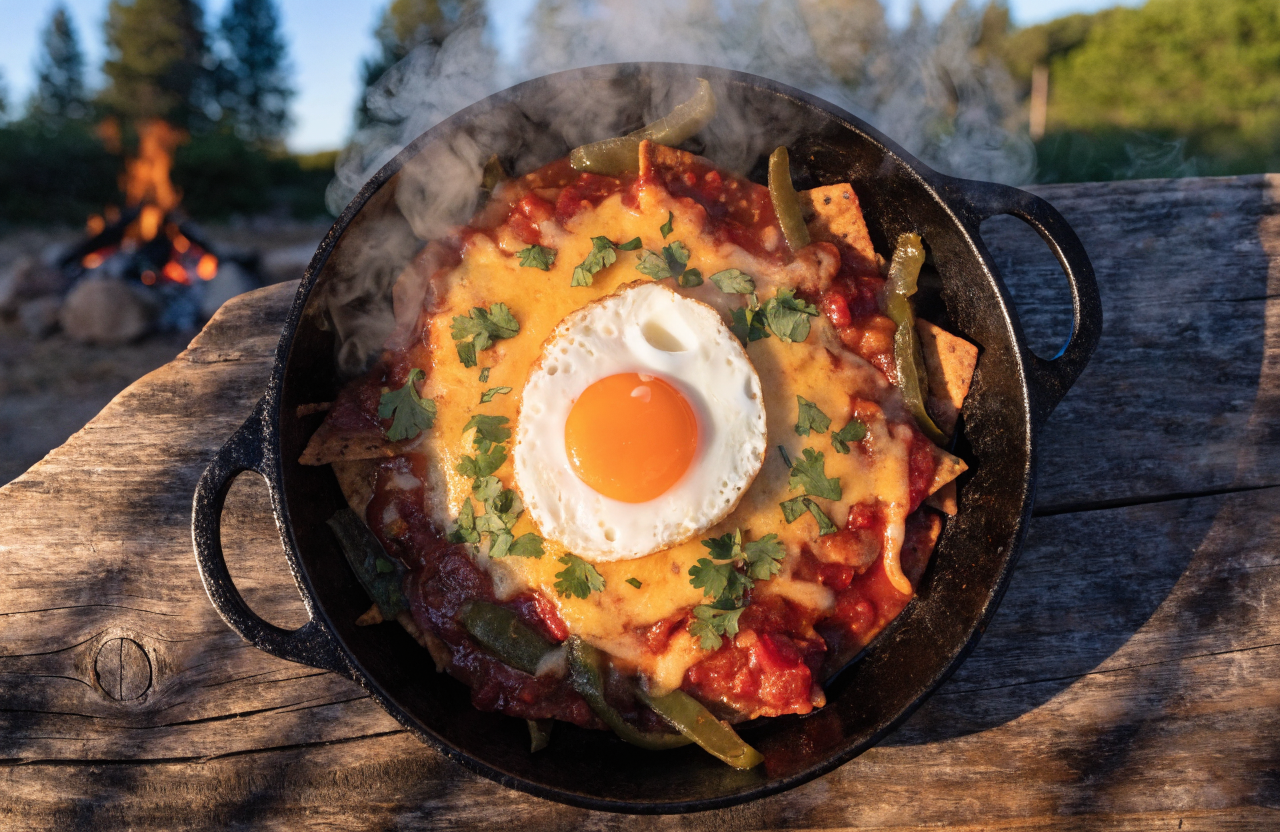
I build tortillas, beans, and sauce in layers right in the pan, then let everything bubble into a cheesy stack. Presliced fajita vegetables speed the sauté step and keep my cutting board tidy.
I keep toppings simple and packable: salsa in a squeeze bottle, pickled jalapeños in a small jar, and lime wedges. For extra heft I tuck a layer of corn and a handful of shredded cheese toward the end so it melts without burning.
If someone wants more protein, shredded chicken folds into a layer without changing the method. I season in stages so the flavors stay bright instead of dull and salty.
“A lid helps the stack set so I can slice neat wedges right out of the skillet.”
I let the pan rest a couple minutes before serving and offer chips for scooping any saucy bits. Cleanup stays quick since everything bakes into a single cohesive layer.
| Step | What I do | Camp tip |
|---|---|---|
| Layer | Tortilla → beans → sauce → veggies → cheese | Use pre-warmed tortillas to prevent cracking |
| Sear | Sauté fajita veggies with Southwest seasoning | Cook veggies quickly on medium-high to keep texture |
| Set | Cover and let cheese bind the stack | Rest 3–4 minutes before slicing into wedges |
Frittata in the Pan: Zucchini, Herbs, and Goat Cheese
A quick frittata lets me use leftover vegetables and still serve a protein-rich plate without extra gear.
Breakfast-for-dinner protein boost without extra dishes
This simple recipe starts by sautéing zucchini until just tender, then I pour in beaten eggs mixed with chopped herbs. I crumble goat cheese on top so little pockets of tang melt as the eggs set.
I grease my skillet lightly so the edges release and cleanup stays fast. I cook low and slow with a lid to set the top instead of flipping, which can be tricky over a camp flame.
If I have diced chicken or roasted veggies, I fold them in for a heartier version. Fresh herbs brighten the flavor; dried Italian seasoning works when packing light.
“I cut the frittata into wedges in the pan and serve immediately so the inside stays custardy.”
- I sauté zucchini and other veggies until they give, then add eggs and herbs.
- Goat cheese (or feta/ricotta salata) melts into tangy pockets with no fuss.
- This dish doubles as breakfast-for-dinner and packs well for a cold slice at sunrise.
Quick Lemon-Garlic Shrimp with Greens
When I roll into camp late, I want a dinner that finishes faster than I can pitch my tent.
Shrimp, spinach, and a hot skillet make that possible. I pat the shrimp dry, sear them fast, and pull them out so the pan can become a zesty sauce station.
I add chopped garlic, a pinch of red pepper flakes, and a splash of lemon juice to deglaze the fond. That quick pan sauce brings bright flavor and saves me from scrubbing stuck bits later.
A handful of greens wilts in about a minute and turns the dish into a full plate. The whole cook takes just a few minutes, which is perfect for dusk arrivals.
If someone avoids shellfish, I swap in sliced chicken and par-cook it briefly before following the same steps. I finish with chopped parsley and a squeeze of extra citrus.
- I keep portions tight so nothing overcooks while I plate.
- I serve with a whole-wheat baguette to sop the sauce or spoon it over leftover grains for extra heft.
Hearty Lentil-Vegetable Soup with Kale and Tomato
A good camp soup warms hands and morale after a long day on the trail.
This recipe starts by sautéing onions, carrot, and celery until soft. I add rinsed lentils and canned tomato for a sturdy base that stands up to a steady simmer in a single pot.
I tuck a Parmesan rind into the simmer to lend nutty body to the broth. Kale goes in midway so the leaves soften but keep texture.
I keep the flame low and the lid on to save fuel while the lentils turn tender. I season in layers and finish with a splash of vinegar to brighten the broth.
- Sauté aromatics, add lentils and tomatoes, then simmer covered.
- Add kale halfway through so it stays vibrant.
- Stir in shredded chicken at the end for extra protein if needed.
Practical tips: portion straight from the pot into mugs for easy handling. The soup thickens as it cools; thin with a little water when reheating. This warming meal also fills a thermos for the next day.
Thirty-Minute Vegetarian Chili with Canned Beans
Thirty minutes and a handful of cans deliver a bowl that tastes like it simmered all afternoon. This quick recipe uses canned beans and tomatoes to build deep, layered flavors without a long simmer.
I toast chili spices briefly, stir in a small dollop of tomato paste, then add drained beans and chopped tomatoes to the same pot. A low simmer for about thirty minutes lets the ingredients marry and keeps fuel use light.
I serve the chili over rice or couscous, or spoon it onto toasted bread or pasta for a heartier feel. Toppings like scallions, cilantro, avocado, and sliced jalapeños add fresh lift without extra cooking.
- Adjust texture with a splash of water so the chili stays spoonable, not stodgy.
- Add corn or diced peppers if they’re in the cooler; the recipe is forgiving.
- If people want meat, I offer shredded chicken on the side so the core stays vegetarian and easy to share.
- Leftovers pack into a jar for a quick lunch or double as a loaded baked potato topper.
This dinner is a morale booster on windy nights — warm, filling, and ready fast. It feels like a soup-stew hybrid and proves that pantry cans can make camp cooking taste intentional, not rushed.
Ground Mongolian Beef Ramen Noodles, Camp Version
Camp cooking is at its best when hearty beef, aromatics, and fast-cooking noodles finish in minutes.
This version adapts a savory Mongolian-style bowl for the stove at a site. I brown ground beef with minced garlic and grated ginger, then add a quick sauce and bone broth to build rich savory flavor.
Aromatics, rich broth, and noodles in a single skillet
The recipe keeps steps minimal. After browning the meat I pour in a measured splash of soy, a touch of brown sugar, and bone broth. Short ramen noodles go straight into the pan and soak up the liquid as they cook.
I finish with chopped scallions, sesame seeds, and chili crisp packets. If I run out of beef, ground chicken swaps in with the same method. The whole dinner cooks in a one skillet approach so cleanup stays tiny.
| Step | What I do | Camp tip |
|---|---|---|
| Brown | Ground beef, garlic, ginger | High heat, break meat thin for even browning |
| Sauce | Soy + brown sugar + bone broth | Measure broth to just cover noodles |
| Noodles | Add ramen, simmer until tender | Watch time closely to avoid mush |
| Finish | Scallions, sesame, chili crisp | Serve from skillet; leftovers reheat fast |
“A fast, protein-forward bowl that tastes like it took longer than it did.”
Prep, Pack, and Fuel: How I Get Dinner Ready in Minutes Outdoors
When dinner time hits at camp, I rely on a short checklist so cooking stays quick and safe.
Pre-chopping and portioning at home
I do most prep before I pack. I dice onions, portion spices, and label bags so I can pour-and-cook at dusk without hunting for items. Proteins go into leakproof bags and sit at the bottom of the cooler with ice on top to hold cold all day.
Safe handling and cold-hold tips at the campsite
I carry a tiny thermometer to check temps when the ambient heat changes. I keep raw and ready-to-eat items separate and use one knife just for proteins. For grains I parboil at home and reheat, or I serve rice that’s already cooked so the final cooking step is short.
“Writing step-by-step notes on bag labels saves me from scrolling phones in the dark.”
- Match fuel to the menu so wind or elevation doesn’t stretch time.
- Stage a handwashing spot with biodegradable soap, then use a single basin for a fast cleanup.
- I plan like a weeknight at home so every camp meal feels calm and on schedule.
| Task | What I pack | Camp tip |
|---|---|---|
| Cold-hold | Leakproof bags, ice on top | Place proteins low; check with thermometer |
| Starch | Parboiled grains or cooked rice | Reheat in main pan to serve rice hot |
| Sanitation | Biodegradable soap + basin | Wash away from water sources; quick wipe-dry |
Ready to Stir the Pot? My Final Word Before You Hit the Trail
Before you zip your cooler, give your camp menu a quick scan so every plate cooks fast and cleans up faster. I built this plan so your one pan rhythm at camp feels like a weeknight dinner routine, only with better views and fewer dishes.
If you want faster starts, pick a healthy one selection, pre-portion spice blends, and have prechopped veg so recipes are ready minutes after the stove lights. I rotate carbs—rice, pasta, orzo, and noodles—so dinners stay varied across a multi-day trip.
Add sausage crumbles for extra protein or fold beans into soups. A squeeze of lemon, a splash of coconut or a quick sauce brightens any dish. Most versions serve rice on the side or underneath for heartier plates.
Final tip: match each recipe to your pot and pan so timing stays tight. Pack light, cook smart, and enjoy flavors that land like a relaxed weeknight dinner at camp.
FAQ
How do I keep cleanup minimal when cooking at camp?
I pack a single durable skillet or Dutch oven, use foil for roasting when helpful, and wipe excess food with a biodegradable wipe before washing. A tiny dish soap bottle and a collapsible basin handle most jobs without adding weight.
What vessel works best on a camp stove or fire ring?
I prefer a lightweight cast-iron skillet for searing and even heat, and a compact stainless steel pot for soups, rice, or stews. Both handle direct flame well and cut down on the number of items I bring.
How can I speed up dinner prep on a weeknight or at camp?
I pre-chop vegetables and portion spices at home, bring jarred simmer sauce or canned beans, and use quick-cooking carbs like orzo, noodles, or rice to get dinner on the table in 20–30 minutes.
Are chicken thighs or breasts better for outdoor cooking?
I choose thighs because they stay juicy over variable heat and tolerate longer simmering without drying out, making them ideal for skillet or Dutch oven recipes like lemon chicken with potatoes and kale.
Can I make vegetarian or vegan meals easily while camping?
Absolutely. I rely on canned chickpeas, lentils, beans, and coconut milk for creamy curries and stews. Precut veggies and jarred sauces cut prep time and keep flavors bold.
How do I keep perishable ingredients cold and safe?
I use a high-quality cooler with ice packs, separate raw proteins in sealed bags, and keep the cooler shaded. I follow the two-hour rule for unrefrigerated food and use a thermometer to check temps when needed.
What one-skillet dinners do you recommend for busy nights?
I reach for skillet lemon-garlic shrimp with greens for speed, a layered enchilada skillet with black beans for comfort, or tuna pasta with tomato and garlic when pantry staples need using.
How do I manage fuel when cooking multiple recipes outdoors?
I plan recipes with similar heat needs back-to-back, use low steady flame for simmering, and lean on Dutch oven baking or foil packets to finish dishes with residual heat to conserve fuel.
What are safe ways to reheat leftovers at camp?
I reheat over medium-low flame in a covered skillet or pot, stirring occasionally to avoid hot spots. For stews or soups, I bring them to a gentle simmer for a few minutes to kill surface bacteria.
Which ingredients add fast, reliable protein to simple dishes?
I pack canned tuna, pre-cooked chicken, sausage or cured meats, eggs for frittatas, and legumes like lentils or beans. They store well and speed up meal assembly.
How do I add bright flavor without extra dishes?
I squeeze fresh lemon or add chopped herbs directly to the skillet at the end, grate garlic into sauces, and finish with a drizzle of olive oil. These small steps lift flavor with no extra tools.
Any tips for making soups and stews more filling on the trail?
I add diced potatoes, orzo, or whole-grain noodles for body, and toss in leafy greens like kale near the end for nutrition. Canned beans or lentils boost protein and keep everyone satisfied.
0 Comments