I remember my first night under a tarp, the stove hissing while wind tried to steal our dinner. I built my campsite menu around a single cooking pan and a few clever staples. That choice saved fuel and cut cleanup time when we were miles from water and light.
My approach favors simple categories that travel well: pasta, soups, stews, curries, grains-and-beans, and noodle bowls. I pull ideas from trusted lists like pasta e ceci, Mexican quinoa, and coconut chickpea curry and adapt them for a backpacking stove or campfire grate.
I pack shelf-stable ingredients and pre-mixed spice jars so I can bloom flavors fast. I plan water and fuel carefully, salt in layers, and finish with a bit of fat for richness. Everything here is tuned to tent camping realities—wind, dust, limited light, and a quick pack-up—so you get big flavor with minimal gear.
Key Takeaways
- One-pot cooking cuts fuel use and cleanup at a campsite.
- Focus on hardy ingredients that travel well and hold in a cooler.
- Pack spice blends and simple aromatics to boost flavor fast.
- Plan water and fuel for dry camps or fire limits.
- Categories to rely on: pasta, soups, stews, curries, grains-and-beans, noodle bowls.
Why I swear by one pot dinners when I’m tent camping
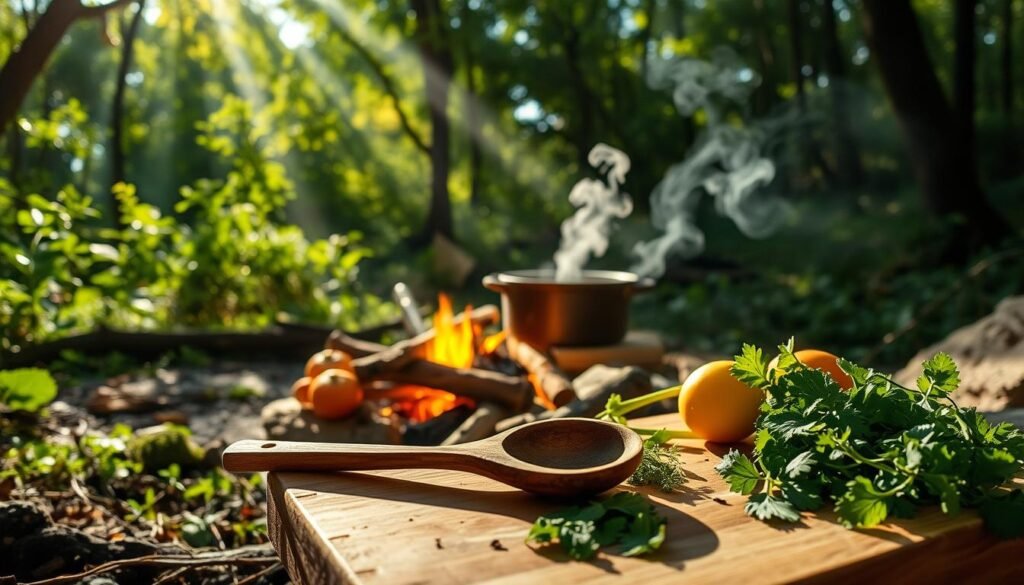
After a long day on trail, I want a quick hot dinner that leaves little to clean.
Cleanup matters at camp: water is scarce and light fades fast. Washing a single pan is realistic after miles and a cold evening.
I save fuel by boiling, simmering, then covering to finish off-heat. That stretch-and-rest trick cuts gas use and keeps timing simple when wind picks up.
Using one vessel reduces gear mishaps in the dark. I worry less about dropped lids or stray utensils and focus on safe, warm food and packing scents away from critters.
- Flavors concentrate when starches, beans, and aromatics simmer together — comforting after activity.
- These dinners scale easily: cook for two, save lunch, or share at camp.
- I measure water precisely to save supply and build a silky, saucy finish with minimal waste.
| Benefit | Why it matters at camp | Quick tip |
|---|---|---|
| Less washing | Saves water and time after a long day | Soak right away to loosen bits |
| Fuel efficiency | Simmer, cover, then rest off-heat | Use a tight lid and windscreen |
| Gear safety | Fewer pieces to lose in dark | Keep pot in a designated pack spot |
| Flavor depth | Ingredients meld into rich sauce | Layer salt and finish with oil |
Camp kitchen setup: the pot, pan, and stove I actually pack
My campsite gear list focuses on a few versatile pieces that cover most cooking needs. I pick items that are lightweight, tough, and multiuse so I carry less and cook more.
Core cookware: I bring a 2–3 quart hard-anodized pot with a locking lid. It heats evenly and fits pastas, stews, and curries for two to four campers. I also pack a deep-sided 10–12 inch pan with a lid that doubles as an oven and sauté surface.
Heat and control: My stove is a stable wide-base canister model with a windscreen. It cradles heavier pots, keeps a rolling boil steady, and saves fuel when wind picks up.
- Long-handled spoon, silicone spatula, mini grater, folding knife, lighter + matches.
- Steel grate and pot lifter for open flames; I still favor the stove for simmer control.
- Heat-resistant gloves, trivet, collapsible measuring cup, marked squeeze bottle, microfiber towel, scraper, and a lidded heatproof bowl that nests inside my pot.
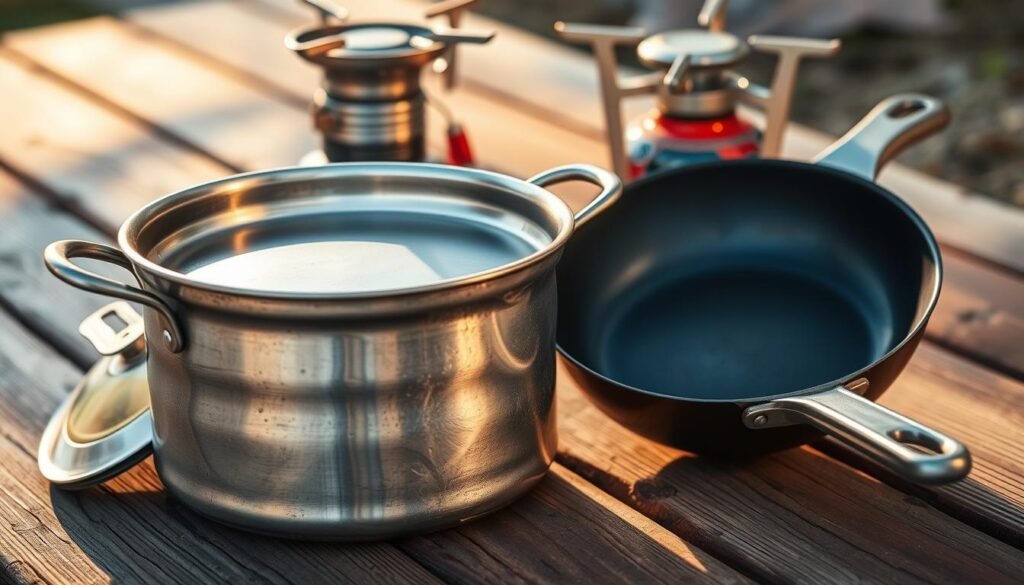
Result: With this compact kit I can handle nearly all the recipes in this guide without extra clutter.
My go-to pantry for quick easy vegetarian one pot meals outdoors
For camp cooking I rely on a tight pantry of travel-proof staples that pull together fast.
Compact staples I always pack
Dry goods first: I portion rice, orzo, and pasta into labeled zip bags with water ratios so I can follow a simple recipe without guesswork.
- Shelf-stable tomato sauce or crushed tomatoes in tetra packs; small tubes of tomato paste for depth.
- Pouches of chickpeas and black beans plus red split lentils that cook fast.
- Mini cans or powder coconut milk for creamy curries and soups.
Flavor boosters that travel well
I keep a tiny spice kit with curry powder, chipotle flakes, smoked paprika, cumin, oregano, and wide-flake salt.
- Garlic, shallot, and a knob of ginger wrapped in a breathable bag.
- Nut-butter packets for quick noodles or a creamy peanut tomato soup.
- Olive oil, vinegar, honey, hardy greens, and a lemon for brightness.
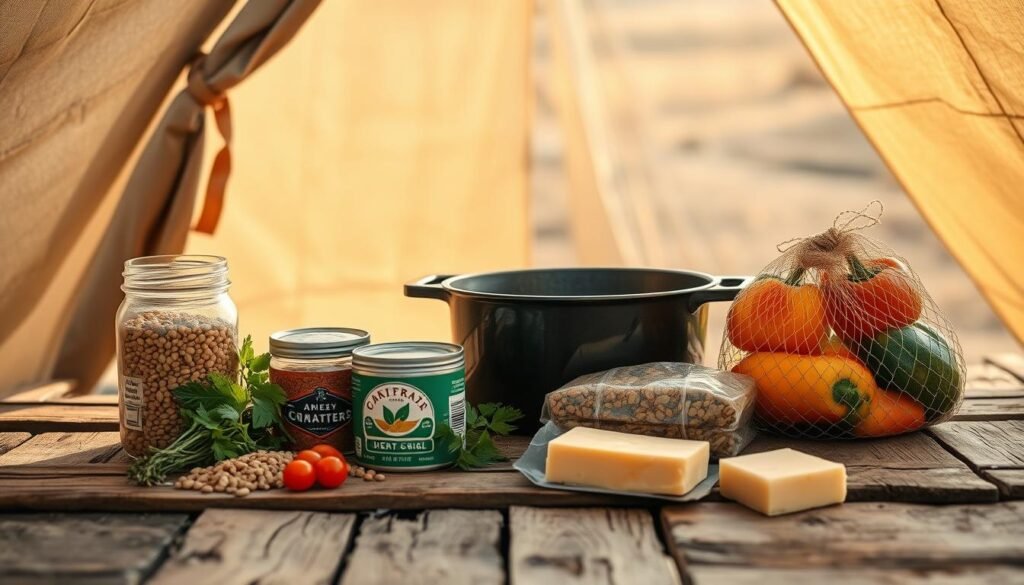
Result: With this compact kit I can riff on dozens of one pot ideas like coconut chickpea curry, pasta e ceci, or Mexican quinoa without heavy coolers.
Fuel-smart cooking tips to cut time and cleanup at the campsite
When I cook at camp I aim to cut fuel use and fuss without drying out flavor. Short, planned steps save both canister minutes and rinse water. I treat every simmer like a resource to stretch.
Simple habits that save big:
- I pre-measure dried goods and spices so I’m not hovering over a flame figuring ratios. That trims total time and gets me to a steady simmer fast.
- I use just enough water so starches absorb it all. No draining, no extra dish to wash.
- When wind picks up I use a windscreen and angle the pot so the lid acts as a baffle. Heat stays where it should.
- I stagger add-ins: firm veggies early, beans and pre-cooked grain late, so everything finishes together.
- For pasta and orzo I simmer covered, then turn off the stove and rest 3–5 minutes; trapped heat finishes the job.
- I bloom spices in a splash of oil at the start to deepen flavor quickly for any recipe.
“Small, repeatable steps make camp cooking faster and calmer.”
I wipe the pot while warm with a spatula and a splash of hot water. That quick trick slashes cleanup so I can relax after the meal.
One-pot pasta dinners I cook on a camp stove
At camp I choose short pasta shapes that cook fast and bind into sauce so cleanup is minimal.
Everything below cooks fully on a single pan over a camp stove—no oven steps. I use measured liquid so starch thickens the sauce and I never need a colander.
Tomato basil pasta with chickpeas and greens
I add crushed tomato, a splash of water, garlic, basil, and salt, then drop in short pasta and chickpeas.
Near the end I fold in hardy greens so they wilt bright and keep texture. Finish with a drizzle of oil.
Pasta e ceci with rosemary and garlic
I bloom rosemary and garlic in oil, add small pasta and chickpeas, then simmer in seasoned liquid.
Resting the pan off-heat gives a silky body—this is one of my favorite camp recipes for deep flavor.
Greek-inspired pasta with olives, feta, and lemon
Simmer pasta with olives, oregano, and lemon zest. Crumble cheese at the end and stir in a little oil.
The tang of lemon and salty cheese makes a bright, simple dinner that needs just a single pan.
Creamy garlic noodles with sun-dried tomato sauce
I use sun-dried tomatoes and garlic, then loosen with coconut milk or reserved starchy water for gloss.
This method creates a creamy finish without heavy dairy—easy to tweak to taste.
Butternut squash camp pasta (silky sauce, no heavy cream)
Soft squash cubes mash into the cooking liquid to form a velvety “cream.” Keep salt low while boiling and adjust at the end.
If the simmer runs dry I add hot water in small splashes so pasta stays saucy and never mushy.
“Short shapes like ditalini or small shells cook evenly and make pot recipes simple at camp.”
Soups and stews that warm up a cool night in one pot
When night cools the campsite, I reach for a steaming pot of soup that needs little tending.
My method is simple: sauté aromatics, add grains or pasta early so they release starch and thicken the liquid, then simmer low and cover. This saves fuel and keeps the food hot in a bowl while we talk by the fire.
Wild rice mushroom soup with greens
A steady simmer gives wild rice time to plump and mushrooms to deepen flavor. I stir in greens near the end and, if I want creaminess without dairy, add a splash of coconut milk.
Mexican bean soup with chipotle and oregano
I build a smoky base with chipotle and oregano, add drained beans and tomatoes, then simmer until thick. It’s a filling dish that pairs well with crusty bread for dunking.
Minestrone-style vegetable soup with orzo
Orzo acts like a tiny pasta that rounds out the broth. I use hardy vegetables and let the pot rest off-heat so the pasta finishes without overcooking.
Peanut tomato soup with a squeeze of lime
Peanut butter, canned tomatoes, and a little heat make a quick, creamy soup. I pop in lime at the end and finish with oil so the flavors brighten in the serving bowl.
- I keep soups thicker at camp so they hold heat longer.
- To save fuel: bring to a boil, reduce to low, cover, and let the pot do the work.
- Taste last and add salt, acid, and a drizzle of oil to make each recipe sing on a windy night.
“Thicker soups mean more time to linger and less reheating at the tent.”
Vegetarian curries that taste big with minimal ingredients
I start curries by toasting spices in oil so a short list of ingredients sings together fast. At camp I favor compact spice jars and shelf-stable liquids like tetra coconut milk and canned chickpeas.
Coconut chickpea curry with spinach
Ready in 25–35 minutes: bloom curry powder in oil, add garlic, canned chickpeas, and coconut milk. Stir in spinach at the end and finish with lemon for brightness.
Red lentil dal with cauliflower
Red lentils cook fast. Add cauliflower florets and simmer 20–30 minutes until tender. I keep salt low and brighten with vinegar.
Aubergine coconut curry with garam masala
Aubergine softens in a covered pot. Coconut milk plus a pinch of garam masala makes a lush, simple dish without extra gear.
Sweet potato lentil curry, simmered low and slow
Sweet potato and lentils make a filling, fiber-rich meal that stays warm while we sit by the fire. These pot recipes pair well with instant rice or warmed flatbread.
“Packed spice jars mean I can riff anywhere without fragile herbs.”
Rice, grains, and beans: hearty one pot meals for long days
After a long hike I favor grains and beans that handle rough packing and short cook times.
Dry goods travel well: I rely on quinoa and rice blends that cook evenly at a simmer and soak up spices and aromatics in the pot. That makes dishes forgiving when wind forces a lower flame or when I’m cooking at elevation.
One pot Mexican quinoa with black beans and corn
This recipe needs quick-cooking quinoa, canned black beans, corn, cumin, chili powder, and lime. I measure liquid tight so the grain absorbs flavors and no draining is required.
Vegetarian jambalaya-style rice with peppers
Peppers, smoked paprika, and tomato build the base. I keep the lid on and watch simmer strength closely to avoid scorching while the rice swells.
Mediterranean couscous bowl with yogurt drizzle
Couscous cooks fast—perfect for short evenings. I add chopped herbs, olives, and a yogurt drizzle or dairy-free swirl for creaminess. A small wedge of hard cheese travels well and finishes the bowl with a savory bite.
Italian orzo with white beans and herbs
Orzo thickens the cooking liquid into a sauce-like finish. White beans add protein and texture; fold in sturdy greens at the end for color and nutrition.
- I monitor simmer strength outdoors and keep the lid on to retain moisture and prevent scorching.
- These dishes are forgiving with substitutions—swap beans, switch herbs, or add a splash less liquid for a stew-like texture.
- With everything cooked in one vessel, these recipes fill big appetites after long days on trail.
“Tight liquids, steady heat, and simple swaps let me serve big, hearty bowls without extra gear.”
Faster than takeout: noodle bowls from one pan
When I roll into camp late, I want a hot bowl on the table in under half an hour. These noodle bowls are built for speed. They need minimal chopping, quick-cooking pasta or rice sticks, and simple pantry sauces.
My approach: pick thin noodles that soften fast, pre-bag sauce components, and steam veggies on top of simmering noodles so nothing needs a second vessel.
Peanut butter noodles with crunchy veggies
I whisk peanut butter with hot water, soy, lime, and chili until glossy. Toss in noodles, then fold in sliced bell pepper and shredded cabbage steamed under the lid.
Finish with toasted peanuts and a squeeze of lime. It’s a quick easy recipe that coats noodles right in the pot and cleans up fast.
Pad Thai–inspired camp noodles, simplified
My camp pad Thai uses tamarind or lime, soy, a touch of sweetener, and chili. I cook noodles in the same liquid, add scallions and peanuts, and toss with tongs.
If the sauce tightens, a splash of hot water loosens it back to glossy. I serve straight from the pan to save dishes and time.
- I choose rice sticks or thin wheat noodles to cut fuel use.
- Steam quick veggies on top to avoid extra gear.
- Pre-bag sauce mixes to shave minutes in low light.
“These bowls hit the table fast when I want a hot dinner with almost no cleanup.”
Dump-and-simmer comfort: chilis and sturdy stews
On chilly evenings I favor thick, simmered stews that keep heat well and taste better the next day.
These are dump-and-simmer recipes built for a single pan and low attention. They hold heat in the bowl, reheat without falling apart, and handle a rough campsite stove or fire grate. I keep liquids modest so the mix becomes hearty and stays warm longer.
Sweet potato chili with smoky spices
I start by blooming chili powder, cumin, and smoked paprika in oil to wake the spices. Then I add cubed sweet potato, tomatoes, and stock and simmer until the cubes begin to break down.
Tip: Sweet potato thickens naturally; add chipotle to deepen heat and a splash of lime before serving.
Chili sin carne with mixed beans
This is a true dump-and-simmer classic: mixed beans, canned tomatoes, spices, and time under a lid do the work. I keep liquid tight so the dish becomes a thick, warming stew that reheats beautifully the next day.
- I bloom spices first for layered flavor.
- Corn, bulgur, or quinoa stretch the pot for extra campers.
- I serve straight from the pan with scallions, crushed chips, or yogurt and finish with a splash of vinegar or lime.
“This is comfort dinner camping-style: dependable, filling, and low effort.”
Vegetarian one pot meals
At camp I lean on a tight roster of recipes that cover every weather and appetite. I group my go-to options into five clear buckets so dinner is fast and tidy.
Pasta, soup, curry, grains-and-beans, and chili/stews are each built to cook fully in a single vessel. Think pasta e ceci for a saucy pasta night or wild rice mushroom as a warming soup.
Curries like coconut chickpea and red lentil dal deliver deep flavor from a compact spice kit. Grains-and-beans—Mexican quinoa or orzo with white beans—anchor the menu with filling food that stores well.
Dump-and-simmer chilis such as chili sin carne are my go-to when temperatures drop. I often finish pasta with a hard wedge of cheese for richness.
I link each category to detailed sections with camp-focused technique so every recipe fits limited water, fuel, and gear. Keep pre-measured packs and you’ll serve great meals from a single pot with minimal cleanup.
Pack, prep, and pre-measure: how I make campsite cooking seamless
I treat packing like mise en place: measured, labeled, and ready to drop into the pan. That small habit saves me a lot of time and stress when light fades.
I portion dry pasta, rice, quinoa, and orzo into labeled bags with exact water and salt notes so I can cook by feel-free measurement. I keep spice blends in tiny screw-top jars grouped by recipe and carry small squeeze bottles of oil, soy, and a pre-mixed sauce base for fast evenings.
I pre-chop hardy aromatics, freeze them, and use them as cooler ice packs so they go straight into the pot. My “first out” bag holds my headlamp, lighter, spoon, and the primary cookware so I’m cooking within minutes of setting camp.
Each day I follow a short plan so heavy items get used early and fresh greens last. I double-bag anything that could leak and store food in a single dry bin for secure, bear-safe nights.
My assembly line is simple: light stove, heat oil, bloom spices, add mains. Pre-measuring cuts waste and makes every recipe finish with the right texture and seasoning, which lets me relax sooner by the lantern.
“Prep at home means fewer decisions at camp and more time to enjoy the evening.”
Bread, tortillas, and skillet toast: easy sides for dipping into sauce and soup
I rely on my pan or lid to toast bread so I don’t add another cooking surface. That small habit keeps clean-up low and the meal warm while we sit around the fire.
Warm tortillas and flatbreads: I heat tortillas over the pot lid or on the pan after cooking. Flatbreads toast quickly in a dry pan; I flip often and rub a clove of garlic or a little oil for instant flavor.
I use the emptied pot for quick skillet toast. A slice gets crisp in a minute, then I scrape and wipe the pan while it’s still warm to cut rinsing time.
For saucy recipes, a crusty slice makes the bowl feel full and soaks up every last bit of sauce. I pack compact breads—pitas, naan, or small ciabatta rolls—that hold up in a food bin.
- Toast on the pan or lid—no extra gear.
- Rub with garlic or brush with oil for simple flavor.
- Portion bread so nothing sits open overnight.
- Herbs or a swipe of oil finish slices fast.
| Side | How I heat it | Quick tip |
|---|---|---|
| Tortillas | Over the pot lid or hot pan | Fold and warm both sides to keep pliable |
| Flatbread | Dry pan, flip often | Rub garlic or drizzle oil after toasting |
| Skillet toast | Use emptied pot or pan | Toast, scrape crumbs, then wipe warm |
“Warmed bread lifts a simple soup or stew and keeps pantry cooking satisfying.”
Protein and fiber on the trail: lentils, beans, and tofu that cook well outside
On trail I choose proteins that travel dry and cook fast so dinner is ready before dark.
Red split lentils are my go-to for speed. They soften quickly, thicken curries and soups, and spare me pre-soaking before a long evening of cooking.
I bring aseptic tofu packs and vacuum-packed tempeh for variety. Both cube easily and slide into a simmering pot without fuss. They add texture and protein without bulky coolers.
I rotate canned beans—chickpeas, black beans, and white beans—to keep dinners fresh while using the same method: rinse, add, and simmer. If bowls are tight, I rinse beans right in the pot with a splash of water.
- I pair beans and lentils with rice or quinoa so each bowl is complete and sustaining after a long day.
- Pre-cooking isn’t needed with quick-cook lentils; add them early so they absorb flavors as they tenderize.
- Season in layers: bloom spices, salt early, then finish with acid so proteins pick up bright notes.
“Protein-forward pots keep energy steady and hold heat longer on breezy nights.”
One pan, one bowl: how I serve, eat, and store with minimal gear
I plate meals under the lantern, usually ladling straight from the pan into insulated bowls. This keeps food hot and cuts the dish count so we can sit and talk without a sink full of plates.
I limit each person to a spoon and a single bowl. It keeps the site tidy and makes cleanup fast when light fades.
I plan portions to match the group so leftovers are minimal. If there are extras, I cool the pot briefly, move food into a lidded container, and stash it in the cooler or bear box.
- The pan doubles as a serving platter for second helpings.
- I keep biodegradable soap and a small scrubber for a quick warm-water rinse.
- A silicone scraper lifts stuck bits before washing to save water.
- When I’m solo I often eat straight from the pot and wipe it dry to pack away.
| Action | Why it helps | Quick tip |
|---|---|---|
| Serve family-style | Reduces dishes and keeps food warm | Use insulated bowls |
| Portion planning | Avoids extra plates and waste | Measure at prep time |
| Leftover storage | Prevents spoilage and critter interest | Use lidded container, cooler or bear box |
My favorite trick: favor thicker finishes in each recipe so the bowl holds heat and resists sloshing at the table. This simple system keeps evenings calm and the campsite organized.
“Serve from the pot, limit dishes, and keep cleanup small so you can enjoy the night.”
Camp cook’s troubleshooting: sticky pots, windy stoves, and timing
If a sauce scorches or a grain cooks unevenly, a few small moves save the evening.
- Sticking: reduce heat, add a splash of hot water, and scrape gently. A dab of oil or butter helps release starches without overworking the pan.
- Windy conditions: position the stove behind a natural windbreak and keep the lid on to stabilize heat so recipes stay on schedule.
- Timing slips: pull pasta or grains off the flame a minute early, cover, and let trapped heat finish the dish.
- Uneven flame: rotate the vessel every couple of minutes to avoid hot spots and scorching.
- Flat flavor: finish with a squeeze of lemon or splash of vinegar and a final pinch of salt to brighten a dull dish.
- Fast evaporation: add hot water in small increments to maintain texture without diluting flavor.
- Cold canisters: keep the canister off cold ground and shield it from wind so the stove flames stay steady.
- Low light: fresh headlamp batteries help you judge simmer color and avoid overcooking.
- Practice at home: test new recipes on your camp stove outdoors so you learn cadence before a trip.
“These small adjustments keep my one pot dishes reliable even when weather doesn’t cooperate.”
Let’s eat by the fire: my favorite easy dinners to end the day right
When the fire clicks and the stars come out, I want food that tastes like rest — no extra work required. My end-of-day lineup hits three notes: bold flavor, quick timing, and minimal cleanup.
Camp-proven favorites: pasta e ceci is garlicky and rosemary-scented and fills you up after a long day. Greek pasta with olives and a sprinkle of cheese wakes tired taste buds. Coconut chickpea curry and red lentil dal give warm, velvety comfort with little chopping.
Mexican quinoa is zesty and hearty. Wild rice mushroom soup is earthy and perfect for cold nights. Chili sin carne stays thick and smoky for sharing. Peanut noodles are fast, fun, and ready when I arrive late at camp.
I pick recipes that finish saucy but not soupy so bowls hold heat in wind. Each option cooks in a single pot, cleans up fast, and sends us back to the fire satisfied and ready for a good night’s rest.
FAQ
What cookware do I really need for easy camping cuisine?
I pack a lightweight aluminum pot with lid, a small nonstick skillet, and a compact camp stove. I also bring a sturdy spatula, a folding spoon, and a heatproof silicone spatula. For bread and skillet toast I use the skillet; for soups, stews, pasta, and rice dishes I use the pot. These choices keep my load light and cleanup quick.
How do I keep meals quick and reduce cleanup while tent camping?
I pre-measure dry ingredients into zip bags, chop vegetables at home, and use recipes that cook from start to finish in one pot or pan. I favor shorter-cook pasta, canned tomatoes, lentils, and quick-cooking grains. Using a single pan for saute, simmer, and serve cuts cooking time and washing up.
Which staples should I stock in my camp pantry?
I always carry pasta, rice, quinoa, couscous, dried lentils, canned chickpeas, tomato sauce, and canned beans. For flavor I add garlic powder, curry powder, chipotle, smoked paprika, olive oil, and coconut milk. These items let me make pastas, curries, stews, and rice bowls without losing space.
Can I make creamy sauces without heavy cream at the campsite?
Yes. I use coconut milk, blended roasted vegetables (like butternut squash), or a splash of tahini to thicken sauces. Another trick is stirring in grated cheese or a small knob of butter off heat for silkiness. These techniques give rich texture without refrigeration demands.
How do I cook pasta efficiently on a camp stove?
I bring a pot just large enough to cover the pasta and follow one-pot pasta methods: add dry pasta, vegetables, canned tomatoes or water, and cook until the pasta absorbs the liquid. That saves water and time and creates a sauce from the starchy cooking liquid. Stir occasionally to prevent sticking.
What if the wind blows out my flame or lengthens cook times?
I use a windscreen around my stove, keep a lid on the pot to trap heat, and choose a sheltered spot. If fuel runs low I lower the heat and simmer longer or use cold-soak no-cook options like couscous or instant noodles. A multi-fuel stove such as Jetboil or MSR is handy in variable conditions.
Are canned beans and lentils worth packing over dried legumes?
For speed and convenience I often grab canned beans and pre-cooked lentils. They cut cook time dramatically and reduce fuel use. When space and weight allow, dry lentils are lighter and rehydrate quickly; red lentils especially cook fast for curries and stews.
How do I add protein and fiber on the trail without refrigeration?
I rely on dried lentils, canned chickpeas, black beans, tofu packed in sealed tubs, and nut butters. These items provide hearty protein and fiber for recovery after long hikes and keep well at camp when stored properly.
What are fast noodle bowl options that beat takeout?
I make peanut butter noodles with soy, lime, and crunchy veggies or simplified Pad Thai with rice noodles, tamarind or lime, and chopped peanuts. Both cook in a single pan and come together in under 15 minutes for a warm, filling dinner.
How do I rescue a sticky or scorched pot?
I soak the pot with hot water and a little dish soap, then simmer water with baking soda to lift scorched bits. For lighter sticking, a wooden spoon can help scrape while the pot warms. I avoid abrasive scrubbing that damages nonstick coatings.
Which camp-friendly breads or sides do you recommend for dipping?
I bring quick flatbreads, tortillas, and cast-iron skillet toast. These bake or warm fast over a burner and pair perfectly with soups, stews, and sauces. Tortillas are especially versatile for wraps and dipping.
How do I store leftovers safely at the campsite?
I cool food quickly, pack it into airtight containers, and keep it in a shaded, elevated cooler with ice packs. Perishable items should be eaten within one day when cooling options are limited. For longer trips, plan portions so I minimize leftovers.
Can I make hearty grain bowls and pilafs outdoors?
Absolutely. I cook quinoa, wild rice, or bulgur in one pot with broth, toss in beans or roasted veggies, and finish with herbs and a squeeze of lemon. These grain-based dishes hold up well and fuel long days on the trail.
What spices and flavor boosters should I not forget?
I pack garlic powder, onion flakes, curry powder, chili flakes, smoked paprika, oregano, and a small jar of chipotle in adobo. A travel-size bottle of olive oil and a squeeze of lemon or lime brighten dishes instantly. Those few items transform simple ingredients into satisfying meals.
0 Comments