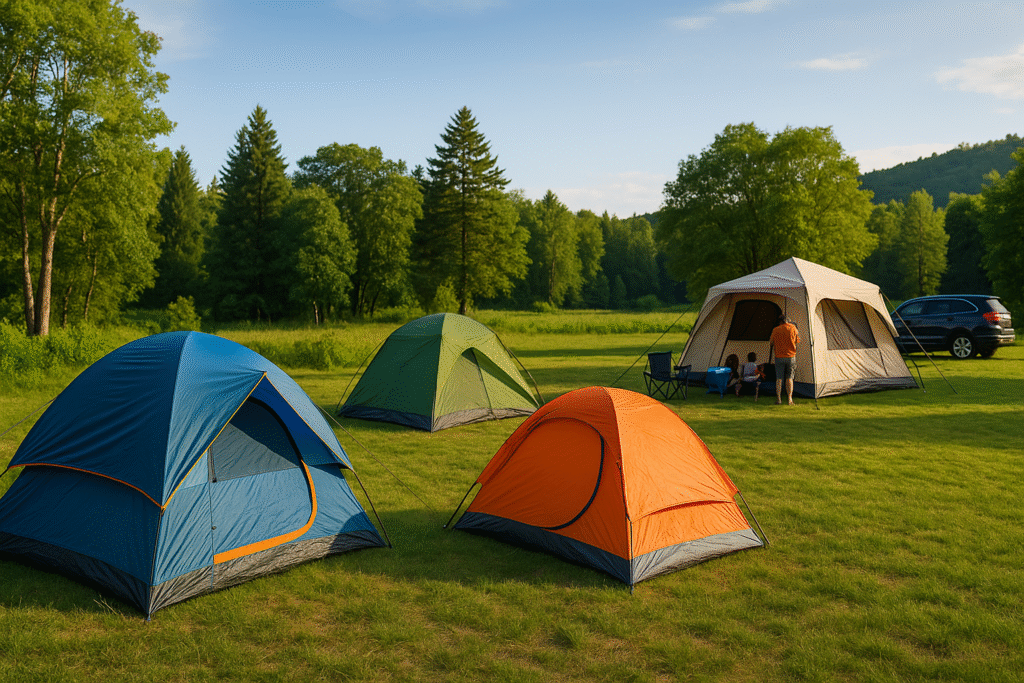
Introduction: Why the Right Camping Tent Matters
When you’re heading out into the great outdoors, your camping tent is your home away from home. It’s the one thing that can make the difference between a fun, cozy trip and a night of frustration in the cold or rain. Choosing the right tent can feel overwhelming — with so many shapes, sizes, and designs, it’s easy to wonder:
What type of camping tent is best for beginners?
That’s the question this guide will help answer. Whether you’re backpacking solo, car camping with friends, or bringing the whole family, the right tent will give you comfort, protection, and peace of mind. Below, we’ll explore the main styles of camping tents, their strengths and weaknesses, and how to decide which one fits your outdoor adventures best.
The Main Styles of Camping Tents
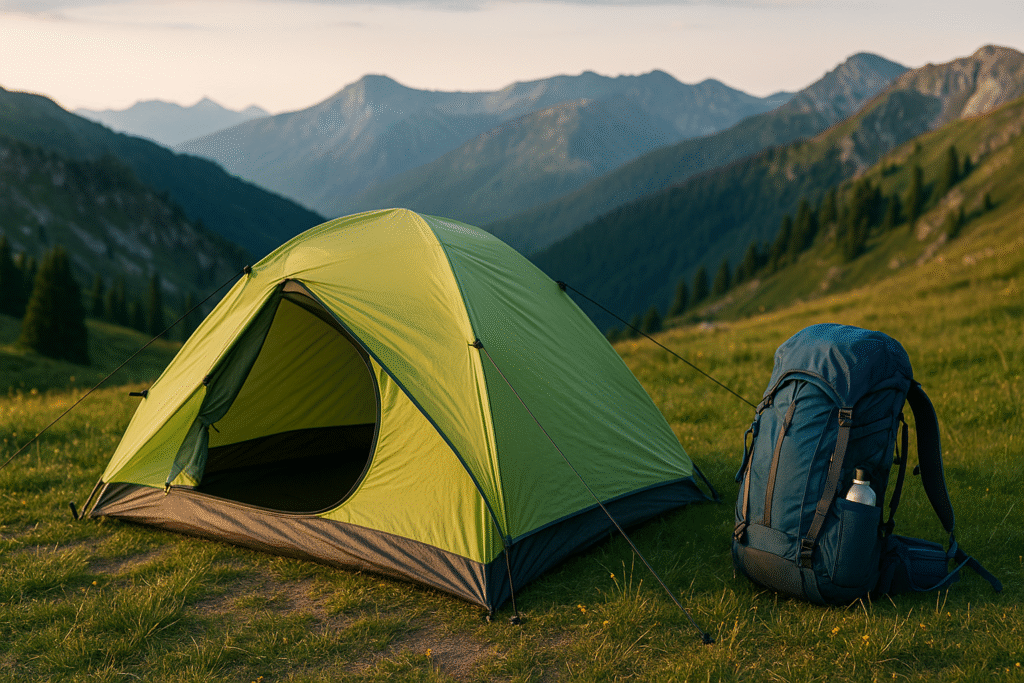
Dome Tents
Dome tents are the most common style you’ll see at campgrounds. They’re shaped like a rounded arch, usually supported by two or three flexible poles that crisscross at the top.
Why they work:
- Lightweight and compact
- Simple setup, usually just minutes
- Affordable, making them beginner-friendly
When to use them: Dome tents are perfect for weekend campers or anyone who wants a tent that’s easy to carry and doesn’t take up much room in the car.
Downsides: The curved walls mean less headroom inside, so standing tall isn’t an option. They’re best for 2–4 people.
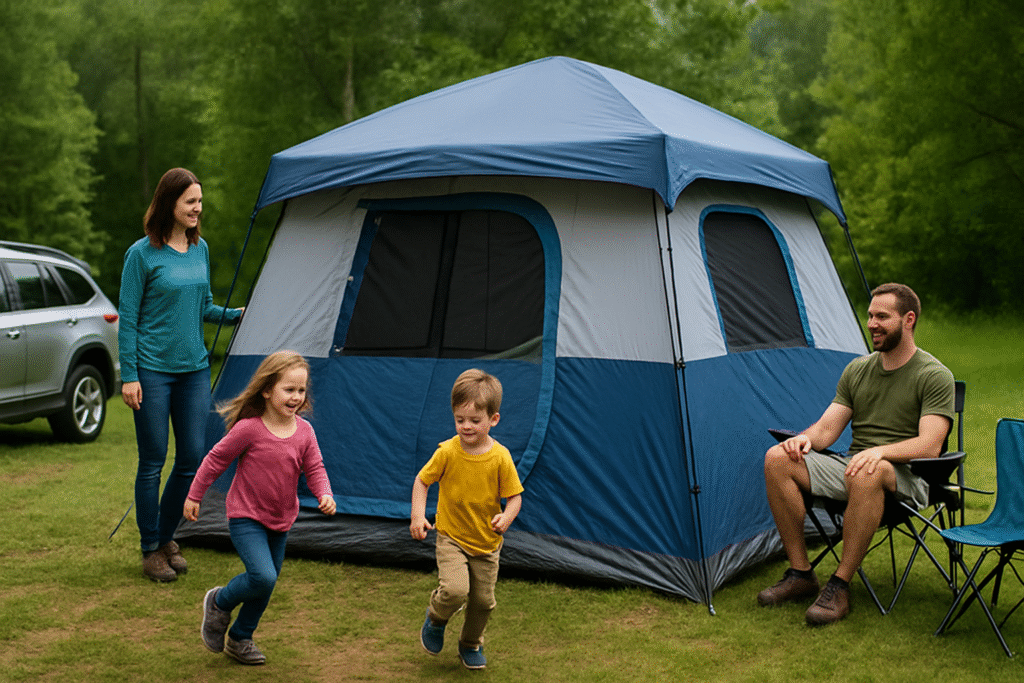
Cabin Tents
Cabin tents feel more like a mini home. With straight walls and taller ceilings, they’re great for families or campers who want space to move around.
Why they work:
- Vertical walls = maximum headroom
- Room to stand, change clothes, and even walk around
- Often come with room dividers for privacy
When to use them: Ideal for car camping trips where comfort matters more than portability.
Downsides: They can be heavy, bulky, and take longer to set up. Wind resistance is also weaker compared to dome designs.
Backpacking Tents
Backpacking tents are built with one priority: portability. They’re light, compact, and designed for people who carry everything on their backs.
Why they work:
- Ultralight materials and compact size
- Quick setup and tear-down
- Built to handle tough weather
When to use them: Perfect for hikers, solo campers, or pairs trekking through trails and needing shelter each night.
Downsides: You sacrifice space — most backpacking tents are snug inside, with just enough room to sleep and store gear.
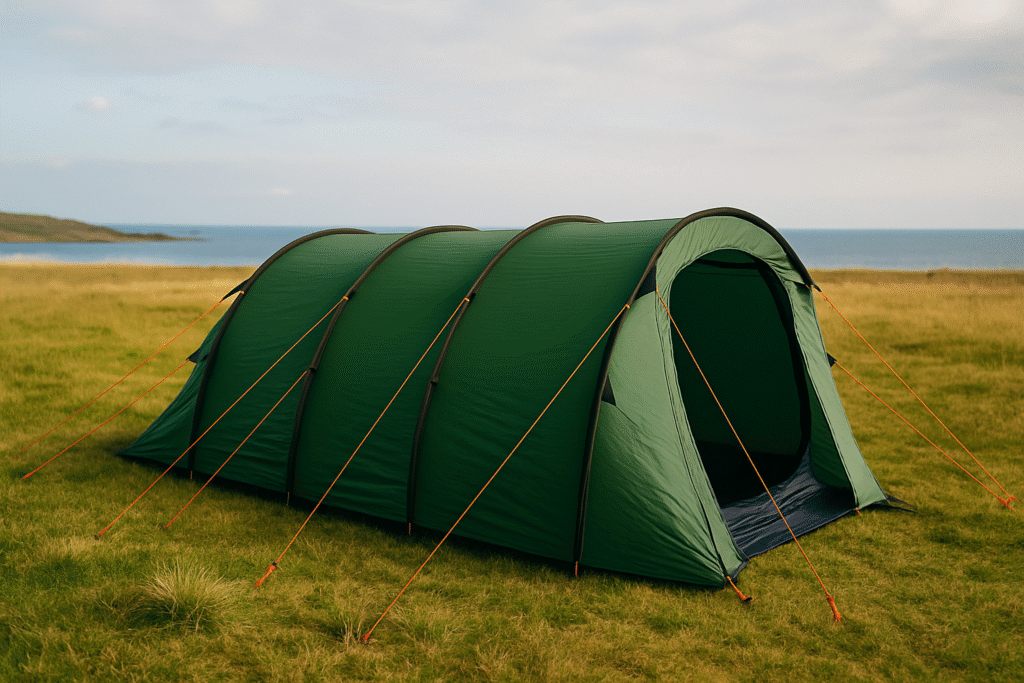
Tunnel Tents
Tunnel tents use multiple flexible poles to create a long, tube-like structure. They’re popular in windy regions or for larger groups.
Why they work:
- Great balance between space and stability
- Good internal volume with lots of usable space
- Often lighter than cabin tents for the space offered
When to use them: Excellent for family or group trips where you need headroom but still want portability.
Downsides: They rely heavily on guy lines and stakes, so they’re not ideal for rocky or tight spaces where staking is difficult.
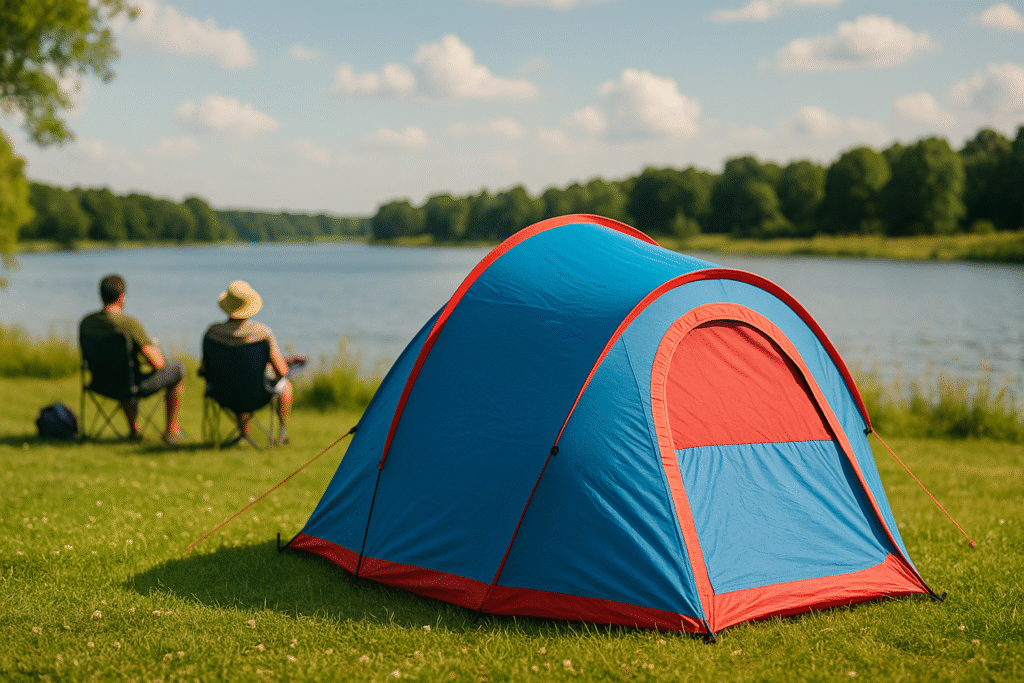
Pop-Up Tents
As the name suggests, pop-up tents practically set themselves up. Just toss them out, and they spring into shape.
Why they work:
- Instant setup — no poles, no hassle
- Great for beginners or quick trips
- Perfect for festivals, backyard camping, or short getaways
When to use them: Anyone who wants zero stress when it comes to pitching a tent.
Downsides: They’re not as durable in heavy wind or rain. Also, packing them back into their bag can be a puzzle.
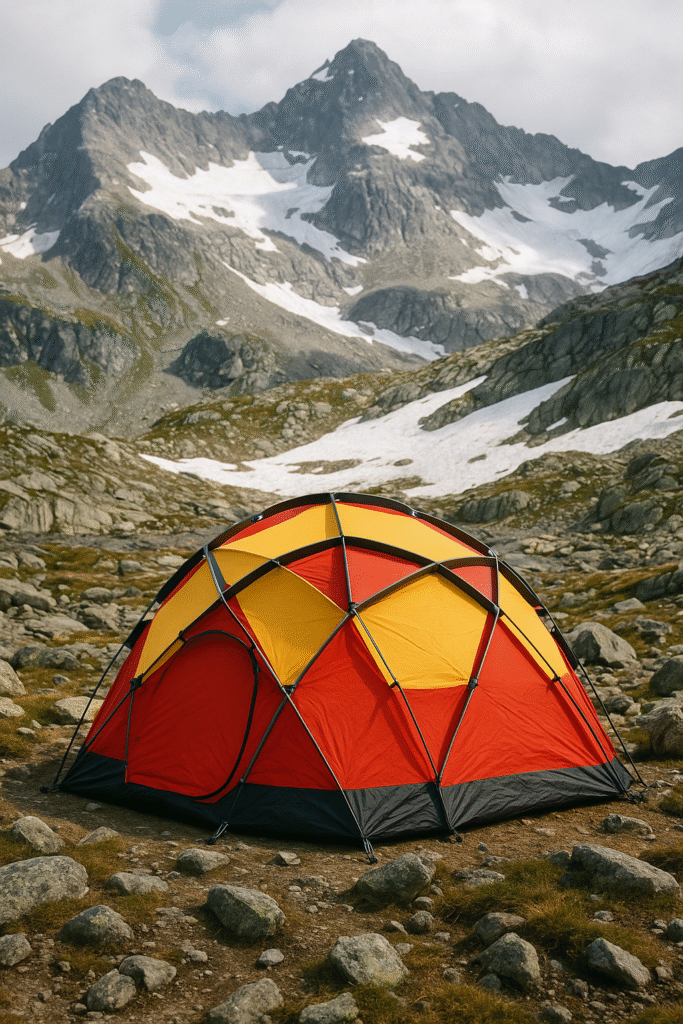
Geodesic & Semi-Geodesic Tents
These tents are designed for extreme conditions. Their multiple crossing poles create a strong, stable frame that resists heavy winds and snow.
Why they work:
- Superb stability in tough environments
- Great for mountaineering or high-altitude camping
- Compact and aerodynamic design
When to use them: Climbers, winter campers, or anyone braving harsh environments.
Downsides: Heavier, more technical to set up, and usually more expensive than casual tents.
Teepee & Bell Tents
These tents are throwbacks to classic designs, but with a modern twist. Teepees and bell tents use a central pole and canvas walls, creating a tall, open interior.
Why they work:
- Stylish, cozy, and spacious
- Perfect for glamping or long-term camping setups
- Can accommodate stoves or heaters (if canvas is fire-safe)
When to use them: Family gatherings, glamping trips, or backyard events.
Downsides: Heavy and not designed for portability. Canvas also requires more care to stay waterproof.
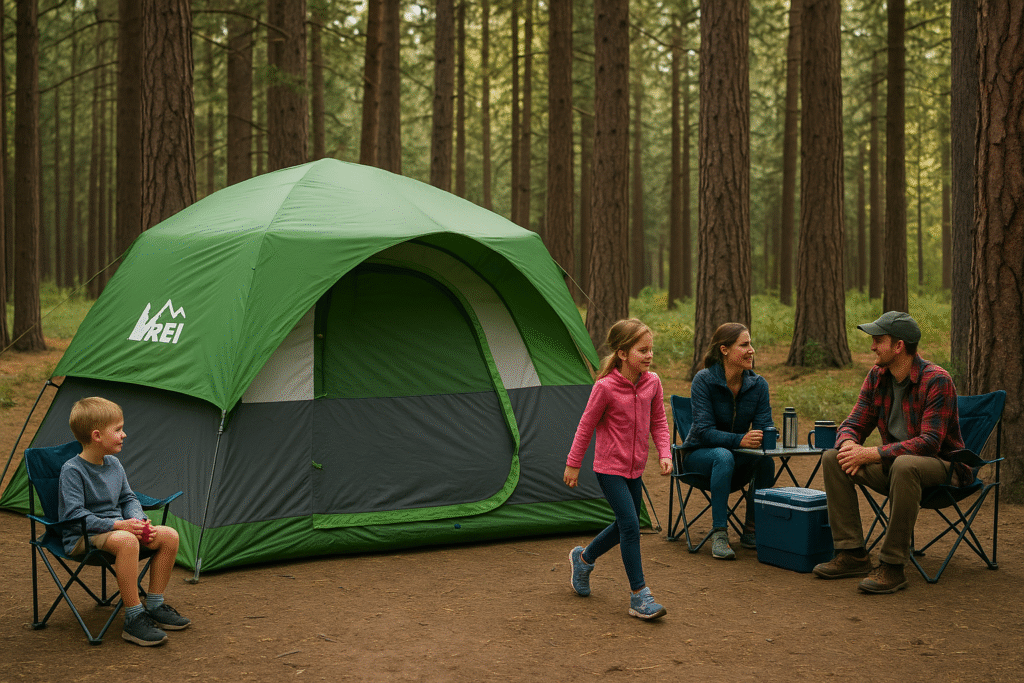
How to Choose the Right Camping Tent
Capacity: How Many People Will Use It?
Manufacturers often exaggerate capacity. A “2-person tent” usually means two people shoulder-to-shoulder, with no extra room. If you want comfort, always size up by one.
- Solo campers: 1–2 person tent
- Couples: 3-person tent for breathing room
- Families: 6-person or larger
Season Ratings: 3-Season vs 4-Season
- 3-Season Tents: Handle spring, summer, and fall. Lightweight, breathable, and versatile. Great for most campers.
- 4-Season Tents: Designed for winter camping, with stronger poles and thicker fabrics to withstand snow and wind.
Unless you’re camping in snow, a 3-season tent is usually all you need.
Setup & Portability
Ease of setup can make or break your trip. Look for:
- Color-coded poles or clips
- Simple, intuitive designs
- Weight (backpackers should aim for under 5 lbs per person)
If you camp frequently, practice setting up your tent at home before hitting the trail.
Price vs Durability
Camping tents range from $50 budget pop-ups to $800+ high-end geodesic models. Consider:
- How often you’ll use the tent
- Weather conditions you’ll face
- Whether portability or comfort is more important
For casual summer campers, mid-range dome or cabin tents are a smart choice. Frequent campers may want to invest in higher-quality materials and stronger poles.
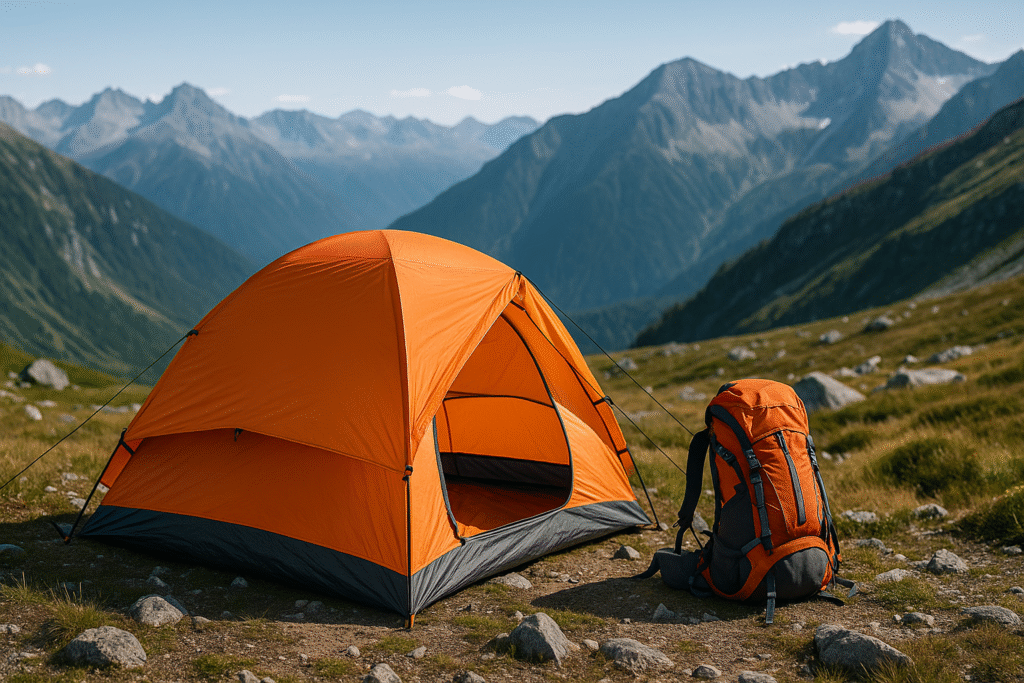
Quick Comparison Table
| Tent Style | Best For | Pros | Cons | Price Range |
|---|---|---|---|---|
| Dome | Beginners, casual use | Affordable, lightweight, easy | Limited headroom | $50–$200 |
| Cabin | Families, car camping | Spacious, tall, comfortable | Heavy, less wind resistant | $150–$400 |
| Backpacking | Hikers, solo trips | Ultralight, portable | Tight interior | $100–$350 |
| Tunnel | Families/groups | Good space-to-weight ratio | Needs lots of staking | $200–$500 |
| Pop-Up | Festivals, beginners | Instant setup | Not durable in bad weather | $40–$150 |
| Geodesic/Semi-Geo | Extreme conditions | Stable, weather-resistant | Heavy, expensive | $300–$800+ |
| Teepee/Bell | Glamping, long stays | Stylish, spacious | Heavy, high maintenance | $250–$600+ |
Conclusion: Your Camping Tent, Your Adventure
At the end of the day, the best camping tent is the one that matches your adventure. A backpacker needs something light and portable. A family might want a spacious cabin tent with room dividers. Festival-goers might prioritize a quick pop-up option.
What matters most is comfort, protection, and the confidence that your shelter will hold up when you need it. Camping is about connecting with nature, and the right tent makes that connection enjoyable, safe, and memorable.
So the next time you’re planning a trip, choose the tent that works for your lifestyle. With the right setup, your outdoor home can feel just as cozy as your indoor one.
0 Comments