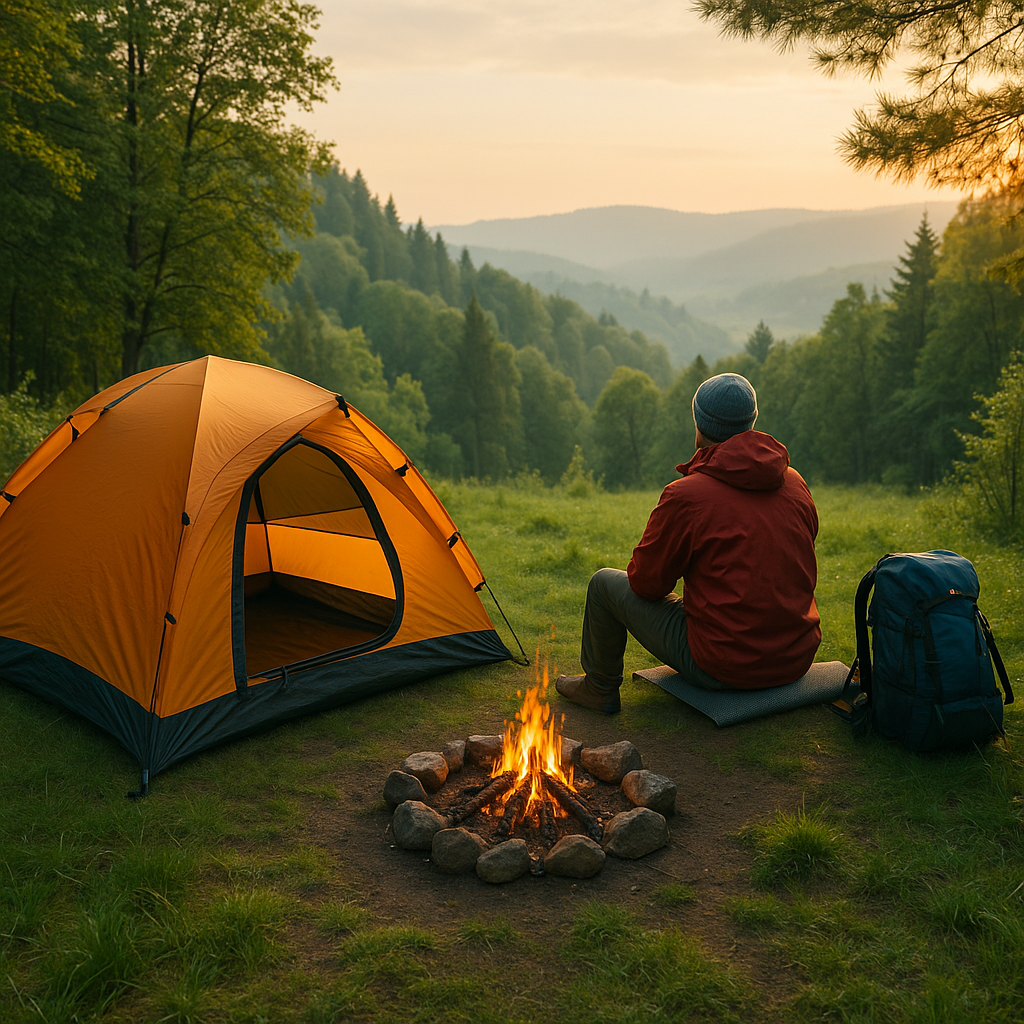
If you’ve ever thought, “Do I really need all that space when I’m camping alone?”, you’re not the only one. Many outdoor lovers eventually ask themselves this exact question when staring at their bulky two- or three-person tent before a solo trip. The truth is, a 1-person camping tent offers some unique advantages that make it worth considering, whether you’re a backpacker counting ounces or just someone who enjoys the peace of solo camping.
In this guide, we’ll break down the benefits of a 1-person camping tent, the pros and cons, and even share three realistic product options you might find on Amazon. By the end, you’ll know exactly whether a solo tent belongs in your gear lineup.
Why Choose a 1-Person Camping Tent?
Solo camping is a unique experience — no competing playlists, no tentmates who snore, and no compromises on when to wake up or call it a night. A 1-person tent is built specifically for this kind of trip. It’s smaller, lighter, and designed with just enough room for you and your essential gear.
Think of it like the camping version of a cozy studio apartment: compact, efficient, and easier to manage. Here are a few reasons why many campers choose them:
- Portability: Perfect for backpackers or thru-hikers who need to shave every ounce of weight.
- Easy setup: With fewer poles and panels, pitching is quick and stress-free.
- Personal comfort: You don’t have to share space with muddy boots, restless friends, or bulky gear.
If you’ve ever struggled with carrying a big tent on a hike or hated the awkwardness of sharing tight quarters, a 1-person tent is a refreshing solution.
The Benefits of a 1-Person Camping Tent
1. Lightweight and Packable
The biggest selling point? Weight savings. Most 1-person tents weigh between 2–4 lbs, compared to 5–8 lbs for a two-person tent. On a long trek, those pounds matter. They also compress smaller in your pack, freeing up room for food, clothing, or that extra coffee stash you didn’t think you’d bring but will definitely thank yourself for.
2. Quick Setup and Takedown
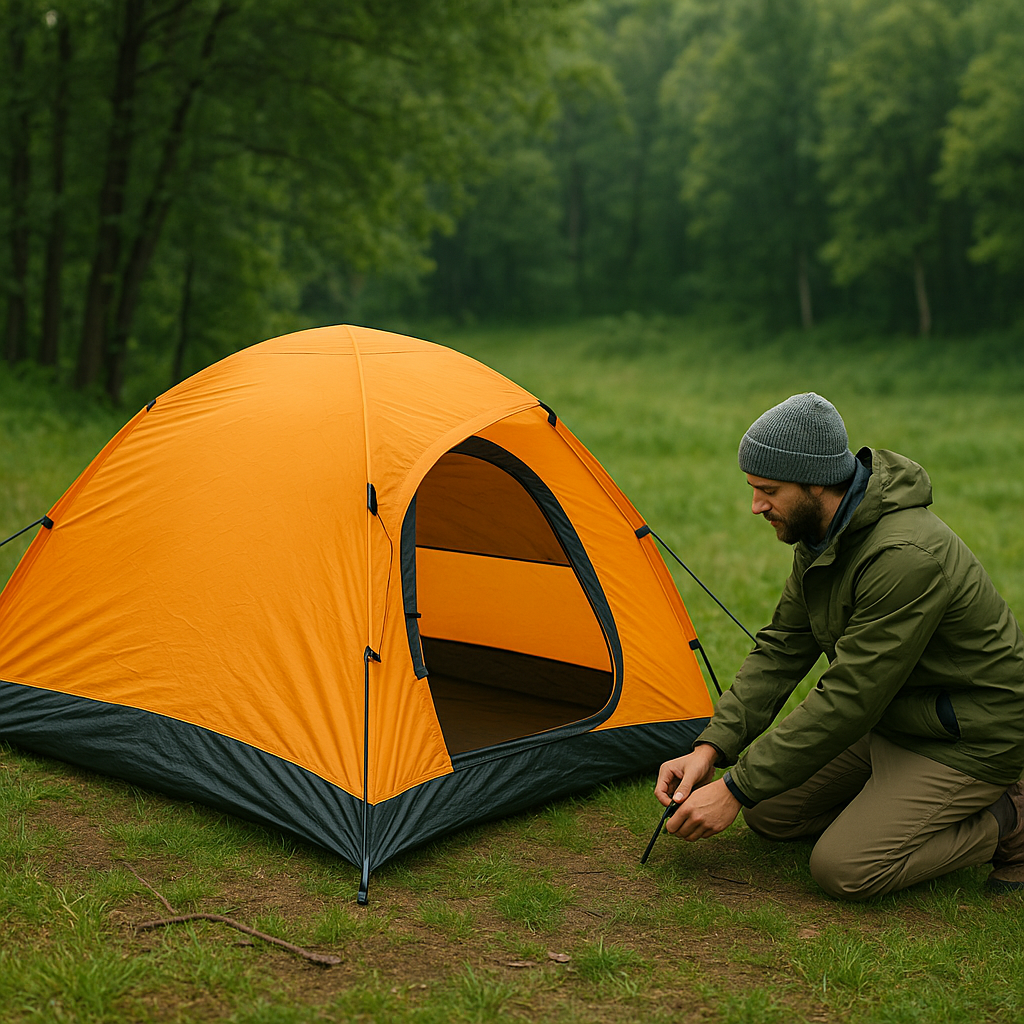
Fewer poles, fewer stakes, and a smaller footprint mean you can pitch your shelter in minutes. This is especially useful if you roll into camp at dusk or need to set up fast before a storm.
3. Privacy and Independence
When you camp alone, you make all the rules. A 1-person tent gives you the privacy to read, journal, or just enjoy silence without worrying about anyone else’s schedule or habits.
4. Fits in Tighter Spots
Ever struggled to find a flat, wide enough patch for your big tent? A compact solo camping tent fits into smaller clearings or rocky terrain gaps. This flexibility can save you headaches in crowded or tricky campsites.
The Drawbacks: Pros and Cons
Like any gear decision, there are trade-offs. Here’s what to consider before committing to a solo tent:
Pros:
- Ultra-lightweight and compact.
- Perfect for solo travelers and minimalists.
- Often more affordable than larger tents.
- Quick to set up and take down.
Cons:
- Limited space — no room for extra gear or a friend.
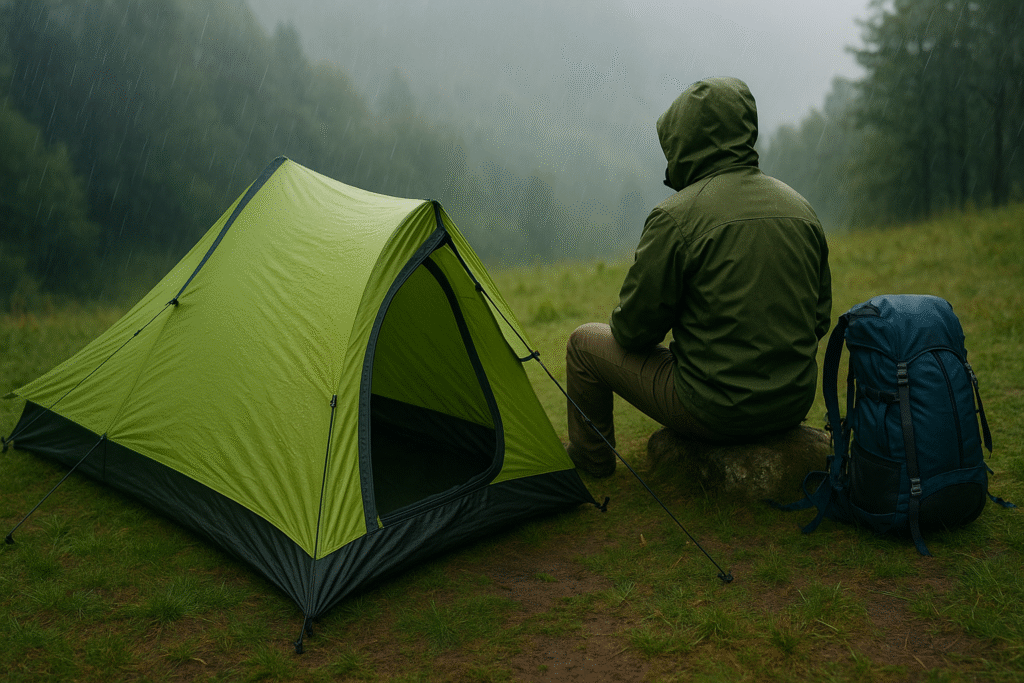
- Can feel cramped during bad weather.
- Less versatile if you sometimes camp with others.
- Some budget models may sacrifice durability.
In short: if you’re a frequent solo camper or backpacker, the pros easily outweigh the cons. If you sometimes camp with friends, you may want to keep a two-person tent as well.
3 Great 1-Person Camping Tent Options
While there are dozens of choices online, here are three generic but realistic options that represent what you’d typically find on Amazon in the solo tent category:
1. Lightweight Backpacking Tent #1
Designed for hikers who count every ounce, this ultralight tent packs down to the size of a water bottle and weighs just over 2 lbs. It offers excellent ventilation with mesh panels and a simple two-pole design for fast setup.
- Best for: Thru-hikers and minimalist backpackers.
- Not ideal if: You want extra room for gear.
2. Durable 4-Season Tent #2
This rugged tent is made with reinforced fabric and a sturdy pole system to withstand wind, rain, and even snow. Weighing around 3.5 lbs, it’s heavier but built to last through more challenging conditions.
- Best for: All-season adventurers who camp in unpredictable weather.
- Not ideal if: You only camp in summer or want the lightest option.
3. Budget-Friendly Solo Tent #3
For campers who want an affordable entry-level option, this tent provides solid weather resistance and easy setup at a fraction of the cost of premium models. It’s a bit bulkier at 4 lbs, but still manageable for short backpacking trips.
- Best for: Beginners or casual campers.
- Not ideal if: You’re embarking on long, weight-sensitive treks.
Side-by-Side Comparison
Here’s a quick look at how these tents stack up:
| Tent Option | Weight | Best Feature | Ideal User | Downsides |
|---|---|---|---|---|
| Lightweight Backpacking Tent #1 | ~2 lbs | Ultralight design | Minimalist backpackers | Tight space for gear |
| Durable 4-Season Tent #2 | ~3.5 lbs | All-weather durability | Year-round campers | Heavier, pricier |
| Budget-Friendly Solo Tent #3 | ~4 lbs | Affordable entry-level | Beginners, casual campers | Bulkier, less advanced features |
This kind of comparison can help you quickly decide what suits your camping style.
Tips for Getting the Most from a 1-Person Tent
Even the best tent won’t serve you well if you don’t use it right. Here are a few practical tips:
- Use a footprint or tarp: Protects your tent floor and extends its life.
- Store gear smartly: Keep your pack under the rainfly vestibule to save space inside.
- Practice at home: Set it up in your yard before your first trip — nothing kills the vibe like fumbling with poles in the dark.
- Pack light but smart: Solo campers should balance tent weight with other essentials like a quality sleeping pad and compact stove.
Final Thoughts: Is a 1-Person Camping Tent Right for You?
At the end of the day, the right tent depends on your camping style. If you love solo trips, value light weight, and want independence, a 1-person camping tent is hard to beat. Sure, it won’t host your friends or double as a gear closet, but for solo adventurers, it’s a reliable, efficient, and freeing choice.
So if you’re debating what tent to bring on your next trip, consider giving a 1-person model a shot. You might just find that the simplicity and comfort of a dedicated solo tent make your outdoor adventures even better.
0 Comments