You know that moment when you’ve been hiking all day, your legs feel like noodles, the fire finally cooperates, and someone pulls out plain crackers like it’s gourmet cuisine? That’s the exact moment camping meals go from “optional detail” to “critical survival decision.”
I’ve had camping trips where the food became the highlight of the entire weekend. I’ve also had trips where poor planning turned dinner into a low-energy disaster. After enough smoky skillets, under-seasoned potatoes, and slightly overcooked sausages, I’ve learned something important: camping meals shape the entire experience. If you plan them well, everything else feels easier.
Why Camping Meals Matter More Than You Think
Camping demands energy. You hike, paddle, carry gear, gather firewood, and somehow still stay social at night. Your body burns more calories than it does at home, even if you don’t notice it immediately.
Well-planned camping meals fuel performance, stabilize mood, and prevent campsite tension. Ever notice how minor annoyances feel huge when you’re hungry? That’s not coincidence. Hunger shifts patience levels fast.
Food also creates rhythm. Breakfast energizes the group. Lunch maintains momentum. Dinner slows things down and builds connection. When you approach camping meals intentionally, you control the flow of your trip instead of reacting to it.
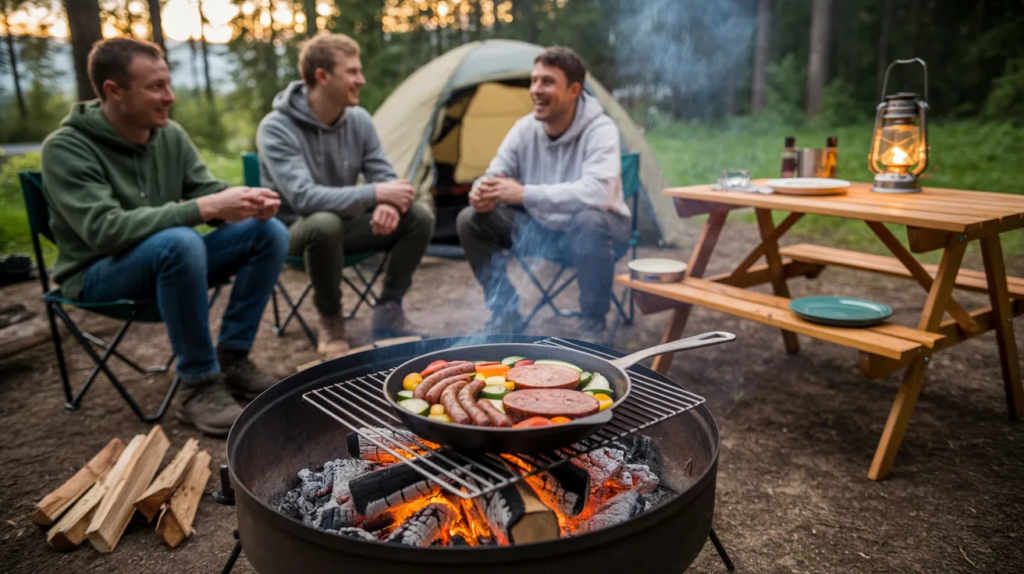
Start With Your Cooking Setup
Before you plan recipes, ask one simple question: what are you cooking on?
Your setup usually falls into one of these categories:
- Campfire with grill grate
- Propane camp stove
- Backpacking stove
- No-cook setup
Each option changes how your camping meals should look.
A campfire delivers incredible flavor but requires patience and heat control. A propane stove offers consistency and precision. A backpacking stove limits portion size but keeps things lightweight. A no-cook setup eliminates cleanup but reduces variety.
I once planned an elaborate skillet dinner and realized I packed a tiny backpacking burner. That meal became a chaotic balancing act. Since then, I always match the food plan to the equipment first.
Build a Simple Camping Meal Framework
You don’t need five-course complexity. You need structure.
Think in three daily categories:
- Energizing breakfast
- Efficient lunch
- Comfort-focused dinner
Add snacks between everything because camping increases appetite more than you expect.
When you organize camping meals this way, you reduce stress immediately. You know what you’re cooking before you even arrive.
Camping Breakfast Ideas That Actually Work
Breakfast sets the tone for the entire day. If you start strong, everything flows better.
Campfire Breakfast Classics
Some camping meals never fail:
- Breakfast burritos wrapped in foil
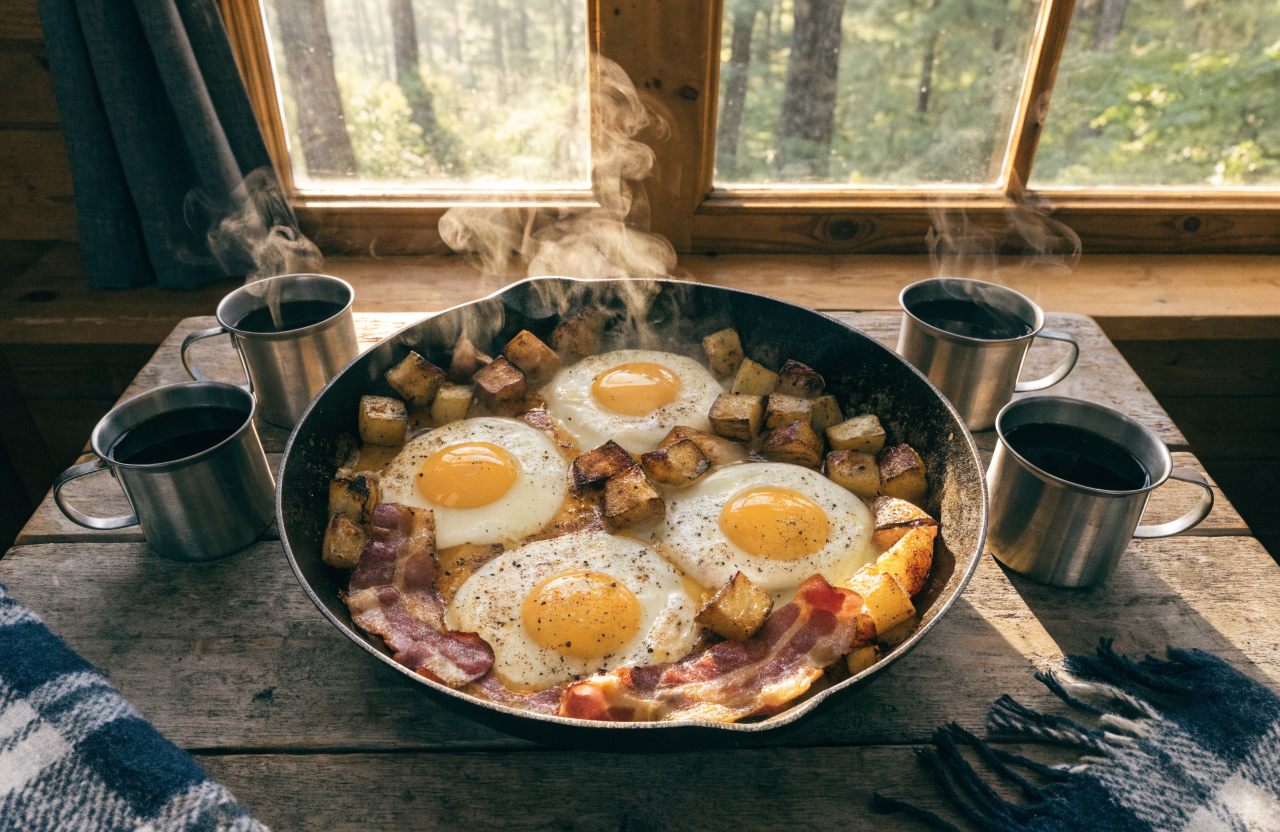
- Bacon and eggs in cast iron
- Pancakes on a griddle
- Breakfast hash with potatoes and sausage
I prep burritos at home and freeze them. In the morning, I place them over hot coals and let them heat slowly. They cook evenly, require no chopping, and deliver real protein.
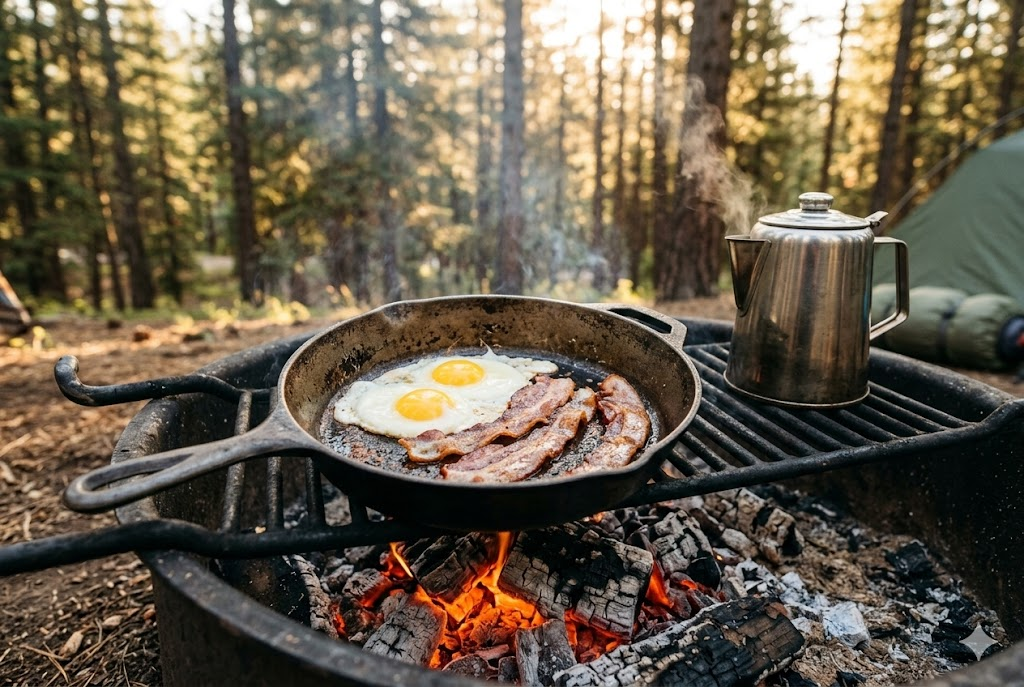
Quick and Low-Effort Options
Some mornings feel colder and slower.
That’s when simple camping meals shine:
- Instant oatmeal with nut butter
- Yogurt with granola
- Peanut butter bagels
- Protein bars and fruit
Ever wake up freezing and unwilling to function? A low-effort breakfast saves the mood instantly.
Lunch: Keep It Light and Strategic
Lunch should keep you moving. It shouldn’t slow the day down.
No-Cook Camping Meals
No-cook lunches simplify everything:
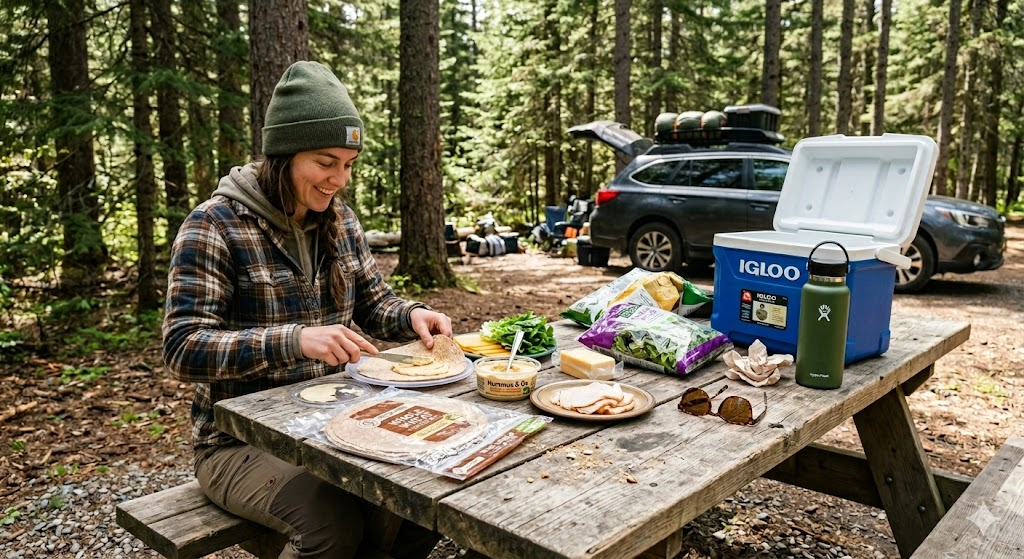
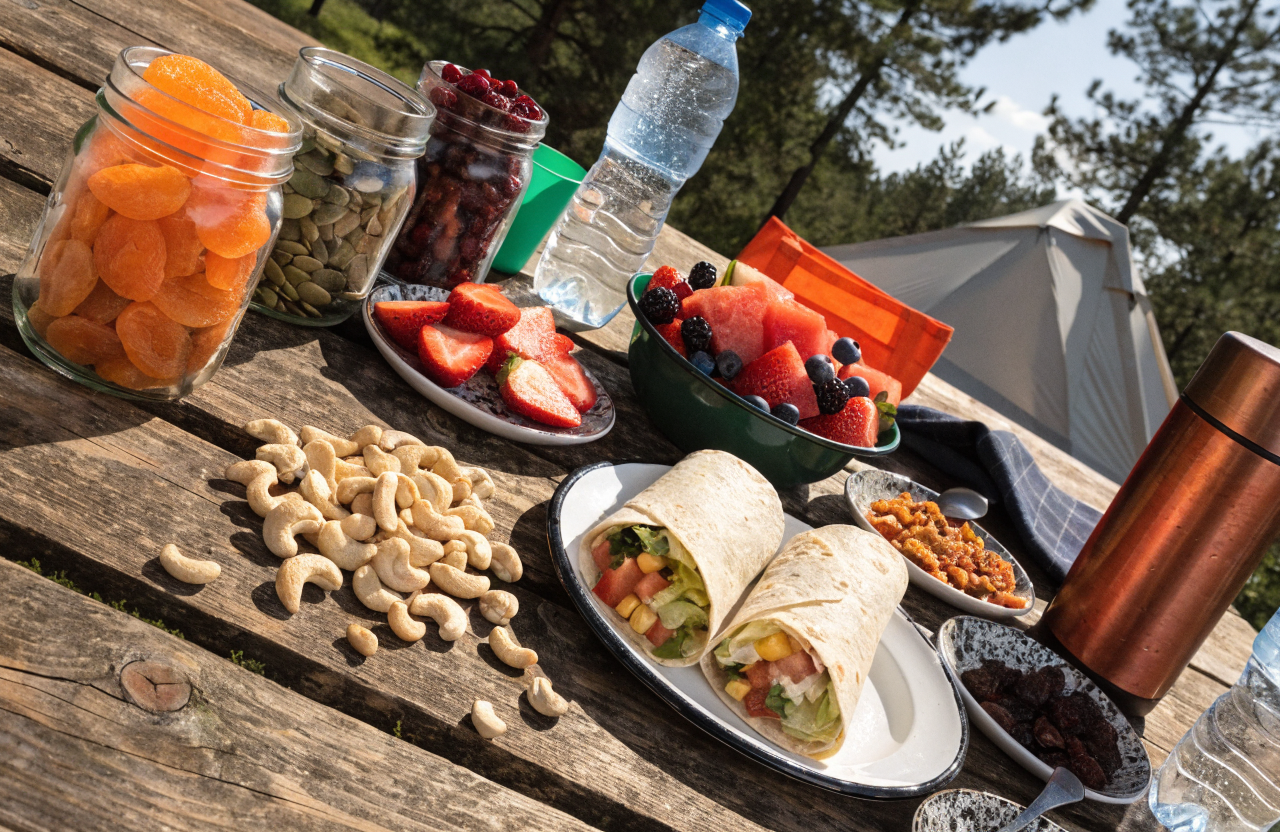
- Wraps with deli meat and cheese
- Tuna or chicken packets
- Hummus with vegetables
- Hard-boiled eggs
These camping meals require no stove and almost no cleanup. You assemble, eat, and continue exploring.
Quick Hot Lunches
If you stay near camp, you can add heat without adding stress.
- Grilled cheese sandwiches
- Quesadillas
- Simple soup
Keep ingredients minimal. Camping meals succeed when they stay manageable.
Dinner: Where Camping Meals Shine
Dinner feels different outdoors. The fire glows. Conversations stretch longer. Hunger peaks.
This is where you want satisfaction.
Foil Packet Camping Meals
Foil packets simplify dinner dramatically.
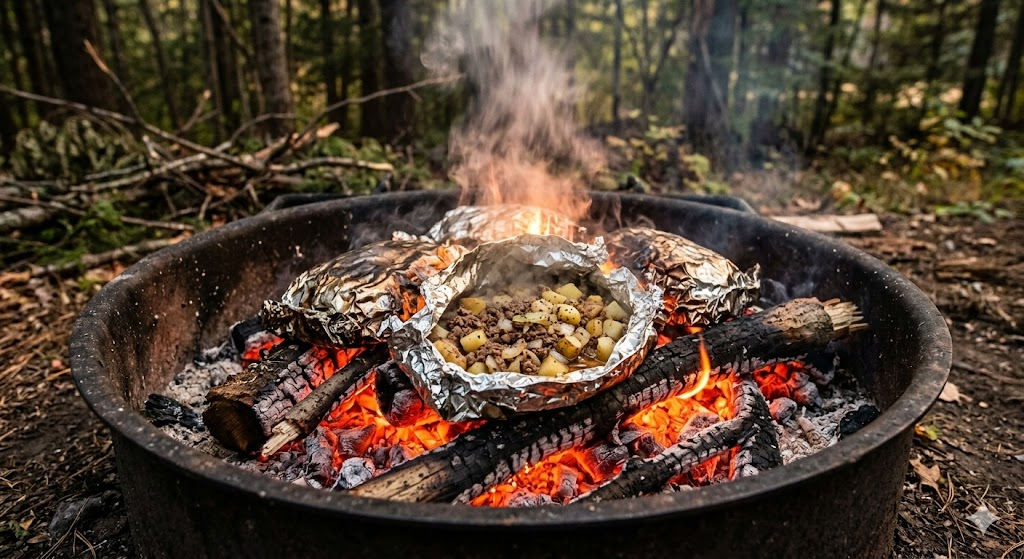
You chop ingredients, wrap them tightly, and place them directly on hot coals. You flip once halfway through. You avoid scrubbing pans later.
Popular combinations include:
- Beef, potatoes, and onions
- Chicken with peppers and rice
- Sausage with mixed vegetables
Foil packet camping meals work because they distribute heat evenly and simplify cleanup.
One-Pot Camping Meals
One-pot meals create comfort without chaos.
- Chili
- Sausage pasta
- Rice and vegetable stir fry
- Lentil stew
I love chili because it feeds a group and tastes better the next day. Leftovers transform into lunch easily.
Ever notice how food tastes better around a fire? Smoke adds depth you don’t get in your kitchen at home.
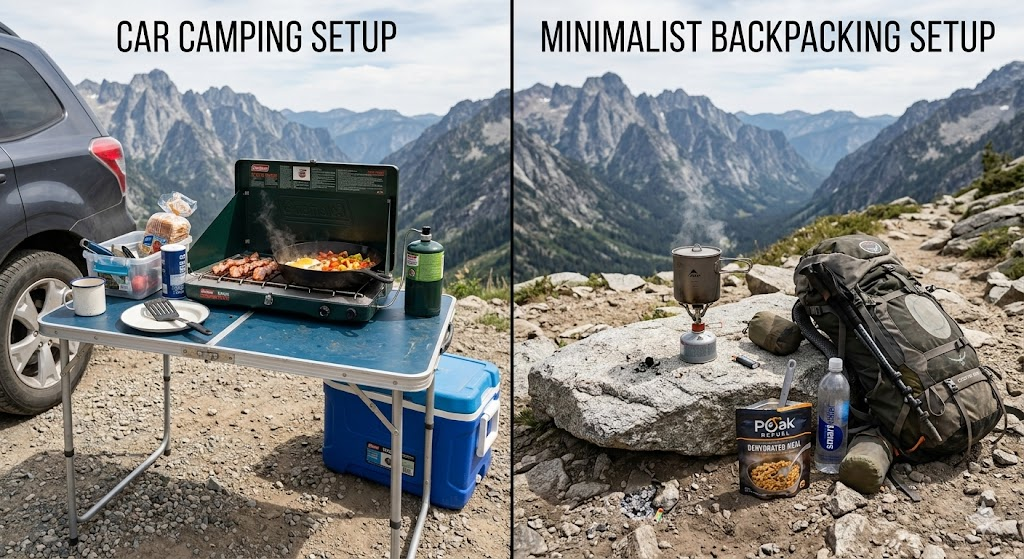
Car Camping vs Backpacking Meals
Not all camping meals fit every trip.
Car Camping
Car camping gives you flexibility. You can bring coolers, cast iron, cutting boards, and full ingredients.
That means you can cook:
- Steak with roasted vegetables
- Dutch oven lasagna
- Full pancake breakfasts
Car camping meals feel closer to home cooking. You trade weight restrictions for comfort.
Backpacking
Backpacking demands efficiency.
Weight matters. Fuel matters. Cleanup matters.
Smart backpacking meals include:
- Dehydrated meal pouches
- Instant rice with protein packets
- Oatmeal with powdered milk
- Nut butter packs
IMO, you shouldn’t try to replicate car camping meals on a backpacking trip. Match expectations to reality.
Prep at Home and Eliminate Stress
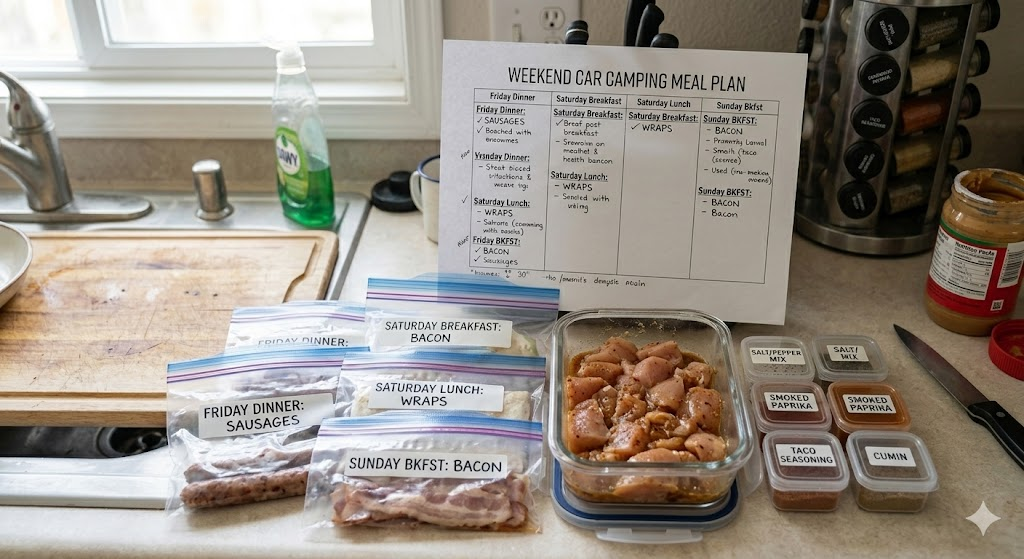
Prepping ahead transforms camping meals from stressful to smooth.
Chop vegetables before leaving. Marinate meats in sealed bags. Measure spices into small containers. Portion ingredients by meal. Label everything clearly.
You cut campsite prep time in half when you handle details at home. You also reduce the risk of forgetting key ingredients.
Smart Snack Planning
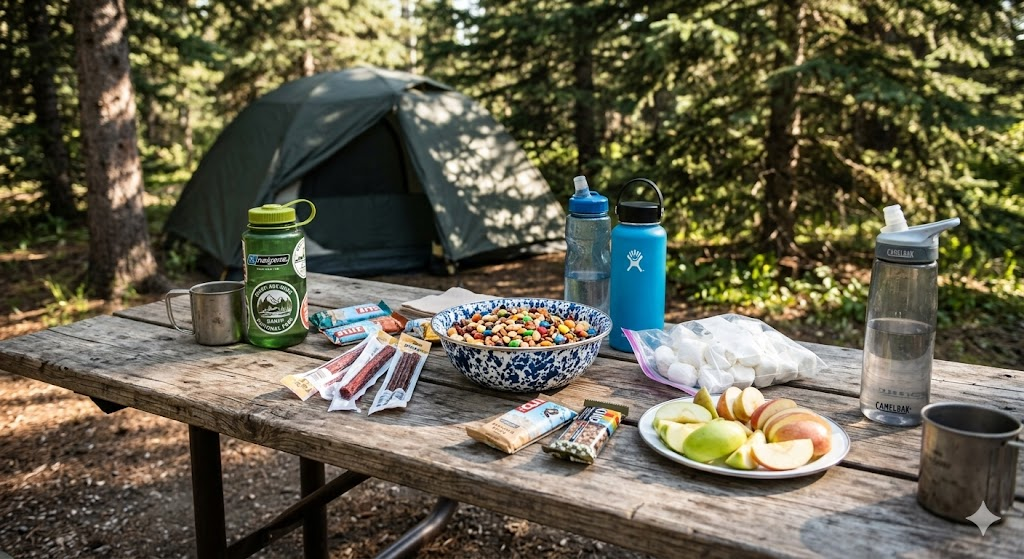
Snacks deserve attention.
Camping increases appetite naturally. Plan extra.
Reliable camping snacks include:
- Trail mix
- Jerky
- Fresh fruit
- Protein bars
- Popcorn
- Marshmallows
Snacks maintain morale between structured camping meals.
A Practical 3-Day Camping Meal Plan
Day 1
Breakfast: Breakfast burritos
Lunch: Turkey wraps
Dinner: Foil packet beef and potatoes
Day 2
Breakfast: Pancakes and fruit
Lunch: Leftover chili
Dinner: One-pot sausage pasta
Day 3
Breakfast: Oatmeal and coffee
Lunch: Grilled cheese
Snacks throughout: Trail mix, fruit, jerky
This structure keeps camping meals simple, satisfying, and efficient.
Final Thoughts: Eat Well, Camp Better
You don’t need gourmet skills to master camping meals. You need planning, alignment with your cooking setup, and realistic expectations.
Match meals to equipment. Prep ahead. Keep recipes manageable. Pack extra snacks. Cook over coals, not flames.
When you treat camping meals as part of the adventure instead of an afterthought, you elevate the entire trip.
So next time you pack your gear, ask yourself one question: are you surviving… or are you cooking something you’ll actually remember? 🙂
0 Comments