Nothing ruins a camping trip faster than bad food or forgetting something crucial. Whether you’re a first-timer or a seasoned outdoor enthusiast, nailing your camp kitchen setup means more time enjoying nature and less time stressing about meals. Let’s dive into the ultimate food guide that’ll transform your next camping adventure.
1. Master The Art Of No-Cook Breakfast Winners
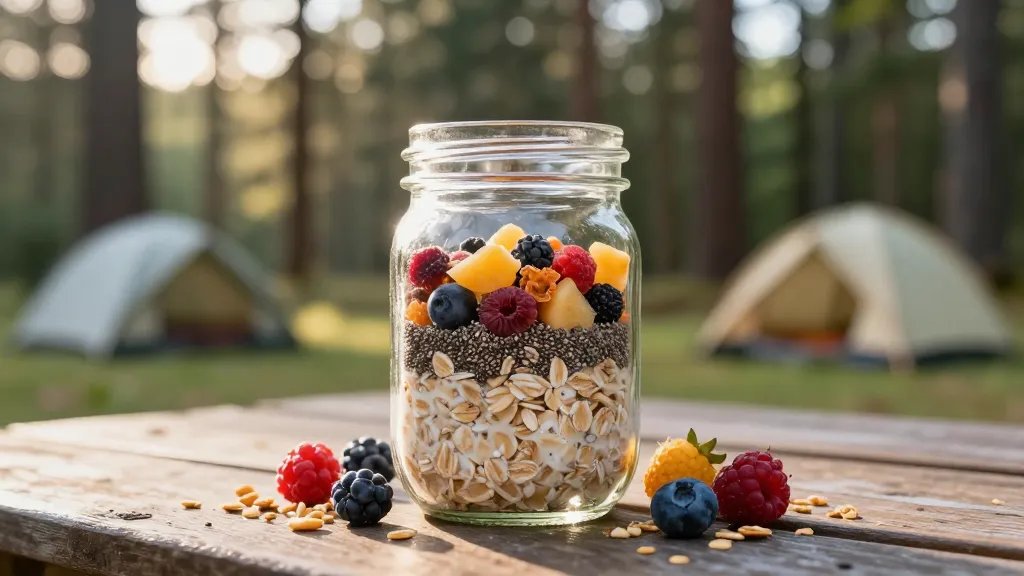
Let’s be real – nobody wants to fumble with a camp stove at 6 AM when you’re barely awake. No-cook breakfasts are your secret weapon for starting the day right without the fuss.
Overnight oats are the MVP here. Mix rolled oats with milk or a dairy alternative in a sealed container before bed, toss in some chia seeds, and wake up to ready-made breakfast. Add trail mix, dried fruit, or a squeeze of honey for flavor variety throughout your trip.
Easy Breakfast Essentials:
- Individual yogurt cups with granola packets
- Pre-made breakfast burritos wrapped in foil
- Bagels with cream cheese or nut butter
- Fresh fruit that travels well (apples, oranges, bananas)
- Protein bars for emergency backup
Pro tip: freeze your breakfast burritos before packing. They’ll act as ice packs in your cooler and thaw perfectly by morning. Seriously, this trick alone has saved countless camping trips from becoming hangry disasters.
The beauty of no-cook mornings means you can fuel up quickly and hit the trails while they’re still cool. Save your cooking energy for dinner when you actually have time to enjoy the campfire experience.
2. One-Pot Dinners That Actually Taste Amazing
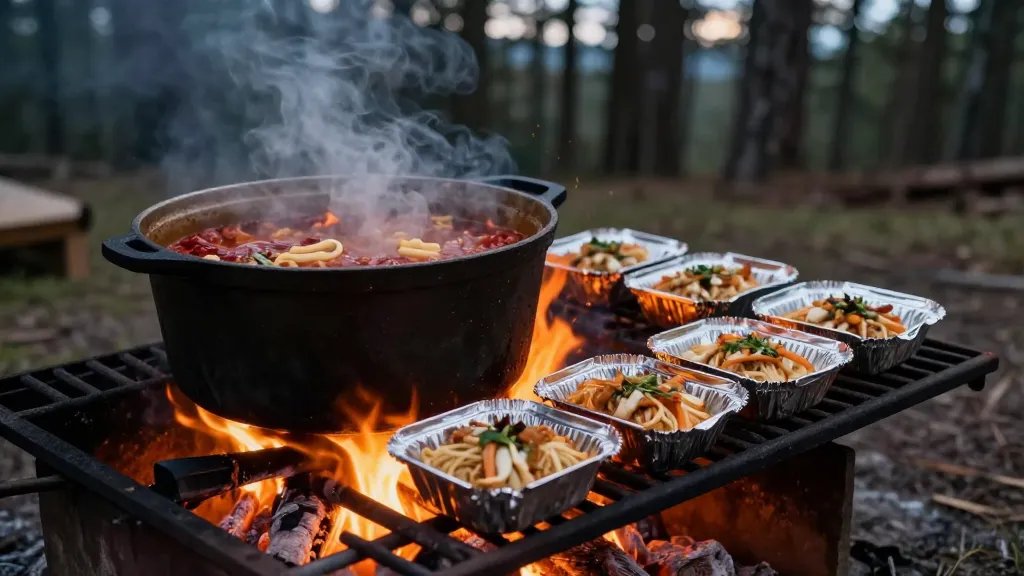
Forget gourmet multi-course meals – one-pot camping dinners are where it’s at. Less cleanup, less hassle, and more time sitting around the fire telling questionable stories.
Foil packet meals deserve all the hype they get. Wrap protein, vegetables, and seasonings in heavy-duty aluminum foil, toss them on hot coals or a grill grate, and boom – dinner’s done in 20 minutes with zero dishes.
Winning One-Pot Ideas:
- Chili mac (combine boxed mac and cheese with canned chili)
- Sausage and veggie foil packets with potatoes
- Instant ramen upgraded with eggs, veggies, and hot sauce
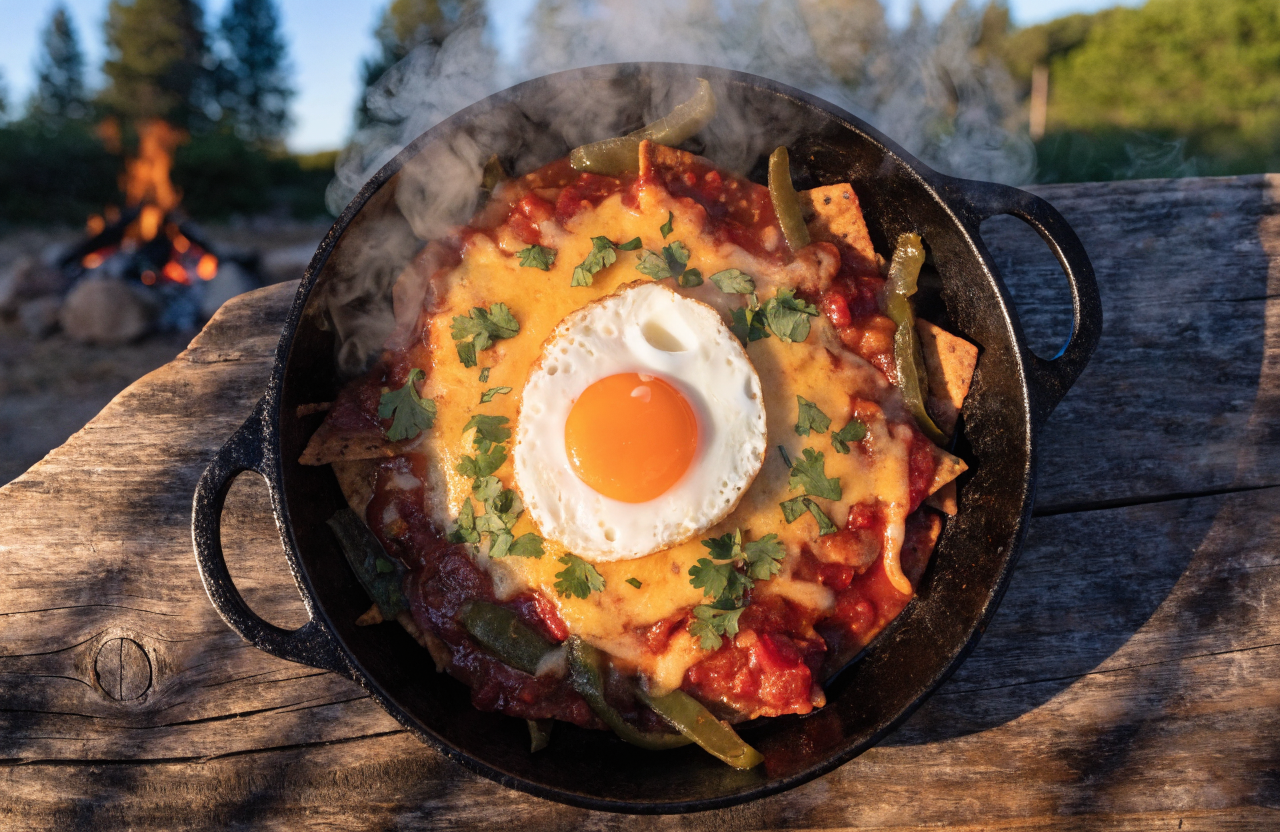
- Campfire quesadillas in a cast iron skillet
- Jambalaya from a pre-mixed kit
Here’s the thing about cast iron skillets – yes, they’re heavy, but they’re indestructible and heat evenly over campfires. If you’re car camping, the weight is worth it. Backpackers should stick with lightweight titanium pots instead.
Prep your ingredients at home by pre-chopping vegetables and pre-measuring spices into small containers or baggies. Future you will be incredibly grateful when you’re not trying to dice an onion on a wobbly picnic table in the dark.
The secret to making one-pot meals taste restaurant-quality? Don’t skimp on seasonings and bring hot sauce. Everything tastes better with a little kick, trust me.
3. Snacks That Won’t Melt, Crush, Or Disappoint
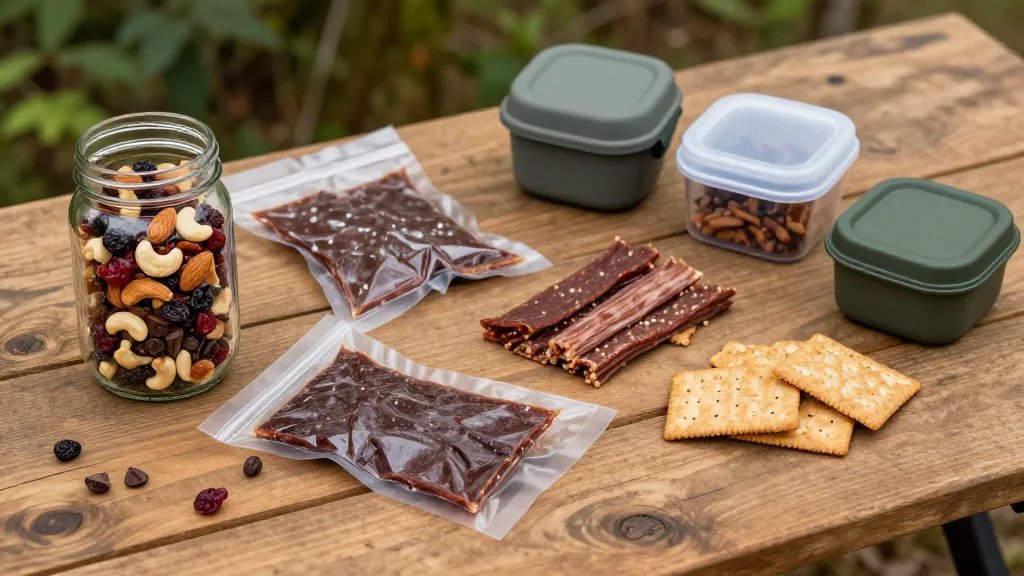
Ever opened your backpack to find chocolate soup and crushed chips? Yeah, strategic snack selection matters more than you think.
The goal is finding snacks that survive temperature swings, rough handling, and curious wildlife. You want energy-dense options that actually satisfy hunger between meals without requiring refrigeration.
Bulletproof Camping Snacks:
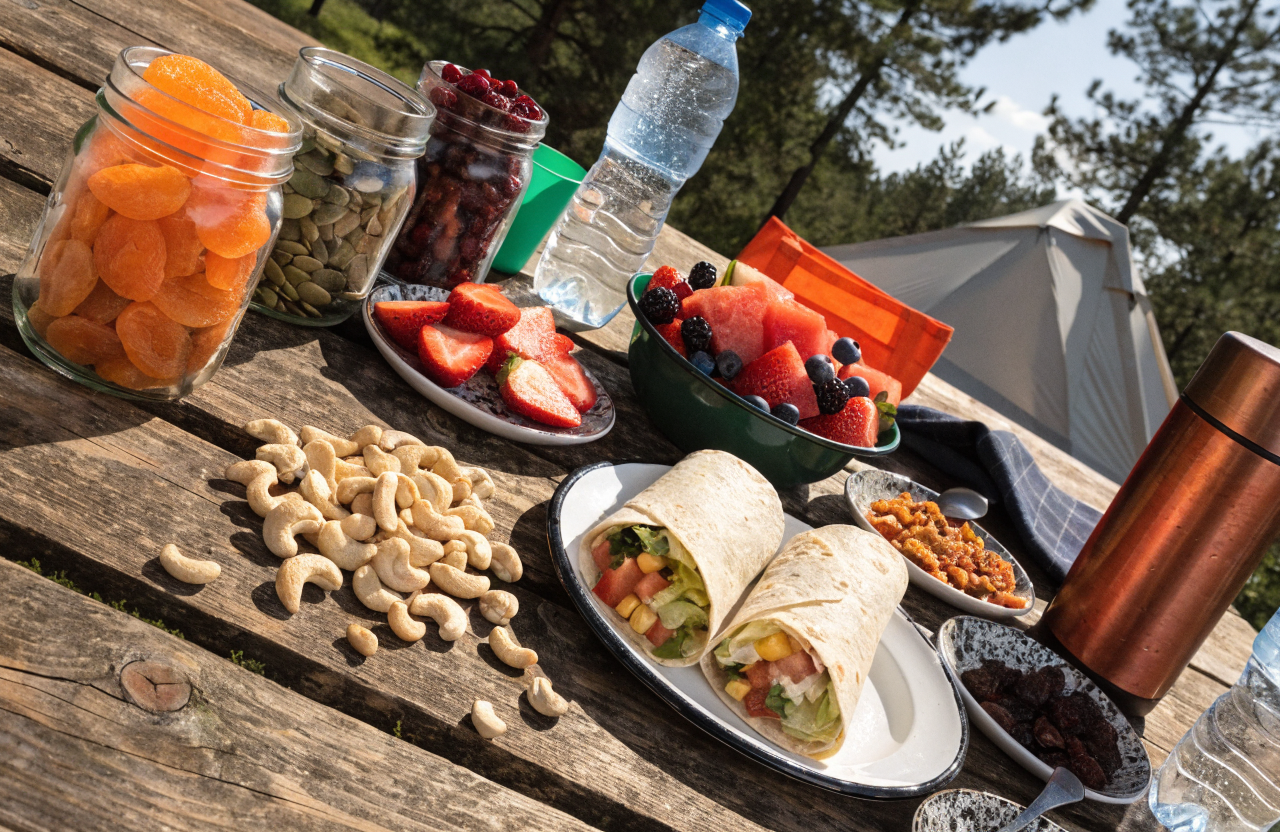
- Trail mix (make your own with nuts, seeds, dried fruit, and dark chocolate chips)
- Beef jerky or turkey sticks
- Whole grain crackers with shelf-stable cheese
- Apple slices with individual peanut butter packets
- Popcorn in pre-portioned bags
- Energy balls made from dates and oats
FYI, those individual nut butter packets are camping gold. Pair them with apples, celery, crackers, or eat them straight from the packet when you need quick protein. No refrigeration needed, and they’re nearly impossible to destroy.
Avoid bringing anything in glass jars – use plastic squeeze bottles or packets instead. A broken jar of salsa in your cooler creates a crime scene nobody wants to deal with.
Here’s a game-changer: freeze grapes before your trip. They’ll stay cold for days in your cooler and taste like little popsicles by the time you eat them. Plus, they help keep other items cold while they thaw.
Keep your high-energy snacks easily accessible throughout the day. Hangry campers make poor decision-makers, whether you’re setting up tents or navigating trails.
4. Cooler Packing Strategy That Actually Works
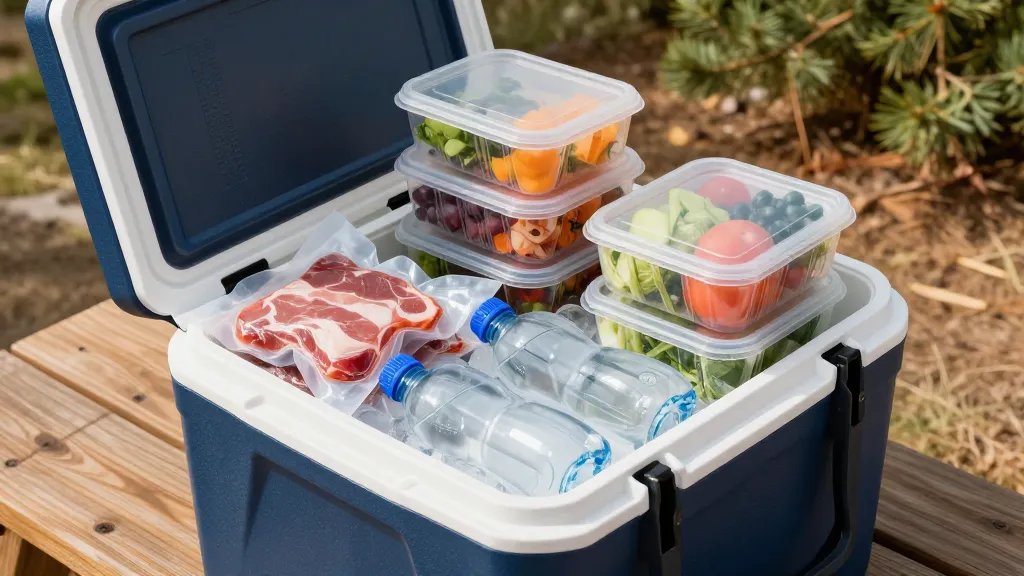
Random cooler packing is amateur hour. A proper cooler organization system keeps food safe, ice lasting longer, and prevents you from digging through freezing water twelve times a day.
The foundation starts before you even load food. Pre-chill your cooler overnight with ice packs, and freeze everything you possibly can – meat, water bottles, even butter if you’re hardcore about it.
Cooler Packing Pro Tips:
- Use block ice on the bottom – it melts slower than cubed ice
- Pack items in reverse order of when you’ll need them
- Keep a separate drinks cooler so you’re not constantly opening the food cooler
- Store raw meat in sealed containers on the bottom to prevent cross-contamination
- Fill empty spaces with frozen water bottles
Layer your cooler strategically. Block ice goes on the bottom, then items for later days, then items you’ll need sooner, topped with additional ice or ice packs. Keep your cooler in shade and cover it with a sleeping bag or blanket for extra insulation.
Real talk – invest in a quality cooler if you camp regularly. Those expensive rotomolded coolers everyone raves about? They actually keep ice for 5-7 days when packed correctly. Budget coolers struggle past 2-3 days in summer heat.
Pre-portion meals into containers or bags labeled by day. “Day 1 Dinner” or “Day 2 Lunch” makes meal prep ridiculously easy and prevents opening your cooler unnecessarily. Less opening equals longer-lasting ice, which equals safer food.
5. The Essential Camp Kitchen Setup You Can’t Skip
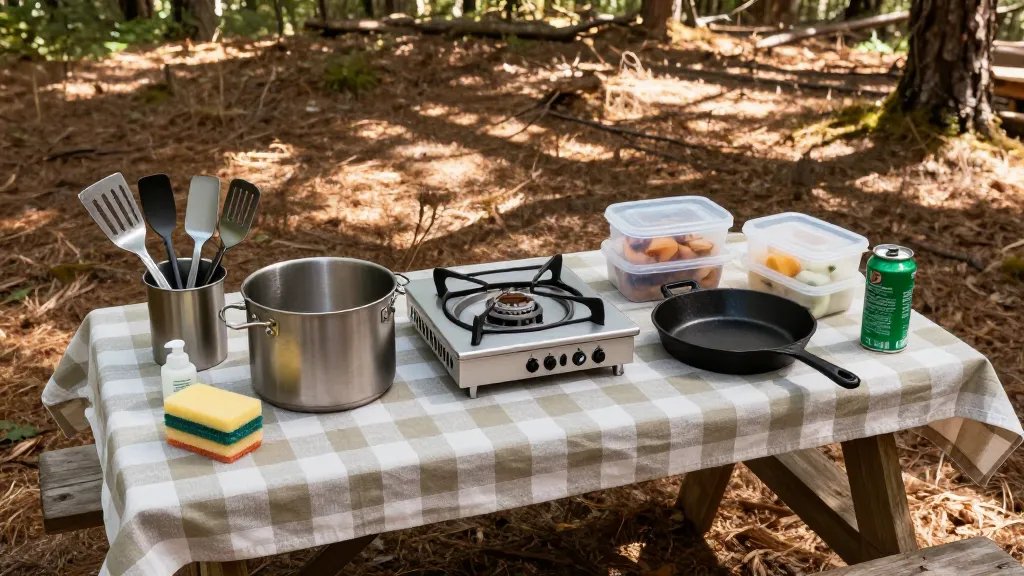
Having amazing food doesn’t mean much if you can’t actually cook or eat it properly. Your camp kitchen gear can make or break the entire experience.
Start with the basics: a reliable stove, cookware, utensils, cleaning supplies, and proper food storage. You don’t need everything from REI’s catalog, but you do need equipment that won’t fail when you’re miles from the nearest restaurant.
Non-Negotiable Kitchen Items:
- Two-burner camp stove with extra fuel
- One large pot and one skillet
- Spatula, large spoon, and sharp knife
- Cutting board (flexible plastic ones pack flat)
- Biodegradable soap and scrub brush
- Paper towels and trash bags
- Lighter or waterproof matches (bring backups!)
- Bear-proof container or hanging system for food storage
IMO, the collapsible dish basin is underrated camping gear. Fill it with hot water from your kettle, add biodegradable soap, and you’ve got a proper washing station. Way better than trying to wash dishes in a cold stream.
Don’t forget a headlamp or lantern for your cooking area. Cooking in the dark is how you end up with undercooked chicken or burnt everything. Plus, good lighting keeps bugs from dive-bombing your food.
Keep your food prep area organized with a folding table if you have the space. Trying to cook on the ground or a uneven picnic table gets old fast. Set up a designated cooking zone away from your sleeping area, especially in bear country.
Bring more trash bags than you think you need. Double-bagging food waste prevents leaks and keeps wildlife from investigating your campsite at 2 AM. Store all scented items – including toothpaste and sunscreen – with your food in proper containers overnight.
The secret to a smooth camp kitchen? Prep your meal kits at home. Measure dry ingredients, pre-chop vegetables, marinate proteins, and pack everything together by meal. You’ll feel like a camping genius when dinner comes together in 15 minutes.
Your camp kitchen deserves the same attention as your tent and sleeping bag. Quality gear and smart organization transform cooking from a frustrating chore into an enjoyable part of the camping experience. Plus, well-fed campers are happy campers, and that’s the whole point, right?
Conclusion
There you have it – everything you need to eat like a champion on your next camping adventure. With smart planning, the right gear, and these tried-and-true strategies, you’ll spend less time stressing about meals and more time enjoying the great outdoors. Now get out there and make some delicious camping memories!
0 Comments