Sick of soggy sandwiches and melted chocolate bars ruining your outdoor adventures? Planning camping lunches doesn’t have to be a nightmare of food safety concerns and disappointing meals. These eight strategies will transform your midday fuel stops into something everyone actually looks forward to eating.
1. Master The Art Of No-Cook Lunch Components
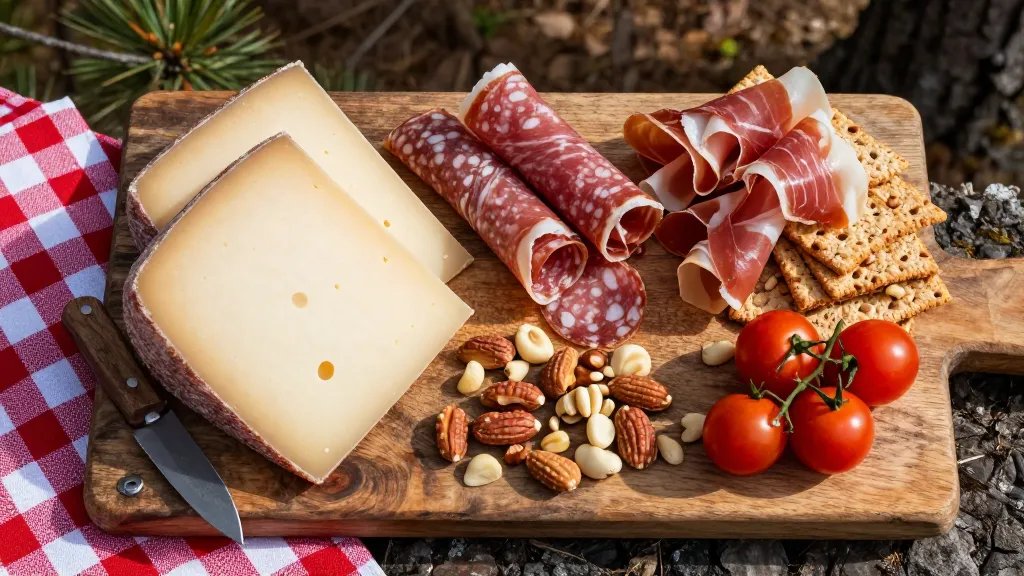
Let’s be real – nobody wants to set up a full cooking station at noon when you’re trying to maximize daylight hours. No-cook lunches are your secret weapon for keeping things simple while still eating well on the trail.
The beauty of no-cook components is that they’re basically foolproof. You can’t burn them, you won’t need to hunt for firewood, and cleanup takes about thirty seconds.
Top No-Cook Staples:
- Hard cheeses that don’t need refrigeration (aged cheddar, parmesan, manchego)
- Cured meats like salami, pepperoni, or summer sausage
- Nut butters in squeezable pouches
- Crackers, tortillas, or sturdy bread
- Pre-cut vegetables like carrots, bell peppers, and celery
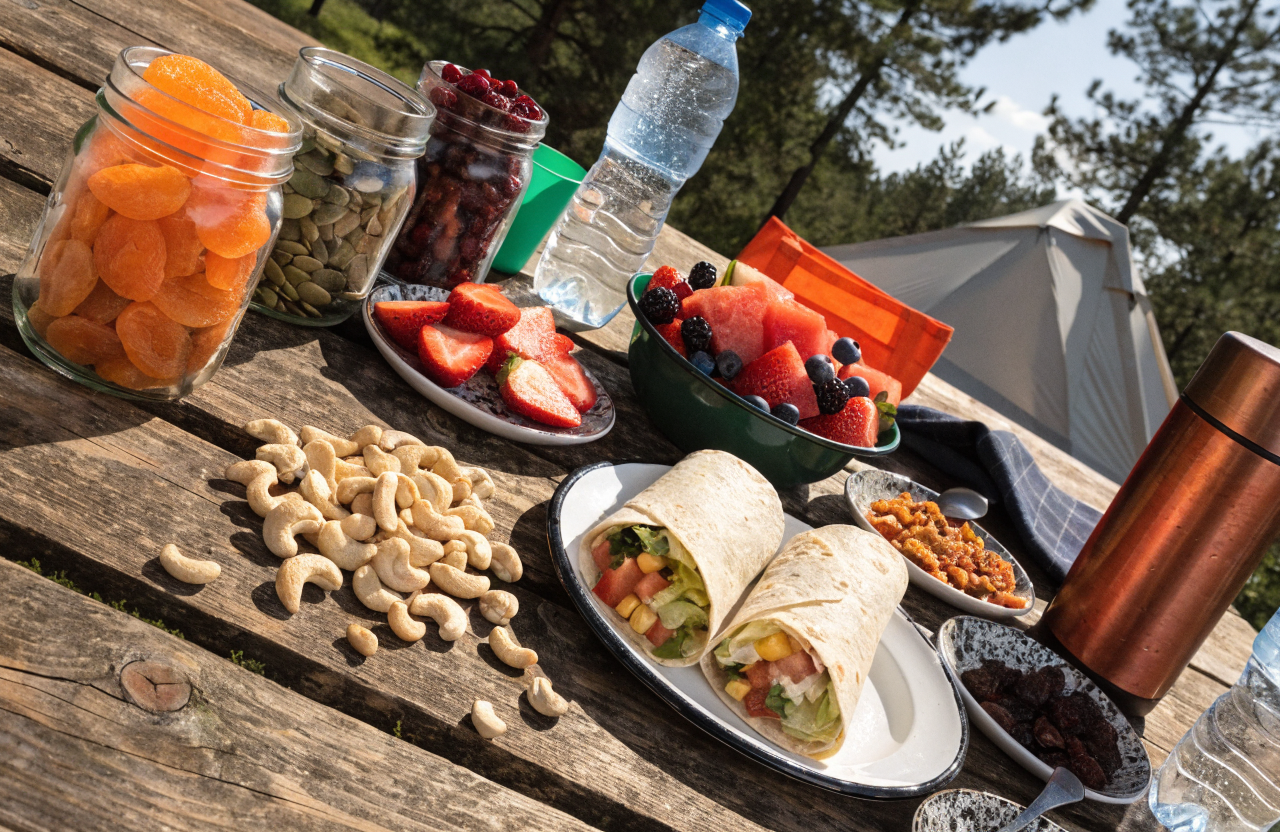
- Trail mix and dried fruits
Pack these items in a waterproof stuff sack and you’ve got instant lunch assembly wherever you stop. Mix and match throughout your trip to keep things from getting boring.
2. Embrace The Wrap Revolution
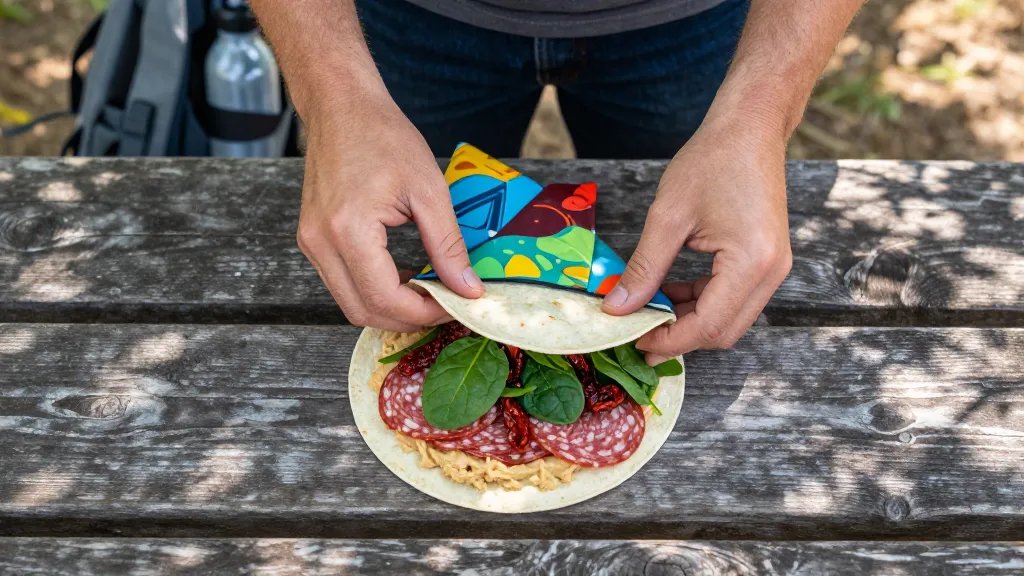
Wraps are the unsung heroes of camping cuisine. They’re lighter than bread, more durable than sandwich bread that turns into compressed mush, and they hold together way better when you’re eating with dirty hands.
Tortillas can handle serious abuse in your pack without falling apart. They also don’t get stale as quickly as sliced bread, which means you can plan a multi-day trip without your lunch turning into cardboard by day three.
Winning Wrap Combinations:
- Hummus, salami, spinach, and sun-dried tomatoes
- Peanut butter, honey, and banana chips
- Tuna packets, mayo packets, and shredded cabbage
- Cream cheese, smoked salmon, and cucumber
Pro tip: bring a variety of tortilla sizes. The small ones work great for snacks, while the burrito-sized versions can handle a serious lunch spread. You can also use them as plates if you’re trying to minimize dishes.
3. Pack Smart With A Lunch-Specific Bag
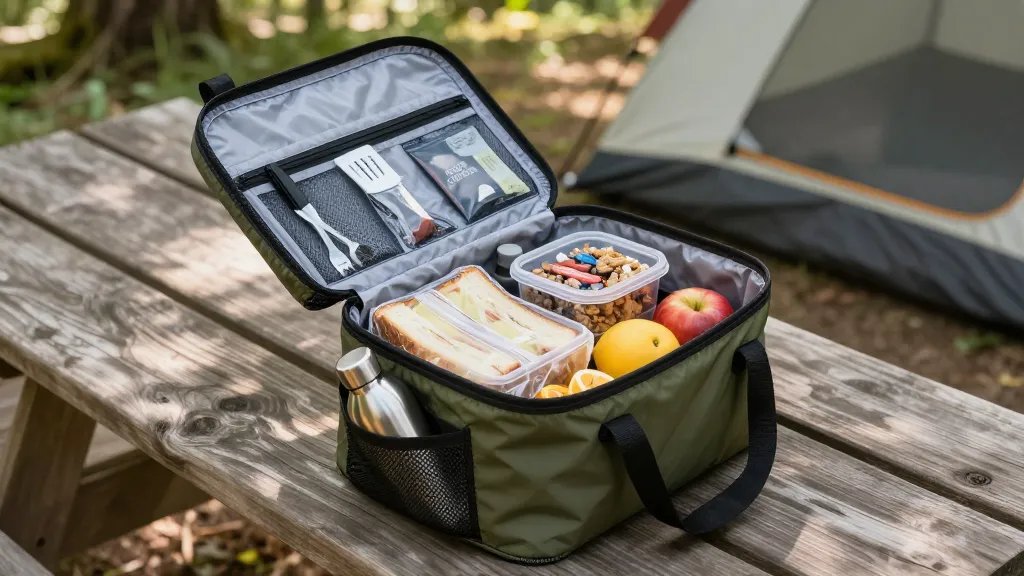
Trust me on this – having a dedicated lunch bag separate from your dinner supplies is a game-changer. You won’t have to dig through your entire food stash every time you want to eat, and you can grab it quickly during short breaks.
Choose a bag that’s easy to access and waterproof. Nothing ruins a lunch faster than discovering your crackers turned into soup because your water bottle leaked overnight.
What Goes In Your Lunch Bag:
- All your midday snacks and meal components
- Condiment packets (mayo, mustard, hot sauce)
- Napkins or a small camp towel
- A pocket knife or multi-tool
- Hand sanitizer (seriously, don’t skip this)
Keep this bag accessible in your pack or even strapped to the outside if you’re day hiking. The goal is convenience – you want eating lunch to feel effortless, not like a scavenger hunt.
4. Plan Around Your Activity Level
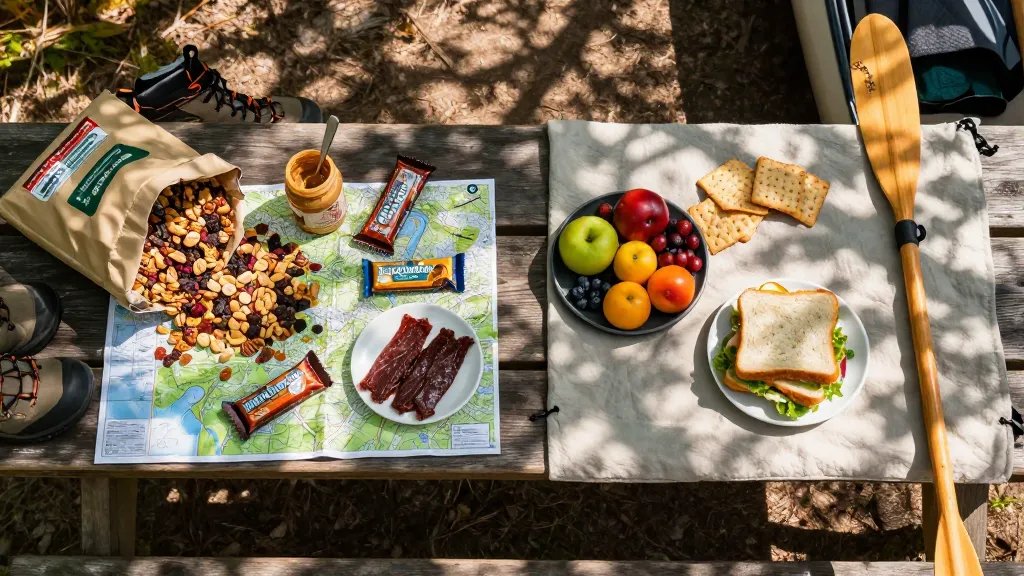
A lazy canoe trip requires different lunch fuel than a ten-mile mountain scramble. Your body burns through calories at wildly different rates depending on what you’re doing, so match your lunch calories to your exertion level.
If you’re tackling serious elevation gain or covering big miles, you need dense calories that deliver sustained energy. Lounging by a lake? You can get away with lighter fare that won’t weigh you down.
High-Energy Days Need:
- Nut butters and nuts (serious calorie density)
- Full-fat cheese and meats
- Energy bars designed for endurance athletes
- Dried fruits for quick sugar hits
Low-Key Days Allow For:
- Fresh fruits and vegetables
- Lighter wraps with more veggies
- Popcorn and pretzels
- Hummus and veggie combos
Don’t make the mistake of under-fueling on big activity days. Bonking on the trail because you only ate crackers for lunch is miserable for everyone in your group.
5. Solve The Temperature Challenge
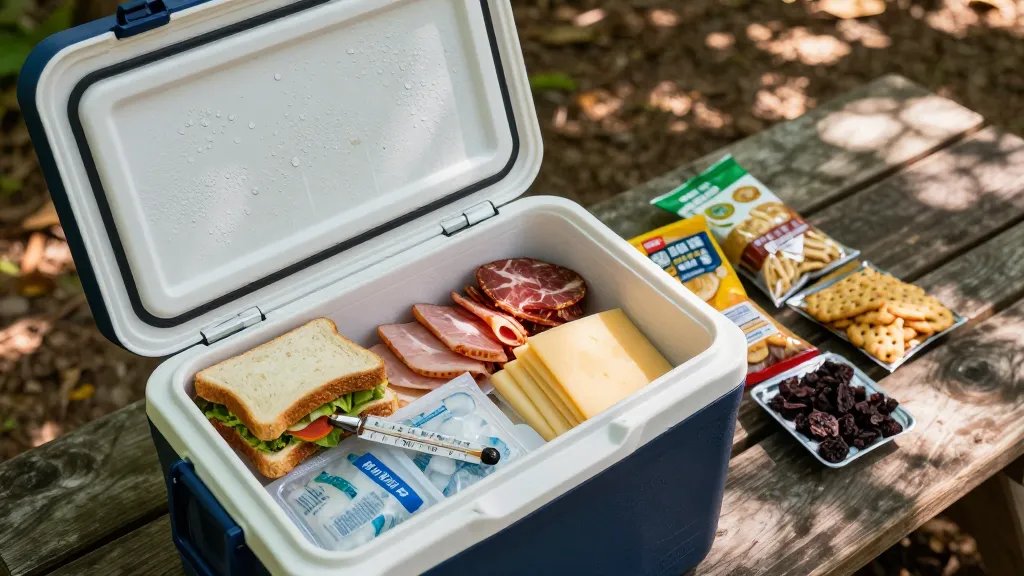
Food safety in the backcountry isn’t just about avoiding a bad time – it can literally ruin your entire trip. But you also don’t want to limit yourself to shelf-stable cardboard just because you’re worried about spoilage.
The key is understanding what foods can handle temperature fluctuations and planning your meals strategically over multiple days. Use your more perishable items first and save the bombproof options for later in your trip.
Day One Lunches Can Include:
- Pre-made sandwiches with deli meat
- Fresh mozzarella and tomatoes
- Leftover pizza from the drive up
- Fresh fruit like apples and oranges
Day Three And Beyond:
- Shelf-stable meats and cheeses
- Nut butter-based meals
- Dehydrated hummus or bean dips
- Dried fruits and vegetables
If you’re car camping with a cooler, you’ve got way more flexibility. Just remember that ice melts faster than you think, especially in warm weather. FYI, frozen water bottles work double duty as ice packs and drinking water.
6. Build A Condiment Kit That Actually Works
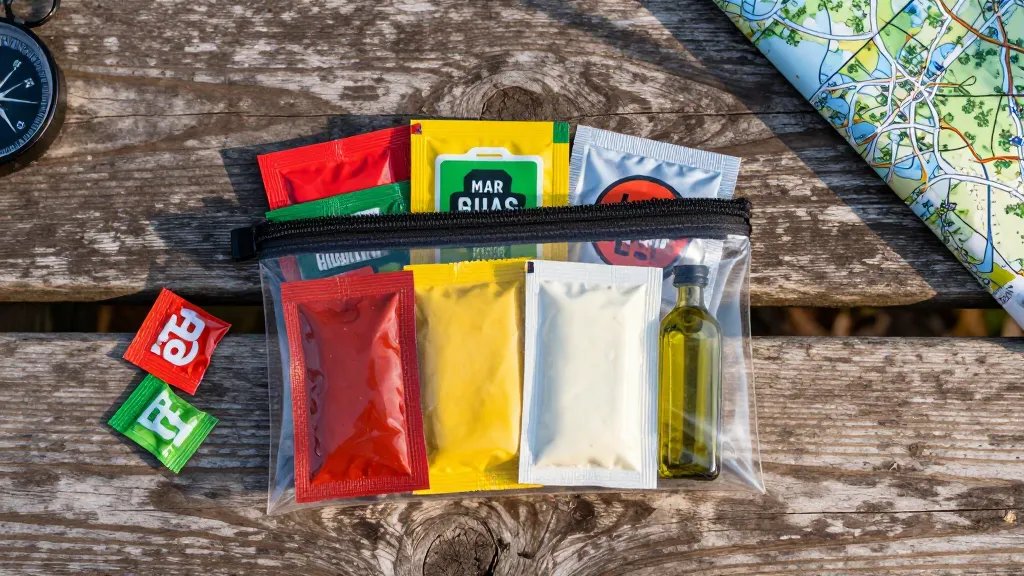
Here’s where most people mess up camping lunches – they forget that flavor matters, even in the wilderness. A squeeze of hot sauce or a smear of mustard can transform boring trail food into something you’re genuinely excited to eat.
Single-serve condiment packets are your best friend here. Raid the takeout drawer at home or grab a handful next time you’re at a fast-food place.
Essential Condiments:
- Hot sauce packets (add to literally anything)
- Mayo and mustard packets
- Olive oil packets for drizzling
- Soy sauce or tamari packets
- Honey packets for sweet options
- Salt and pepper (tiny containers or packets)
Store everything in a small zip-top bag so it doesn’t get scattered throughout your pack. You can also bring small containers of your favorite spreads if you don’t mind the extra weight and washing.
The difference between bland camping food and delicious camping food often comes down to these tiny flavor boosters. Don’t underestimate their power to make lunch something worth looking forward to.
7. Prep Like A Boss Before You Leave Home
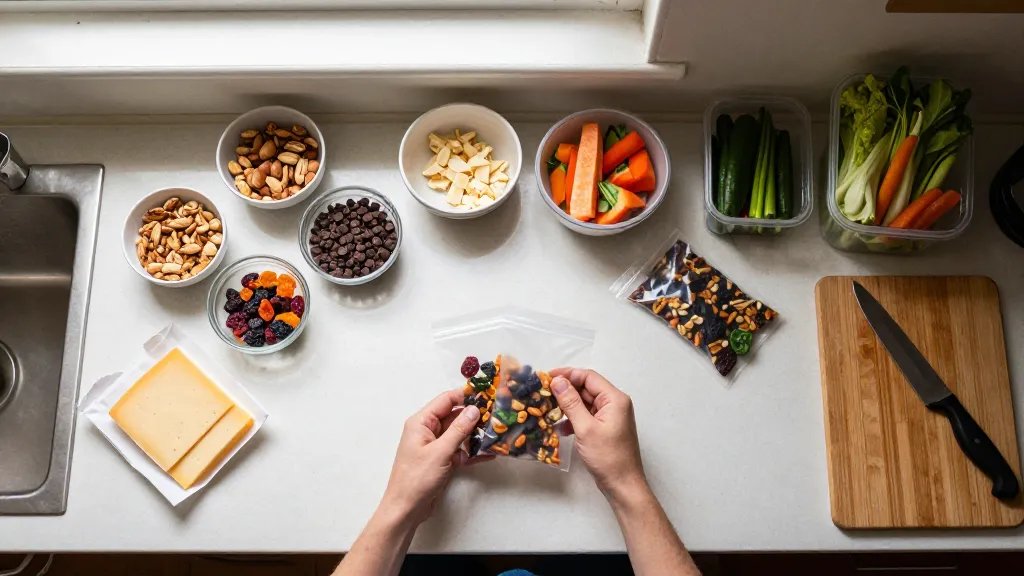
The camping trips where lunch goes smoothly are the ones where you did the work before you left civilization. Pre-portioning and pre-mixing at home means less hassle at camp and fewer dishes to wash in a creek.
Seriously, take an hour before your trip to portion out snacks, mix trail mix combinations, and prep any ingredients that need chopping. Your future self will thank you when you’re not trying to slice cheese with a dull pocket knife on a windy ridgetop.
Smart Prep Tasks:
- Portion trail mix into individual bags (one per person per day)
- Pre-slice cheese and store with parchment paper between slices
- Make your own energy bars and wrap individually
- Dehydrate your own vegetables if you’re feeling ambitious
- Pack individual lunch bags for each day
Label everything clearly with what it is and which day you plan to eat it. This prevents the “wait, what’s in this bag?” confusion that leads to eating tomorrow’s lunch today.
If you’re camping with a group, coordinate who’s bringing what so you don’t end up with seven people who all brought the same crackers and nobody brought protein. A shared spreadsheet works wonders for this.
8. Don’t Forget The Enjoyment Factor
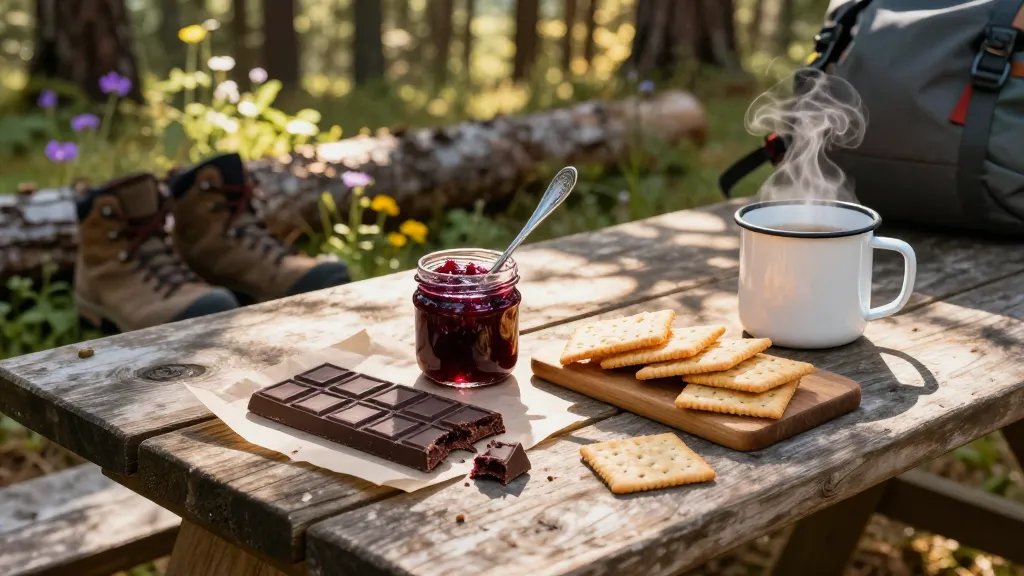
Here’s something people forget when they’re obsessing over calorie counts and weight savings – camping meals should actually taste good. If you’re dreading lunch because everything you packed is boring or gross, you’re doing it wrong.
Pack at least one “luxury item” that’s purely about enjoyment, not optimal nutrition or minimal weight. Maybe it’s your favorite chocolate bar, a small jar of really good jam, or those fancy crackers you love.
Morale-Boosting Additions:
- A small bar of high-quality chocolate
- Your favorite candy (doubles as emergency energy)
- Fancy cheese you’d never buy for regular groceries
- Fresh cookies for the first day
- Special coffee or tea for your lunch break
The weight of a treat is usually minimal, but the psychological boost of having something special to look forward to is massive. Camping is supposed to be fun, not a constant exercise in deprivation.
Also consider the social aspect of lunch. Taking a real break to sit down and eat together, rather than shoving food in your face while hiking, builds group morale and gives everyone a chance to rest.
Pack a small camp chair or sit pad so you can actually relax during lunch instead of perching on an uncomfortable rock. Comfort matters more than you think when it comes to enjoying your meal and recharging for the afternoon ahead.
Conclusion
Planning camping lunches doesn’t have to mean sacrificing flavor or spending hours in the backcountry kitchen. With these eight strategies, you’ll eat better on the trail than most people do at their office desk. Now get out there and enjoy some seriously good outdoor eating!
0 Comments