Ever thought your camping trip could be made better with just a handful of items? After years of backpacking and facing all sorts of weather, I’ve found out what essential camping gear really matters. This isn’t just any camping checklist. It’s a list of must-haves that kept me safe and comfortable on 47 trips.
From picking the right tent poles in Utah’s winds to avoiding scorching heat in the desert, each item has been tested. See how focusing on camping must haves like weatherproof shelters or reliable water filters can make your trip feel more prepared.
Whether you’re going for a weekend in the Smokies or a week in the Rockies, this guide is for you. I’ll share why lightweight tarps are better than bulky gear, how one stove can cook all your meals, and which first aid items are actually used. Ready to skip the guesswork? Let’s start with the basics: shelter and sleep gear.
My Camping Must-Haves for Every Outdoor Adventure
A few years ago, a storm left me cold in a leaky tent. That night taught me a hard lesson: preparation matters. Since then, my camping essentials list has grown through trial and error. It’s now a trusted guide for every trip.
Why I Created This Essential Gear List
After that storm, I promised to build a gear system based on real experiences. My list includes items tested in cold rain, hot deserts, and bug-filled forests. A lightweight tarp saved me during that storm, so it’s now a must-have for my top camping essentials.
How I Prioritize My Camping Equipment
Shelter and safety are my top priorities. The survival rule of threes guides my packing. I focus on shelter (like the MSR Hub tent), water filters (such as the Sawyer Squeeze), and a first-aid kit. These necessary camping items keep me safe before I think about comfort.
The Difference Between Wants and Needs in the Wilderness
A camp chair is nice but not essential. I focus on basics like a sleeping bag for the climate and a reliable headlamp. My gear list balances what’s practical with what’s fun—like my favorite titanium utensil set—that don’t add bulk.
Shelter Essentials: Creating a Home Away From Home
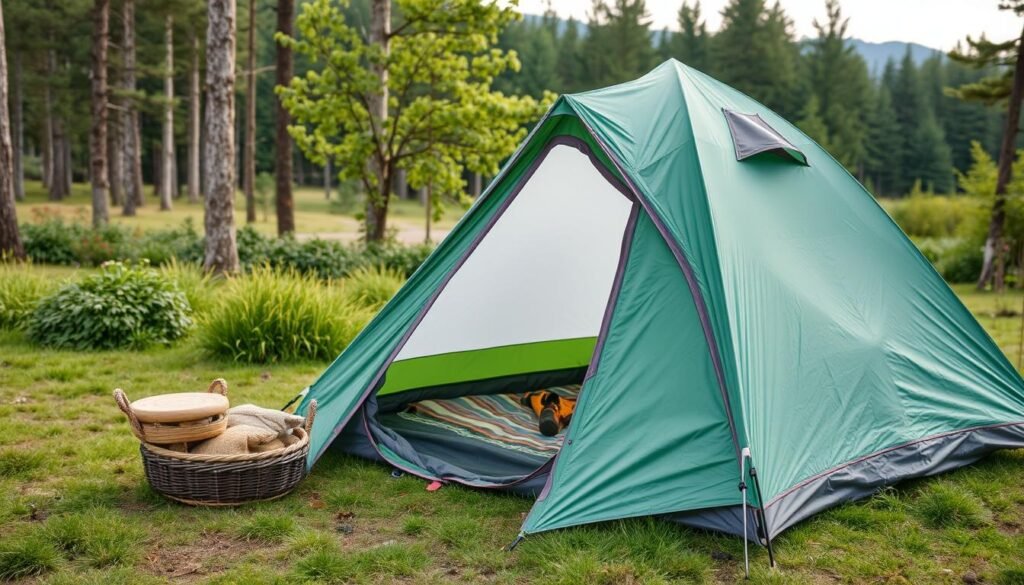
Your shelter is your safety net in the wilderness. Choosing the right camping equipment depends on weather, terrain, and group size. I’ve tested many tents over the years, and here’s what’s key.
Finding the Perfect Tent for Your Camping Style
I look for tents that are both light and strong. For car camping, the MSR Hubba Hubba dome tent is great. For backpacking, the Big Agnes Fly Creek is a top choice. Always check the material—sil-nylon is better than polyester in tough weather.
Ground Protection: Tarps, Footprints and Their Importance
Don’t forget a footprint tarp. It protects the ground from moisture and wear. Brands like Sea to Summit and Hennessy offer durable ones. Add a waterproof floor tarp for the best shelter setup.
Weather-Proofing Your Campsite: Stakes, Guylines, and Rain Flies
Stakes and guylines make your shelter strong against storms. I use Nemo’s RidgeLines for tightness and Eureka! Quantum Link stakes for rocky areas. Rain flies must seal well—during a Colorado storm, I learned to check every seam.
My Sleep System: Ensuring Restful Nights Under the Stars
A good night’s sleep is essential, not a luxury. It’s one of the camping must haves I always bring. Without it, even simple tasks become hard. My sleep system includes three key items that make cold ground feel like a cozy bed.
First, a sleeping pad with the right R-value keeps me warm. I use Therm-a-Rest’s NeoAir series for their warmth, and an added bonus with how easy they are to pack. Next, my sleeping bag or quilt is crucial in for those colder nights. Down is great for summer, but synthetic keeps me warm if it gets wet. Lastly, I use a stuff sack as a pillow to save space.
Choosing the right gear/clothing depends on the weather. In winter, I wear a -20°F bag with a thick foam pad. In summer, I use lighter, breathable fabrics. Once, I made poor choices and had cold nights that ruined a trip. Now, I plan carefully because sleep is key to a good adventure.
These outdoor essentials are more than just comfort—they’re safety tools. A rested mind handles emergencies better. My system has improved over time, but it’s something I never skip. Pack smart, sleep well, and enjoy every sunrise.
Kitchen Setup: Essential Cooking Gear for Campsite Meals
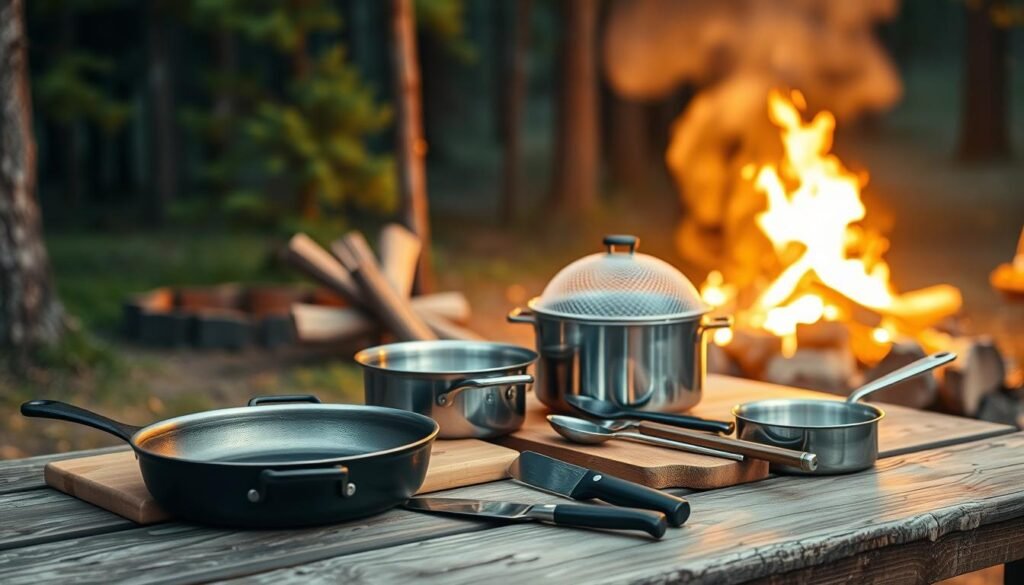
Planning meals on a camping trip starts with the right gear. My camping checklist always includes reliable tools to keep me fueled and safe. I choose trusted brands like JetBoil or MSR for my stove. Canister stoves are best in mild weather, while liquid fuel stoves handle extreme cold.
The best way is to match your stove’s fuel type to your trip’s weather demands. Food safety is a must-have camping supply. Bear canisters and odor-proof bags like Ursack stop wildlife curiosity. I’ve seen campsites destroyed by raccoons because food wasn’t secured. It’s not their fault! Proper storage saves gear and keeps animals wild. Water filtration is non-negotiable. My go-to is a LifeStraw or Katadyn system to purify streams safely.
Collapsible containers from Platypus keep clean water accessible. Never skip filtering—even in remote areas. Lightweight cookware completes the setup. GSI Outdoors mess kits pack tough pots and spatulas. Stainless steel spoons and collapsible bowls save space without sacrificing durability. These items make my top camping essentials list every time.
Safety Equipment That’s Saved Me More Than Enough Times
My camping essentials list always starts with gear that keeps me safe. Over years of exploring backcountry trails, I’ve learned to trust outdoor equipment that turns close calls into stories. Here’s what I never skip:
First Aid Supplies Every Camper Should Carry
A custom first aid kit isn’t just a checklist. Mine includesAdventure Medical Kits’ Essentials Series plus personal meds like antihistamines and blister treatments. When I twisted my ankle on a Rocky Mountain trail, steri-strips and a splint from my kit kept the trip from ending early. Always add items for your specific risks—like snake bite kits if hiking rattle snake country.
Navigation Tools I Never Leave Home Without
Even with a GPS, I rely on necessary camping items like a Suunto compass and a waterproof topographic map. Garmin inReach Mini 2 sits in my pack for emergencies, but knowing how to read both old-school tools and modern tech keeps me oriented. Practice using them before your trip—it could save hours of wandering.
Emergency Communication Devices for Peace of Mind
Satellite messengers like the PLB or Zoleo X have sent rescue teams my way during whiteout conditions. They’re non-negotiable for remote trips. Pair these with a charged phone in a waterproof case. A compact two-way radio system like Garmin’s Rino 765 helps keep groups connected without cell service.
These items aren’t just gear—they’re lifelines. Prioritize them as much as your tent or stove. Safety isn’t optional when the woods go dark.
Clothing and Personal Items for Comfort in Any Weather
Choosing the right camping equipment starts with clothes that change with the weather. My layering system keeps me safe and comfy, whether I’m hiking in rain or sleeping under stars. I wear merino wool base layers from Icebreaker to keep moisture away and stay warm.
Patagonia’s synthetic mid-layers add extra warmth. The North Face’s outer shell keeps wind and rain out without being too heavy. These layers are more than just clothes—they’re the best camping gear that keeps me comfortable from cold and heat.
Footwear is a must. Waterproof boots from Merrell or Salomon keep my feet dry on wet trails. I pair them with Darn Tough socks to avoid blisters. Even small items like lip balm with SPF 50+ or quick-dry towels are important.
Sunscreen, hats, and sunglasses are no brainers to protect my skin from the sun. Insect repellent with DEET and a compact first-aid kit are also key.
Hygiene supplies like biodegradable soap and a portable towel keep me clean and eco-friendly. Every item has a purpose: wool socks save trips, sun protection avoids burns, and layered clothes adjust to weather changes. When packing, I focus on gear that’s both protective and comfortable. The right clothes aren’t just about style—they’re essential for survival in unpredictable weather.
Tools and Multi-Purpose Gear to Solve Campsite Problems
The Perfect Camping Knife: Features I Look For
A sturdy knife is my first line of defense. I look for blades with serrated edges for cutting rope or food. Full-tang handles are also key for grip. A good knife can serve multiple purposes, from preparing meals to making kindling for a fire. It’s a tool that can make or break your camping experience, providing the confidence to tackle unexpected challenges.
Brands like Gerber and Leatherman offer knives that handle everything from tent patching to meal prep. A 4-inch blade is the perfect size—powerful yet portable. Additionally, models from Benchmade and Spyderco are known for their durability and precision, ensuring that you have the right tool for any task that arises during your outdoor adventures.
Illumination Options: Headlamps, Lanterns, and Backup Lighting
Darkness can catch you off guard. My top camping essentials include a headlamp with red-light mode for night vision, which is crucial for preserving your night vision while navigating the campsite. A rechargeable lantern is great for group setups, providing ample light for cooking and socializing around the fire.
Brands like Black Diamond and Petzl provide models bright enough to light a cooking area or signal for help. Their durable designs ensure they withstand the rigors of outdoor use. Always pack extra batteries—trust me, you’ll need them. Having a backup source of light, like glow sticks or a compact flashlight, can also be a lifesaver in unexpected situations.
Repair Kits That Have Saved My Trips
My repair kits are packed with duct tape, silicone patches, and cordage. Gear Aid’s Freeze-Dry Patch Kit fixed a torn tent floor during a rainstorm. For stoves, I carry spare O-rings and fuel lines. In addition to these essentials, I also include a small sewing kit for fabric repairs and a multi-tool for any unexpected hardware issues that might arise. Having these items on hand has saved me from some potentially disastrous situations, like when a friend accidentally punctured the air mattress—quick stitches with a needle and thread kept the trip on track.
Broken gear isn’t a reason to cut trips short. These kits prove that essential camping gear isn’t just for starting adventures—it keeps them going. I’ve learned the hard way that being prepared can mean the difference between a fun adventure and a frustrating experience. For instance, a simple repair to a backpack strap can make all the difference in comfort during a long hike. It’s always wise to think ahead and anticipate potential issues before they arise, ensuring that every trip is memorable for the right reasons.
To Conclude…
Packing for a campout isn’t about carrying every item. It’s about choosing gear that works hardest. My must-have camping supplies start with shelter: a tent, a sleeping bag, and a tarp.
Over years of trips, I’ve learned to pick items that do more than one thing. A multi-tool or a lightweight stove are great examples. Safety is always first on my list: a first aid kit, headlamp, and whistle are must-haves.
Outdoor essentials like compact food storage and quick-dry clothing are key. I ask myself if an item keeps me safe, dry, or fed. If not, it stays home. Sharing your favorite gear helps others build their lists.
Leave a comment with your go-to camping item. It might become someone else’s favorite. Adventure smart, stay light, and let your gear choices keep you ready for anything.
0 Comments