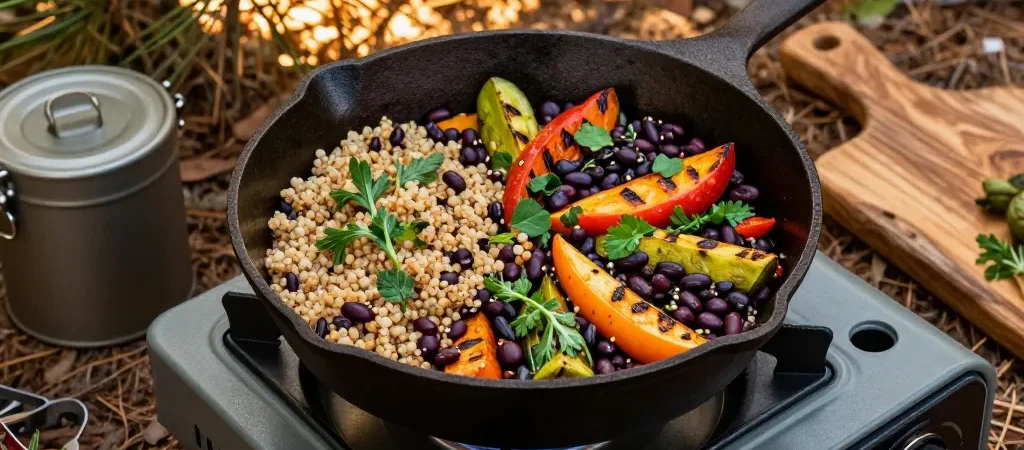
You know that sinking feeling when you’re setting up camp and realize your vegetarian meal options consist of… trail mix and sadness? Yeah, let’s fix that. Vegetarian camping meals don’t have to be boring, repetitive, or leave you dreaming about the nearest pizza joint. Whether you’re a lifelong vegetarian or just trying to eat less meat on the trail, you’re about to discover that plant-based camping food can be ridiculously delicious.
Why Vegetarian Camping Meals Actually Make More Sense
Here’s something nobody talks about enough: vegetarian camping meals are often easier to manage than their meaty counterparts. You don’t have to stress about keeping raw chicken at safe temperatures or worry about cross-contamination on your single camping cutting board.
Plant-based proteins like beans, lentils, and quinoa are shelf-stable superstars. They’re lightweight, pack efficiently, and won’t spoil if your cooler ice melts faster than expected. Plus, they’re usually cheaper, which means more money for that fancy camping chair you’ve been eyeing.
The environmental angle matters too. Camping is all about connecting with nature, right? Vegetarian camping meals typically have a smaller carbon footprint and require less water to produce. You’re literally eating in harmony with the surroundings you came to enjoy.
Essential Ingredients to Pack for Vegetarian Camping Meals
Let’s talk pantry staples that’ll transform your camping kitchen from “meh” to magnificent. The secret to great vegetarian camping meals is bringing versatile ingredients that work across multiple dishes.
Protein Powerhouses
Canned beans are your best friend out there. Black beans, chickpeas, and refried beans require zero prep and add substance to literally everything. Crack open a can, heat it up, and you’re halfway to a real meal.
Instant lentils and quinoa cook fast and pack serious protein. Unlike regular lentils that take forever, the instant varieties are ready in 10 minutes or less. Your camping stove (and your hungry hiking buddies) will thank you.
Don’t sleep on nut butters either. Peanut butter, almond butter, or sunflower seed butter provide protein, healthy fats, and incredible versatility. Spread them on anything, stir them into oatmeal, or eat them straight from the jar at 2 AM when the munchies hit.
Flavor Makers
Spices are compact miracle workers. A small container of everything bagel seasoning, taco seasoning, Italian herbs, or curry powder can completely transform basic ingredients. They weigh nothing and take up minimal space.
Pack hot sauce, soy sauce, and olive oil in small bottles. These three condiments can rescue even the blandest vegetarian camping meals. FYI, those little packets from takeout restaurants are perfect for camping portion sizes.
Quick-Cooking Carbs
Instant rice and couscous are game-changers. They rehydrate in minutes with just boiling water. Pasta cooks quickly too, but opt for smaller shapes like orzo or ditalini that cook faster and pack easier.
Tortillas are the Swiss Army knife of camping food. They don’t need refrigeration, serve as plates in a pinch, and turn any combination of ingredients into a legitimate meal.
Make-Ahead Vegetarian Camping Meals That Save Your Sanity
Want to know the real secret to stress-free camping? Do half the work at home. These make-ahead vegetarian camping meals let you actually relax at the campsite instead of playing wilderness chef for hours.
Pre-made veggie burger patties freeze beautifully and thaw during your drive to camp. Shape them at home, freeze them flat with parchment paper between layers, and they’re grill-ready when you arrive. Mix black beans, breadcrumbs, spices, and an egg (or flax egg) for patties that actually hold together over campfire heat.
Chop all your vegetables before leaving home. Store them in containers or bags, labeled for specific meals. Future you will absolutely love past you for this move. No one wants to dice onions on a wobbly camp table while fighting off mosquitoes.
Prepare breakfast burritos and wrap them individually in foil. Fill tortillas with scrambled eggs, cheese, beans, and veggies, then freeze them solid. They’ll thaw overnight and heat perfectly over morning campfire coals. These vegetarian camping meals require literally zero morning brain power.
Mix up your own trail mix combinations and portion them into bags. Throw in nuts, dried fruit, chocolate chips, coconut flakes, and pretzels. It’s cheaper than store-bought and you control exactly what goes in.
One-Pot Vegetarian Camping Meals for Minimal Cleanup
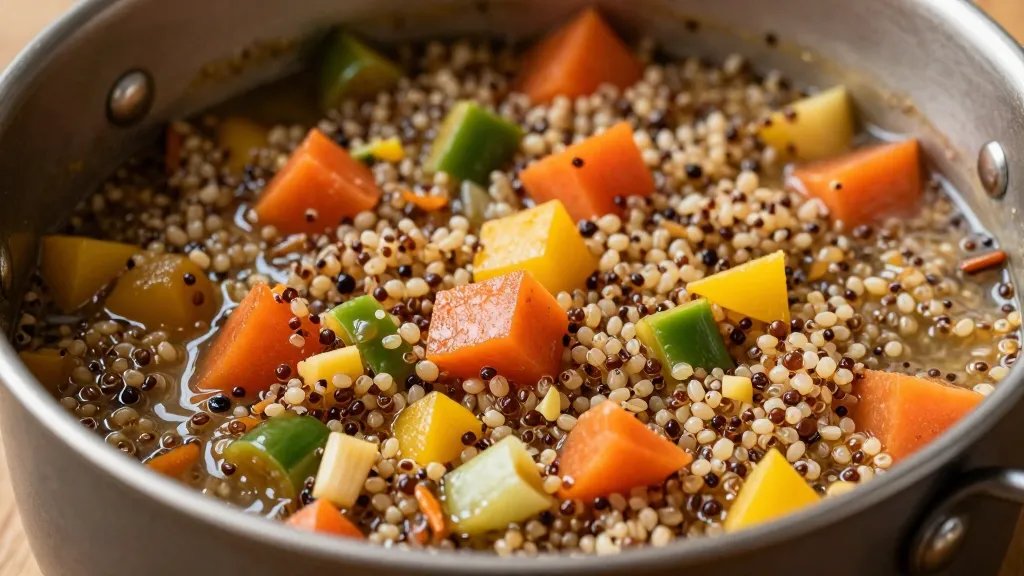
The fewer dishes you create, the better your camping experience. These one-pot vegetarian camping meals deliver maximum flavor with minimum cleanup hassle.
Campfire Chili
Sauté onions and peppers in your pot, dump in canned tomatoes, beans (multiple varieties add texture), corn, and chili seasoning. Let it simmer while you set up your tent or tell terrible dad jokes. Top with cheese, sour cream, and crushed tortilla chips. Boom—dinner’s done.
Coconut Curry Noodles
This sounds fancy but takes about 15 minutes. Cook ramen or rice noodles, drain, then add coconut milk, curry paste, whatever vegetables you have, and some peanut butter for richness. The combination creates restaurant-quality vegetarian camping meals that’ll make your neighbors jealous.
Loaded Camping Nachos
Layer tortilla chips in a cast-iron skillet or disposable aluminum pan. Add beans, cheese, jalapeños, and any other toppings you want. Cover with foil and place near campfire coals (not directly on flames) until the cheese melts. It’s less a recipe and more a delicious accident waiting to happen.
Quinoa Veggie Bowl
Cook quinoa in vegetable broth for extra flavor. Stir in canned chickpeas, diced tomatoes, cucumber, feta cheese, and olive oil. Season with lemon juice and herbs. This works hot or cold, which means it’s perfect for lazy lunch days.
No-Cook Vegetarian Camping Meals for Lazy Days
Sometimes you’re too tired, too sunburned, or too relaxed to cook. These no-cook vegetarian camping meals require zero fire-building skills.
Hummus wraps come together in seconds. Spread hummus on a tortilla, add pre-cut veggies, cheese, and anything else that sounds good. Roll it up and call it lunch. You can prep five different variations and never get bored.
Peanut butter banana boats sound ridiculous but taste amazing. Slice a banana lengthwise (keep the peel on), spread peanut butter in the gap, add chocolate chips and mini marshmallows, wrap in foil, and let the sun warm it up. Okay, you could also put it near the fire, but technically you don’t have to.
Caprese sandwiches work great if you have a cooler. Fresh mozzarella, tomatoes, basil, balsamic vinegar, and good bread create vegetarian camping meals that feel sophisticated even when you’re wearing the same socks for the third day.
Build your own snack boxes with crackers, cheese, nuts, dried fruit, and vegetables. It’s basically adult Lunchables and absolutely counts as a meal when you’re camping. No judgment here.
Breakfast Vegetarian Camping Meals to Start Your Day Right
Breakfast might be the most important meal, but it doesn’t have to be complicated. These vegetarian camping meals get you fueled without requiring your full cognitive function at 7 AM.
Overnight oats are clutch. Before bed, mix oats with milk (or non-dairy milk), chia seeds, and your favorite add-ins in a sealed container. In the morning, you have breakfast waiting. Add fresh fruit, nuts, or maple syrup and enjoy cold or heat it up.
Campfire breakfast hash uses diced potatoes, bell peppers, onions, and whatever else you want. Cook everything in a cast-iron skillet with oil and seasonings. Top with fried or scrambled eggs if you brought them, or skip the eggs and add extra beans for protein.
Pancakes from a mix aren’t cheating—they’re smart planning. Bring a “just add water” mix, cook them on a griddle or skillet, and top with whatever you have. Peanut butter and banana? Perfect. Maple syrup and berries? Excellent. Just butter? Sometimes simple wins.
Yogurt parfaits layer yogurt with granola and fruit. Use those individual yogurt cups for easy packing. IMO, this is the perfect breakfast for hot mornings when you don’t want to stand near a fire.
Campfire Cooking Tips for Better Vegetarian Camping Meals
Cooking over a campfire requires different techniques than your home kitchen. These tips will upgrade your vegetarian camping meals from edible to incredible.
Let your fire burn down to hot coals before cooking. Flames look cool but provide inconsistent heat that burns food on the outside while leaving it raw inside. Coals give you steady, even heat that actually cooks things properly.
Bring a grill grate if your campsite doesn’t have one. A small portable grate opens up grilling possibilities and keeps your pots stable. You can cook vegetables directly on the grate for amazing smoky flavor.
Wrap foods in foil packets for foolproof cooking. Layer vegetables, seasonings, and a little oil in heavy-duty foil, seal tightly, and place in the coals. Everything steams together perfectly, and you throw away the foil instead of scrubbing a pan.
Keep a spray bottle of water nearby for flare-ups. Vegetable oils can drip and cause flames. A quick spritz controls the fire without drowning everything.
Use a lid whenever possible. Covering your pot or pan traps heat and speeds up cooking times. This saves fuel, which matters when you’re using camp stoves with limited gas.
Frequently Asked Questions
How do I keep vegetarian camping meals interesting for multiple days?
Variety comes from mixing up your preparation methods and seasonings, not necessarily different ingredients. Use the same beans in tacos one night, curry the next night, and a cold salad the third day. Pack several different spice blends and hot sauces—they take up almost no space but completely transform flavors. Also, texture matters. Combine crunchy, creamy, and chewy elements in each meal to keep your palate engaged.
What’s the best way to pack vegetables for camping without them getting gross?
Hardy vegetables like bell peppers, carrots, onions, and cabbage handle camping conditions beautifully and last several days without refrigeration. Store them in breathable bags, not sealed plastic that traps moisture. Keep delicate items like tomatoes and leafy greens in a cooler if possible, or plan to use them on day one. Pre-cutting vegetables at home and storing them in containers with paper towels to absorb excess moisture extends their life significantly.
Can I make vegetarian camping meals without a cooler?
Absolutely. Focus on shelf-stable proteins like canned beans, lentils, nut butters, and quinoa. Bring vegetables that don’t require refrigeration. Use powdered eggs or skip eggs entirely. Grab shelf-stable tofu in aseptic packaging—it doesn’t need refrigeration until opened. Many delicious vegetarian camping meals rely entirely on pantry ingredients, which actually simplifies packing and eliminates cooler management stress.
How do I get enough protein in vegetarian camping meals?
This is easier than people think. Beans, lentils, and quinoa pack serious protein. A half-cup of black beans contains about 8 grams of protein. Nut butters add another 7-8 grams per serving. Cheese, eggs, and yogurt contribute even more if you’re eating dairy. Combine different protein sources throughout the day—peanut butter at breakfast, bean-based lunch, lentil dinner—and you’ll easily meet your needs. The variety also provides complete amino acid profiles.
What vegetarian camping meals work best for backpacking versus car camping?
Car camping lets you bring heavier items like canned goods, cast-iron cookware, and fresh produce. You can pack a cooler and get fancy with your cooking. Backpacking demands lightweight, compact options. Dehydrated meals, instant grains, nut butters, and dried fruits become your staples. For backpacking vegetarian camping meals, look for calorie-dense foods that rehydrate with just boiling water. Many car camping recipes adapt to backpacking if you swap canned ingredients for dried versions.
How can I make vegetarian camping meals appeal to non-vegetarians in my group?
Load up on bold flavors and satisfying textures. People don’t miss meat when they’re eating something genuinely delicious and filling. Make hearty chilis with multiple bean varieties, create loaded nachos with all the toppings, or build breakfast burritos stuffed with eggs, cheese, potatoes, and beans. Let people customize their meals with various toppings and sauces. Most non-vegetarians won’t even notice the absence of meat when the food tastes amazing and fills them up.
Conclusion
Vegetarian camping meals open up a world of possibilities that are easier to pack, simpler to cook, and kinder to both your wallet and the environment. You don’t need meat to eat well in the outdoors—you just need smart planning and good ingredients. Whether you’re whipping up one-pot wonders over the campfire or enjoying no-cook wraps on a lazy afternoon, plant-based camping food delivers satisfaction without the fuss. Pack your spices, embrace the beans, and get ready to eat better than your meat-eating neighbors. Your next camping trip just got a whole lot tastier.