Look, camping doesn’t have to mean sacrificing comfort or safety just because you’re trading your cozy bed for a sleeping bag. These five essentials will transform your outdoor experience from “why did I agree to this?” to “when can we do this again?” Whether you’re a first-timer or a seasoned trail veteran, these items deserve a permanent spot in your pack.
1. A Quality Pee Funnel That Actually Works
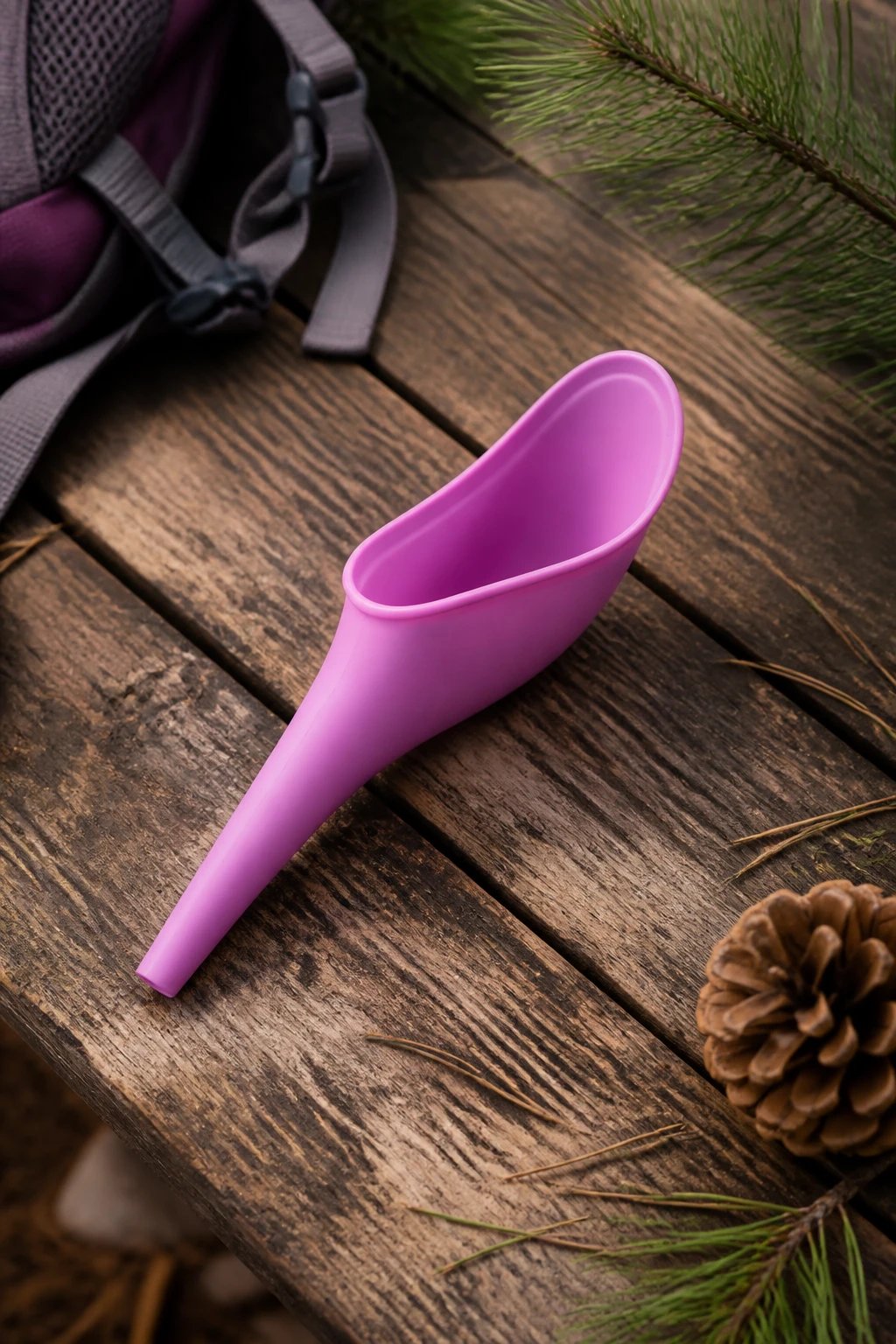
Let’s get real for a second. Squatting in the woods at 2 AM while mosquitoes treat your backside like an all-you-can-eat buffet is nobody’s idea of fun. A portable urination device changes the game completely, and honestly, it’s wild that more women don’t talk about this.
These little silicone or paper funnels let you pee standing up, which means you can actually use those gross pit toilets without doing gymnastics or risking a very unfortunate encounter with poison ivy. Trust me, once you’ve used one during a rainstorm at midnight, you’ll wonder how you ever camped without it.
What to Look For:
- Reusable silicone options that pack flat and come with a carry case
- Disposable paper versions for ultra-light backpacking
- Extended spout length to keep your boots dry
- Easy-to-clean materials that won’t harbor bacteria
Practice at home first (seriously, in the shower is your friend here). The learning curve is minimal, but you don’t want your first attempt to be in the dark with a full bladder and questionable balance.
This single item eliminates so much anxiety around bathroom situations in the wilderness. You’ll stay cleaner, drier, and way more comfortable throughout your entire trip.
2. A Headlamp With Multiple Light Settings
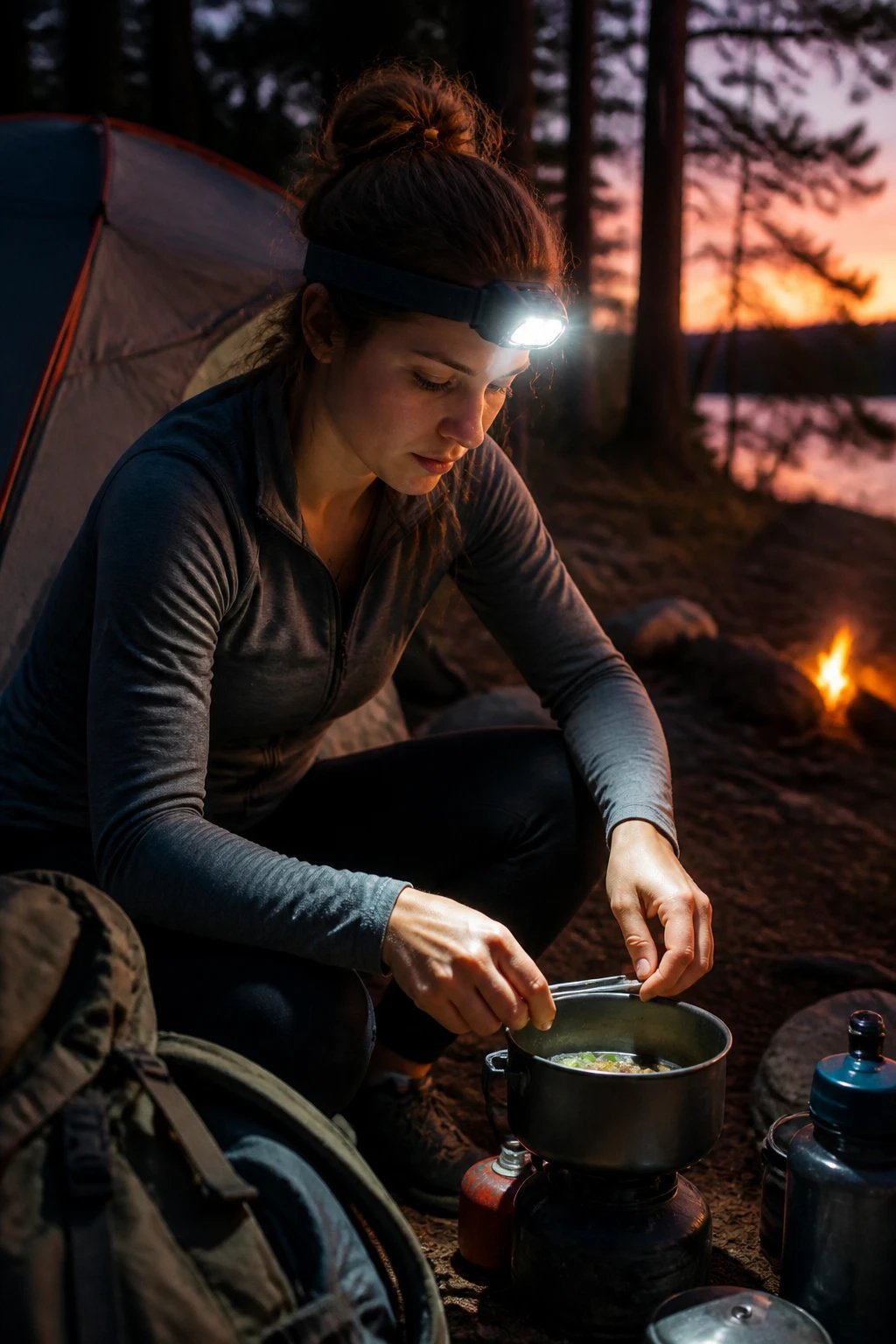
Forget fumbling with your phone flashlight while trying to find your toothbrush in the dark. A good LED headlamp keeps your hands free for actually doing things, which turns out to be pretty important when you’re trying to cook dinner, set up a tent, or navigate to the bathroom.
The key here is getting one with multiple brightness settings and ideally a red light mode. Red light preserves your night vision and doesn’t attract every bug within a three-mile radius like white light does. Plus, your camping buddies won’t hate you when you accidentally blind them during late-night conversations.
Must-Have Features:
- At least 200 lumens for the brightest setting
- Red light option for night vision preservation
- Adjustable tilt so you can aim the beam where you need it
- Water-resistant rating (IPX4 minimum)
- Rechargeable battery or long battery life with easy replacements
Look for something lightweight but durable. You’re going to wear this thing for hours, possibly days, so comfort matters. An adjustable strap that fits over a beanie or baseball cap makes all the difference when temperatures drop.
The freedom of having both hands available while maintaining perfect lighting cannot be overstated. Cooking, reading, rummaging through your pack—everything becomes easier when you’re not trying to hold a flashlight between your teeth.
3. Moisture-Wicking Base Layers That Keep You Comfortable
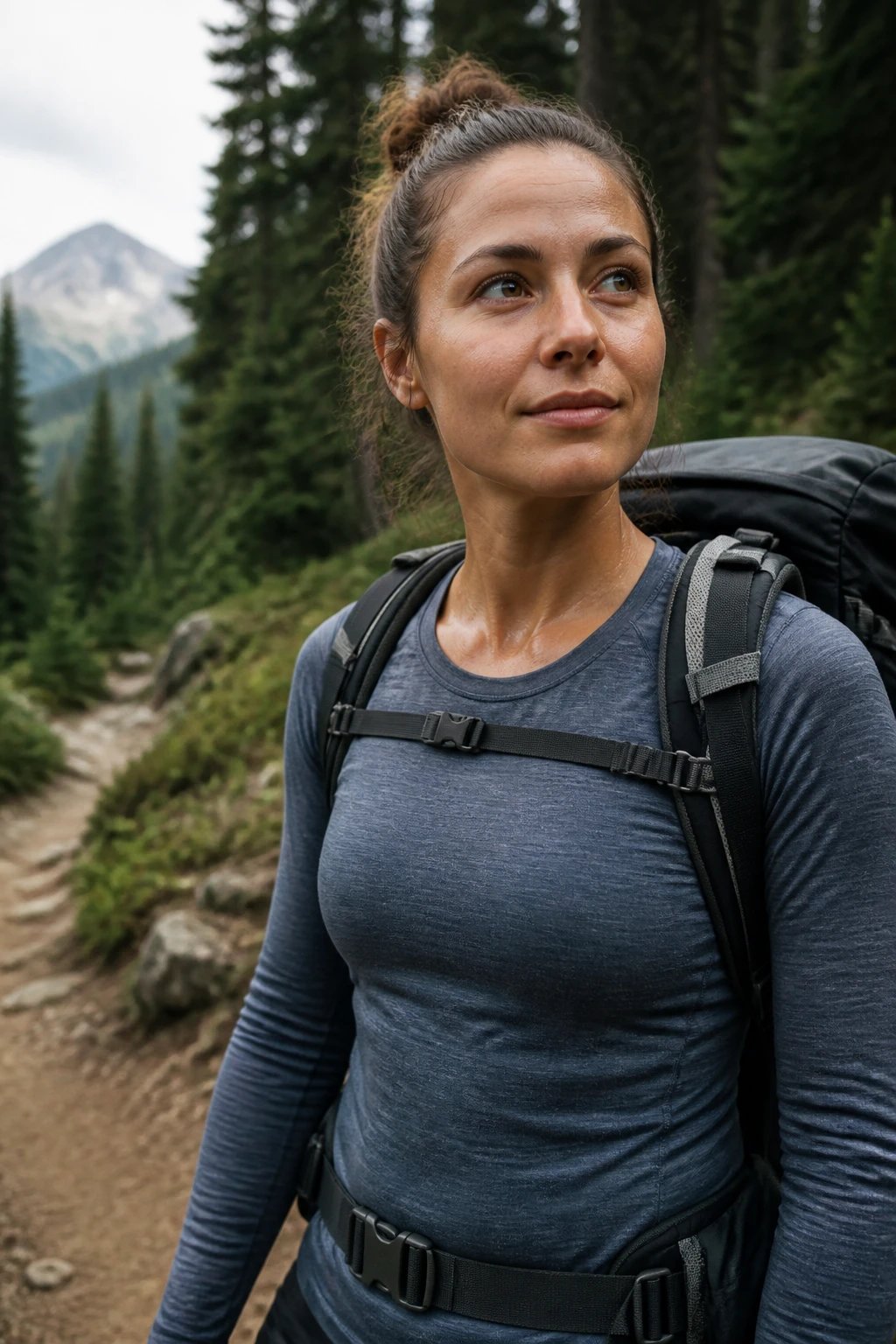
Cotton kills. Seriously, this is basically camping rule number one, yet people still show up to the trailhead in cotton everything. Synthetic or merino wool base layers keep you warm when it’s cold and cool when it’s hot, plus they actually dry instead of staying damp and miserable against your skin.
The right base layer system regulates your body temperature so you’re not constantly stripping off layers or piling them back on. This matters way more than you think, especially if you’re hiking to your campsite or dealing with unpredictable weather.
Layering Strategy:
- Bottom layer: Moisture-wicking underwear and sports bra
- Mid layer: Long-sleeve merino top and leggings
- Insulation layer: Fleece or down jacket
- Shell layer: Waterproof, breathable rain jacket
Merino wool is magic because it naturally resists odors, meaning you can wear the same base layer for multiple days without smelling like a gym locker. Synthetic fabrics dry faster but can get funky quicker—pick your priority.
Invest in pieces that fit well without being too tight or too loose. You want full range of motion for hiking, bending, and moving around camp. Flatlock seams prevent chafing during long days on the trail.
Temperature regulation affects everything from your sleep quality to your energy levels. Getting this right means you’ll actually enjoy your time outdoors instead of counting the hours until you can go home.
4. A Compact First Aid Kit Customized for Your Needs
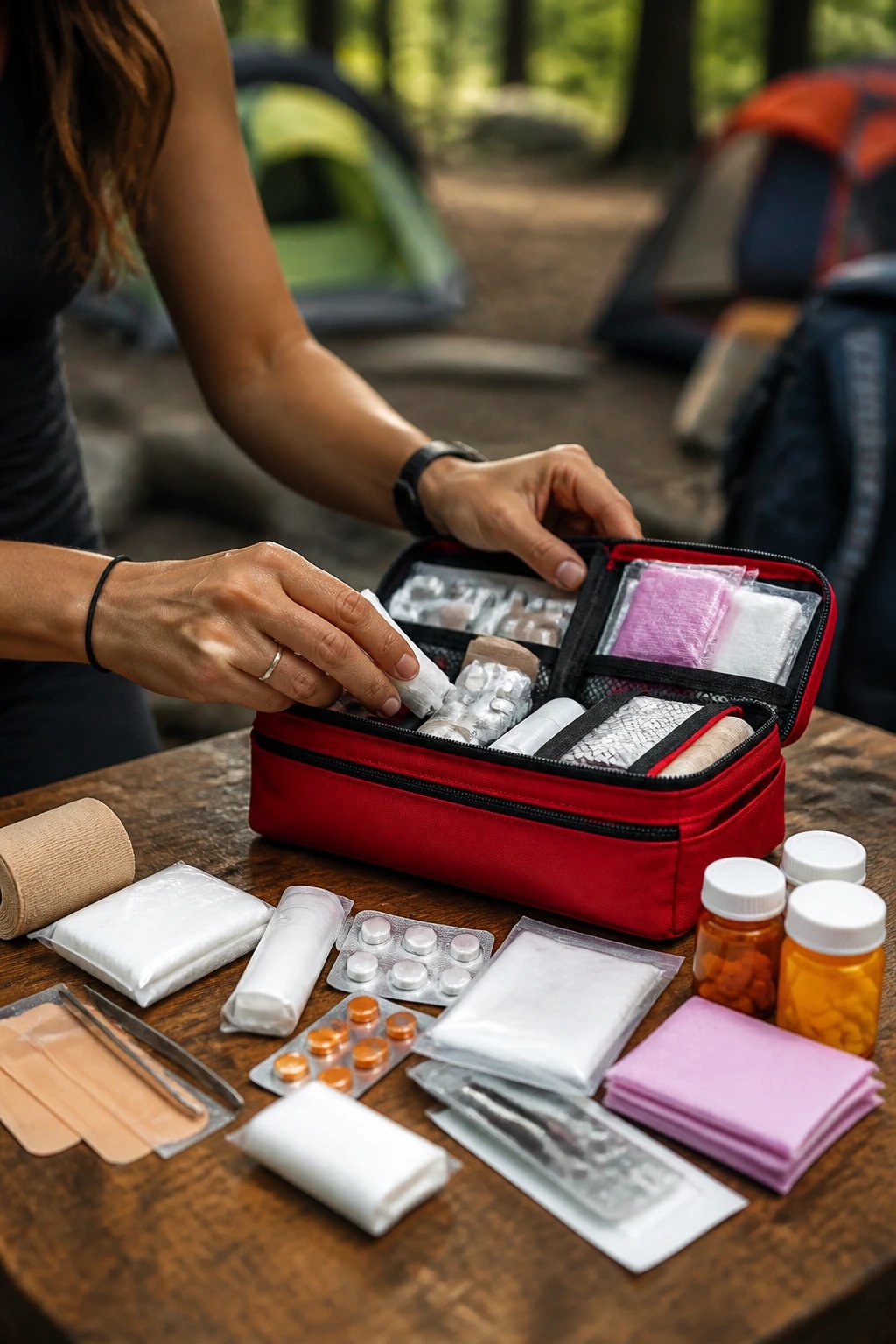
Those pre-made first aid kits are fine as a starting point, but they’re rarely customized for what women actually need in the backcountry. Building your own personalized first aid kit ensures you have everything from blister treatment to menstrual products to any prescription medications you can’t skip.
Blisters, headaches, cuts, stomach issues—minor problems become major when you’re miles from the nearest pharmacy. Having the right supplies means small issues stay small instead of ruining your entire trip.
Essential Additions:
- Blister prevention: Moleskin, athletic tape, anti-chafe balm
- Pain relief: Ibuprofen, acetaminophen, antihistamines
- Wound care: Various bandage sizes, antibiotic ointment, gauze
- Menstrual products: Tampons, pads, menstrual cup, or period underwear
- Personal medications: Birth control, allergy meds, any prescriptions
- Extras: Tweezers, safety pins, nail clippers, medical tape
Store everything in a waterproof bag or container. Label medications clearly and check expiration dates before each trip. Include a small notecard with emergency contact information and any relevant medical conditions or allergies.
FYI, menstrual products deserve special mention here. Bring more than you think you’ll need—stress and physical activity can affect your cycle. Plus, you might encounter another camper who needs supplies and forgot theirs.
Being prepared for medical situations, however minor, gives you confidence and peace of mind. You’re not worrying about “what if” scenarios because you’ve already handled them.
5. A Multi-Functional Camping Knife or Multi-Tool
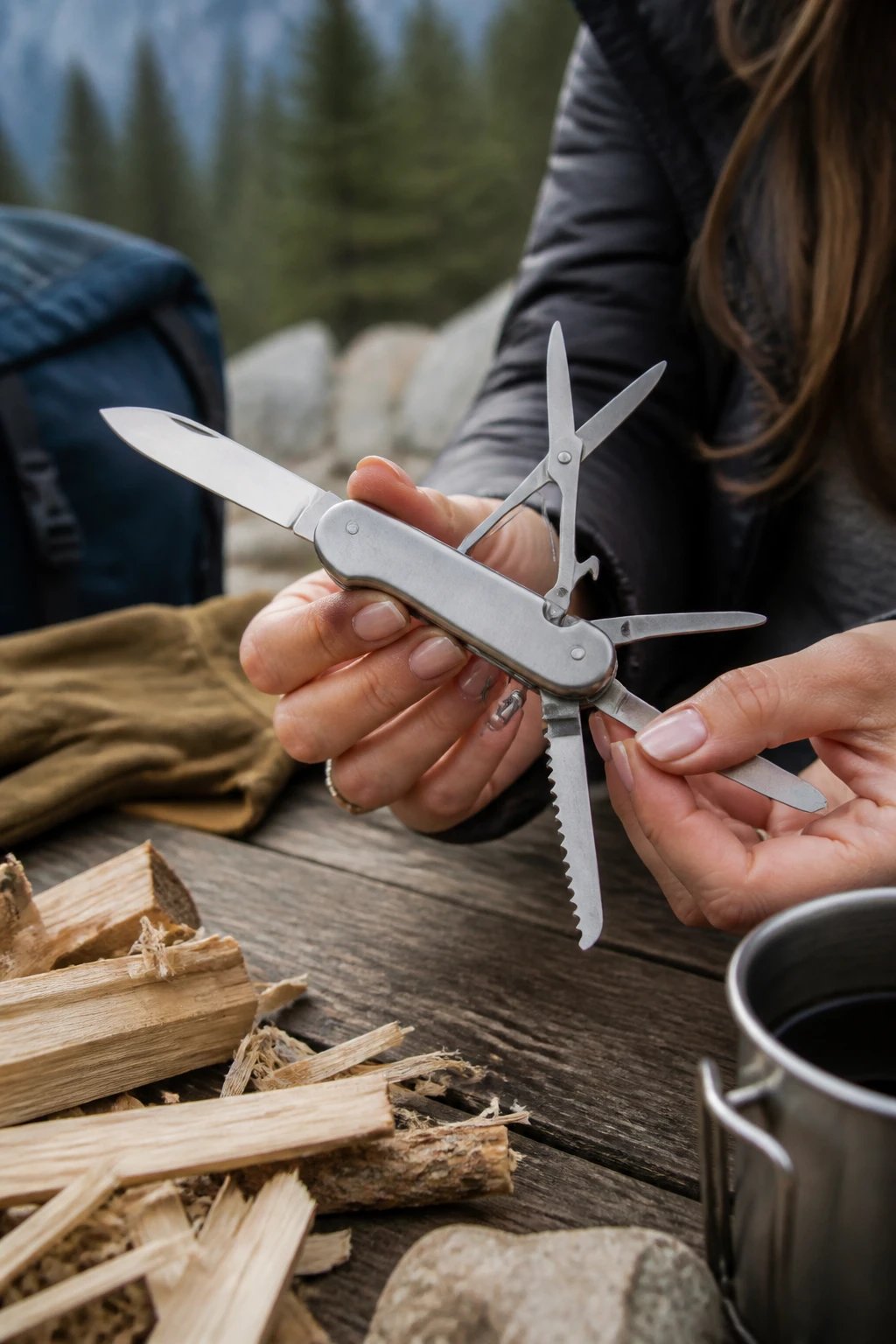
A good camping knife or multi-tool becomes an extension of your hand at camp. Opening packages, preparing food, cutting cord, making kindling, emergency gear repairs—you’ll use this thing approximately five thousand times per trip once you have it.
Don’t let anyone tell you that you need some massive survival knife that could double as a machete. A compact, quality multi-tool with the right features serves you way better than an oversized blade that’s awkward to use and heavy to carry.
Key Features to Prioritize:
- Sharp, lockable primary blade (2.5 to 3.5 inches is plenty)
- Scissors for precise cutting tasks
- Can opener if you’re bringing canned food
- Small saw blade for cutting through branches
- Screwdriver bits for gear repairs
- Bottle opener because priorities
Quality matters more than quantity of tools. A knife that won’t hold an edge or pliers that bend under pressure are worse than useless—they’re dangerous. Look for reputable brands with good warranties.
Learn basic knife safety before you head out. Always cut away from yourself, keep your fingers clear of the blade path, and never use your knife for anything it’s not designed to do. A sharp knife is safer than a dull one because it requires less force and gives you more control.
Keep your multi-tool accessible but secure. A belt sheath or pocket clip works great during the day, but store it safely at night so you’re not accidentally rolling onto it in your sleeping bag. Been there, done that, have the bruise to prove it.
The right cutting tool makes camp tasks so much easier. You’ll find yourself reaching for it constantly, which is exactly what you want from an essential piece of gear.
Ready to Hit the Trail?
These five essentials address the real challenges women face in the outdoors, from practical bathroom solutions to proper layering systems. Pack smart, stay comfortable, and remember that the best camping trip is the one where you’re prepared enough to actually relax and enjoy nature. Now get out there and make some memories!
0 Comments