Nobody wants to spend their precious camping time slaving over a complicated meal. These lunch ideas keep you fueled and on the trail faster, because let’s be honest—you came here to explore, not to cook a five-course meal in the wilderness.
1. The Ultimate DIY Trail Mix Wraps
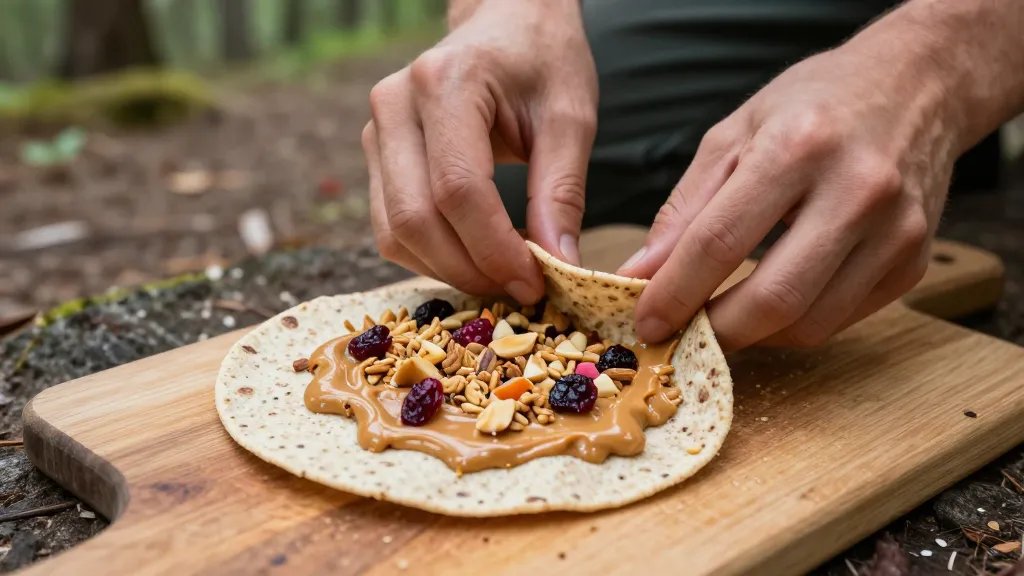
Forget sad, soggy sandwiches that turned into mush three miles ago. Trail mix wraps are basically the superhero of camping lunches—they travel well, require zero cooking, and you can customize them however you want.
Here’s the genius part: you prep everything the night before or even at home, then just assemble when hunger hits. We’re talking tortillas loaded with nut butter, honey, granola, dried fruit, and whatever else makes your taste buds happy.
What You’ll Need:
- Large flour or whole wheat tortillas
- Your favorite nut butter (peanut, almond, cashew)
- Honey or agave syrup
- Granola or crushed nuts
- Dried cranberries, raisins, or chopped dates
- Optional: mini chocolate chips, coconut flakes, or chia seeds
Spread a generous layer of nut butter across your tortilla, drizzle with honey, then sprinkle your mix-ins on top. Roll it up tight, wrap in foil or parchment paper, and you’re done. Seriously, it takes like two minutes.
The beauty of these wraps? They don’t need refrigeration, they won’t fall apart in your backpack, and they pack enough protein and energy to keep you hiking for hours. Plus, kids absolutely love them, which means less whining on the trail. You’re welcome.
2. The Cold Pasta Salad Power Bowl
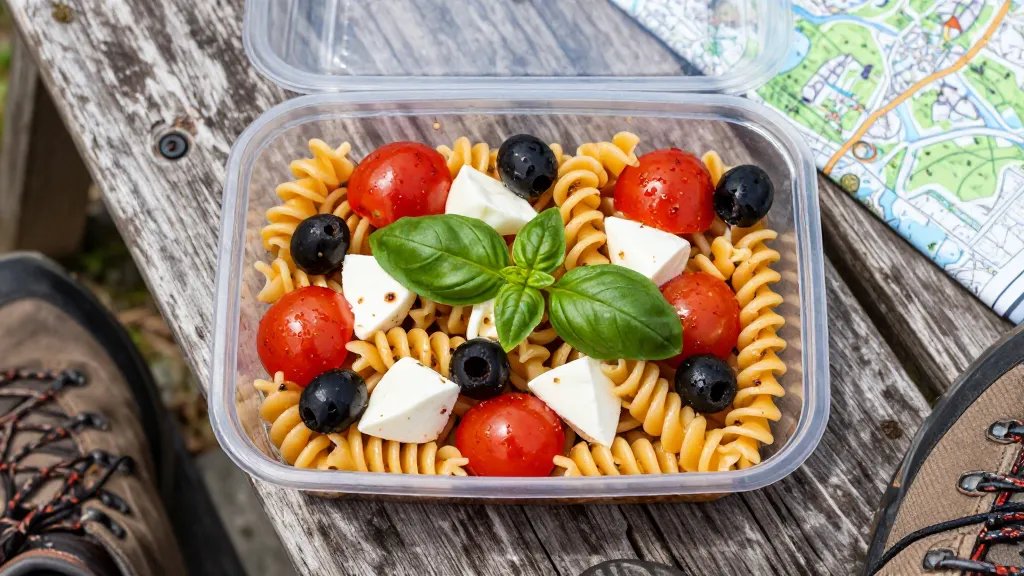
Listen, I know what you’re thinking—pasta salad sounds boring. But hear me out, because this isn’t your average potluck disaster.
You cook the pasta at home, toss it with a tangy vinaigrette and hearty ingredients that actually taste better cold, and pack it in a container. When lunchtime rolls around at your campsite or scenic overlook, you’ve got a satisfying meal that feels like you actually tried.
The Base Formula:
- Cooked pasta (rotini, penne, or bowtie work best)
- Italian dressing or homemade vinaigrette
- Cherry tomatoes (halved)
- Cubed cheese (cheddar, mozzarella, or feta)
- Pepperoni slices or salami
- Olives, bell peppers, or cucumbers
- Fresh herbs if you’re feeling fancy
Mix everything together in a large bowl before you leave home, then portion it into individual containers. The dressing soaks into the pasta overnight, making every bite ridiculously flavorful.
Want to level it up? Add chickpeas or white beans for extra protein, or toss in some sun-dried tomatoes for that gourmet touch. This meal stays fresh in a cooler for 2-3 days, making it perfect for longer camping trips.
Pro tip: Pack the salad in wide-mouth mason jars for easy eating. No plates needed, and cleanup is basically nonexistent. IMO, that’s the real camping luxury right there.
3. Mediterranean Hummus Box Extravaganza
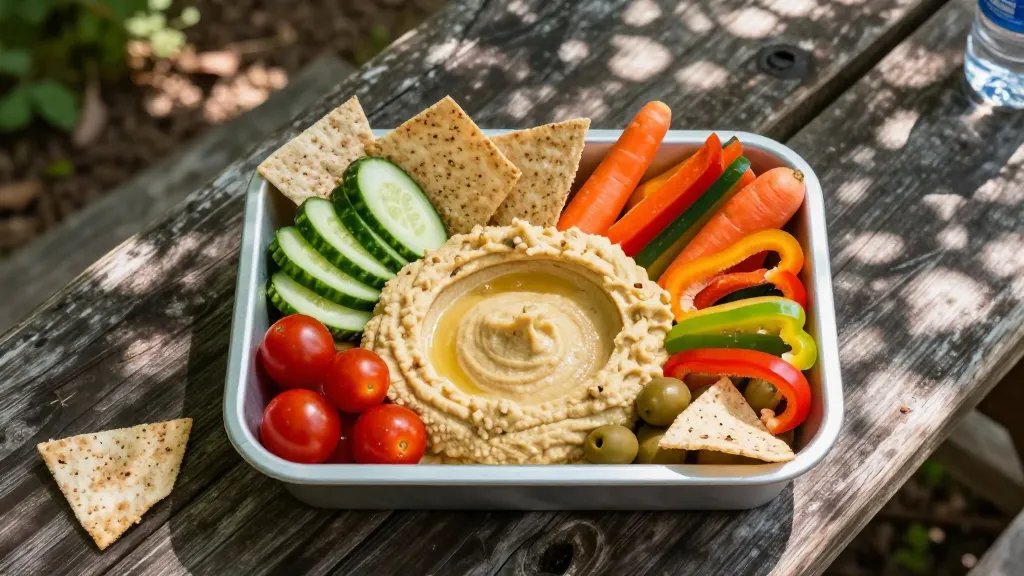
This one’s for when you want something fresh and light but still filling enough to power through an afternoon of kayaking or mountain biking. Think of it as an elevated Lunchable situation, but way more delicious and actually good for you.
The concept is simple: pack a container with hummus as your centerpiece, then surround it with an assortment of dippable goodies. It’s basically a snack plate that counts as a meal, and nobody’s going to argue with that logic.
Building Your Perfect Box:
- Store-bought or homemade hummus (classic, roasted red pepper, or garlic)
- Pita bread, naan, or sturdy crackers
- Baby carrots and cucumber slices
- Cherry tomatoes
- Kalamata olives
- Cubed feta cheese
- Salami or prosciutto slices
- A handful of almonds or cashews
Pack everything in a divided container or use small reusable bags to keep items separated. Trust me, you don’t want your crackers getting soggy from sitting next to the hummus for hours.
The best part about this lunch? You can graze on it while you’re hanging out at camp, and it doesn’t feel heavy or make you want to take a nap immediately after eating. It’s refreshing, satisfying, and covers all your major food groups without any actual cooking.
This setup works brilliantly in a cooler and stays fresh for the entire day. Plus, if someone in your group doesn’t like one component, they can just skip it. Customization for the win.
4. The Everything Quesadilla Station
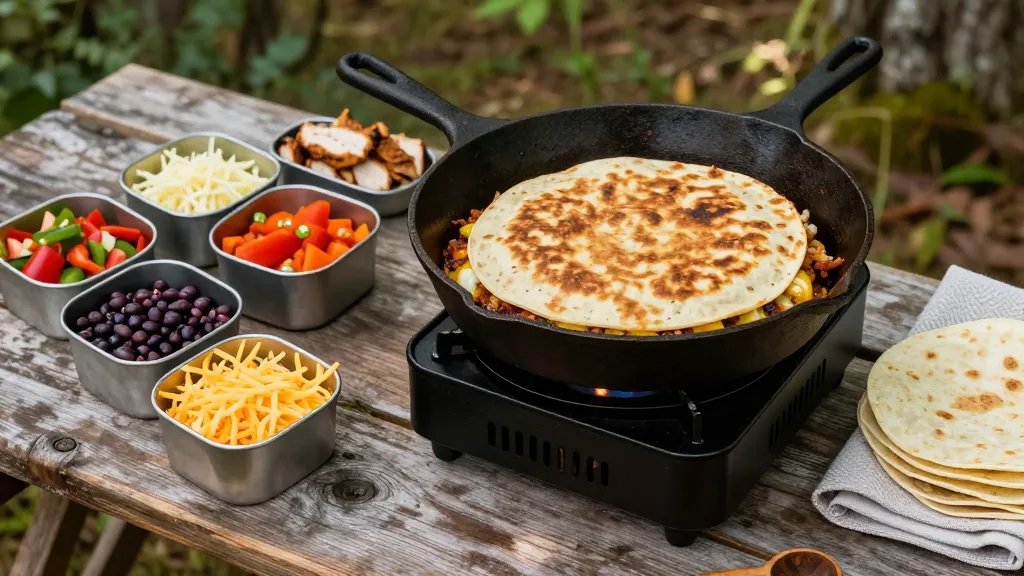
Okay, so this one requires minimal cooking, but we’re talking five minutes on a camp stove, which totally counts as a busy-day meal. Quesadillas are the ultimate camping food because they’re impossible to mess up and everyone loves them.
Here’s how you make this work on a hectic camping day: prep all your fillings at home in small containers or bags, then just assemble and cook when hunger strikes. It’s like having your own personal food truck in the woods.
Quesadilla Game Plan:
- Flour tortillas (they fold better than corn for this)
- Shredded cheese (cheddar, Monterey Jack, or a Mexican blend)
- Pre-cooked chicken strips or rotisserie chicken
- Canned black beans (drained)
- Pre-chopped bell peppers and onions
- Salsa, sour cream, and guacamole for topping
Heat your camp stove or portable grill to medium. Place a tortilla in your skillet, sprinkle cheese on half of it, add your chosen fillings, top with more cheese, and fold it over. Cook for 2-3 minutes per side until golden and crispy.
The beauty of the quesadilla approach is that everyone can customize their own. Got a picky eater? They can do just cheese. Vegetarian in the group? Skip the meat and load up on beans and veggies. Someone feeling adventurous? Throw in some jalapeños and hot sauce.
FYI, you can even make these over a campfire using a cast iron skillet or pie iron. They cook fast, fill you up, and cleanup is minimal since you’re basically just wiping out a pan. That’s a camping win in my book.
5. The No-Cook Sushi Bowl Hack
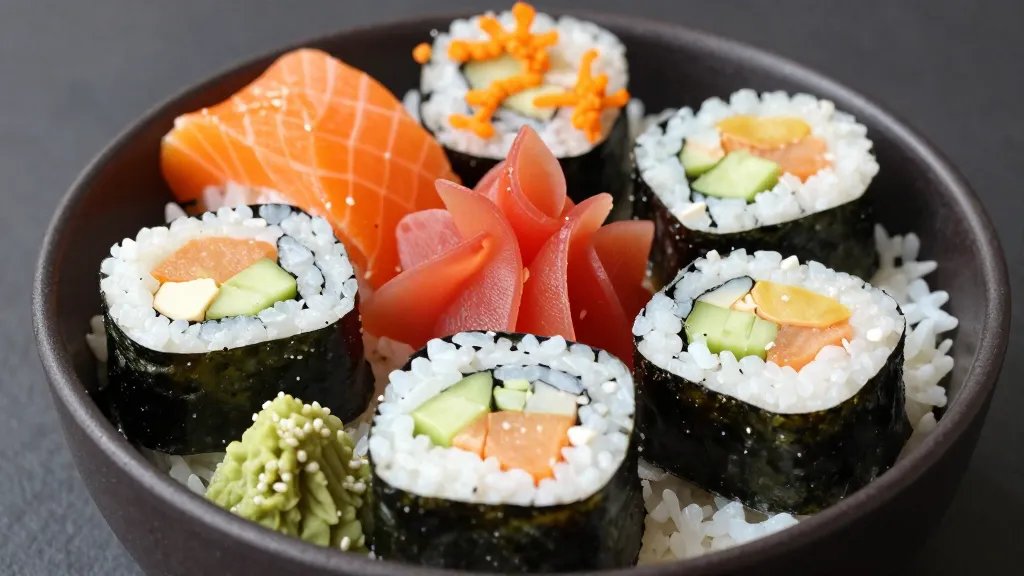
Before you roll your eyes, just hear me out. This isn’t actual sushi—it’s a deconstructed sushi bowl that requires absolutely zero raw fish and zero cooking skills. It’s fresh, crunchy, and weirdly addictive for a camping lunch.
You make sticky rice at home (or buy the pre-cooked pouches that you can eat cold), then pack it with all the toppings that make sushi delicious. When lunchtime hits, you dump everything in a bowl and go to town.
Your Sushi Bowl Essentials:
- Cooked sushi rice or regular rice (cooled)
- Rice vinegar and a pinch of sugar (mix into rice before packing)
- Imitation crab sticks or canned tuna
- Cucumber strips
- Avocado slices (pack separately, add right before eating)
- Shredded carrots
- Edamame (the shelled kind)
- Nori sheets (cut into strips)
- Soy sauce packets and sriracha
- Sesame seeds for topping
Pack your rice in the bottom of your container, then layer your toppings in sections like a colorful mandala. Keep the avocado separate so it doesn’t turn brown, and pack your sauces on the side.
When you’re ready to eat, mix everything together, drizzle with soy sauce and sriracha, and sprinkle those sesame seeds on top. The combination of cool rice, crunchy veggies, and savory protein is incredibly refreshing after a morning of hiking in the sun.
This bowl stays fresh in a cooler and actually tastes better when the flavors have time to mingle. It’s light enough that you won’t feel sluggish, but filling enough to keep you energized for whatever adventure comes next. Plus, it looks kind of fancy, which makes you feel like you’ve got your camping life totally together.
The best part? You can prep these bowls for multiple days, storing each component separately and assembling fresh bowls as needed. It’s meal prep meets camping, and honestly, it’s genius.
Wrap It Up and Get Back Out There
There you have it—five camping lunches that won’t derail your entire day or require a culinary degree to pull off. Whether you’re crushing miles on the trail or just lounging by the lake, these meals keep you fed without the fuss. Now get out there and make some memories that don’t involve standing over a camp stove for an hour.
0 Comments