Tired of choking down cardboard-flavored freeze-dried mush on the trail? Your backcountry menu is about to get a serious upgrade. These lightweight meals actually taste amazing and keep you energized for those brutal elevation gains—without turning your pack into a grocery store nightmare.
1. The Overnight Oats Power Bowl
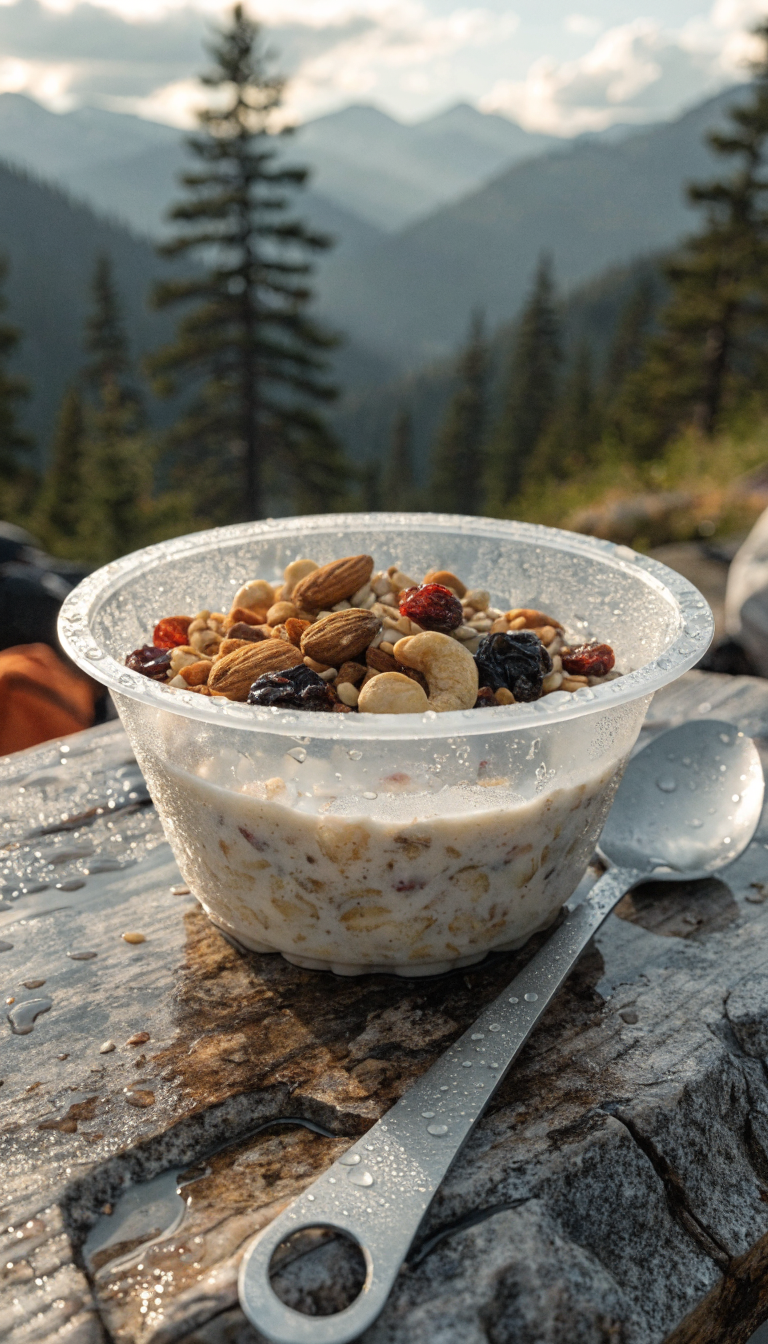
Listen, I know oats sound boring as hell, but hear me out. This isn’t your sad desk-breakfast situation. We’re talking about a customizable energy bomb that weighs practically nothing and requires zero cooking fuel in the morning.
Before you hit the sack, dump your oats into a reusable container with some water. By morning, you’ve got ready-to-eat fuel that doesn’t require you to fire up your stove while you’re still half-asleep and freezing.
What to Pack:
- Instant oats (not the sugary packets—just plain oats)
- Powdered milk or protein powder for extra calories
- Dried fruit like cranberries, raisins, or chopped dates
- Nuts or seeds for healthy fats
- Cinnamon or cocoa powder for flavor
The beauty here is the weight-to-calorie ratio. A serving of oats weighs maybe two ounces but delivers 300+ calories, and you can easily double that with add-ins. Plus, the complex carbs give you sustained energy instead of that sugar-crash nonsense.
Pro tip: portion everything into individual ziplock bags before your trip. Each morning becomes grab-and-go simple, and you’re not fumbling with multiple containers when your fingers are numb.
2. The Instant Mashed Potato Remix
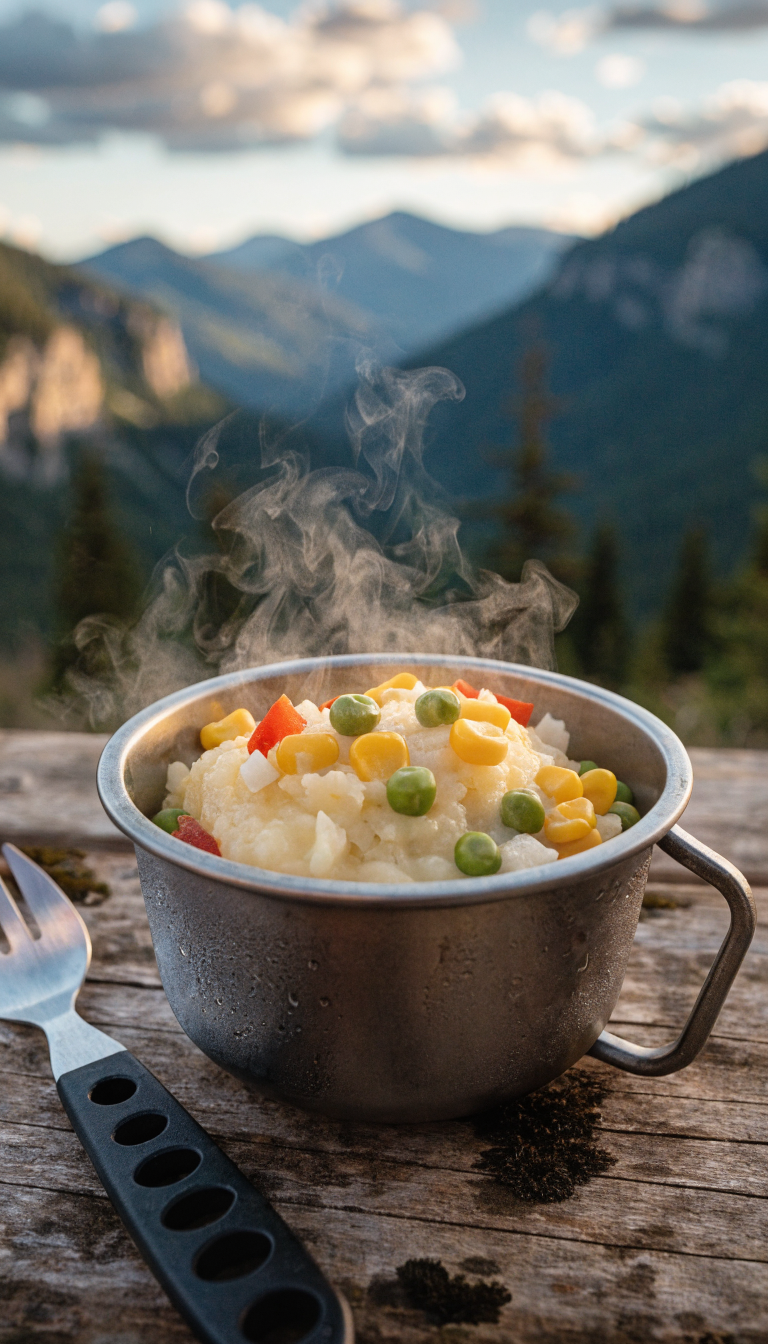
Yeah, yeah, instant potatoes sound like depression food. But trust me, these starchy powerhouses become gourmet when you’re miles from civilization and starving after a ten-mile day.
The secret? Don’t eat them plain like some kind of backpacking martyr. Jazz them up until they’re actually something you’d crave.
Upgrade Your Spud Game:
- Start with quality instant mashed potatoes (the real potato kind, not the scary processed flakes)
- Add dehydrated vegetables like corn, peas, or bell peppers
- Throw in some cheese powder or actual hard cheese chunks
- Mix in bacon bits, fried onions, or jerky pieces
- Season with garlic powder, chives, or ranch seasoning packets
Here’s why potatoes are backcountry gold: they’re stupid lightweight for the calories they deliver, they cook in literally three minutes with just boiling water, and they’re incredibly versatile. Feeling fancy? Make them a side dish. Exhausted and hungry? Eat them as your entire meal.
FYI, you can also use them as a base for other ingredients. Stir in a tuna packet for protein, add olive oil packets for extra fat and calories, or mix in that freeze-dried dinner that tasted gross on its own. Potatoes fix everything.
Cooking Tips:
Use slightly less water than the package suggests—mushy potatoes are depressing even when you’re hungry. And always add your seasonings and mix-ins before adding the hot water so everything incorporates evenly.
3. The Tortilla Miracle Wrap
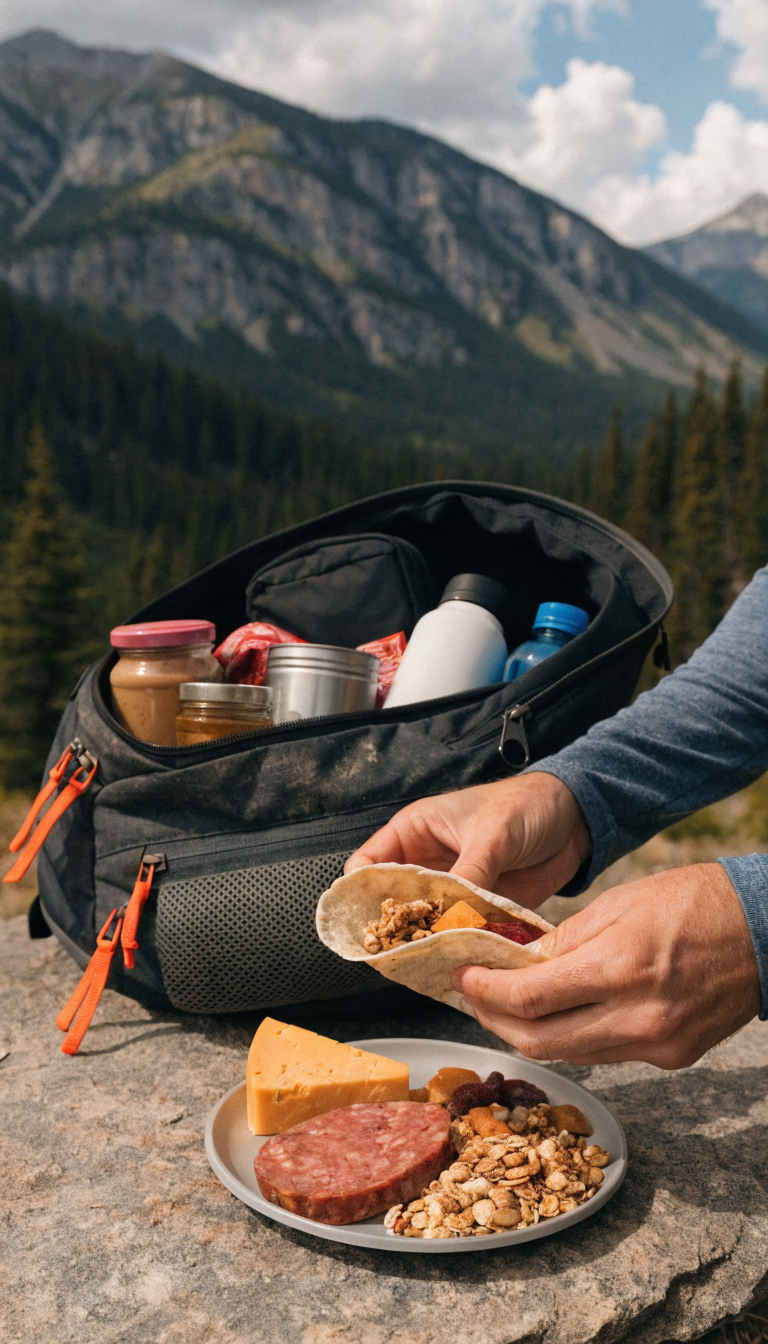
Tortillas are honestly the most underrated backcountry food on the planet. They’re lightweight, packable, durable, and transform into approximately one million different meals. Seriously, I’ve never met a hiker who regretted bringing tortillas.
Unlike bread that gets squished into a sad pancake or crackers that shatter into crumbs, tortillas survive your pack’s abuse and stay fresh for days.
Endless Wrap Combinations:
- Peanut butter, honey, and granola for breakfast
- Summer sausage, cheese, and mustard for lunch
- Nutella and banana chips for dessert
- Hummus powder (rehydrated) with dried veggies and jerky
- Tuna packets with mayo packets and hot sauce
The genius of tortillas is their calorie density combined with versatility. Each tortilla packs around 150 calories but weighs next to nothing. Load one up with nut butter and you’re easily hitting 400-500 calories in a meal that requires zero prep or cooking.
They’re also clutch for lunch because you don’t have to stop and set up your stove. Keep hiking, eat your wrap, maintain your momentum. On high-mileage days, this efficiency is everything.
Pro Packing Strategy:
Store your tortillas in a hard-sided container or between two paper plates secured with rubber bands. This prevents the dreaded tortilla crumble. Nothing sadder than opening your food bag to find tortilla confetti.
4. The Ramen Upgrade (Not Your College Diet)
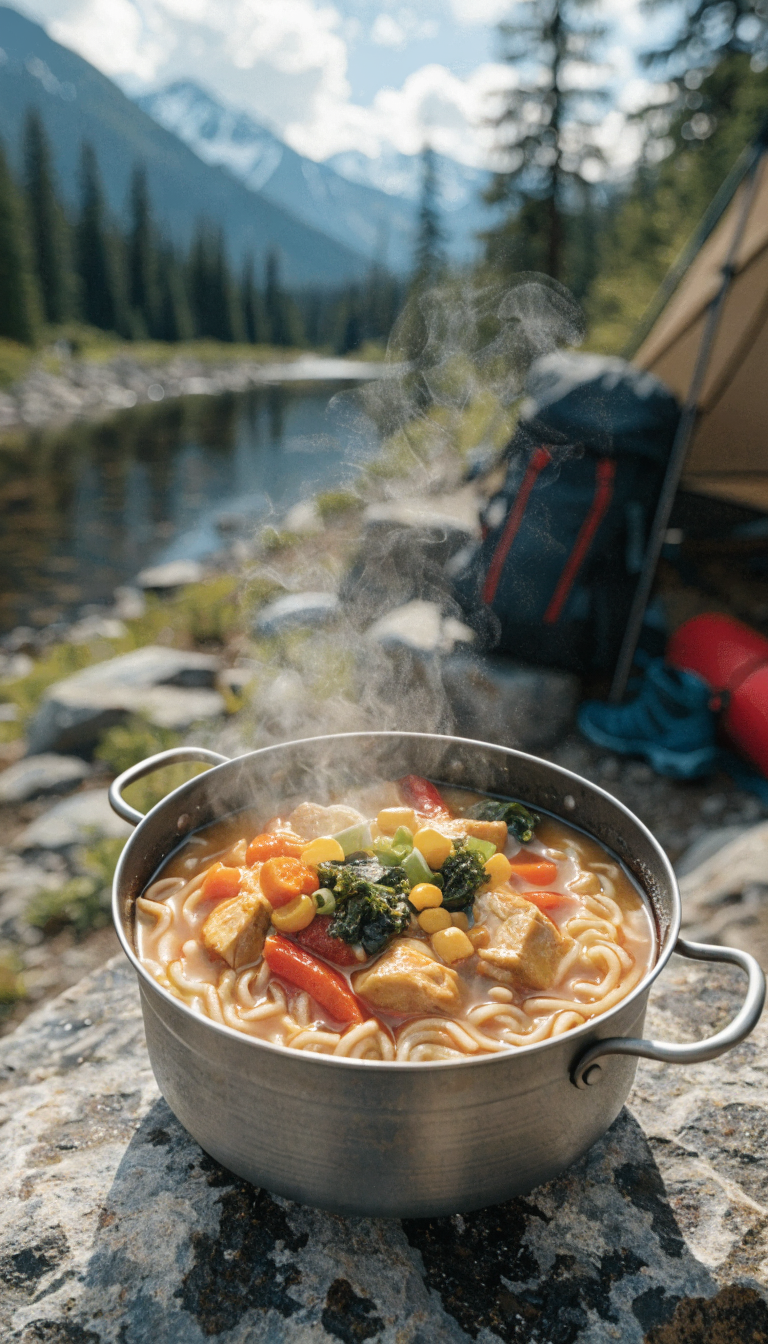
Before you roll your eyes—no, I’m not suggesting you survive on plain sodium bombs. I’m talking about transforming cheap ramen into legitimate backcountry nutrition by actually adding food to it.
Basic ramen is trash-tier nutrition: mostly refined carbs and enough sodium to dehydrate a camel. But use it as a base? Game changer.
How to Make Ramen Actually Nutritious:
- Ditch half the seasoning packet (you don’t need that much salt, even hiking)
- Add a packet of instant miso soup for depth and probiotics
- Throw in dehydrated vegetables—peas, corn, carrots, mushrooms
- Include a protein source: jerky, summer sausage, tuna packet, or dehydrated tofu
- Crack in some powdered eggs or add hard-boiled eggs if you’re still close to the trailhead
- Top with crispy fried onions or crushed nuts for texture
This upgraded version gives you carbs for energy, protein for muscle recovery, and veggies for micronutrients—all in one pot. Plus, that hot broth hits different when you’re cold and tired.
The cooking process is dead simple: boil water, dump everything in, wait three minutes, devour. One pot means minimal cleanup, which matters when you’re washing dishes in a freezing stream with no soap.
Weight Considerations:
Even with all the add-ins, this meal weighs maybe four ounces dry but delivers 500-700 calories depending on your upgrades. That’s efficiency you can feel in your pack—or rather, not feel.
5. The Trail Mix That Actually Makes Sense
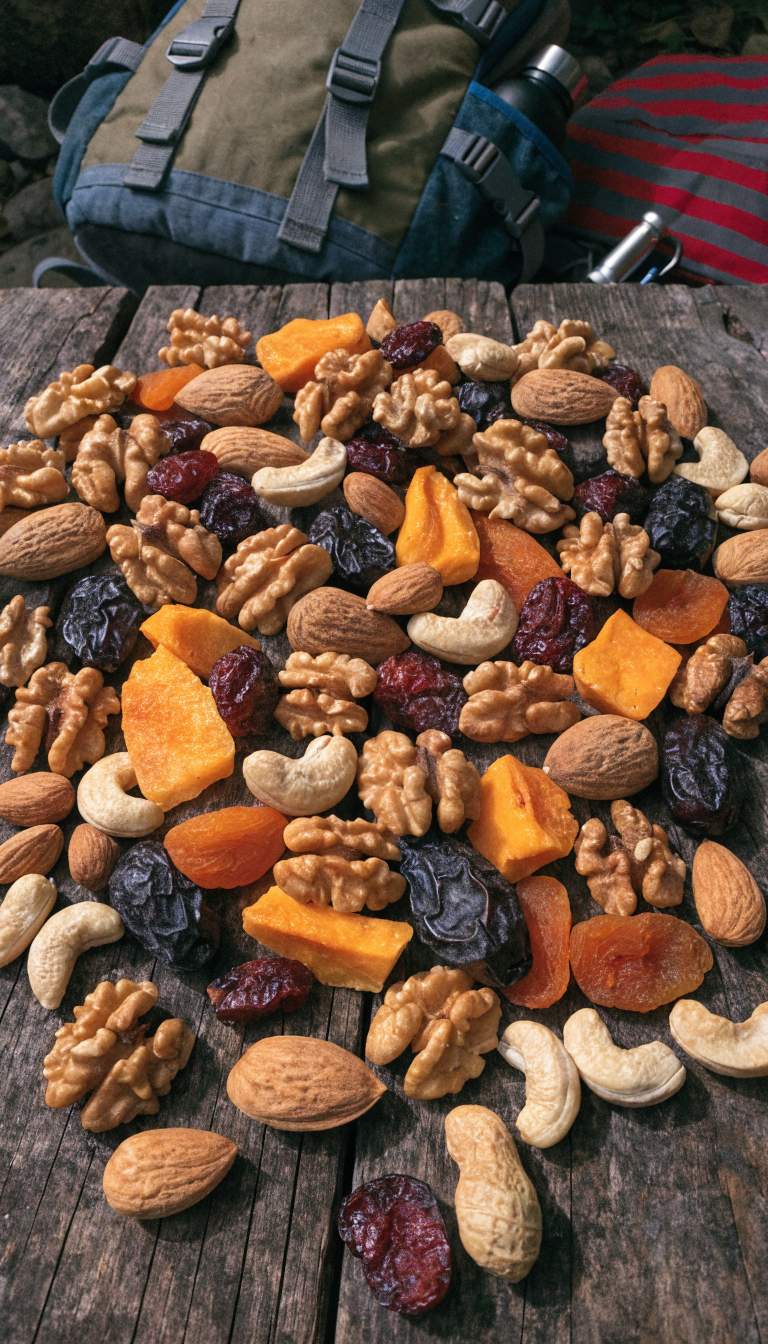
Okay, trail mix isn’t exactly revolutionary. But most people get it wrong, creating either a sugar bomb or a sad pile of peanuts. Let’s talk about building a mix that actually fuels your hiking.
The key is balancing quick energy (simple sugars) with sustained energy (fats and proteins) while keeping things interesting enough that you actually want to eat it.
The Perfect Mix Formula:
- 40% nuts (almonds, cashews, peanuts, walnuts—mix them up)
- 30% dried fruit (cranberries, mango, apricots, dates)
- 20% seeds (pumpkin seeds, sunflower seeds)
- 10% treats (dark chocolate chips, coconut flakes, crystallized ginger)
This ratio gives you immediate energy from the fruit and chocolate, sustained energy from the nuts and seeds, and enough variety that you won’t get bored by day three.
IMO, the treat component is crucial. Pure health food gets old fast when you’re hiking 15 miles. Those chocolate chips or yogurt-covered raisins give you something to look forward to when you’re digging into your food bag.
Portioning Strategy:
Don’t just throw a gallon bag of trail mix in your pack. Portion it into daily or half-daily servings. This prevents the tragedy of eating three days’ worth in one hunger-fueled moment, and it makes rationing easier when you’re exhausted and not thinking clearly.
Each quarter-cup serving delivers roughly 150-200 calories and weighs about an ounce. Pack enough for constant grazing—seriously, eat this stuff while you walk. Consistent fueling prevents bonking way better than waiting until you’re starving.
6. The Instant Rice and Beans Power Combo
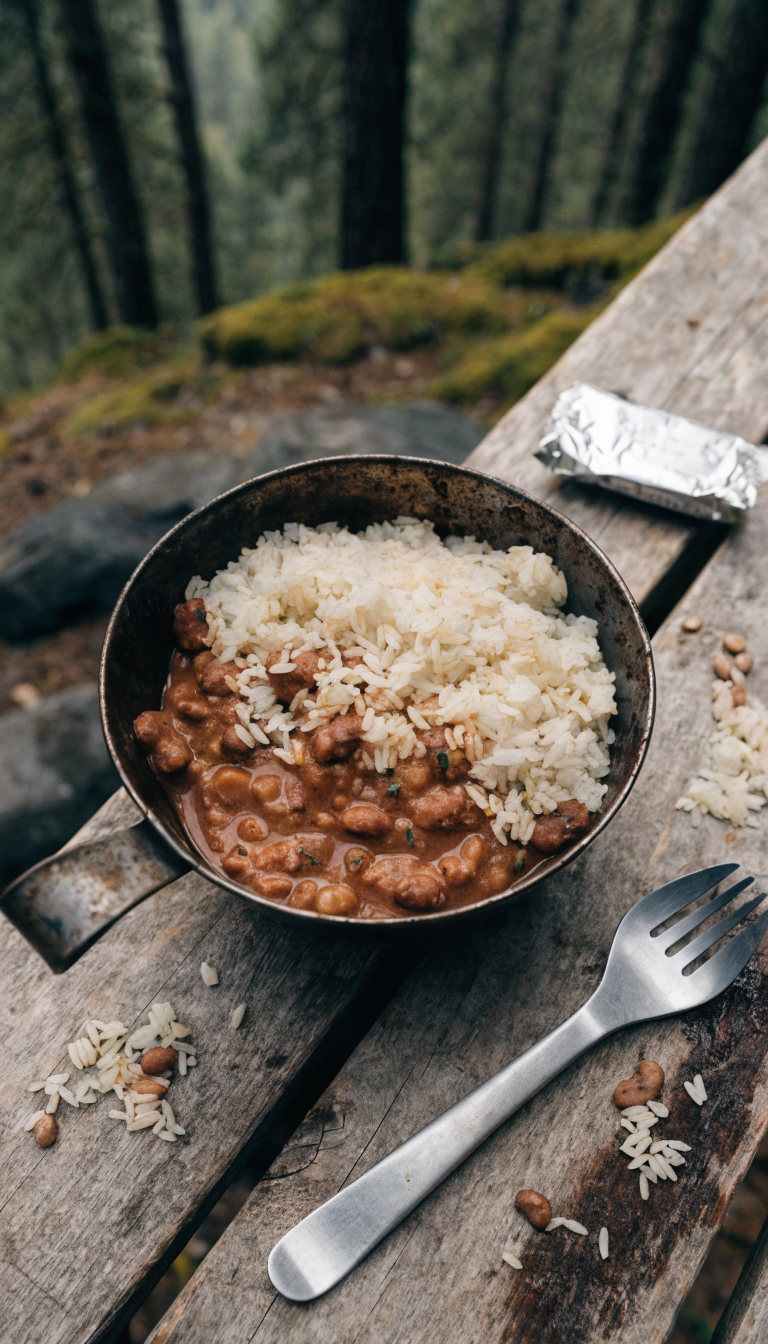
Rice and beans is the ultimate budget backcountry meal, and it’s surprisingly easy to pull off with instant ingredients. This combination delivers complete proteins, complex carbs, and enough fiber to keep your digestive system functional (trust me, this matters after days of processed snacks).
You can go the instant rice plus canned beans route if you’re car camping, but for true backcountry efficiency, we’re talking instant rice and dehydrated refried beans.
Building Your Bowl:
- Instant rice (white or brown—brown has more nutrients but takes slightly longer)
- Instant refried beans or dehydrated black beans
- Taco seasoning or cumin, chili powder, and garlic powder
- Dehydrated salsa or tomato powder
- Cheese powder or small cheese chunks
- Hot sauce packets (crucial for flavor)
- Tortilla chips for crunch (optional but awesome)
The cooking process is foolproof: boil water, add rice and beans together, wait five minutes, season aggressively, eat. You can make this in a single pot, and the cleanup is minimal since everything basically dissolves.
What makes this meal special for backcountry? The combination of rice and beans creates a complete amino acid profile, giving you all the protein building blocks your muscles need for recovery. This matters when you’re breaking down muscle tissue all day climbing mountains.
Calorie and Weight Breakdown:
A full rice and beans meal weighs about four ounces dry but rehydrates into a massive, filling dinner that delivers 600-800 calories. The fiber content also keeps you full longer than simple carbs, meaning you’re not raiding your snack bag an hour after dinner.
The best part? This meal costs maybe two bucks to assemble, compared to eight dollars for a comparable freeze-dried dinner that honestly doesn’t taste as good. Your wallet and your taste buds both win.
Customization Ideas:
Add summer sausage or jerky for extra protein and fat. Throw in some Fritos for texture and bonus calories (seriously, crushed Fritos in rice and beans is chef’s kiss). If you’re feeling fancy, pack a small avocado for the first night—the healthy fats are incredible for recovery.
Ready to ditch those expensive, mediocre freeze-dried meals? These six options prove that backcountry eating doesn’t have to mean suffering through bland, overpriced packets. Pack smart, eat well, and save your energy for the views instead of worrying about your next meal.
—
Meta Description: Backcountry camping meals that actually taste good and won’t crush your pack weight. 6 lightweight, delicious options that fuel hard hiking days.
Main Keyword: “backcountry camping meals”
Slug: backcountry-camping-meals-lightweight-fuel-adventure
0 Comments