Ever wondered why some beach camping trips end in sand-filled tents while others become legendary? Whether you’re pitching a tent near the crashing waves or roasting marshmallows under ocean breezes, the right beach camping tips can turn a good idea into an unforgettable adventure.
As someone who’s camped from California’s rugged coasts to Florida’s sunny shores, I’ve learned the hard way—like when a sudden tide soaked my sleeping bag. Camping near the ocean offers magic, but it demands smart prep. The key? Mastering beach camping tips that tackle sun, wind, and the ocean’s unpredictable nature.
Think beyond sunscreen and sand chairs. Real success comes from understanding tides, packing waterproof gear, and knowing when to secure your tent against a salty breeze. This guide shares what matters most: how to stay safe, dry, and ready for any weather. Ready to ditch the guesswork? Let’s dive in.
Planning Your Beach Camping Adventure
Planning a beach trip begins with research. I start by checking weather apps and tide charts. This helps me avoid sudden storms or high tides that could ruin my trip.
RV Online’s guides are great for finding approved campsites. These sites usually have parking and restrooms. It’s important to check local rules and confirm if permits are needed before packing. Safe campsites are at least 100 feet from the shoreline. This keeps us away from erosion zones.
My top beach camping hacks make setup easier. I use biodegradable markers to mark high-tide lines and avoid flooding. For parking, I look for shaded spots using Google Maps street view. The best beach camping gear includes collapsible tarps and quick-dry mats. I also prefer lightweight gear like foldable chairs for crowded sites. I always plan my exit routes. Last year, a campsite I visited got cut off by tides at sunset. Now, I look for high ground areas for emergencies.
Using hacks like tide-aware packing and choosing the right gear makes a big difference. Proper planning lets me enjoy the waves more and worry less about details.
Packing the Best Beach Camping Gear
Choosing the right gear is key for a great beach camping trip. Top beach camping destinations like Cape Hatteras or Padre Island require the best. Start with a sturdy tent, like the Coleman WeatherMaster, for coastal winds.
Sand stakes are better than regular ones for loose ground. A waterproof tarp under the tent keeps it dry. And a UV-resistant rainfly protects from the sun.
Sleeping gear must handle beach extremes. I bring a 20-degree sleeping bag for coastal temperatures. A compact backpacking pillow and a breathable sleeping pad with sand-resistant material are also essential.
For cleaning, a collapsible dustpan and broom from REI’s coastal line are great. RV Online’s guides recommend multi-use tools. My list includes a 10-ft tarp for shade and a collapsible cooler with drainage holes.
Windproof headlamps from Black Diamond are better than regular flashlights. Every item has a double use, like sandbags as windbreaks and seats. The right gear makes any beach camping trip comfortable, whether it’s Florida’s Gulf Coast or Oregon’s rugged shores.
Beach Camping Tips for All Weather Conditions
When I started beach camping, I learned weather can change fast. A beach camping checklist needs gear for sun, rain, and wind. Always pitch tents on high ground to avoid floods.
I use the Big Agnes Copper Spur HV UL2 tent with a rain fly before dark. For quick showers, the Shibumi Shade Canopy is great. It’s made from recycled materials and stays put even in windy conditions.
Sun protection is key. I carry SPF 50+ sunscreen and the Outdoor Research Echo Hoodie with UPF 15. Polarized Costa Reefton sunglasses help reduce glare on water. For cold nights, a +20°C sleeping bag and insulated pad keep me warm.
A collapsible hammock with a cover is perfect for relaxing in drizzle. Windproof strategies are crucial at coastal sites. Use sandbags and heavy-duty tarp anchors to secure tents. For storms, a Patagonia Torrentshell jacket keeps me dry while staying breathable.
Always check tide charts and weather apps twice a day. This helps you adjust your setup before bad weather hits. Following this how to camp on the beach approach makes you ready for anything. My top tip? Store electronics in dry bags and carry a repair kit with duct tape. With the right gear and planning, every weather challenge becomes part of the adventure.
Essential Equipment for a Safe Camp
When it comes to beach camping safety tips, the right gear is key. It’s not just about being comfortable—it’s about staying safe. Start with a sturdy tent that can handle coastal winds.
Look for tents from brands like Coleman. They have models with strong poles and waterproof coatings. These features help your tent stand up to salt air and storms.
Don’t forget sand stakes! Regular tent pegs sink into sand. Instead, use wide-base anchors from MSR to keep your tent stable.
Use a tarp to protect yourself from tides. Secure it with guy lines. Always check how to choose a beach camping spot by looking at high-tide marks before setting up.
Use apps like Tides.TV to track water levels in real-time. Carry a waterproof emergency kit with flares, a first-aid kit, and a marine radio. A LifeStraw portable filter is great for drinking water without risks. Never camp below dune lines—those areas are prone to erosion. Use USGS maps to find safe ground. Carry a whistle and a bright headlamp for visibility in fog or at night. Remember, safety starts with the right gear and smart choices. If you’re unsure, ask park rangers for advice. They know the safest spots to avoid hidden dangers.
Exploring Top Beach Camping Destinations
The best beach campsites offer adventure and comfort. I’ve found great spots like Cape Hatteras in North Carolina. Here, the dunes meet the waves, and checking tide charts is crucial.
Sanibel Island in Florida is known for its shell-strewn shores. It’s perfect for walks. My beach camping packing list always includes a mesh bag for collecting shells. Cannon Beach in Oregon has Haystack Rock, but you’ll need sturdy shoes for the rocky terrain. When choosing a campsite, I look for easy access and local rules. Permits and fire bans vary. Always check park websites and talk to rangers.
Planning beach camping food ideas depends on the location. At places like Assateague Island, I bring non-perishables and a portable grill. Near towns, fresh seafood from local markets adds flavor.
It’s important to balance beauty with safety. My favorite spots have trails, clean water, and space. Whether it’s watching sunsets in Padre Island or stargazing in Cape Cod, each place teaches me to adjust my beach camping packing list for comfort and safety. The best spots let you enjoy nature without giving up convenience.
How to Choose a Perfect Beach Camping Spot
I always put safety first when looking for a beach spot. Before setting up, I check tide charts and local safety tips for beach camping from coastal agencies. High tides can flood campsites overnight, so I look for areas at least 100 feet from the high tide line.
Vegetation clues matter too. Healthy dunes or driftwood clusters signal natural barriers against waves. I avoid flat zones near the shore—they flood easily during storms. Instead, I seek slight elevation with visible drainage paths to avoid pooling water.
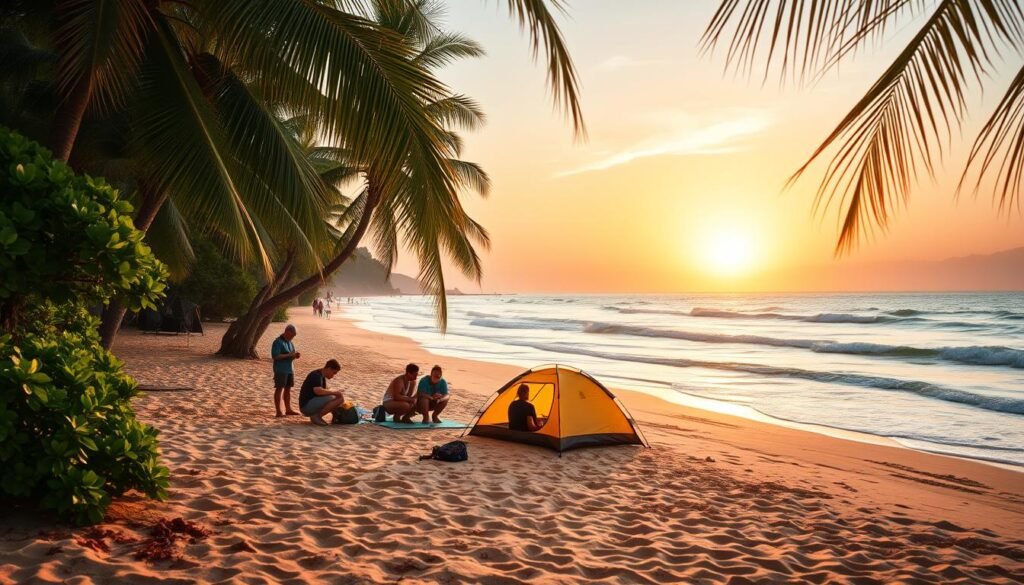
Always confirm if the spot’s legal. Many beaches restrict camping within 50 feet of the shoreline to protect wildlife. National Park Service maps and ranger stations are my go-to sources for rules. Checking for posted warnings about erosion or hazards ensures I avoid risky zones.
Nighttime visibility is key. I pick spots with minimal light pollution but still close enough to a main trail for emergencies. Staying 50 yards from open water reduces wind risks while keeping the ocean view. These steps turn scenic beauty into a safe, memorable setup.
Sharing My Favorite Beach Camping Hacks
Beach camping can be made better with small changes. Using water-resistant storage bags keeps your gear dry. They’re clear, so you can quickly find what you need. Just roll the top tight before sealing.
A S.O.L. Survive Outdoors Longer Solar Shower adds luxury to your trip. Fill it with seawater, let the sun heat it, and hang it from a tree. The 20-liter model is great for families, providing two showers.
Inflatable loungers save space and make your stay more comfortable. Look for ones with built-in cup holders and phone pockets. Inflate one near the fire pit for seating and wind protection. Make sure they’re durable for rough terrain.
These hacks make setting up easier and more fun. They help organize your gear and add comforts. Try them on your next trip and see the difference.
Beach Camping Activities for Unforgettable Memories
Planning beach camping activities means finding a mix of adventure and calm. Starting with sunrise yoga or a swim in the ocean sets the day right. These moments prepare me for a day full of excitement.
Kayaking or paddleboarding lets me explore secret spots and see marine life. Renting gear at places like Santa Cruz Beach Boardwalk or Assateague Island is safe and guided. Evenings are special with bonfires, where we roast marshmallows and listen to the waves. And, we always bring a portable grill for seafood skewers.
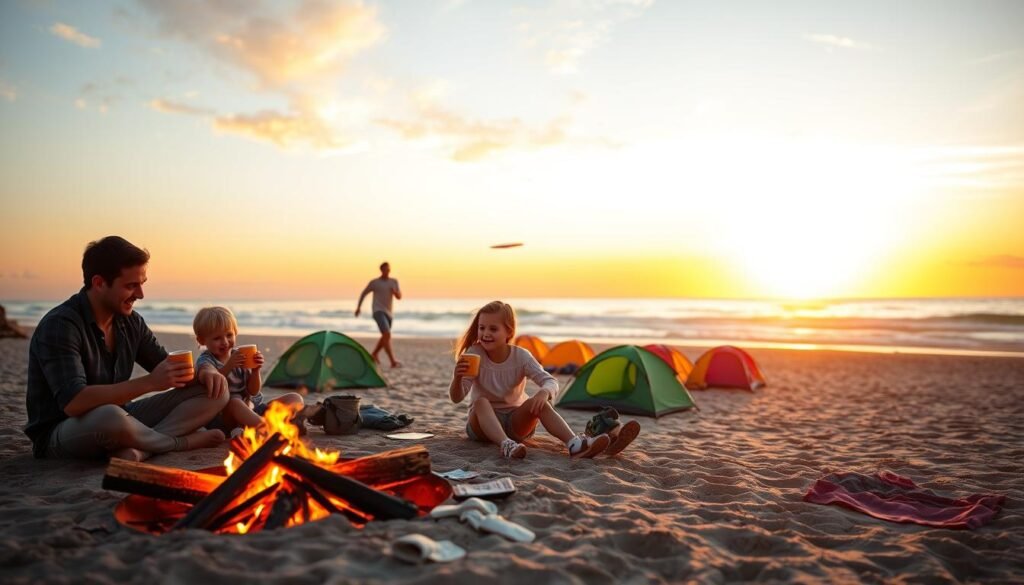
Beachcombing is a favorite activity, looking for seashells, driftwood, or stones. I keep a journal to sketch or note GPS spots for future visits. Always check tide charts and use SPF 50+ sunscreen to stay safe.
Even simple games like volleyball or frisbee are fun on the sand. Stargazing at night, using apps like SkyView, adds a learning twist. These activities make our trips unforgettable stories to share for years.
Tasty Beach Camping Food Ideas
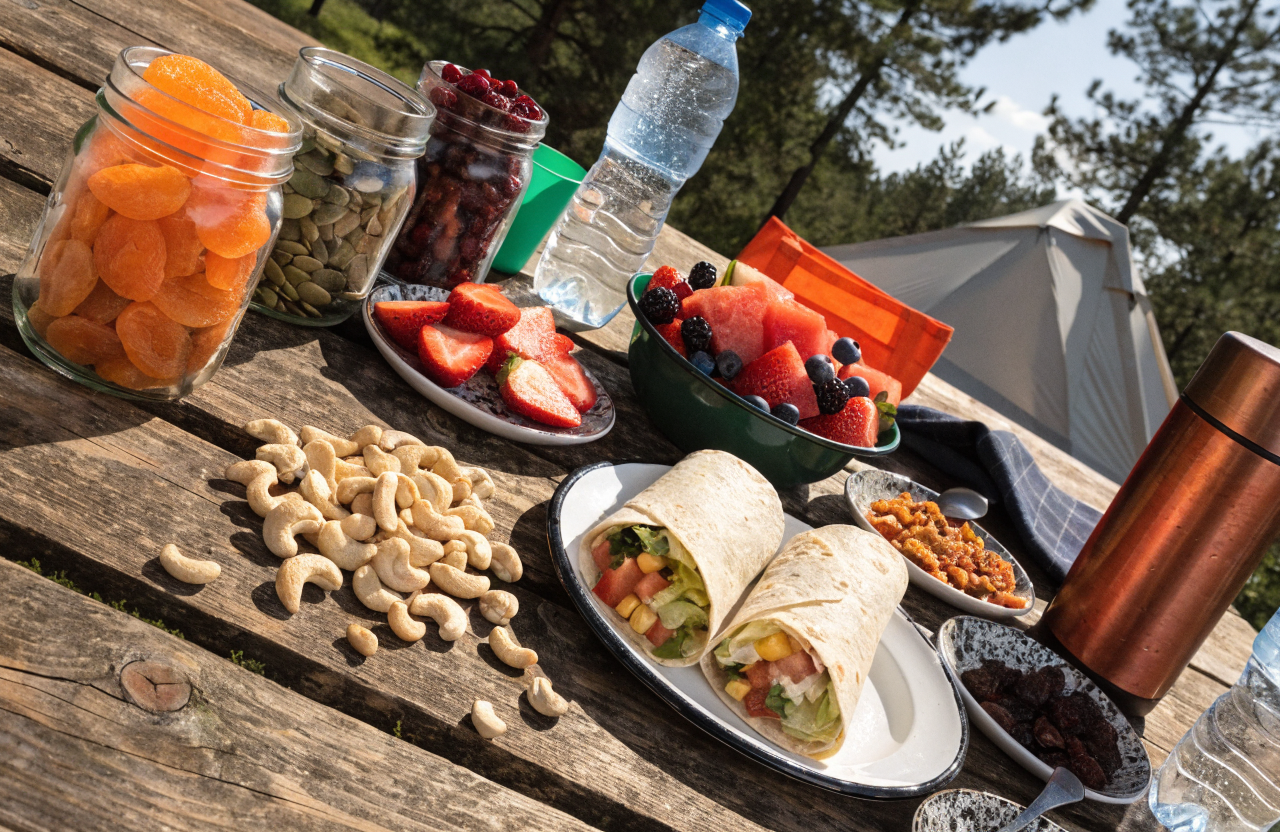
I always choose meals that are delicious and safe for beach camping safety. I start with a strong cooler filled with ice or dry ice. This keeps food cold. Fresh fruit like apples and grapes are great because they stay fresh longer and don’t need prep.
For main dishes, I love veggie wraps with hummus and veggies. They’re easy to make and don’t need cooking. Plus, they’re perfect for eating by the shore.
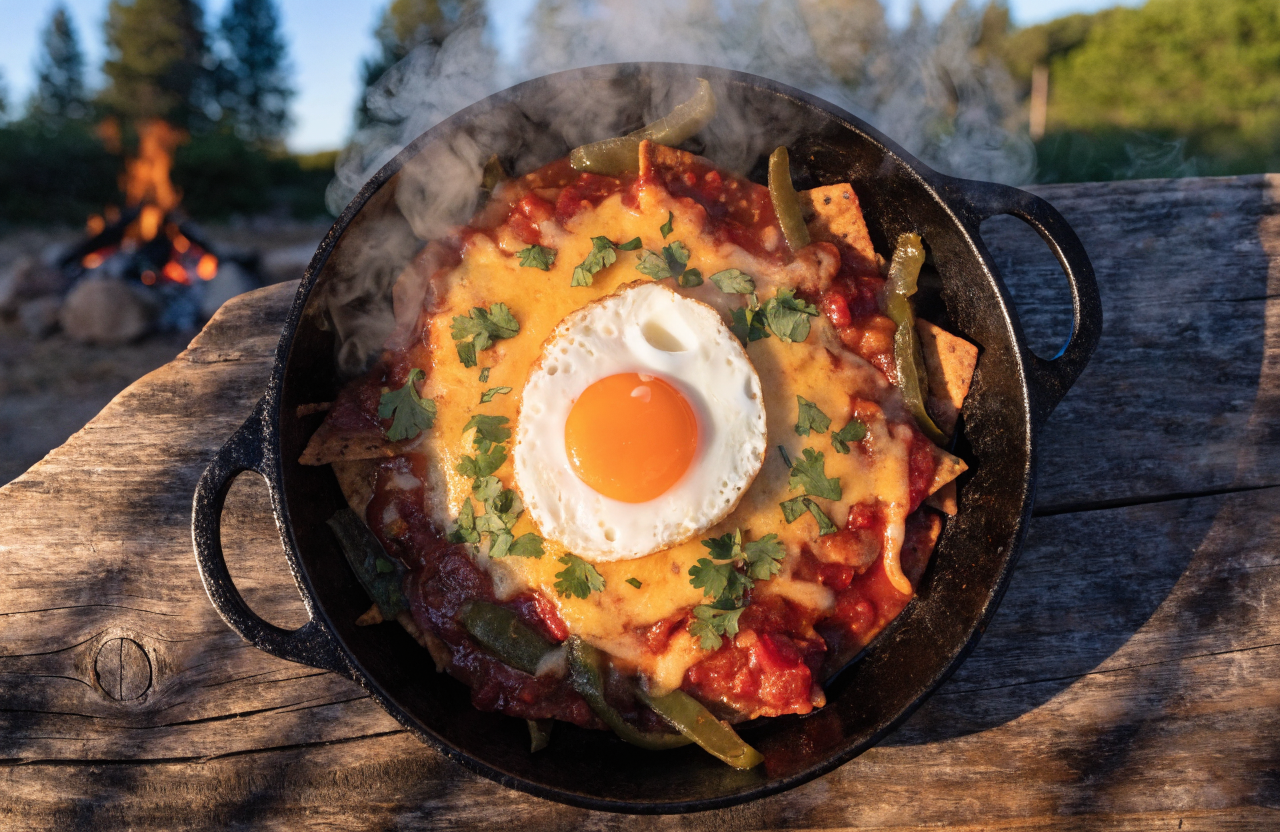
When grilling, I use a portable grill and a meat thermometer. This ensures chicken or fish is cooked safely. Always wash your hands with biodegradable soap before handling food.
Store raw meats in sealed bags at the bottom of the cooler. This prevents cross-contamination. Trail mix and energy bars are great snacks because they’re non-perishable and easy to carry.
After eating, clean dishes with hot water and eco-friendly soap. If you have leftovers, put them in airtight containers and chill them within an hour. My favorite is a simple shrimp skewer recipe. Marinate in lemon juice and herbs, grill, and serve with rice paper rolls. It’s easy, tasty, and safe.
My Beach Camping Packing List & Safety Tips
My beach camping trips begin with a detailed packing list. For beach camping fun activities, I focus on gear that’s both useful and enjoyable. I always bring a waterproof tent, quick-dry towels, and a portable grill for cooking.
It’s also important to have a first-aid kit and a water filter. Safety is a top priority. I pack extra sunscreen, hats, and clothes that block UV rays for sunny days. An emergency whistle and flashlight are in my backpack, along with a map. For rain, a waterproof tarp and extra blankets are must-haves.
Proper clothing layers are essential for temperature changes. I carry a multipurpose knife and a portable charger. When planning beach camping fun activities, I check tide schedules and avoid leaving food out to prevent wildlife visits. My checklist includes a first-aid kit, fire extinguisher for RVs, and trash bags for waste. Staying informed about weather and securing gear in waterproof bags ensures a smooth trip. By packing smart, you’ll enjoy every moment of your adventure without worry.
To Conclude…
Planning a beach camping trip? The right gear and prep make dreams come true. Start with a sturdy tent like the NEMO Dagger Osmo. Add a waterproof tarp and snacks and beach camping meal ideas that stay fresh.
Packing solar chargers, bug repellent, and quick-dry towels makes things easier. Choosing the right spot is key—check tide charts and camp above high water marks. My top tips include brushing sand off shoes before entering the tent. Use sealed containers for food. Always respect nature: pack out trash, avoid dunes, and store food securely.
With the right mindset and tools, every sunrise over the ocean is special. Whether grilling simple meals or stargazing under a NEMO sleeping bag, safety and smart choices matter. Ready to go? Double-check forecasts, secure your gear, and let curiosity lead the way. Your perfect beach adventure awaits—just follow the tips and let the waves guide your journey.

0 Comments