My first solo camping trip was a disaster. I forgot the rainfly and ended up under a dripping tarp. I had set up the MEC Cabin 2.0 Tent, expecting sunshine, but a storm hit instead. This taught me the importance of a good camping checklist.
Over the years, I’ve learned a lot. I’ve backpacked in Rocky Mountain National Park and car-camped at Westgate River Ranch & Rodeo. Now, I always double-check my Swiss Army Knife and pack quick-dry towels with my Jetboil Flash Stove. Here’s how to avoid my mistakes and create the perfect camping list.
Key Takeaways
- Start with a reliable tent like the Nemo Dagger Osmo 2P for backpacking or the MEC Cabin 2.0 for car camping.
- Organize gear with packing cubes and dry bags to save space and protect electronics.
- Always check if your campsite provides firewood or requires specific gear like bear canisters.
- Include essentials like a first aid kit, insect repellent, and a map even if you use GPS.
- Customize your camping list packing checklist for weather—sleeping bags rated for cold temps and waterproof boots are non-negotiable.
Why Every Camper Needs a Complete Camping Checklist
My first camping trips were a mess. I forgot a tent footprint and slept on wet ground. I also left my can opener behind, making cold cans hard to open. These experiences showed me how important a camping checklist is. It helps avoid frustration and makes camping stress-free.
The Cost of Forgetting Essential Items
Once, I didn’t use a tent camping checklist and it cost me. Without a tent footprint, rain made my sleeping area a mess. I had to buy emergency gear for $30, which was worth it for my comfort.
Common mistakes include:
- No tent footprint → soaked gear
- No flashlight → fumbling in the dark
- Forgotten first-aid kit → panic over a minor cut
How a Checklist Enhances Your Outdoor Experience
A camping checklist makes camping easier. Here’s how:
| Without Checklist | With Camping Checklist |
|---|---|
| Struggle to set up camp | Efficient setup using a tent camping checklist |
| Wasting time hunting for gear | Quick access to essentials |
My Personal Camping Planning Evolution
My first checklist was on a napkin. Now, it’s a detailed system. I’ve added a multi-tool and a headlamp to my list. I organize items by category, like shelter and safety.
My camping checklist even has a section for unexpected weather. A surprise snowstorm in Colorado taught me that. A camping checklist is not just about gear; it’s about feeling secure. Start with a free PDF checklist to avoid my mistakes.
Setting Up Camp: Essential Shelter Items
Every camping list packing checklist begins with shelter. Your tent is your first defense against the weather. When picking a tent, think about size. Dome tents are good for small groups, while cabin tents are better for families.
Three-season tents handle rain and wind well. But, if you plan to camp in winter, get a four-season tent. It has stronger poles.
- Pick a tent with a waterproof rainfly and sturdy zippers.
- Add a footprint or tarp under the tent to block moisture and sharp debris.
- Carry extra stakes and guy lines for uneven terrain.
Pro tip: Practice setting up your tent at home. I learned this the hard way after struggling with my first backpacking tent in the dark. A repair kit with duct tape, pole sleeves, and patching tape is essential. Even a small tear can ruin a trip if you’re unprepared.
Don’t forget the footprint—it helps protect your tent from damage. Brands like MSR and Big Agnes make durable options. For ultralight setups, a tarp with trekking poles works but requires skill. Make sure your tent’s waterproof rating matches the weather forecast.
“A well-packed shelter system means peace of mind, not panic, when storms hit.”
Always pack a mallet for stubborn stakes and test zippers before leaving. Your shelter setup isn’t complete without these basics. Stay dry, stay secure, and let your shelter do the work so you can enjoy the view.
Getting a Good Night’s Sleep in the Great Outdoors
After setting up your shelter, focus on sleep gear for restful nights. A bad night’s sleep can spoil your camping trip. Here’s how to choose the right gear for your camping list packing checklist.
Sleeping Bag Selection for Different Weather Conditions
Temperature ratings are key. For winter, synthetic bags like the ALPS OutdoorZ Redwood or down-filled options from The North Face are best. In summer, choose lighter models like the Coleman Brazos.
Always check the “comfort rating.” I used a 20°F bag on a chilly Colorado trip and it kept me warm.
Pad and Mattress Options for Maximum Comfort
- Closed-cell foam pads (like Therm-a-Rest Z Lite) are budget-friendly and durable.
- Self-inflating pads (NEMO Switchback) offer better cushioning for side sleepers.
- Air mattresses (REI Co-op Camp Air) add luxury but need repair kits if punctured.
Choose based on terrain: foam works best on jagged rocks, while air mattresses shine on flat forest floors.
Don’t Forget Your Camping Pillow
Forget the stiff neck ache! My go-to is the Therm-a-Rest Compressible Pillow—it fits into backpacks without bulk. For a budget option, stuff a dry T-shirt into a packable stuff sack.
Brands like NEMO’s Fillo inflate quickly and pair well with their sleeping pads. Add this to your camping checklist to avoid morning stiffness.
What to Cook With: Camp Kitchen Essentials
A well-stocked camp kitchen turns meals into celebrations. Mycamping checkliststarts with a reliable stove. For beginners, theCuisinart CGG-306propane stove is fast and space-saving. Add aSolo Stove Bonfirefor wood-cooked meals when allowed.
- Cookware: GSI Outdoors Pinnacle sets nest neatly, and their titanium pots withstand rugged trips.
- Utensils: OXO’s 4-piece set includes essentials like spatulas and pot holders.
- Storage: REI’s Prep Table doubles as a cutting board and meal prep station.
Pack smart: pre-chop veggies and marinate proteins before leaving. Myfirst time camping checklistnow includes Hydro Flask mugs and GSI’s collapsible plates. Don’t forget spices—cumin and Old Bay add flavor without bulk.
Bear-resistant containers like Ursack sacs keep food safe. Always carry a camp lighter and waterproof matches. A collapsible trash bag completes the cleanup system. I learned the hard way that a sharp knife (like GSI’s Rakau set) cuts prep time in half.
Pack condiments in reusable squeeze bottles to save space. For group trips, the GSI 4-person cookset nests into a compact bundle. Remember: a well-organized kitchen setup makes every meal a highlight—not a hassle.
Keeping Yourself Fed and Hydrated on the Trail
A good camping checklist keeps you fueled for fun. Start by figuring out how many calories you need—2,000 to 5,000 a day. Choose foods like eggs, potatoes, and dried fruits for lots of energy.
Food Planning and Preparation Tips
- Pre-chop veggies and premix spices at home to simplify camp cooking.
- Include a lightweight stove like the Soto Windmaster for reliable meal prep.
- Store perishables in a cooler with ice packs—bear canisters are non-negotiable in bear zones.
Water Storage and Purification Strategies
Staying hydrated is key. Carry 2-4 liters of water a day. Use a Sawyer Squeeze filter to purify it. It can handle 1 million gallons and works in cold weather.
Keep a backup plan with water purification tablets. Use a Platypus Quickdraw hydration bladder for easy access to water.
Snack Ideas for Energy Throughout Your Adventure
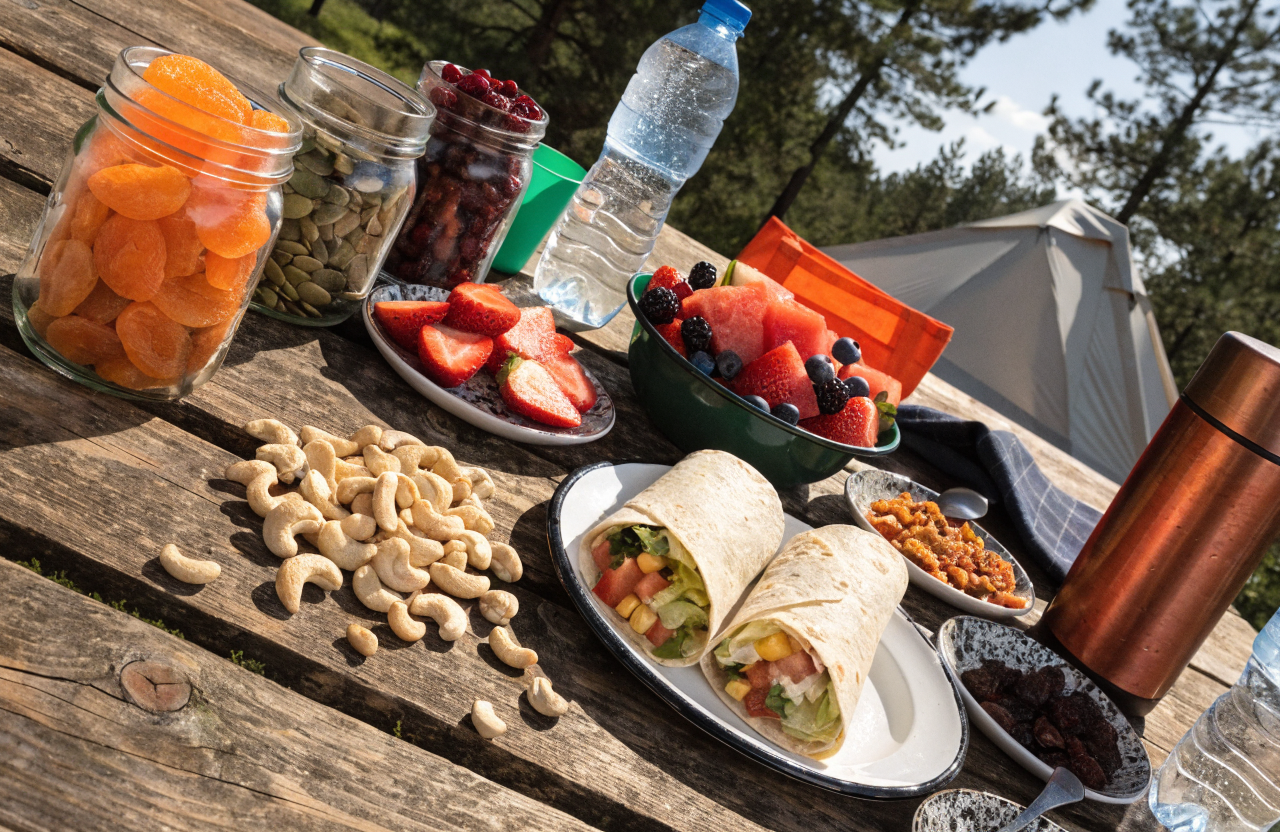
Snacks are crucial to avoid energy crashes. Pack:
- Nuts, dried mango, or Honey Stinger energy gels for quick energy
- Homemade trail mix (mix almonds, dark chocolate, and chia seeds)
- Pre-cut apples or carrots for easy snacking
Don’t forget electrolyte tablets for long hikes. Your body and mood will appreciate it. Always check your camping checklist before you go.
Dressing for Success: The Complete Camping Checklist for Clothing
When the weather changes, what you wear is key. My camping list packing checklist starts with layers. This keeps you comfy, no matter the weather.
Layering Strategies for Changing Weather
My three-layer rule is simple and effective:
- Base layer: Wear moisture-wicking merino wool or synthetic shirts and leggings. Patagonia Capilene shirts are my top pick.
- Insulating layer: Fleece or down jackets add warmth without being too heavy. Columbia’s Omni-Heat tech is great for cold mornings.
- Outer layer: Use a waterproof shell jacket like The North Face McMurdo to keep rain out while letting sweat escape.
Rain Gear That Actually Works
“A good rain jacket isn’t just for storms—it’s your shield against morning dew and mist.” – Mountain Safety Research
Always carry a waterproof poncho as a backup. Look for jackets with pit zips for heat venting and hoods that fit under helmets. Avoid cheap, plastic-coated gear—it traps sweat and smells bad fast.
Footwear Considerations for Different Terrain
My camping list packing checklist includes:
- Sturdy hiking boots with grippy soles for rocky trails (Salomon X Ultra 4 GTX work best).
- Waterproof sandals for stream crossings or fire pit comfort.
- Extra wool socks: Darn Tough socks last through multiple hikes without holes.
Swap cotton socks right away—they soak up sweat and cause blisters. Choose wool or synthetic blends instead.
Safety First: Navigation and Emergency Supplies
Every camping checklist must put safety first. For first-timers, a first time camping checklist should include a first aid kit. This kit should have bandages, antiseptic wipes, and pain relievers. Don’t forget a compact kit with prescription meds and emergency contacts.
Navigation tools are essential. Carry a physical map and a compass. The GAIA GPS app is a good backup. For when phones lose signal, the Garmin inReach Mini 2 is a lifesaver. Always have a whistle and a headlamp with extra batteries, and keep them in a waterproof bag.
- First aid kit with blister treatment and antihistamines
- Navigation trio: paper map, compass, and GPS device
- Emergency blanket and fire-starting supplies
- Water filter (e.g., Sawyer Squeeze) and collapsible containers like Reliance Aqua-Tainer
Wilderness safety means being prepared for anything. My repair kit has a multi-tool, duct tape, and paracord. In bear zones, carry bear spray and keep food safe. For bad weather, pack thermal layers and waterproof matches. Always tell someone where you’re going.
Pro tip: Keep important documents like insurance cards and permits in a sealed pouch. Use a bright-colored whistle to stay visible during hikes. Safety prep is about being confident, not scared. A good checklist turns worries into manageable plans.
Personal Care and Hygiene in the Wilderness
Keeping clean and safe in the wild means making smart choices. These choices protect your health and the environment. My camping list packing checklist focuses on items that are both useful and kind to nature. Let’s explore how to stay clean and safe without harming the environment.
Eco-Friendly Toiletries: Choose biodegradable products over harsh chemicals. Dr. Bronner’s concentrated castile soap is great for hands, dishes, and laundry. Carry a small Dr. Broncher’s soap bar, a washcloth, and a quick-dry towel.
For your teeth, bring a travel toothbrush, floss, and a toothpaste tube that shrinks as you use it.
- Biodegradable soap (e.g., Dr. Bronner’s)
- Mini shampoo and conditioner bars
- Sunscreen (SPF 30+ with zinc oxide)
- Insect repellent with DEET or picaridin
Waste Management Made Easy: Follow tent camping checklist tips: bury waste 200 feet from water or use a portable toilet. Use WAG bags for pack-out. Store trash in airtight containers and opt for biodegradable wipes.
Sun and Insect Defense: Use SPF 30+ sunscreen every hour and wear UPF-rated clothes. Treat gear with permethrin spray and keep citronella candles nearby. Have a first-aid kit with aloe vera gel for sunburns and antihistamines for bites.
Every decision counts, from using reusable containers to packing out all trash. A thoughtful camping list packing checklist lets you leave the wild as you found it. You’ll be refreshed and ready for your next adventure.
Tools and Extras That Make Camping More Enjoyable
A well-planned camping checklist can make any trip better. Adding smart tools and comfort items can elevate the experience. Let’s look at some useful and fun gear.
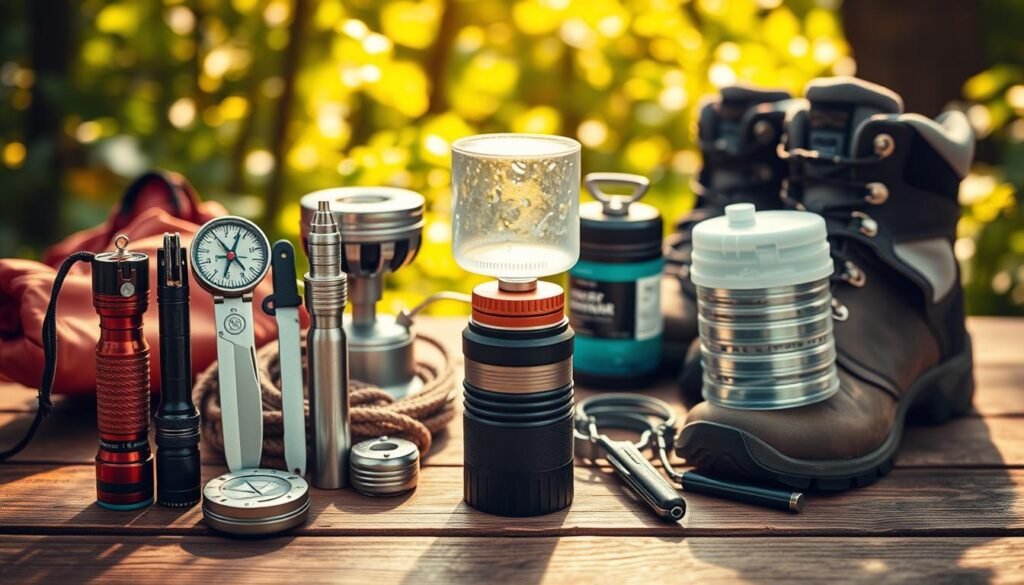
First, a camping checklist family favorite is a sturdy camping chair. Coleman offers chairs with cup holders and back support for long days. Add a Wise Owl Outfitters Hammock for a shaded spot to relax.
| Tool | Feature | Brand |
|---|---|---|
| Multitool | Knife, scissors, can opener | Leatherman Wave Plus |
| Headlamp | Adjustable beam, waterproof | GearLight LED Tactical |
| Camp stove | Dual burners, durable | Coleman Brazos |
Lighting is key. Choose LED lanterns or string lights for ambiance. A Batiste Dry Shampoo and portable speakers add convenience without bulk. For families, include MalloMe marshmallow sticks and games like cards or frisbee to keep everyone entertained.
Remember small but vital items: extra batteries, carabiners for organizing gear, and a lightweight tarp for shade. These upgrades make setting up easier and fun more accessible, whether you’re solo or with a camping checklist family adventure.
Tailoring Your Camping Checklist for Family Adventures
My first family camping trip showed me that a basic camping checklist isn’t enough for kids. Babies and toddlers need special items, while older kids want fun gear. Here’s how to make your list work for everyone.
Kid-Friendly Gear Additions
When packing, size is key. For little ones, add:
- Compact cribs or playpens for naps
- Child-sized sleeping bags and air mattresses
- Portable high chairs for meals
Our family uses a camping checklist family with lightweight backpacks for school-age kids. We also bring padded chairs for eating. And, a portable camping stove is great for making pancakes or hot dogs!
Entertainment Options for Children
Keep kids busy with fun activities. Try:
| Activity | Essentials |
|---|---|
| Scavenger Hunts | Checklist of items, magnifying glass |
| Nature Crafts | Blanket for collecting leaves, glue sticks |
| Game Night | Card decks, glow-in-the-dark frisbees |
Safety Considerations When Camping with Kids
Being prepared is crucial. Make sure your camping checklist includes:
- Extra first aid supplies (bandages, antiseptic wipes)
- Waterproof containers for medications
- Child ID cards with recent photos
Always have life jackets near water and teach kids to stay together. My kids now carry whistles to signal if they get lost.
First-Time Camper? Here’s What You Absolutely Need
Starting your first camping trip? A simple first time camping checklist focuses on shelter, comfort, and safety. These basics make all the difference.
Practice tent setup at home to avoid last-minute panics. Test every pole and stake before you leave.
My go-to essentials include:
- Tent: Pick a 2-season model like the Coleman Sundome with a rainfly. Check stakes and guylines before packing.
- Sleep system: A 3-season bag (like Marmot Trestles 20°F) paired with a closed-cell foam pad.
- Cooking gear: A 1-burner stove with fuel, plus a lightweight pot and spork.
- Safety kit: First aid with bandages, antiseptic wipes, and a compact fire starter.
- Lighting: A headlamp with extra batteries—never rely on phone flashlights.
Invest in a tent camping checklist that fits your gear budget. Borrow items like cooksets from friends or rent gear if unsure. Choose moisture-wicking base layers and quick-dry towels for comfort. Don’t carry too much gear—your first trip’s goal is to build confidence, not conquer the wilderness.
Leave space in your pack for a compact repair kit and trash bags. Stick to one-pot meals like pasta or oatmeal to simplify cooking. And always tuck a map/compass alongside your phone GPS—technology fails, but paper never does.
The Perfect Camping Checklist for Two: Romantic Getaway Essentials
Make your camping trip unforgettable with a camping checklist for two. Choose gear that saves space but makes your connection stronger. Here’s how to plan a cozy, adventurous getaway for two.
Space-Saving Gear for Couples
Look for compact gear made for two. The MSR Hubba Hubba NX tent has mesh windows and a divider for privacy. Share a Millet Light Down 0° sleeping bag and use an Millet Ether Light XT sleeping pad.
Carry just one Jetboil Flash cooking system and a Opinel N°09 knife. A Klean Kanteen insulated flask is perfect for morning coffee.
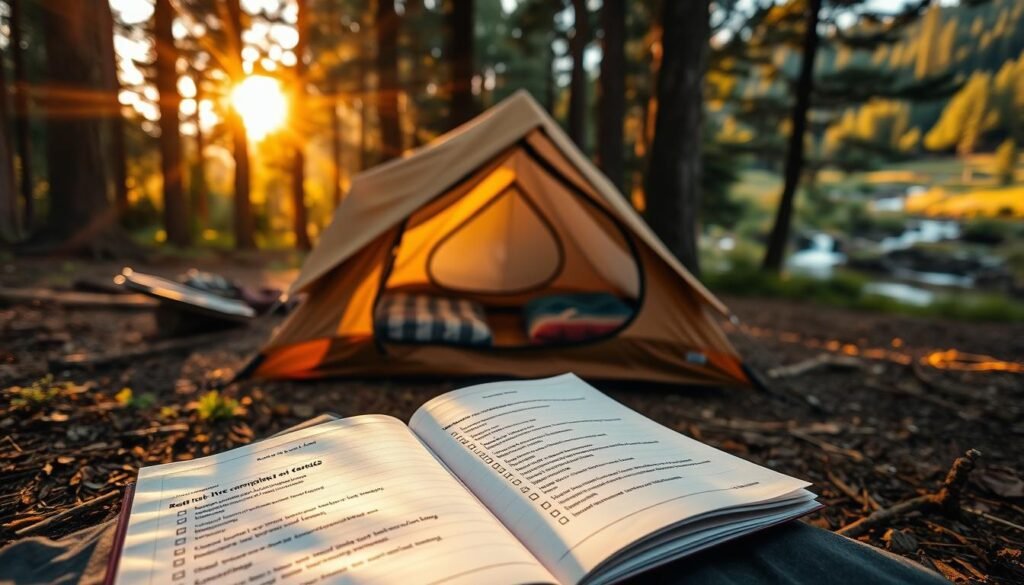
Creating Ambiance in Your Campsite
Enhance your campsite with small details. Hang fairy lights inside your tent or around the campsite. A Bluetooth speaker plays your favorite songs without wires.
Stay warm with a packable blanket and soft LED lanterns. Use Therm-a-Rest pads for comfort and Thermacell lanterns to keep bugs away. Don’t forget a camp chair for stargazing.
Shared Experiences and Activities
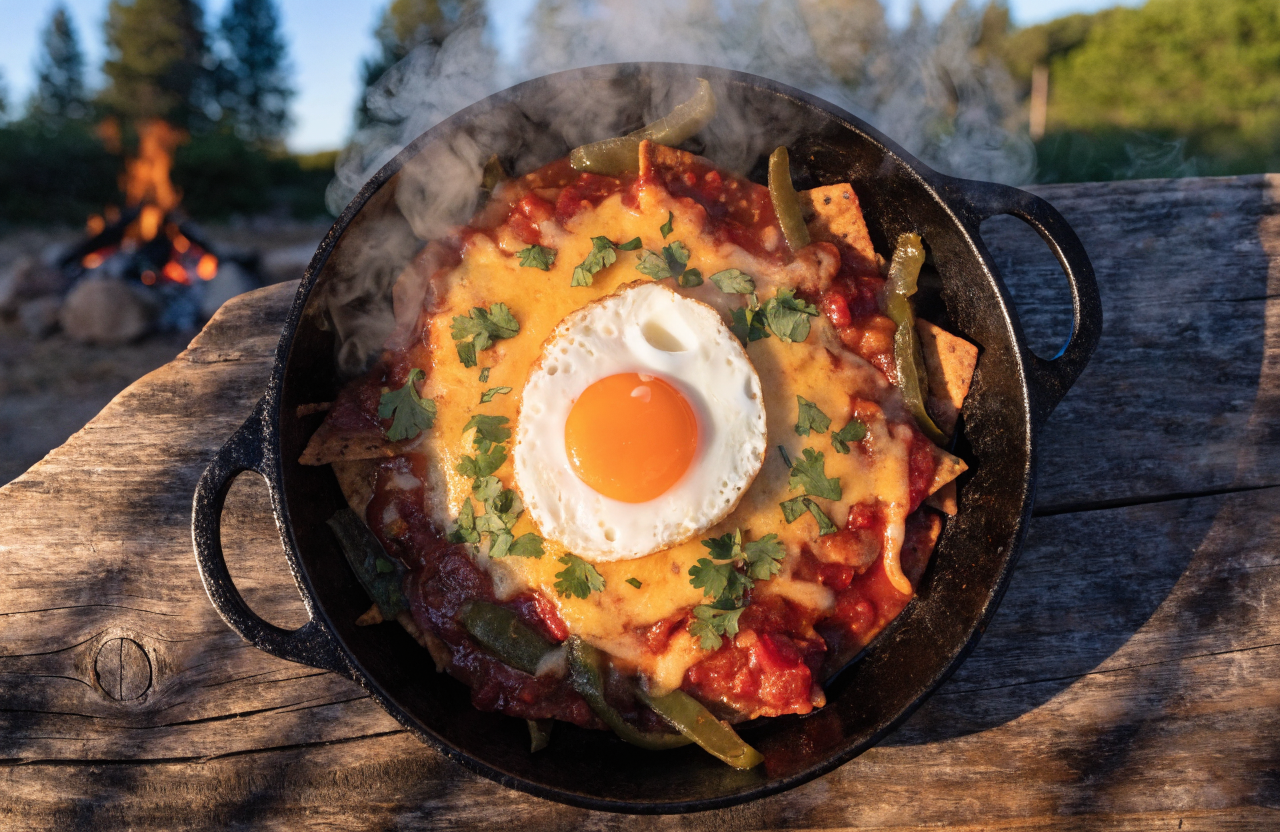
Plan activities to bond. Roast marshmallows with a portable grill or play board games under the stars. Prepare meals like taco kits for easy dinners.
Use an oscillating fan to cool your tent on warm nights. End each day with a sunset hike to a secluded spot. Then, enjoy wine from a vacuum flask. Let your checklist for two make planning easy, so you can focus on each other.
Seasonal Adjustments: Adapting Your Packing List Year-Round
Adjusting your camping checklist for each season keeps trips safe and fun. Here’s how to change your packing list for any weather:
First, check the forecast and local climate. Use the National Weather Service and local park websites. Here’s what to focus on:
- Spring: Waterproof boots and quick-dry pants handle mud and showers. Add a camping list packing checklist entry for footprint extensions and extra tent guylines.
- Summer: Lightweight fabrics and sun protection are key. Include a wide-brimmed hat and SPF 50+ sunscreen.
- Fall: Layering systems and thermal layers combat temperature swings. Pack moisture-wicking base layers and insulated jackets.
- Winter: Prioritize cold-weather gear like four-season tents and high-R-value sleeping pads.
| Season | Key Clothing | Key Gear | Tips |
|---|---|---|---|
| Spring | Rain jacket, waterproof shoes | REI Co-op Base Camp 4 Tent | Check soil conditions before setting up |
| Summer | UV-protective clothing | Rumpl Nano Puff Jacket | Hydrate early and often |
| Fall | Insulated base layers | NEMO Roamer Sleeping Pad | Layer clothing for temperature shifts |
| Winter | Down parka, thermal boots | MSR Hubba Hubba NX Tent | Use hand warmers for gear storage |
Always include a NEMO Jazz 30 sleeping bag rated to 30°F for multi-season trips. For winter, use HEST Camp Pillows with waterproof stuff sacks. In summer, add a Mountain Hardwear Camp Awn Shelter for shade.
Adjust your camping list packing checklist with these tips. A well-planned packing list keeps you ready for any weather surprise.
Conclusion: Making Memories with Peace of Mind
Every great adventure starts with a well-planned camping checklist. Over the years, I’ve learned that a thorough list isn’t just about gear—it’s about peace of mind. Remember that time I forgot a headlamp? The Biolite 325 I added later became a lifesaver on night hikes.
A first aid kit and emergency fire starter kept me ready for anything. A trusty trowel helped me follow Leave No Trace principles. These items, along with the basics from the checklist, turned mishaps into memories, not disasters.
For families, a camping checklist family edition means including extras like kid-friendly snacks or a portable stroller. I’ve seen how personalized lists let parents focus on moments instead of missing gear. Even with the best prep, flexibility matters.
When we forgot coffee mugs, a local store saved the day. That’s why I always keep a digital copy updated—ready to adapt for any trip, whether it’s a solo hike or a weekend with kids.
Don’t stress over perfection. The goal isn’t a flawless setup but a trip where you’re ready to laugh around the fire or stargaze without worry. Use this checklist as your guide, tweak it for your crew, and let nature take over.
Your next adventure awaits—grab those essentials, hit the trail, and let the memories begin. After all, the best campsites are the ones where you’re fully present, not just present.
FAQ
What should be included in a camping list packing checklist?
A good camping list should cover shelter, sleeping gear, and cooking supplies. Don’t forget food, water, and clothes for the weather. Safety items and personal hygiene products are also key. Tailor it to your trip, like a family or first-time camping checklist.
How can I make a camping checklist for two people?
For two people, focus on shared items to save space. Use double sleeping bags and joint cooking gear. Plan for both partners’ comfort to make the trip enjoyable.
Why is preparation important for a successful camping trip?
Good preparation means a better camping trip. It helps avoid forgetting important items. This way, you can enjoy the outdoors more, not worry about problems.
How do I choose the right tent for my camping needs?
Choose a tent based on group size, season, and weather. Look for waterproof materials and strong zippers. Get advice from experienced campers and check product reviews for durability.
What are some tips for getting a good night’s sleep while camping?
For better sleep, pick a good sleeping bag and pad. Use a camping pillow or alternatives. Set up your bed on level ground, away from water and wind.
How can I keep my food fresh while camping?
Keep food fresh with coolers and airtight containers. Choose simple meals with pre-prepared ingredients. This makes your camp kitchen easier and keeps food fresh.
What clothing items are essential for camping?
Essential clothes vary by season and weather. Layering is important, with a base layer, mid-layer, and outer layer. Good shoes and socks are crucial for comfort.
What should I include in my safety preparation for camping?
Include navigation tools, a first aid kit, and emergency communication. Also, have lighting and know the area’s wildlife and weather.
How can I practice good hygiene while camping?
Use eco-friendly toiletries and save water with minimalist routines. Dispose of waste properly and use biodegradable products for cleaning.
What extras can enhance my camping experience?
Add comfort items like chairs and hammocks. Use multi-tools and gadgets for convenience. These extras make camping more enjoyable.
How can I make camping enjoyable for my kids?
Use kid-friendly gear and activities. Teach outdoor skills and focus on fun, nature-based entertainment. This makes camping a memorable experience for kids.
What should first-time campers focus on for their first trip?
First-timers should get essential, affordable gear. Choose simple setups and locations with amenities. Easy food and a basic packing list make the trip enjoyable.
How can couples create a romantic atmosphere while camping?
Use space-saving gear for two and ambient lighting. Plan special meals and experiences. Focus on comfort and privacy for a romantic getaway.
What seasonal adjustments should I consider when camping?
Adjust your packing for different seasons. Spring and fall need insulation and rain gear. Summer requires hydration and sun protection. Winter camping needs cold-weather gear for warmth and safety.
0 Comments