I remember the first night the sky opened and my tent zipper vanished in the dark. That small failure flipped a calm evening into a restless one. I learned fast that the great outdoors rewards quick thinking more than heavy gear.
The tension is real: one soggy bag or a cold stove can ruin a day. Over the years I packed and repacked, testing pocket-size ideas that save time and mood. I favor smart swaps—like a headlamp over a jug to make a lantern, or duct tape wrapped on a bottle for fast fixes.
I keep things simple and personal. These are the tricks I actually use: a matchbox that sparks, a stackable box system for food, and a tiny kit in my bag that stops small problems from snowballing. Try one tonight and wake up to a better next camping morning.
Key Takeaways
- Small hacks beat heavy gear for quick wins.
- Carry a visible repair kit—duct tape and matches.
- Use household items as makeshift lanterns and storage.
- Test one idea per trip to learn what works for you.
- Simple box systems make food and gear transitions easier.
Ever pack perfectly and still feel unprepared at camp?
You can pack every list item and still arrive at camp feeling like something’s missing. That sinking moment—when light fades and the one thing you need is buried deep in the bag—happens to me more than I’d like to admit.
The pressure builds fast: the fire won’t catch, dinner stalls, and small annoyances steal your time and calm. Those minutes compound until the whole trip feels off.
“One misplaced lighter or a soggy kit can undo an evening.”
My approach isn’t more gear. It’s about packing smarter and creating flow. I use stackable crates and a camp chuck box so essentials move from car to table without chaos.
I’ll show how I carve out space, keep the bag dry, and make warmth, light, and cooking one reach away. Little fixes and a simple box system keep things from migrating and make the next camping trip start calm, not frantic.
The real problem: small annoyances that snowball into a miserable trip
- I’ve nailed my checklist and still found the one thing I needed buried at the worst time.
- Instead of hauling more, I use tiny upgrades that buy back time and space.
- Curious how I stop gear from disappearing? Hint: a box that goes from car to table.
The tiny tensions that steal your joy in the great outdoors
Tiny things—wet socks, a useless lighter—have a way of hijacking good trips.
I’ve learned that the basics can fail exactly when you need them. A sleeping bag warms the core first while toes go numb. One sudden shower soaks a bag and turns tasks into a dripping puzzle.
Cold feet, damp gear, and fussy fire-starts are the usual culprits. Bugs arrive at dusk. Matches flake when the wind picks up. Little problems stack into a bad night fast.
Cold toes, wet gear, stubborn fires: why basics backfire
I carry a sacred pair of sleeping socks and slip a trash bag inside my pack to keep clothes and sleeping bag dry. I also stash tiny, lightweight starters—dryer lint or cotton balls smeared with petroleum jelly—that weigh next to nothing.
My promise: lightweight fixes that feel like cheating (but aren’t)
I won’t ask you to overhaul your setup. Tuck in one or two ace cards and the next hiccup becomes a non-event. I’ll show the matchbox mod and the liner trick next so you can try them tonight.
| Problem | What happens | Lightweight fix |
|---|---|---|
| Cold toes | Nose of sleep stolen by numb feet | Sacred sleeping socks + pre-warm with hot water bottle |
| Wet gear | Morale drops; stuff gets heavy | Line pack with trash bag; keep sleeping bag sealed |
| Stubborn fire | Dinner stalls; matches fail in wind | Petroleum-jelly starters + sandpaper matchbox mod |
Quick wins around the campfire that make the night feel easy
A few tiny moves at the fire ring change an evening from fussy to effortless. Try these tonight and see how much time and fuss you save.
Bug-busting fire: I keep a small bundle of sage and toss a pinch into the coals at dusk. The smoke cuts mosquitoes and smells clean, so dinner and conversation stay pleasant.
No kindling? When sticks are damp I grab a handful of Doritos or corn chips. The oils and starch light quickly and burn steady enough to catch larger wood for cooking.
Backup starters from home
My starter kit lives in a snack bag: dryer lint stuffed into a toilet paper roll, cotton balls smeared with petroleum jelly, and a couple of trick candles that laugh at wind.
Matches that actually work
The matchbox mod is a five-second win: glue a strip of fine sandpaper inside the lid. It gives a reliable strike pad that doesn’t fail when humidity creeps in.
- I soap the outside of pots before I cook; soot wipes away instead of grinding in.
- I set a small water bottle near the ring to douse stray embers fast.
- Try lighting three starters—lint, cotton/Vaseline, and a chip—and see which wins in your weather.
“These tiny moves stack up—faster flame, fewer bugs, easier cleanup—so there’s more time to just enjoy the night.”
Turn darkness into ambiance with gear you already own
When the sun drops, the right glow makes the whole site feel friendlier. I started testing low-effort lights and found two moves that change how a night at the campsite plays out.
My go-to is absurdly simple: strap a headlamp to a translucent gallon of water with the beam pointed inward. The jug turns a harsh flashlight into a soft, 360-degree lantern that fills a tent or table with warm, even light.
Headlamp + jug = instant lantern
In the tent, the glowing jug makes reading easy without blinding anyone. On the picnic table it’s perfect for card games and late snacks.
Stake solar lights to guard the perimeter
I also ring my tent lines with small solar stake lights. One warm-white at the door helps sleepy brains find zippers fast and keeps midnight trips from turning into toe-stubbing episodes.
- No-new-gear move: headlamp inside a gallon jug—cloudier plastic spreads light best.
- If you share a site, one jug lantern under the table plus a headlamp on low saves battery and creates a cozy vibe.
- Quick test: place the jug high, then low, and notice how the air and shadows shift the atmosphere around camp.
“With a bottle lantern and a ring of solar stakes, night time slides from ‘where’s my light?’ to calm, friendly glow.”
Sleep warmer without buying more camping gear
On cold nights I test tiny shifts that turn a restless sleep into a deep one. These moves are low-effort and high-payoff, so you can try one and see what changes by morning.
Pre-warm the sleeping bag:
I fill a sturdy bottle with hot water and tuck it at the bottom of my sleeping bag to warm my toes. If the bottle feels hard, I wrap it in a spare tee — the shirt doubles as a soft sleeve and is warm in the morning.
Keep a sacred pair of sleeping-only socks:
One pair lives in the foot of the bag. They stay dry and soft and lift morale after a long day outdoors. Putting them on feels like cheating—comfort that costs no weight.
I slide my next shirt and base layer into the bag overnight so they’re warm for the morning changeover. Try moving the hot bottle from the bottom to mid-calf or hip to see where you feel the most gain.
“A little pre-warm, a sacred sock, and a warmed shirt next to you take minutes to set up and save hours of shivering.”
- I heat water before bed and tuck the bottle at the bottom of my sleeping bag to pre-warm the space.
- One sacred pair of sleeping-only socks lives in the bag — dry, soft, and ready.
- I slide tomorrow’s shirt into the sleeping bag so it’s warm by dawn.
- I crack the tent a touch for fresh air, then lean on these warmth tricks to sleep deep without extra blankets.
Pack lighter, stay drier, and find space you didn’t know you had
A few smart packing tweaks freed a surprising amount of room in my bag last season. I test simple swaps that protect fabric, add pillow comfort, and reclaim space for the things I actually love on a camping trip.
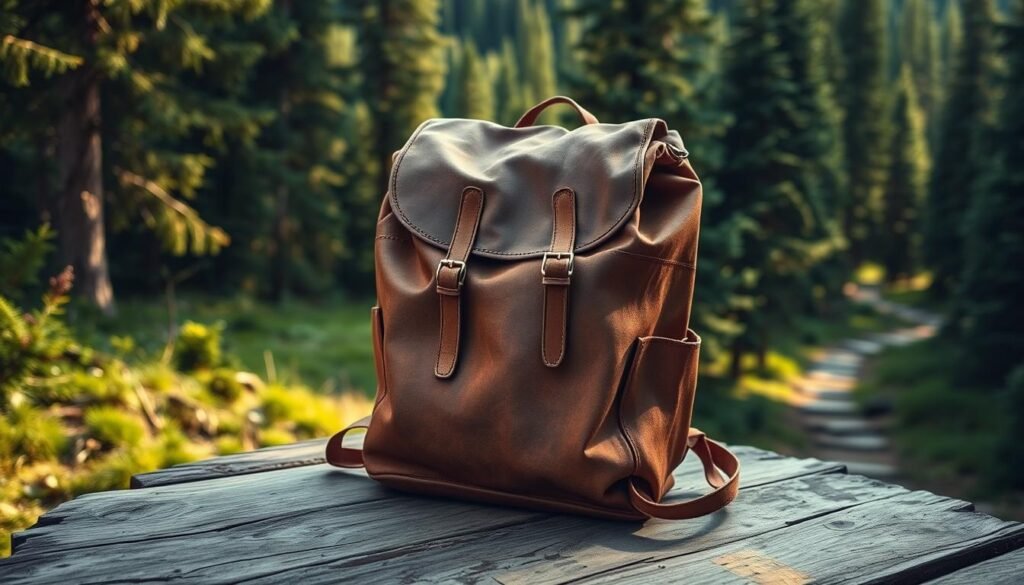
First rule: keep the wet out and the soft in. I drop a heavy-duty trash bag liner into the main compartment before I add gear. If skies open, clothes and my sleeping bag stay dry without a pricey cover.
Protect the inside of your pack
I tuck essentials into the liner and fold the top over the rim. It’s fast to do when rain hits and it means water pools outside, not on my layers.
Make a pillow from what you already own
My sleeping bag case doubles as a pillow by stuffing it with soft shirts and a base layer. It gives custom firmness and weighs nothing extra.
Roll tight, stuff smarter
Rolling shirts into socks compresses bulk and frees space for food or a comfort item on a short trip. I keep small items in a zip bag at the top so I’m not digging when light falls.
- Quick A/B test: pack one trip with the liner, one without — notice the difference if it rains.
- Place a strip of tape on the outside of the bag to mark your grab side and speed setup.
| Problem | What I do | Benefit |
|---|---|---|
| Wet weather | Trash-bag liner in pack | Clothes and sleeping bag stay dry |
| No pillow | Stuff sleeping bag case with clothes | Comfort without extra weight |
| Too much bulk | Roll shirts into socks | Frees space for food or small gear |
camping diy kitchen upgrades that feel pro (but cost almost nothing)
I learned early that a tiny kitchen tweak can turn a chaotic meal into a breeze.
Make one upgrade per meal and notice how fast the site calms. My chuck box keeps all my cooking gear in one place. Stackable crates do the same and slide from trunk to table in seconds.
Handwash + paper setup
I turn an empty detergent bottle into a handwashing station with a spigot and strap a paper towel roll on top. It feels like home and saves time fetching water.
Simple cook tricks
I cook fruit desserts in orange peels wrapped in foil and buried in coals. I also pre-crack eggs into a clean bottle so pouring is spill-proof and fast at breakfast.
Cleanup and seasonings
Before flames hit the pot, I soap the outside so soot wipes off later. For flavor, I make spice “straws” by filling short plastic tubes and heat-sealing the ends. Three straws—salt, chili, cinnamon—lift any simple meal.
“Try one small upgrade tonight—your next meal might be the best of the trip.”
| Hack | Effort | Benefit |
|---|---|---|
| Chuck box / stackable crates | Low (build once) | Quick access to cooking gear; faster setup |
| Detergent bottle handwash + paper | Low (one bottle) | Clean hands, less water waste, home-like convenience |
| Orange-peel cooking / pre-cracked eggs | Low (prep at home) | Fun meals, less mess, faster breakfast |
| Soaped pots & spice straws | Low (prep small) | Easy cleanup; bold flavors with tiny weight |
Smart campsite organization that keeps chaos at bay
Good organization at the site saves evenings; I set one low-effort system and build from there.
Tiny holders, big wins: I save bread tags and use them as ultralight clothespins. They take almost no room in my bag and hold wet socks or a towel on a line.
Loop a belt around a tree and hang S-hooks for a quick drying rack. The pots get air, wet gear drains, and bugs stay off the table.
Paracord plus carabiners becomes an overhead shelf for headlamps, water bottles, and the small gear I prefer off the ground. When needed, the same rope works as a bear-hang.
I also stash a folding shoe organizer for the whole family. Sunscreen, spoons, and tiny tools stop vanishing when each item has a pocket.
- I mark tent lines and stakes with bright tape or mini flags so midnight trips end in near-misses, not stubbed toes.
- I keep one small box for camp fixes—cord, hooks, tape—always reachable, never buried in a tote.
“Try one organizer this outing—belt rack or shoe pocket—and notice how much calmer your tent area feels.”
Safety, repairs, and “wish I’d known” tricks
A few quick tricks keep small problems from turning into full-blown headaches. I carry a handful of tiny fixes that save time and worry on a wet night or windy morning.
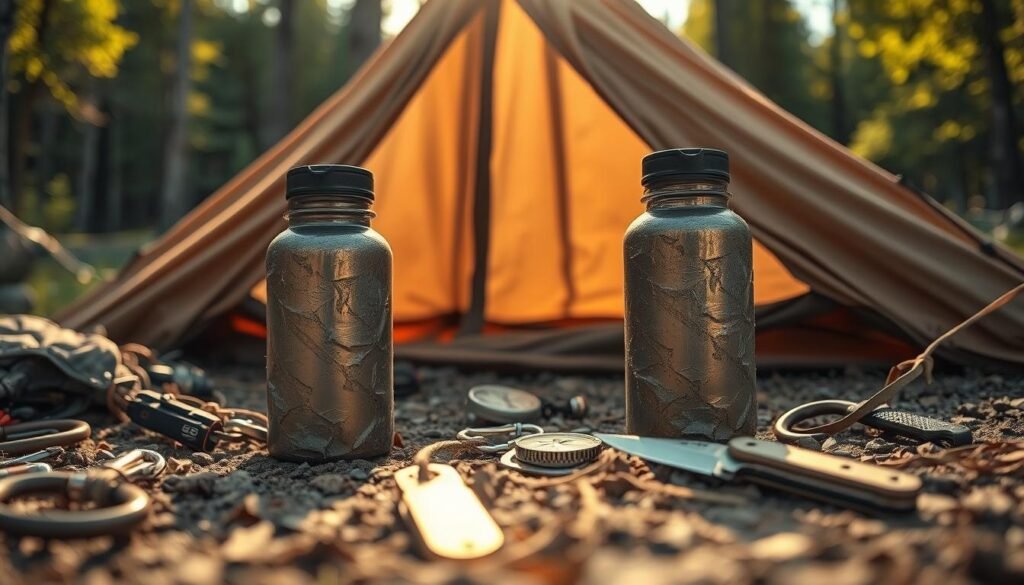
- I wrap a few feet of duct tape around my water bottle so repairs are on hand without digging through the bag.
- Silica gel packets live with my cookware between trips to stop rust. It’s one small step that pays off next season.
- Rub candle wax on tent and bag zippers once and they glide instead of snagging—simple and satisfying.
- My backup water plan: pre-filter murky water through cloth, pour through a charcoal funnel made from a cut bottle (cap with a hole, crushed charcoal, sand or grass on top), then boil for safety.
- I teach kids the acorn-cap whistle on walks. It’s a fun skill and a quiet way to get found.
- A boredom box—cards, stickers, small crafts—keeps weather days calm and makes a trip feel easier for everyone.
- Dryer sheets in a pocket help repel gnats; bright tape marks low tent lines so no one trips in the dark.
- If there’s no restroom, a 5-gallon bucket plus a trash liner and a pool noodle rim makes a cleaner portable toilet option.
“Small habits—soap on the pot before cooking, a wrapped roll of tape on a bottle—save more evenings than one big piece of gear.”
Ready to make camping feel effortless next time?
Start your next outing with one experiment and let the little wins pile up. ,
I pick one tiny change for each trip. Try the headlamp-inside-a-water-jug lantern or toss a pinch of sage on the coals. Both make the evening calmer fast.
For practical gains, line your pack with a trash bag, wrap tape on a water bottle, or set up a detergent-bottle handwash with a paper-towel holder. Pack a boredom box for kids and use a chuck box or stackable crates so setup moves from trunk to campsite in seconds.
Try one hack on your next camping trip—maybe a hot water bottle and sleeping-only socks—and watch how small fixes add up. Stay curious, test one idea next time, and keep what works for your family and gear.
FAQ
How can I keep my sleeping bag warm without buying new gear?
I pre-warm my bag with a hot water bottle placed at the bottom before I climb in. I also stash tomorrow’s clothes inside the bag overnight and keep a sacred pair of sleeping-only socks in it. These small moves add insulation and cut heat loss without extra bulk.
What’s a simple way to start a fire when I don’t have kindling?
I use dried corn chips or Doritos as emergency tinder — they catch fast and burn hot. I also pack cotton balls smeared with petroleum jelly or keep dryer lint in a small container. For reliable matches, glue a strip of fine sandpaper inside the matchbox lid so strikes work in damp conditions.
How do I make a tent lantern using items I already own?
I fill a gallon jug with water and clip my headlamp facing inward; the jug diffuses the light into a soft lantern. It’s lightweight, cheap, and creates pleasant ambient light inside the tent or on the picnic table.
What lightweight tricks keep clothes and sleeping gear dry in wet weather?
I line my pack with a sturdy trash bag to create a waterproof barrier. I also stuff my sleeping bag case with daytime clothes so the bag stays dry and doubles as a pillow, maximizing space and protection.
Any easy hacks to organize a camp kitchen without spending much?
I build a simple chuck box from stackable crates to keep cookware and spices in order. I turn an empty detergent bottle into a handwashing station and use a paper towel roll holder for easy access. Pre-cracking eggs into a bottle saves mess, and soap on the outside of pots helps cleanup in the field.
How can I reduce bugs around the fire using natural items?
I toss dry sage or rosemary into the fire. The smoke helps repel mosquitoes and smells better than chemical sprays. It’s a nice touch that improves the whole evening without extra gear.
What are quick campsite fixes for ripped fabric or broken gear?
I keep a small roll of duct tape wrapped around a water bottle for instant repairs to tents, packs, or shoes. Paracord and a few carabiners handle many hanging or repair jobs. For stubborn zippers, candle wax smooths the teeth and restores function.
How do I make more space in my pack for an extra trip item?
I roll shirts into socks and use compression by stuffing the sleeping bag case with clothes for a compact pillow. Every inch counts, and these little packing moves free up room for that extra water bottle or stove accessory.
What’s a low-cost way to keep pots and pans rust-free between outings?
I tuck a few silica gel packets into cookware storage to absorb moisture. Wiping pans dry, applying a thin layer of oil, and storing them wrapped in a dry cloth also prevents rust during longer gaps between trips.
How can I make a kid-friendly boredom box that actually works?
I pack a small box with simple items: a deck of cards, colored pencils and a pad, a compact acorn-cap whistle for games, and a few small toys. Rotate items between trips so everything feels new, and include a compact snack or two for extra motivation.
0 Comments