There is a quiet hour after I pitch my tent when the world slows and the fire takes over. I learned to use that time to breathe, not stir a pot for hours. That lesson came from packing smart and making dishes ahead so I could soak in the sunset.
My approach centers on easy reheats for arrival night — things like chicken tortilla stew, pulled pork, or a tray of mac and cheese with crispy edges. For mornings I rely on breakfast burritos, baked egg muffins, French toast casserole, and oatmeal cups that warm on a grill grate.
I keep a well-packed cooler, ice blocks, a cast-iron skillet and a Dutch oven ready. That kit kept food safe and made cooking over coals simple. I also write notes on fuel, grate height, and which items travel best so my next camping trip runs smoother.
Key Takeaways
- Plan a fast reheat-and-eat dinner for arrival to prioritize time outside.
- Choose make-ahead recipes that reheat well in cast-iron or foil pans.
- Pack the cooler intentionally: ice packs, frozen blocks, and separation for proteins.
- Balance hot cookouts with no-cook or low-fuel backups for bad weather.
- Bring flexible components and simple sides to stretch each dish into new meals.
Why make-ahead camping meals save me time, mess, and sanity
When the tent is up and the kids are settled, a ready-to-warm dinner ends the chaos fast. I learned that make-ahead camping choices shrink setup stress and put more of the evening back into our hands.
Make ahead food means I can stake guylines, unpack sleeping bags, and still have a hot dinner without juggling raw ingredients. Pulled pork, sloppy joes, white bean chili, and mac and cheese all reheat quickly over coals or on a grill grate.
Prepped breakfasts and lunches reduce cutting boards at the picnic table. Fewer dishes mean fewer critter attractants and a tidier site. Sides like coleslaw and potato salad stay cooler-ready and fill plates fast.
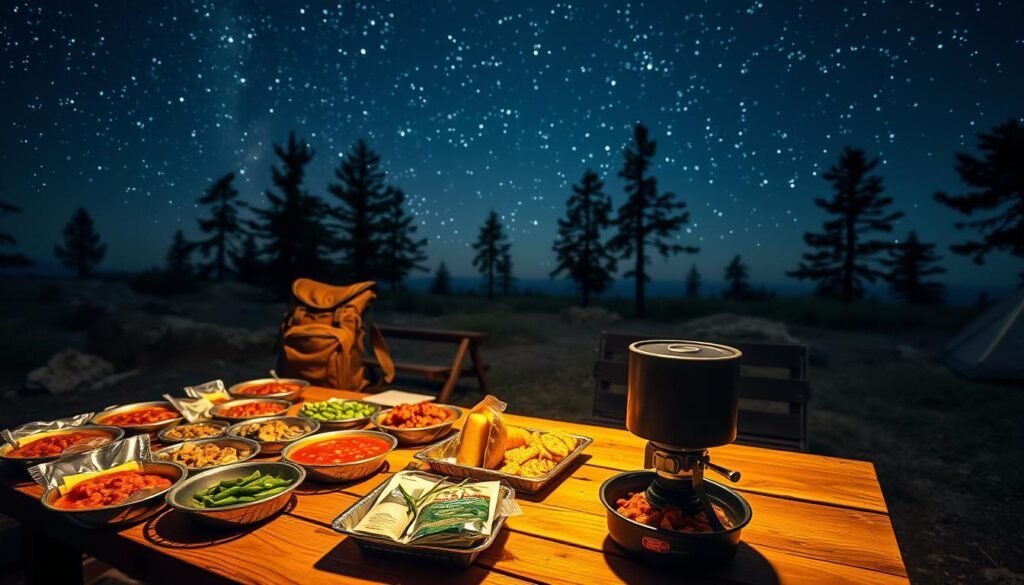
- I portion and label pans so the right dish hits the fire at the right time.
- My first-night dinner rule gets everyone fed while I finish setup.
- Cleanup drops to foil, a spoon, and one skillet—less time washing, more time by the fire.
I noticed our camp rhythm improved when I stopped improvising dinner at dusk.
My camping meal prep timeline from home to campsite
Timing is everything: I schedule what gets cooked, chilled, and packed so meals finish fast on site.
Two to three days out, I lock the menu, check fire rules, and shop for grill-grate and Dutch oven friendly ingredients.
Two to three days out: plan, shop, and batch-cook proteins
I batch-cook ground beef, shredded chicken, or pulled pork so taco skillets and chilis come together with minimal tools.
I also pre-chop hardier vegetables and portion dry mixes like cornbread or brownies to avoid flour clouds at the table.
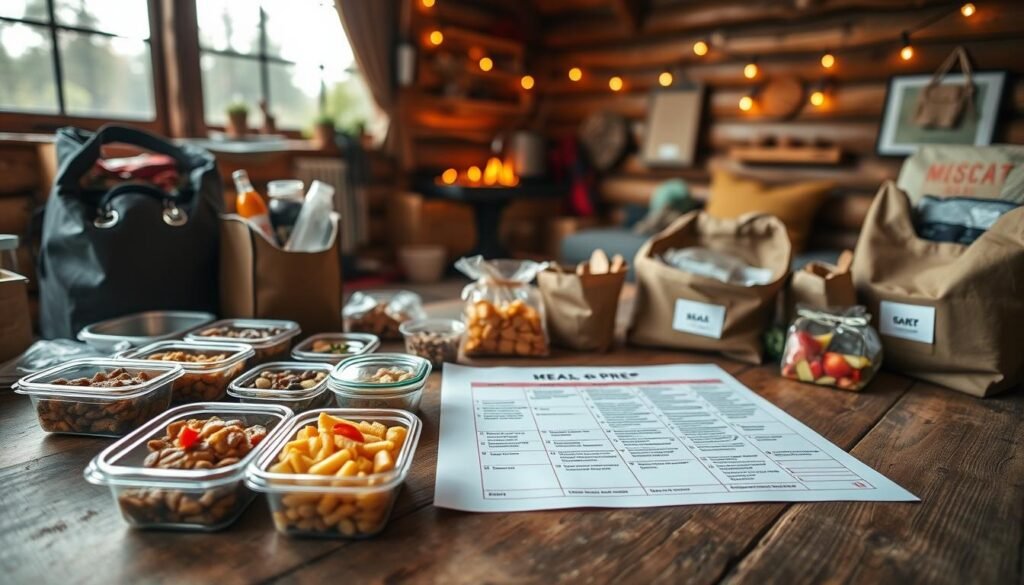
Day before: assemble casseroles, foil packets, and sauces
The day before I load mac and cheese or enchiladas into foil pans and assemble Mediterranean chicken, fajitas, and ranch potato bundles.
I mix sauces in leak-proof containers and crack eggs into a wide-mouth bottle so pancakes and bakes travel cleanly.
Morning of: chill everything, pack cooler, load fire-friendly pans
On the morning of departure I chill items thoroughly, freeze blocks for the bottom of the cooler, and layer foods by use order.
I label pans—“setup night dinner,” “day 2 breakfast”—and pack cast-iron, a Dutch oven, long tongs, gloves, and a trivet.
“A small first-access bag with lunch, snacks, and drinks keeps the road or trailhead hassle-free.”
- Quick wins: batch-cooked proteins, ready foil pans, jarred sauces, and a clear cooler layout save time at the site.
Pack the cooler like a pro: cold-chain strategy that actually works
My cooler strategy starts with zoning: coldest on the bottom, grab-and-go on top.
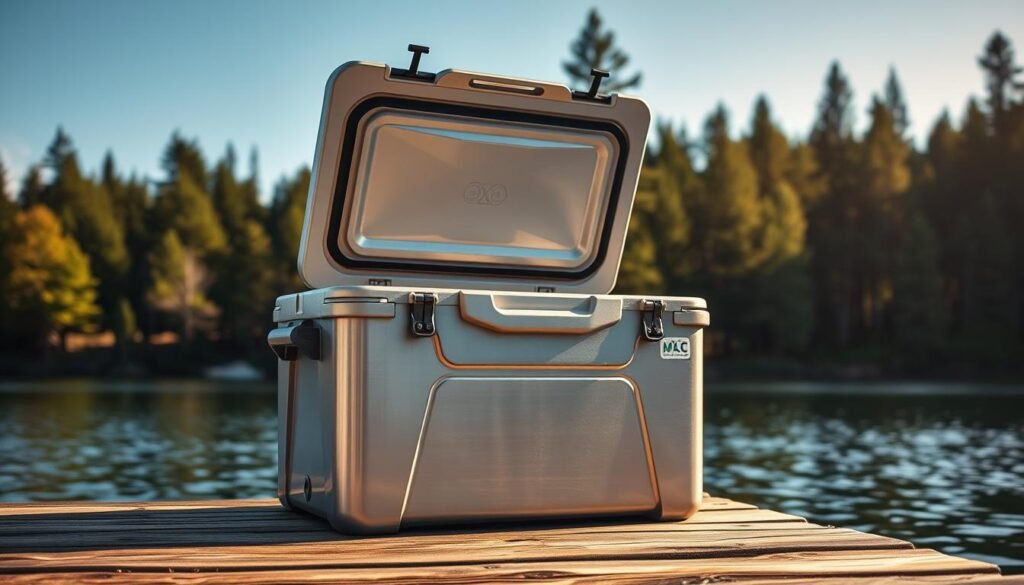
Ice packs, frozen blocks, and layering
I start with frozen blocks on the bottom and tuck raw proteins at the very bottom so the highest-risk items stay cold the longest.
I stack pre-chilled foil pans and casseroles above the blocks. Gel packs between layers keep temperatures steady for days.
Smart containers and labeling
I use leakproof, flat containers and label everything big and bold. That cuts lid-open time and keeps cold air in.
Salads like coleslaw, pasta salad, and potato salad ride safely for a few days when chilled correctly. Instant Pot corn chills well and finishes on the grill.
Top and bottom zones for quick access
Ready-to-eat items—breakfast burritos, muffins, and snacks—live in the top zone for fast grabs.
I pack beverages in a separate cooler when I can. If not, I keep them in a front corner so I don’t warm the whole chest.
“A simple access plan—left for lunches, right for dinners, top for condiments—keeps our site moving.”
| Zone | Contents | Why it works |
|---|---|---|
| Bottom | Frozen blocks, raw proteins | Coldest zone protects high-risk food |
| Middle | Pre-chilled casseroles, reheatable pans | Even temps for multi-day freshness |
| Top | Ready-to-eat items, today’s meals | Quick access reduces open-lid time |
Core camp cooking gear I never leave home without
My kit is built to do serious work at the site. I choose items that survive heat, grit, and a hurried cleanup. That makes cooking faster and less stressful when the sun dips low.
Cast-iron skillet and Dutch oven for fire and grate cooking
The cast-iron skillet is my go-to for searing, reheating, and one-pan finishes over a grate. It browns sliders, warms burritos, fries eggs, and crisps corn with dependable heat retention.
The dutch oven is a true workhorse. With coals on the lid it bakes cobblers, stews, soups, and brownies evenly. I bring it for meals that benefit from even top and bottom heat.
Foil pans, heavy-duty foil, and a sharp knife that pulls its weight
I use foil pans and heavy-duty foil to batch reheat dishes and cut dishwashing time. They handle casseroles and quick bakes and keep fragile cookware out of the fire.
A sharp, full-tang knife is non-negotiable. It slices proteins, trims veggies, and breaks down the day’s catch on a sturdy board with safety and speed.
- Long tongs, lid lifter, welding gloves, and a trivet for safe fire control.
- Compact grill grate when sites lack a usable surface.
- Meat thermometer, timer, collapsible sink, biodegradable soap, and a scraper for clean and safe service.
“Gear that is multipurpose and built for open heat keeps dinner simple and reliable.”
Staging everything together means when the campfire is ready, I am too. I pack by use order so I can focus on flavors and ingredients, not fishing through bins.
Safety first: food temps, reheating over the campfire, and storage
I treated food safety as part of the trip plan, not an afterthought at dusk. That mindset kept everyone healthy and the evenings calm.
Cooler strategy: I seal raw proteins at the bottom, pack frozen blocks underneath, and keep ready-to-eat items on top.
I reheat casseroles, sloppy joes, pulled pork, and chilis over the campfire or on a stove until they are steaming hot through the center.
Dutch oven trick: I use a lid-and-coal setup to warm trays evenly so the center reaches safe temps without burning the edges.
“Rotate high-risk items first and limit open-lid time to protect chilled sides like coleslaw and potato salad.”
- I use separate utensils and color-coded silicone bags to avoid cross-contamination at the campsite.
- I portion leftovers thin for quick chilling or serve them right away to avoid the danger zone.
- If temps spike, I trade in more no-cook options and shelf-stable snacks to protect the cooler.
- I bring sanitizer spray and paper towels for fast surface cleanup.
| Risk | Action | Why it matters |
|---|---|---|
| Raw proteins | Bottom of cooler, sealed, separate utensils | Prevents cross-contamination |
| Reheats | Steam-hot on grate or Dutch oven | Ensures safe internal temps |
| Cold sides | Keep chilled until plating | Limits time in danger zone |
Planning the order of what I eat by storage limits saves time and keeps every meal safe and enjoyable.
Make-ahead camping breakfasts that get my day started fast
The trick is prep at home so mornings at the site are quick and predictable. I favor foods I can finish over coals or grab out of the cooler and eat while the coffee brews.
Breakfast burritos, egg muffins, and oatmeal cups ready to reheat
Breakfast burritos get wrapped individually in foil so I can toss them on a grill grate for five minutes and hand one to early hikers.
Egg muffins travel well in a flat container and reheat covered in a skillet. Baked oatmeal cups warm on a griddle or pair cold with yogurt.
French toast casserole, sheet pan pancakes, and breakfast sliders
A French toast casserole goes into a foil pan at home and finishes over coals for a crowd. Sheet pan pancakes and sliders crisp fast on a hot grate or skillet.
Granola and overnight oats for no-cook mornings
Overnight oats give a chilled option for hot desert starts. Granola, morning glory muffins, and pre-portioned toppings make assembly at the picnic table fast and satisfying.
- I label packs by day so favorites last and variety stays high.
- I keep simple ingredients—tortillas, eggs in a bottle, firm fruit—so breakfasts come together without fuss.
“A small warming area off to the side keeps batches hot while everyone rolls out of tents.”
Easy camp lunches I assemble in minutes at the picnic table
When the trail brings us back hungry, I reach for lunches that need little heat and zero fuss. I favor no-cook or low-fuel options that travel well and keep the afternoon light.
Chicken salad roll-ups, egg salad, and tuna salad
Chicken salad roll-ups travel well and wrap into tortillas for a handheld fix. Egg and tuna salads are protein-rich and ready straight from the cooler.
I portion these into jars or flat containers so assembly at the campsite is fast and tidy.
Sliders and loaf sandwiches: cheeseburger and chicken Parmesan
Cheeseburger and chicken Parmesan sliders heat in one foil pan and feed the table in minutes. A single loaf sandwich, like Philly or a club, reheats on a small skillet for a warm, shareable bite.
Cold salads: chickpea, Greek bean, Tex-Mex pasta salad
Big-batch cold salads hold up for days and convert to wraps or pita pockets. I pre-portion crunchy toppings and pickles so textures stay bright.
- I design lunches around minimal ingredients so I save time and keep the cooler organized.
- I label boxes by day to avoid extra lid-open time at the campsite.
- A tiny skillet covers warm sliders without a big fire when we want heat.
| Type | Best For | Cook Level |
|---|---|---|
| Protein salads (chicken, egg, tuna) | Quick wraps, crackers | No-cook |
| Sliders & loaf sandwiches | Warm group lunches | Low heat / skillet or foil pan |
| Cold salads (chickpea, Tex-Mex) | Energy after hikes | No-cook |
| Pre-portioned toppings | Texture & flavor boost | No-cook |
“A little hot sauce, olive oil, and lemon packet go a long way.”
Tip: Use make ahead camping routines to prep components at home. That saves time and keeps noon simple so I can enjoy the rest of the day with easy meals.
Dutch oven and skillet dinners I prep at home, finish over fire
I stage hearty one-pot dinners at home so the last step at the site is only heat and a quick stir. This saves time and lets me enjoy the evening instead of fussing over long cooks.
What I make ahead: chicken tortilla stew and white bean chili freeze flat in bags so they slide into a dutch oven to thaw and simmer over coals. Potato soup gets pre-cooked potatoes and sautéed aromatics; it warms gently under a lid for even heating.
Skillet finishes and one-pan wins
My taco skillet uses pre-cooked ground beef with spices ready to sizzle. Beef stroganoff reheats silky in cast iron with a final stir to keep the sauce glossy. Mac and cheese in a foil pan gets smoky, crispy edges on the grate that everyone fights over.
- I portion ingredients so dinner hits the fire as soon as the ring is ready.
- A small coal bed underneath and briquettes on the lid make a reliable outdoor oven.
- I bring tortillas, chips, and crusty rolls so leftovers become next-day lunches.
- I time dinner for daylight in shoulder seasons so I can check doneness without rushing.
| Dish | Make-ahead step | Finish method |
|---|---|---|
| Chicken tortilla stew | Freeze flat in bags | Dump in dutch oven over coals |
| White bean chili | Batch cook, chill | Simmer slowly for best flavor |
| Potato soup | Pre-cook potatoes & aromatics | Warm in dutch oven with lid coals |
| Mac & cheese / Stroganoff | Assemble or pre-cook components | Crisp edges on grate or finish in skillet |
“A simple make ahead recipe and a steady coal bed save more time than any shortcut.”
Foil packet favorites for the campfire
Foil packets turned my dusk cooks into a five-minute finish and almost no cleanup. They are the simplest way I keep dinner hot and dishes minimal when we’re at a tent site.
Mediterranean chicken and veggies, steak fajitas, and ranch potato bundles travel well when layered, sealed, and labeled at home. I assemble pouches so all I do at the ring is place them on coals and wait for steam.
- I assemble foil packets at home so dinner is just flipping pouches over steady coals until steamy and tender.
- Mediterranean chicken with veggies gets bright, herb-forward flavor and minimal cleanup at the fire ring.
- Steak fajita packets deliver sizzling beef and peppers without a skillet—open, stuff tortillas, and eat.
- Ranch potato bundles crisp on the edges in their own fat and work as a side or main.
- I double-wrap with heavy-duty foil to prevent leaks and rotate packets halfway for even cooking.
- I label pouches by protein so everyone grabs their favorite without guesswork.
Quick wins: a small grate tames hot spots, a cooler salad fills plates, and leftover packet fillings turn into a great breakfast hash the next morning.
“Foil dinners are a make ahead hero when I want hot food but no sinkful of dishes.”
Chicken, beef, and veggie mains: my make-ahead protein playbook
I rely on multi-use proteins that stretch one effort into several quick campsite dinners.
Flexible bases save me time and keep menus interesting. I batch BBQ chicken and pulled pork so they slide into sliders, nachos, or bowls with one warm-up. Meatballs in marinara become subs or a quick pasta topping over the grate.
BBQ chicken, pulled pork, and meatballs for sandwiches and bowls
- BBQ chicken: saucy batches for wraps, bowls, or nachos.
- Pulled pork: a Swiss army knife—sliders, tacos, skillet hash.
- Meatballs: simmered in sauce, ready for subs or pasta in minutes.
Veg-forward options: lentil sloppy joes, tofu skewers, grillable veggie burgers
Lentil sloppy joes give comfort without extra raw protein in the cooler. Tofu skewers marinated and threaded hold up on the grate and pick up great smoke. Grillable veggie burgers keep their shape and char nicely for a meatless night.
“Batch and freeze flat so proteins thaw fast and slip right into a Dutch oven or skillet.”
Mix a few toppings—slaw, pickles, hot sauce—and the same protein turns into several meals, cutting cleanup and keeping dinner reliable.
Hot dogs, pretzel dogs, and crowd-pleasing campsite classics
When sun dips and appetites spike, I lean on simple, satisfying favorites that cook fast and please everyone.
I always pack a hot dog night — it’s the fastest dinner when the light is low and people are hungry. Pretzel dogs travel well and reheat beautifully wrapped in foil. I make a batch at home so they slide onto the grate or into coals in minutes.
I bring a small pot of chili to crown dogs or burgers and turn a simple bun-and-beef bite into something hearty. Cooler sides like coleslaw and potato salad round out the plate and cut cleanup.
“A toppings bar—mustard, relish, pickled jalapeños—keeps everyone happy and speeds service.”
- I toast buns on the grate for instant flavor and no extra dishes.
- If fire rules change, I pan-sear dogs on the stove and still serve fast.
- Extra pretzel dogs become next-day grab-and-go lunches for hikes.
| Classic | Travel tip | Best finish |
|---|---|---|
| Hot dogs | Pack in a flat tray, keep chilled | Grate-toast or pan-sear |
| Pretzel dogs | Make ahead, double-wrap in foil | Reheat on coals or grate |
| Chili-topped | Bring in a small pot | Warm on stove or dutch oven |
Side dishes that hold up in the cooler and boost flavor
Bright, cold sides save fuel and add texture when the main is hot from the grate. They also cut decisions at the table and keep dinner moving when light fades.
- I rely on potato salad for a sturdy, satisfying side that keeps its shape and stays great in the cooler for days.
- Coleslaw’s crisp bite and tangy flavor cut through rich pulled pork or BBQ chicken sandwiches perfectly.
- Marinated beans—tossed with basil, tomato, and olive oil—feel fresher than baked beans and pair well with grilled mains.
Corn cooked in an Instant Pot at home chills fast and then browns in minutes on the grill for a smoky finish. A quick char turns chilled ears into a warm, caramelized side with almost no stove time.
Practical tips I use:
- I portion sides into flat containers so they chill quickly and stack neatly in the cooler.
- I pre-label containers with serving suggestions to speed decisions at the picnic table.
- A little cheese crumble or a fresh herb packet lifts flavor without extra work on site.
“When I’m running a Dutch oven for a main, chilled sides give balance and keep cleanup tidy.”
| Side | Best with | On-site finish |
|---|---|---|
| Potato salad | Chili-topped dogs, burgers | Serve cold |
| Coleslaw | Pulled pork, grilled chicken | Serve cold |
| Instant Pot corn | Steaks, ribs, tacos | Quick char on grate |
Snacks, desserts, and drinks I prep ahead for the firelight
A small stash of ready-to-serve sweets and sips keeps our evenings slow and social. I pack treats that travel well and finish with minimal fuss so the night stays about the group, not the kitchen.
Morning glory muffins pull double duty as a quick breakfast or a trail snack with camp coffee. They hold up in a flat container and taste better after a day outdoors.
Muffins, rolls, and other easy bakes
Cinnamon rolls can be baked ahead and rewarmed in a foil pan for a sweet nightcap. I use parchment and a heat-safe spatula to lift loaves and muffins cleanly from the Dutch oven.
Brownies, cocoa, and simple cocktails
Dutch oven brownies are my go-to dessert: line with parchment, pour batter, and bake with a few coals on the lid for a fudgy finish. A jar of hot cocoa mix whisks with hot water and marshmallows for instant warmth.
- Pre-mixed cocktails ride in mason jars—pour over ice and drink without a full bar kit.
- I keep a small snack bin—nuts, jerky, granola—for hunger between cooks.
- Timers and a few top coals help me nail dessert doneness without lifting the lid too often.
“These make ahead treats are my favorite way to linger longer under the stars with minimal effort.”
My favorite make-ahead camping meals for a three-day trip
My three-day menu stacks easy first-night reheats, hearty mid-trip dishes, and a low-cleanup finale. I pick items by fridge life and by how much time I want to spend at the campsite.
Day one: reheat-and-eat dinner for setup night
What I do: set up the tent, start a small coal bed, and reheat a dutch oven white bean chili or pulled pork sliders so dinner lands fast.
I serve sides straight from the cooler—coleslaw or potato salad—to save time and dishes.
Day two: hearty breakfast, cold lunch, fire-cooked dinner
Breakfast is foil-wrapped burritos or a French toast casserole with melted cheese for a crowd. Lunch is Tex-Mex pasta salad and cheeseburger sliders warmed on the grate.
For dinner I pick a taco skillet or dutch oven mac and cheese with a quick veggie side. Coals do most of the work, so I save fuel and time.
Day three: no-dish breakfast and foil-packet finale
I eat granola or overnight oats while I pack to keep dishes to a minimum. The finale is foil packets—Mediterranean chicken and veggies, steak fajitas, or ranch potato bundles—that cook evenly and clean up fast.
“I spread higher-risk proteins earlier and favor veggie-heavy recipes late to protect cooler life and relax more.”
| Day | Key Breakfast | Key Dinner |
|---|---|---|
| One | Reheat-friendly hot entrée | White bean chili / pulled pork sliders |
| Two | Foil burritos / French toast | Taco skillet / Dutch oven mac & cheese |
| Three | Granola / overnight oats | Foil packets (chicken, fajitas, potatoes) |
Prep shortcuts that cut dishes and save fuel
I shave minutes and gear by finishing big tasks at home so the fire only needs to warm and finish. That habit reduces stove time and keeps cleanup to a minimum.
Pre-sliced veggies, pre-cooked meats, and jarred batters
I pre-slice sturdy vegetables and seal them in silicone bags. Tossing peppers and onions into a skillet or foil packet takes seconds and avoids a cutting board at the site.
I also cook ground beef and shred chicken at home. With proteins ready, dinners become quick assembly jobs that use less fuel and less flame time.
Jarred batters for pancakes or cornbread save bowls and spills. Pour, cook, and wipe a single bottle—easy and tidy.
Cracked eggs in a bottle and dry-mix kits for camp baking
Cracking eggs into a wide-mouth bottle keeps shells out of the pan and makes pouring onto a hot skillet effortless.
I batch dry-mix brownies, biscuits, and cakes. At the site I add water or oil, stir in the bottle, and bake in a Dutch oven or foil pan.
- I portion oils, spices, and sauces into tiny leak-proof containers.
- I use color-coded bags so “ready-to-eat” and “cook-first” items stay organized in the cooler.
- I keep a checklist with a whisk cap for batter bottles so I don’t forget small tools.
“Most of the work belongs at home; on site I just warm, assemble, and eat.”
| Shortcut | What I do at home | On-site benefit |
|---|---|---|
| Veggies | Slice and bag | Quick toss, no board |
| Proteins | Pre-cook & portion | Faster finish, less fuel |
| Baking | Dry-mix kits | No messy bowls, reliable results |
camping meal prep: how I turn a plan into effortless meals outdoors
A simple framework at home means dinner is fast and cozy once the tent is pitched.
I lean on a few prepped mains—white bean chili, pulled pork, mac and cheese—plus cold-chain discipline and trusty gear. strong, a cast iron, Dutch oven, and foil pans handle most finishes and cut cleanup down.
My way balances hot dinners with no-fuss lunch options so I am free all day to hike or swim. I label, layer the cooler, and portion sides like coleslaw and potato salad to keep food safe and plates fresh.
With a make-ahead camping mindset I save time, serve safe hot food, and end nights with hot cocoa or Dutch oven brownies. That routine trades kitchen stress for more stars, stories, and slow evenings by the fire.
FAQ
How far ahead do I plan and shop for a weekend trip?
I start planning two to three days out. That gives me time to shop, batch-cook proteins like chicken or beef, and assemble make-ahead dishes so mornings at the site stay easy.
What do I cook the day before to make mornings simple?
The day before I assemble casseroles, foil packets, and sauces, and portion breakfasts such as egg muffins or burritos. I cool everything quickly, label containers, and freeze blocks that double as ice in the cooler.
How do I pack the cooler to keep food safe for days?
I use a cold-chain strategy: frozen water blocks and ice packs on top, raw proteins on the bottom shelf nearest the coldest area, and ready-to-eat foods higher up. I layer with insulated bags and keep a small thermometer inside.
Which containers and labels work best for quick meals at the picnic table?
I use clear plastic containers and heavy-duty foil for hot items, plus waterproof labels with meals and reheating notes. That saves time deciding what to heat for breakfast, lunch, or dinner.
What core cookware do I never forget?
I always bring a cast-iron skillet and a Dutch oven for grate and fire cooking, plus foil pans and a sharp chef’s knife. They handle everything from searing steaks to baking cobblers over coals.
How do I reheat food safely over a campfire or grill?
I reheat to 165°F for leftovers and use tongs or heatproof mitts to handle pans. I stir stews and soups to avoid cold spots and keep perishable items chilled until right before heating.
What quick breakfasts can I make at home and reheat at camp?
I pre-make breakfast burritos, egg muffins, and oatmeal cups. French toast casserole and sheet-pan pancakes also travel well and reheat nicely in the Dutch oven or a skillet.
Which lunches assemble fast at the table?
I bring chicken salad roll-ups, tuna or egg salad, and pre-sliced sliders. Cold salads—like Greek bean, chickpea, or Tex-Mex pasta—are grab-and-go and hold up well in the cooler.
What dinners do I prep at home and finish over the fire?
I pre-cook bases like chili, chicken tortilla stew, or potato soup. At the site I warm them in a Dutch oven or skillet and add quick toppings like cheese, cilantro, or crushed chips.
Are foil packets worth the effort?
Yes. Mediterranean chicken with veggies, steak fajitas, and ranch potato bundles are layered, sealed, and cook evenly over coals. They reduce dishes and concentrate flavor.
How do I handle proteins for sandwiches and bowls?
I bring pre-shredded BBQ chicken, pulled pork, and meatballs in sealed containers. They reheat quickly and let me assemble sandwiches or bowls with minimal gear.
What are good vegetarian mains that travel well?
I pack lentil sloppy joes, tofu skewers, and grillable veggie burgers. They store easily in the cooler and grill or pan-sear for a satisfying dinner.
Any tips for crowd-pleasing classics like hot dogs?
I precook bratwurst or pretzel dogs, chill them, and reheat over the grill. Pre-sliced cheeses, buns in a dry cooler compartment, and condiments in squeeze bottles speed service.
Which side dishes survive the cooler and still taste great?
Potato salad, coleslaw, and marinated beans hold up well. I also pre-cook corn on the cob in an Instant Pot and reheat on the grill—minimal mess, big payoff.
What desserts and snacks do I prep ahead for evenings?
I bake muffins and morning-glory bars, stash Dutch oven brownies, and mix hot cocoa or pre-mixed cocktails in jars. They’re easy to portion and bring out after the last log burns low.
How do I streamline dishes and fuel use while cooking at the site?
I pre-slice veggies, use pre-cooked meats, and rely on jarred batters for pancakes. One-pot dishes and foil packets cut down on washing and keep fuel use low.
What’s my go-to plan for a three-day trip?
I start with a no-cook or reheat dinner on night one, a hearty breakfast and cold lunch on day two with a fire-cooked dinner, and a simple breakfast plus foil-packet finish on day three for easy cleanup.
0 Comments