I still remember the first night I cooked beside the tent — rain on the tarp and the whole camp leaning in for a warm bite. I wanted a single, reliable approach to prepare food that needed minimal gear and no extra pans. That need shaped how I test every recipe for the trail.
My aim is practical: a single vessel from start to finish so I can spend less time fussing and more time under the stars. I use techniques like rinsing rice to avoid gummy grains and letting pasta release starch for a creamy sauce without a roux.
I favor dishes such as tomatoey, cheesy pasta with shallots or sausage with peppers and potatoes because they travel well and cook cleanly on a grate or skillet. These dinners save water, fuel, and editing my pack list down to essentials.
Key Takeaways
- My camp cooking uses a single vessel so prep and cleanup are fast.
- Simple techniques—rinsing rice, relying on pasta starch—boost texture.
- Proven recipes adapt well to a Dutch oven or wide skillet over coals.
- These dishes cut wash-up and save fuel when water is scarce.
- I keep a tight list of go-to ideas to pack light and eat well at camp.
Why I Rely on One-Pot Dinners When I’m Tent Camping
On trail nights I lean on quick skillet dinners that let me stop cooking and start stretching by the fire.
Fewer dishes, less water: real campsite advantages
Washing at camp is slow and water is limited. I use a single pan so gray water stays minimal and Leave No Trace rules are easy to follow.
Simple combos—sausage, potatoes, onions, and pepper—cut prep and waste. Tomato-based pastas and skillet dishes also pull together fast and thicken as they reduce.
Hands-off cooking time so I can enjoy the outdoors
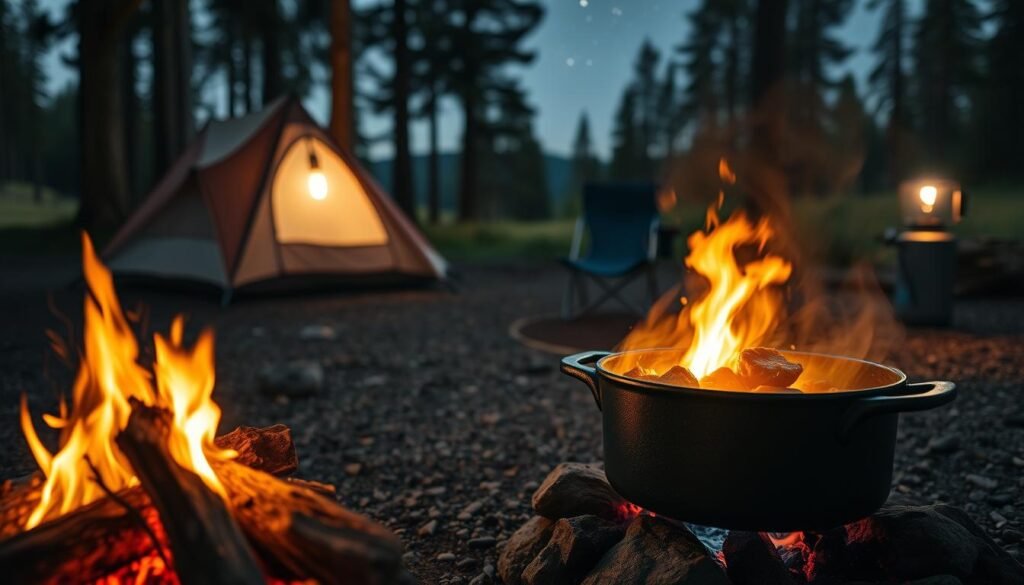
With steady simmering I get hands-off minutes to refill bottles, check bear boxes, or sit with my family near the fire.
I build flavor in stages—brown, add tomatoes or stock, then let it rest— and a complete meal is done in minutes without a pile of dirty gear.
- I keep spices simple so I can taste the food and adjust on the fly.
- A single vessel keeps food hot and makes serving safer in a tight campsite.
My Essential Camp Kitchen Setup for One-Pot Success
I pack gear that earns its place: a workhorse skillet, a lidded oven, and a light boiling pot. Each has a clear job at camp so cooking stays simple and reliable.
Skillet vs. Dutch oven vs. camp stove pot
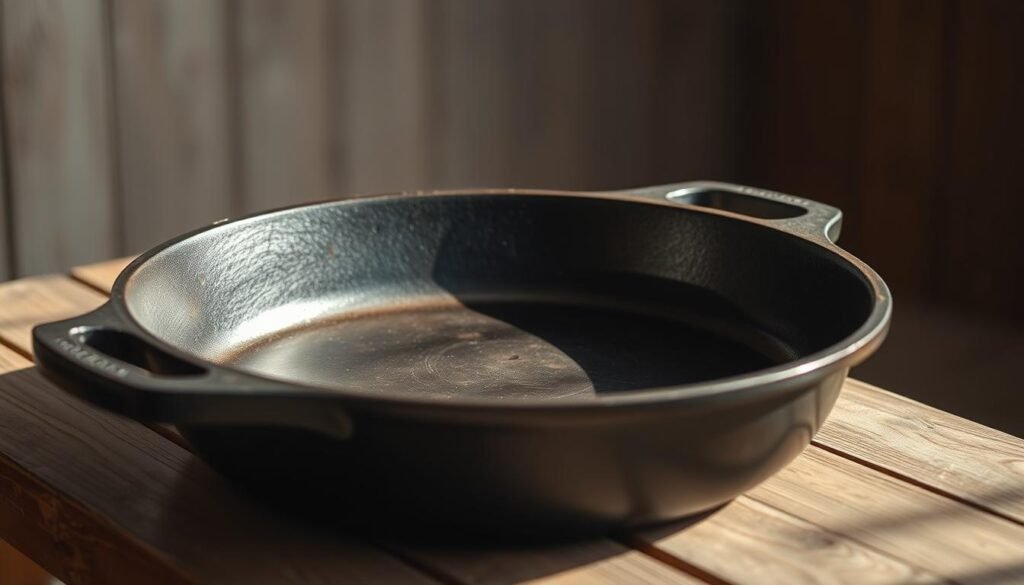
The wide skillet gives fast sears and evaporation for browning vegetables and building a flavorful base. A heavy, lidded Dutch oven holds heat and resists wind for long simmers.
The compact pot is my go-to for boiling, braising, or reheating rations when weight matters.
Fuel, wind protection, and safe heat control
I use a stable stand and wind screen so fuel stretches further. Flame control matters — I carry a heatproof glove and a small spray bottle for flare-ups.
Packable pantry and smart prep
For pantry staples I rely on canned tomatoes, pasta, rice, beans, sturdy vegetables, and dried spices. I pre-measure seasonings, mince garlic at home, and portion dry goods for fast prep.
Rinsing rice prevents gumminess and cooking pasta in its sauce gives a silky finish without extra pans. These small steps save fuel and cleanup, and help me feed a hungry crew after a long day outdoors.
Fast Camp Breakfasts in One Pan
When dawn hits the campsite, I reach for a sturdy pan and simple ingredients to feed the crew fast. These breakfasts are built for cool mornings and minimal cleanup so we can move on with the day.
Skillet shakshuka with tomatoes, cheese, and eggs
I simmer tomatoes with cumin and paprika right in the skillet, then nestle eggs into shallow wells and cover the pan to steam the tops in just a few minutes. A handful of crumbled cheese melts into the sauce for richness and the whole dish serves straight from the pan so breakfast stays hot on chilly mornings.
If I have frozen peas from last night, I stir in a scoop near the end for color and a touch of sweetness. I keep spices simple so I can dial heat up or down at the campsite.
Brussels sprouts hash & eggs for a hearty start
For a heartier dish, I shred sprouts, crisp them with onions until bronzed, then clear wells and drop in eggs to finish. That hash fuels a long hike without weighing my pack down, and a small loaf is perfect for swiping through the sauce.
- Camp tip: Minimal chopping and a lid make both breakfasts quick and reliable.
- Flavor: Use paprika, cumin, and chili flakes to keep the recipe flexible.
Trail Lunches That Simmer While I Set Up Camp
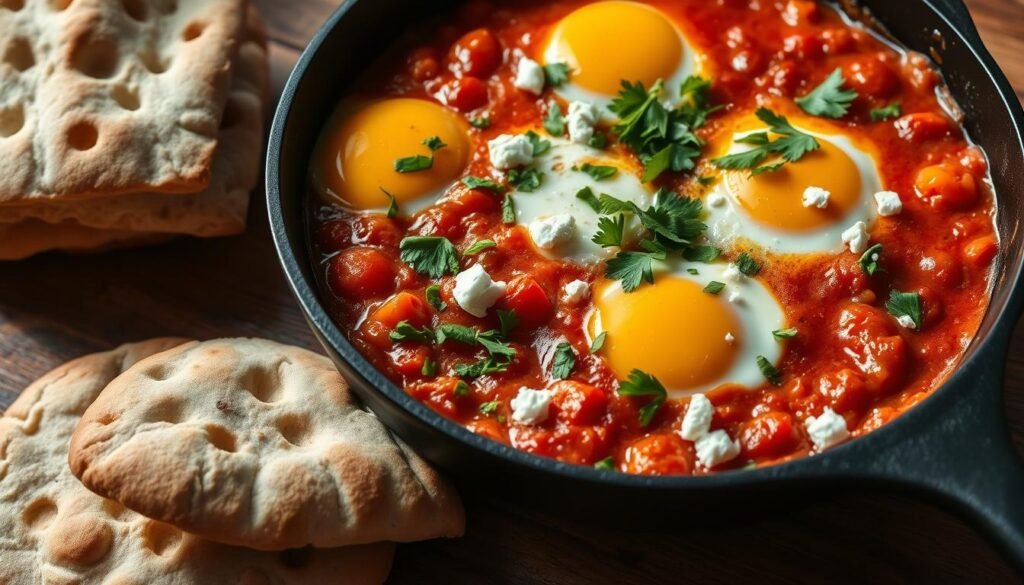
While my stake lines go taut, a hot skillet quietly turns simple ingredients into a warm lunch. These lunches are built for fast prep, minimal gear, and the kind of comfort that keeps a day on the trail going.
Sausage, peppers, potatoes, and onions
I start sausage, peppers, potatoes, and onions in a smoking pan so the meat renders and the vegetables brown fast. Then I lower the heat and let the pan finish while I sort tarps or check the map.
This recipe is camp gold: mostly set-and-forget, it frees me to stake lines and still serves in minutes with big comfort payoffs.
Fried rice from leftover rice
When I have leftover rice, fried rice becomes a zero-waste lunch. I add oil, garlic, rice, frozen peas, and any other vegetables I have on hand.
I keep seasoning simple—soy sauce or a squeeze of citrus—and stir enough to crisp the grains without sticking.
Kale and quinoa pilaf with goat cheese
For a lighter option, I simmer kale with quinoa and finish it with goat cheese and nuts. It’s hearty, bright, and carries me through an afternoon hike without weighing me down.
- Quick start: Brown sausage first so fat flavors the vegetables.
- Minimal gear: A single skillet handles browning, simmering, and serving.
- Swap freely: If I skip meat, I use mushrooms to keep texture and flavor balance.
Dinner Recipes I Cook in a Single Pot After a Long Hike
After a long day on trail, I want dinners that finish with minimal fuss and maximum flavor. These recipes are designed for a campsite cook who needs fast prep, few dishes, and reliable results.
Chicken and rice skillet with herbs, garlic, and peas
I brown chicken, add garlic and herbs, then stir in rinsed rice and peas. Rinsing keeps the grains from getting gummy and lets me rest my legs while the skillet finishes in minutes.
One-pan pasta with tomatoes, sauce, and cheese
I simmer short pasta with canned tomatoes and water. The starch in the pasta thickens the sauce; I fold in cheese at the end for a glossy finish that tastes slow-simmered.
Gnocchi with sausage, spinach, and peppers in a skillet
Gnocchi softens right in the pan with sliced sausage, peppers, and greens. It’s quick comfort that needs little hands-on time.
Beefy taco pasta with tomatoes and cheddar
I brown beef with chili spices, add pasta and tomatoes, and simmer until absorbed for big flavor from one vessel.
Mac and cheese, camp-style, creamy without a roux
Simmer pasta in milk and water, then melt in cheese so the starch makes a clingy, creamy sauce. These recipes keep cleanup small so I can tend the fire and the map instead of a sink.
The one pot meal Ideas That Save Me Time and Fuel
I plan recipes that simmer low and hold heat, so cooking steals minutes instead of hours at camp.
Instant Pot-style flavors adapted to a Dutch oven chili
I mimic pressure-cooker chili in a Dutch oven: sweat onions and garlic, toast spices, add beans and thighs or extra vegetables, then lower the heat to a gentle simmer.
This method pulls flavor fast and lets the oven hold warmth so I waste less fuel while flavors meld.
Tomatoey, cheesy pasta with shallots on a camp stove
I sauté shallots, stir in pasta, water, and a spoon of tomato paste, and let the starch thicken the sauce. In a few minutes I fold in cheese for a glossy finish.
Quick and pantry-friendly, it cooks fast and washes up even faster.
Chicken scarpariello vibes with peppers and pickled heat
I brown chicken, add sliced peppers and a splash of brine from pickled peppers, and simmer until the pan reduces to a bright, tangy dish.
For a beef-forward option I swap in browned beef and follow the same steps for a chunky chili or pasta sauce that travels well.
- Fuel-saving tip: layer aromatics, then cover and simmer low.
- Pack light: tomato paste and pickled peppers punch up flavor without bottles.
- Hold and serve: a lid keeps heat so dinner waits while I mind the campfire.
| Recipe | Key Steps | Time on Stove |
|---|---|---|
| Dutch oven chili | Sweat onions & garlic, toast spices, add beans & meat, simmer | 30–45 minutes |
| Tomatoey pasta with shallots | Sauté shallots, add pasta, water, tomato paste, finish with cheese | 10–15 minutes |
| Scarpariello-style chicken | Brown chicken, add peppers & brine, simmer to reduce | 20–30 minutes |
Make-Ahead, Pack, and Reheat: My Weeknight-at-the-Campsite Strategy
A little front-end prep turns dusk cooking into a calm, predictable routine at camp. I marinate proteins like jerk pork overnight in sealed bags so the stew needs only a gentle braise for deep flavor.
For true weeknight speed I pre-chop hardy vegetables and pre-measure spices. That way I move from cooler to pot fast when light is running out.
I keep cooler safety tight: raw items go low, I use a thermometer, and I plan to cook marinated protein within 24–36 hours. This protects food and keeps dinner reliable.
Reheating is simple. I tip contents into a covered pan, add a splash of water to prevent scorching, and bring everything to a full simmer so it is piping hot.
- Leftover rice becomes a day-two fried rice with peas for an efficient follow-up.
- I pack nested, sturdy containers to cut meltwater and keep my recipes organized by night.
- This approach gives a weeknight rhythm at camp: predictable timing, low stress, and solid flavor.
Roll Up the Map and Dig In: My Final Campfire Dinners to Try Next
At camp’s close, I reach for recipes that come together in minutes and still feel like a treat. I keep a short list that wins every time: a sausage, peppers, and potatoes skillet; a chicken-and-rice skillet with rinsed rice; and a tomatoey pasta with shallots and cheese.
Gnocchi with sausage, greens, and peppers cooks fast in a heavy pan. Taco pasta brings beefy spice for group nights. Camp mac and cheese uses pasta starch to make a silky sauce without extra dishes.
, I favor recipes that respect fuel, time, and tent life so the family eats well and we get back to the fire. Try one of these dishes next trip and trade hours of cooking for an evening of stories under the stars.
FAQ
How do I keep cleanup minimal when cooking at a campsite?
I prepare ingredients at home by chopping vegetables and portioning spices into resealable bags. I bring a single heavy skillet or Dutch oven and reuse the same utensil for stirring and serving. For washing, I use biodegradable soap, a small basin, and hot water. Scrape first, soak briefly, then wash — that cuts water use and time.
What gear do I recommend for reliable backcountry cooking?
I pack a sturdy cast-iron skillet or a 5–7 quart Dutch oven, a compact camp stove or portable fuel canister, windscreen, and a long-handled spoon. I add a heatproof glove, a small cutting board, and a lightweight kettle. These items balance versatility and durability without heavy bulk.
Which pantry staples should I always bring for flexible campsite recipes?
I bring pasta, rice, canned tomatoes, dried beans, garlic, onions, olive oil, salt, pepper, and a few dried herbs. I add shelf-stable proteins like canned chicken or smoked sausage and quick-cooking vegetables such as peas and bell peppers. These staples let me adapt recipes to what I find at the trailhead.
How can I make a fast breakfast that fuels a long hike?
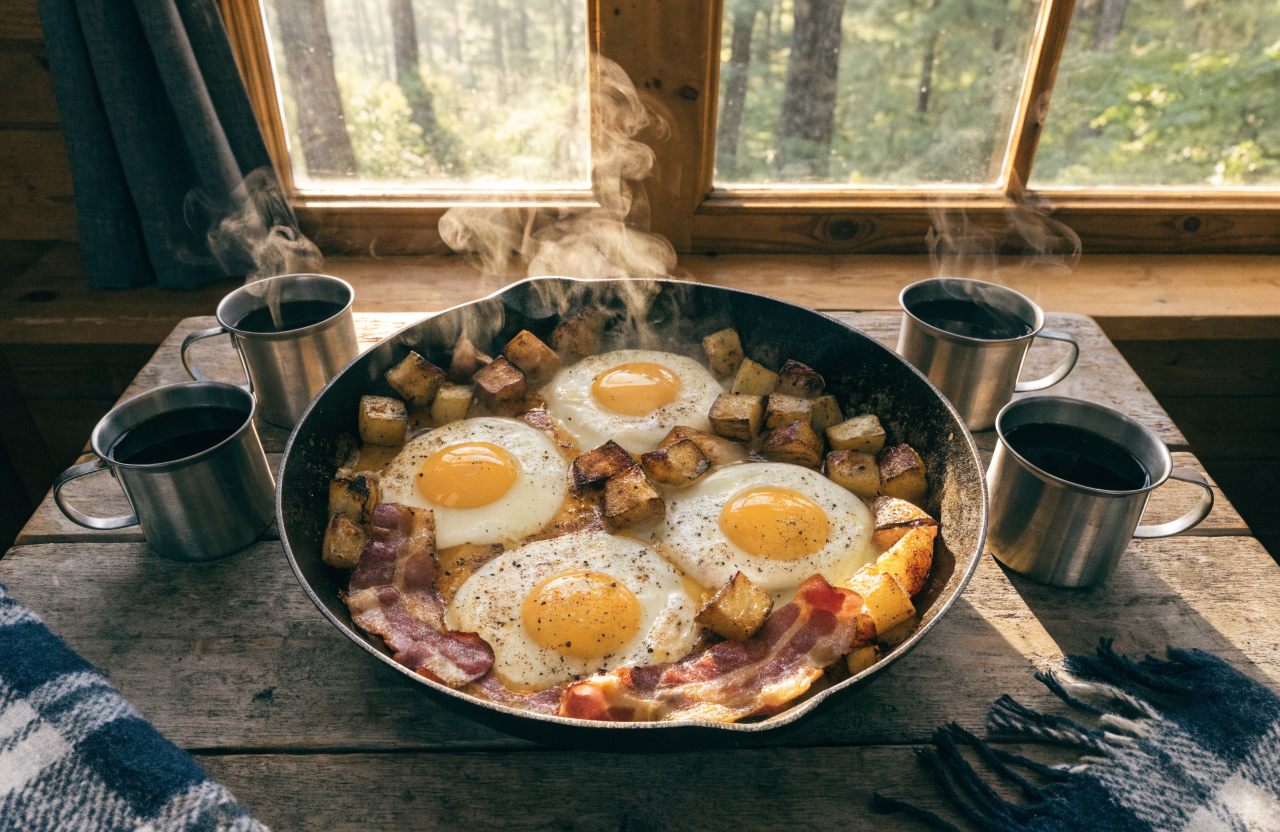
I sauté onions and tomatoes in olive oil, crack eggs over the mixture, sprinkle cheese, then cover until set — similar to shakshuka but simplified for camp. Another go-to is frying diced potatoes with Brussels sprouts and finishing with eggs for a hearty start that cooks in one pan.
What’s an easy lunch that simmers while I set up camp?
I slice smoked sausage, sauté with peppers, onions, and cubed potatoes until golden — it’s forgiving and feeds a group. Fried rice using leftover cooked rice, frozen peas, and eggs also works well: everything tosses together and heats quickly on low flame.
How do I adapt chicken and rice for camp cooking?
I brown bite-sized chicken pieces with garlic, add rice, diced tomatoes, broth, and peas, then cover and simmer until the rice absorbs the liquid. Timing and a tight lid are key; keep the flame low and let steam finish the cooking to avoid burning.
Can I make creamy pasta without a heavy dairy setup?
Yes. I cook pasta directly in a tomato-based sauce with a splash of water or broth so the starch thickens the sauce. Near the end I stir in grated Parmesan or cream cheese for richness — it melts quickly and creates a creamy finish without complex steps.
How do I save fuel and time while still enjoying varied flavors?
I choose recipes that use steady, low heat and layered ingredients: start by searing aromatics, add proteins and grains, then cover to finish. I rely on spices and finishing elements like lemon, pickled peppers, or grated cheese to boost flavor without extra cooking time.
What’s my strategy for make-ahead and safe food handling on a weekday campsite trip?
I marinate proteins and pre-measure spices at home, pack chilled items in a quality cooler with ice packs, and store raw and ready-to-eat foods separately. When reheating, I bring food to a rolling simmer for at least two minutes to ensure safety and taste.
Any tips for adapting recipes when weather or wind affects my stove?
I always use a windscreen and keep fuel canisters protected. If wind is strong, I move cooking into a well-ventilated shelter or use cast iron to retain heat longer. I also lower the flame and extend cooking time — patience beats flare-ups in rough conditions.
0 Comments