When the long days blur and the question “what now?” rings through my kitchen, I feel that quiet panic every parent knows.
I want play that feels like play, not a chore. I also want projects that take little time and real supplies I already own.
So I built a short list of quick, do-able projects that spark big smiles. Straw rockets, painted pasta, rock mushrooms, bottle-cap bug magnets, and neon solar lights are examples that fit snugly into 15 minutes or less.
My promise is simple: I’ll share prompts that get you moving, not a long manual. You’ll see what to grab, how a project starts, and the little surprises kids love.
Think of this as a friendly counselor whispering ideas to try today—quick transitions, calm-down art, or a playful burst before dinner—so you can rescue the day without losing yours.
Key Takeaways
- Short, 15-minute projects can reset energy and bring joy quickly.
- I prioritize easy setup and common supplies to save you time.
- Each idea is tested or home-approved to avoid messy dead ends.
- Prompts focus on play and discovery, not perfection.
- These projects work across ages and attention spans with small tweaks.
Feeling the summer slump? Here’s how I beat boredom without screens
That mid-afternoon slump where everyone sighs “I’m bored” is my cue to act. The temptation of screens is real, but I try to swap a glow for a hands-on moment that actually sticks.
My 10-minute setup ritual is quick, repeatable, and built to spark curiosity—not to be an elaborate list of tasks.
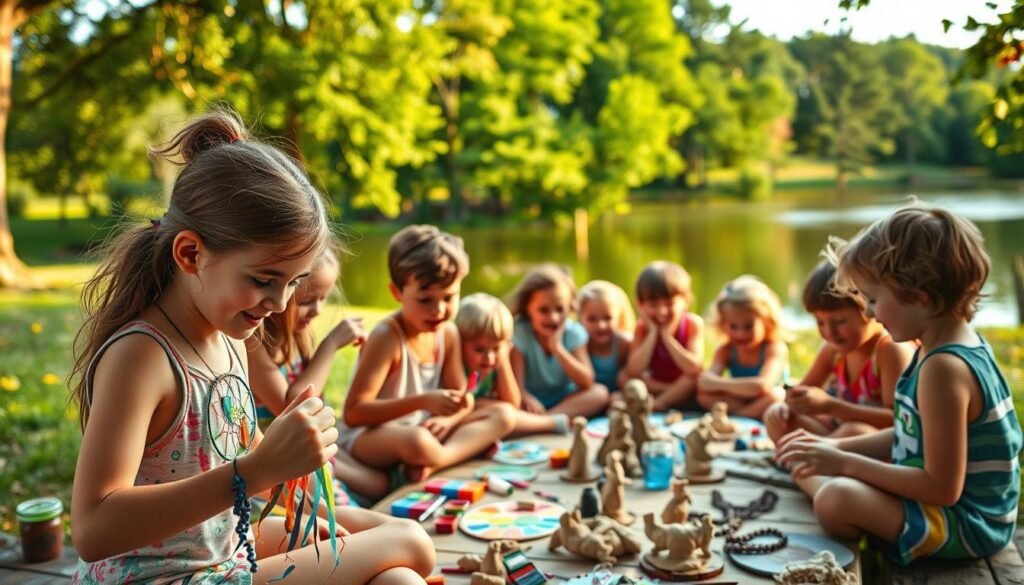
I set out two trays: one with a fast-moving activity and one as a quiet backup. I drop a surprise slip into a printable boredom jar and let their curiosity do the rest.
The first tray is always low-friction: paper plate flyers or a simple kite they can decorate in seconds. Markers uncapped, tape ready—so they see motion fast.
The second tray holds slower play, like DIY hot-glue stamps made from scrap cardboard and glue sticks. That way, the ones who tinker can dive in without asking me for every step.
- I keep a slim “camp shelf” stocked with paper plates, crayons, a glue stick, scissors, and washi tape.
- If I need a bit more time, I slide in a road-sign scavenger hunt printable and let them burn energy outside.
- Each week I rotate one new novelty to keep interest fresh in addition to favorites.
This ritual takes little time and often ends with “watch this” within five minutes—the tell that they’ve taken ownership and I can step back for the rest of the day.
Fast, fun, and done: camp crafts that take 15 minutes or less
A short timer and a clear goal turn restless moments into tiny victories. I set out a few trays, name the challenge, and watch curiosity take over.
Straw rockets and paper plate flyers
Straw rockets are my go-to wow in five minutes: two straws, tape, and a folded paper tip. Aim, puff, and the kitchen becomes a launchpad.
Paper plate flyers and kites add motion and a friendly test: decorate, step outside, and see which design glides farthest.
Paint it, stamp it, string it
Painting pasta in zip bags makes a colorful, low-mess buffet. Hot-glue stamps flip scrap cardboard into repeatable patterns.
String art calms the room—pre-poke holes, hand over yarn, and let little hands make bright trails of color.
Garden gnomes, mushroom rocks, and critters
Pick smooth rocks, paint caps or beards, and tuck them around the yard. Bottle-cap bug magnets and a flipped pot frog are quick characters with big smiles.
| Activity | Time | Main supplies |
|---|---|---|
| Straw rockets | 5–7 min | Straws, paper, tape |
| Pasta painting | 10–15 min | Pasta, paint, zip bags |
| Rock gnomes | 10–15 min | Rocks, paint, brush |
| Bottle-cap magnets | 8–12 min | Caps, glue, googly eyes, magnet |
I set a 15-minute timer and challenge everyone to finish and place, fly and test, or string and wear. The quick stakes keep it playful, and the visible result keeps curiosity alive.
summer camp crafts for kids inspired by nature
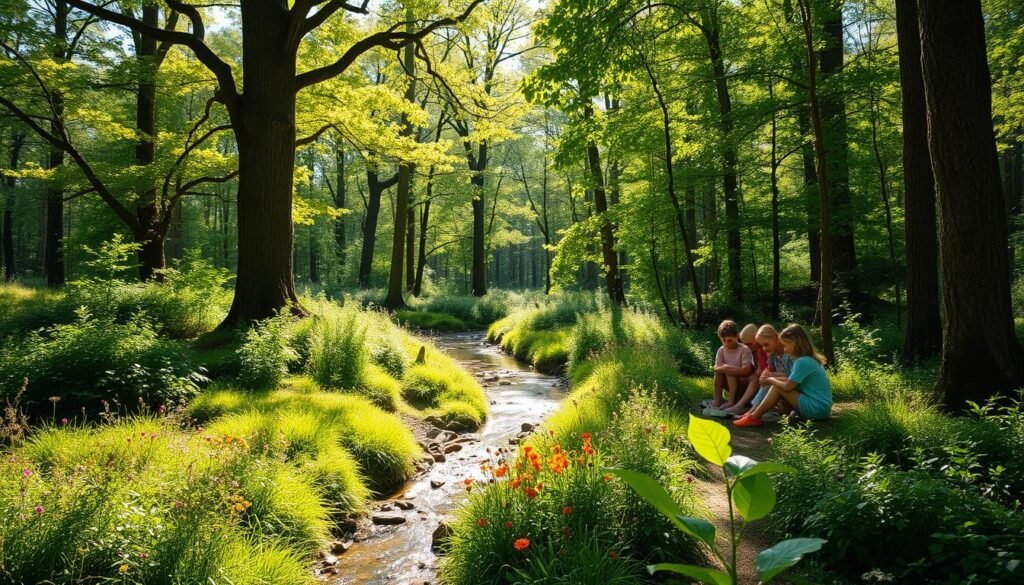
I start with a small invitation: find five natural things and see where they lead. That quick ritual gets little ones noticing texture, scent, and color before we even open a glue jar.
Pressed-flower pinch pots and leaf rubbings make keepsakes. Shape air-dry clay, press in petals, and leave to dry. Leaf rubbings are fast: slip paper over a leaf and rub with crayon to reveal a secret map.
Contact-paper sun catchers and painted stick patterns
Stick petals onto clear sheets and hang at a window. Use washi tape to paint crisp stripes on found sticks, then peel for a satisfying reveal.
Story stones and DIY tic-tac-toe
Paint simple icons on smooth rocks and toss them in a bag to prompt campfire tales. Or paint two symbols and play on a wood slice board.
Nature weaving and backyard bug hotels
Make a small loom and weave in grasses and flowers. Build a bug hotel from bamboo, twigs, and pinecones and check in daily. These projects reuse simple supplies and turn a short walk into art and play with real garden rewards.
Tween-tested projects that feel cool, not kiddie
When I want an activity that reads “cool” instead of “crafty,” these are my go-tos.
Friend swag and wearable design. Friendship bracelets, patterned safety-pin charms, and a simple color wheel necklace let tweens trade style instead of supplies. I set out floss, beads, and a tiny kit, and they make pieces they actually wear.
Clay that wins. Air-dry clay makes eyeglass trays, rainbow heart pendants, and stamped message tiles that dry overnight. No oven, just shape, press a name, and paint the next day.
Room vibe and after-dark flex. Rock cacti in small pots, beaded wind chimes, and Star Wars tin lanterns shift a room’s mood. Punch patterns into upcycled tins, add an LED, and the glow feels like a mini event.
| Project | Why tweens like it | Quick supplies |
|---|---|---|
| Friendship bracelets | Wearable, shareable | Floss, beads, clasps |
| Air-dry clay tray | Personalized, photo-ready | Clay, stamps, paint |
| Star Wars tin lantern | After-dark style | Upcycled tin, punch, LED |
| Perler bead bowl | Decorative and practical | Perler beads, baking sheet |
I pitch each project as a vibe—friend gear, room decor, or night glow—and let my tweens pick. That ownership is the trick that turns a craft into something they finish and flaunt.
Ready to spark a magical summer? Here’s how I pick our next craft in under a minute
A single quick question saves our afternoon: do we want to move or make? If I want motion, I grab paper and a straw rocket or a paper-plate flyer. If I want hands-on, I slide out a tiny tray with one clear activity—stamp, paint a stick, or press a petal.
Under ten minutes? I pick a visible win like a stamped print or a bright painted stick so kids get progress fast. If we’re headed outside, I choose a nature prompt: story stones in a bag or a contact-paper sun catcher to hang at the window.
With little ones, I start where the first step is easy—stick, rub, or stamp—then add a small twist for older ones. I keep a one-minute menu taped in a cabinet and a tiny idea card by the tray. The goal isn’t perfection; it’s momentum. Once they start, summer camp magic shows up on its own.
FAQ
What supplies do I need to start quick 15-minute projects?
I keep a small bin with basics: paper, washable paint, glue, scissors, string, a handful of buttons and beads, empty toilet-paper rolls, and a small pack of clay. These items cover straw rockets, paper-plate flyers, pasta painting, and simple string art without a trip to the store.
How do I prevent messes during painting and clay play?
I spread an old sheet or a plastic tablecloth and use muffin tins or paper plates as paint palettes. Kids wear cheap T-shirts or aprons, and I keep wet wipes and a water cup nearby. For clay, I work on silicone mats for easy cleanup.
Which nature-based projects are best for little gardeners?
I love pressed-flower pinch pots, painted stick patterns, and story stones. They use found leaves, petals, and small rocks, so I ask children to collect items on a short nature walk first—this doubles as a learning moment about plants and textures.
Can younger children do the bead, bracelet, and Perler projects safely?
I supervise closely and reserve small beads for ages 6 and up. For younger ones, I swap in larger wooden beads and foam shapes. Perler beads and hot-glue steps get adult help; otherwise, kids gain fine-motor practice with low risk.
How do I choose a project quickly when the “I’m bored” moment hits?
I use my one-minute rule: check three things—time available, materials on hand, and how active the child feels. If I have 15 minutes and simple supplies, I pick a quick build like a straw rocket or a sun catcher; if we have more time, I grab clay or a nature-weaving kit.
What are good after-dark or evening crafts that are safe?
I stick to battery-operated neon solar lights to avoid open flames, and I make mosquito-repellent candles only with adult supervision using citronella beads in jars. Paper lanterns made from LED tealights and decorated milk cartons also create cozy, safe vibes.
How can I adapt projects for mixed ages so everyone has fun?
I give layered tasks: younger kids paint and stamp, while older children handle cutting complex shapes, beading, or more detailed painting. For a rock-cactus activity, littles paint base colors while older kids add fine details and glue-on decor.
What’s a low-cost way to make durable outdoor crafts like birdhouses or bug hotels?
I reuse milk cartons, scrap wood, and recycled bottles. Sealing painted surfaces with an outdoor polyurethane makes them last. For bug hotels, I stuff nailed-together frames with bamboo, pinecones, and dry leaves—simple, cheap, and shelter-ready.
How do I keep attention spans engaged during longer projects like air-dry clay or woven pieces?
I break the project into short steps with micro-rewards—ten-minute shaping, five-minute break, then decorating. I also play soft music or tell a short story tied to the craft to keep interest high without screens.
Where can I find patterns and templates for bracelets, lanterns, and tic-tac-toe stones?
I use resources from trusted providers like Crayola, PBS Kids, and local library craft books. Pinterest and kid-friendly blogs offer templates, but I always preview patterns to match skill levels and avoid complicated steps that frustrate kids.
0 Comments