I remember the excitement of our first camping adventure with my oldest when he was three. We traveled from Bloomington, Indiana to Rapid City, South Dakota. We made memories that we’ll always treasure.
Camping with kids can be very rewarding. But, it needs careful planning and realistic expectations. I’ve learned some valuable tips and tricks that can really help.
In this article, I’ll share my best tips for a great family camping trip. From getting ready to enjoying the outdoors, I aim to make your trip wonderful.
Why Family Tent Camping Creates Unforgettable Experiences
Family tent camping is a great way to make memories that last forever. It encourages families to explore, learn, and have fun together. This makes camping a special time for bonding in nature.
Being in nature sparks the imagination and excitement. A strange noise? Let’s go find out what it is. A bug? Let’s use our nature guide to learn about it. These moments are unforgettable experiences that families remember for years.
Family tent camping helps kids learn about the world around them. It’s a chance for families to put down their phones and enjoy each other’s company. This way, they create memories that will stay with them forever.
The joys of family camping experiences go beyond the trip itself. They help families live healthier, appreciate nature, and bond in a unique way. So, family tent camping is a path to unforgettable experiences.
Planning Your First Family Tent Camping Trip
Starting a family tent camping trip is exciting but needs careful planning. When camping with kids, you must pack more than just the basics. You also need to bring realistic expectations along with your gear.
First, remember to pack flexibility. It’s more important than any other item (except water—always bring water). Be ready for changing weather, tired or cranky kids, and plans that might change.
Planning is essential for a great family camping trip. Choose a good campground, check the weather, and get your gear ready. For family tent camping, you’ll need a big tent, comfy sleeping bags, and clothes for the season.
Plan activities that everyone can enjoy. This might include hiking, fishing, or just enjoying a campfire. Mix structured activities with free time to make sure everyone has fun.
Being prepared and having realistic expectations makes your family tent camping trip a success. With good planning, you can relax and enjoy the trip with your family.
Essential Gear for Family Tent Camping Success
A well-prepared family camping trip starts with the right gear. It makes all the difference between a good and great adventure. When planning our family tent camping trips, I’ve learned that investing in essential gear is key for a comfortable and enjoyable experience.
Choosing the right tent is critical. Consider the size and space needed for your family. While a larger tent might seem appealing, I’ve found that smaller tents, like a four-person tent, can keep us warmer and cozier. The goal is to find a balance between comfort and practicality.
Weather Resistance Features
Weather resistance is another vital aspect of family camping gear. Look for tents with waterproof and breathable materials, like nylon or polyester. Also, consider models with a rain fly or awning for extra protection. The best family camping tents can handle various weather conditions, keeping your family safe and comfortable.
Other essential gear includes sleeping bags, sleeping pads, and camping stoves. When choosing these items, think about durability, ease of use, and weather resistance. By investing in high-quality gear, you’ll be ready for a successful and enjoyable family tent camping trip.
Choosing Kid-Friendly Campgrounds in the US
Camping with kids can be a great adventure if you choose the right place. I always look for National and State Park campgrounds. They are clean, affordable, and safe for families.
These spots have nice tent sites and are usually quiet. Kid-friendly campgrounds also have playgrounds, picnic areas, and sometimes pools or trails for kids.
When picking a spot, I think about how close it is to fun places for families. It’s important to find a campground that’s not too far away. This way, you can easily get to the things you need.
Choosing a kid-friendly campground makes sure your family camping trip is fun and easy. Finding the right campground is key to a great trip.
The Ultimate Family Tent Camping Checklist
A well-prepared family tent camping checklist is your key to a stress-free outdoor experience. To ensure a fun and memorable trip, it’s essential to pack the right gear and plan ahead.
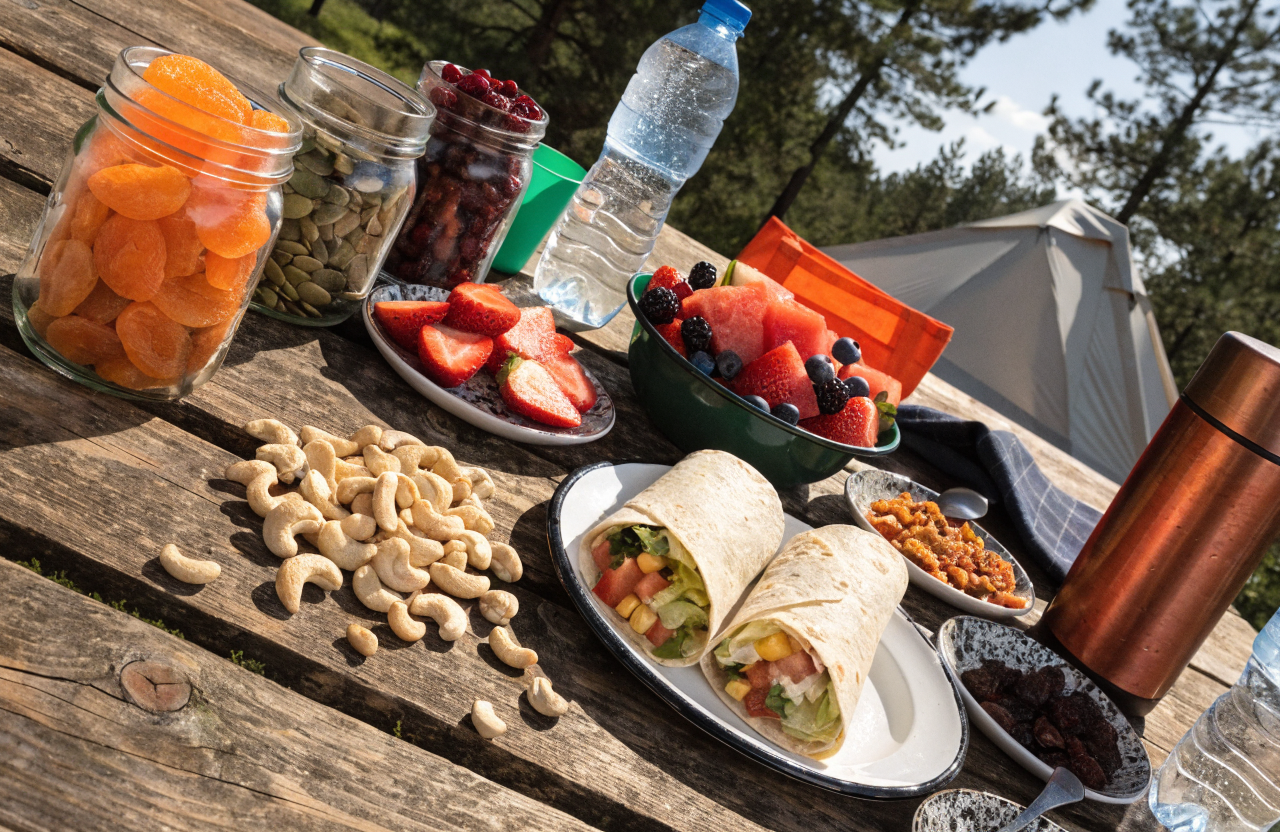
First and foremost, camping essentials such as a sturdy tent, sleeping bags, and sleeping pads are must-haves. Don’t forget to include a portable stove or camping grill for meal preparation. Our family always packs nutritious snacks like nut butter, apples, and pre-cut veggies to keep everyone energized throughout the day.
In addition to food and shelter, a complete family camping checklist should include safety items like a first-aid kit, flashlights, and a battery-powered radio. It’s also wise to bring along entertainment for downtime, such as books, games, or a portable speaker for music.
When planning your family tent camping trip, consider the needs of all family members, including any specific gear or supplies required for children or pets. A well-thought-out checklist will help ensure that everyone has a comfortable and enjoyable experience.
By following this ultimate checklist, you’ll be well on your way to creating lifelong memories with your family in the great outdoors.
Setting Up a Kid-Friendly Tent Camping Site
A well-planned kid-friendly tent camping site can make all the difference in your family’s camping experience. It’s essential to create a safe and enjoyable environment that caters to the needs of both children and adults.
To start, choose a flat area for your tent, away from any hazards like rocky terrain or standing water. Make sure the site is also relatively close to amenities like restrooms and potable water. When setting up your tent, involve your kids in the process to make it a fun experience. Let them help with tasks like gathering firewood or setting up the tent.
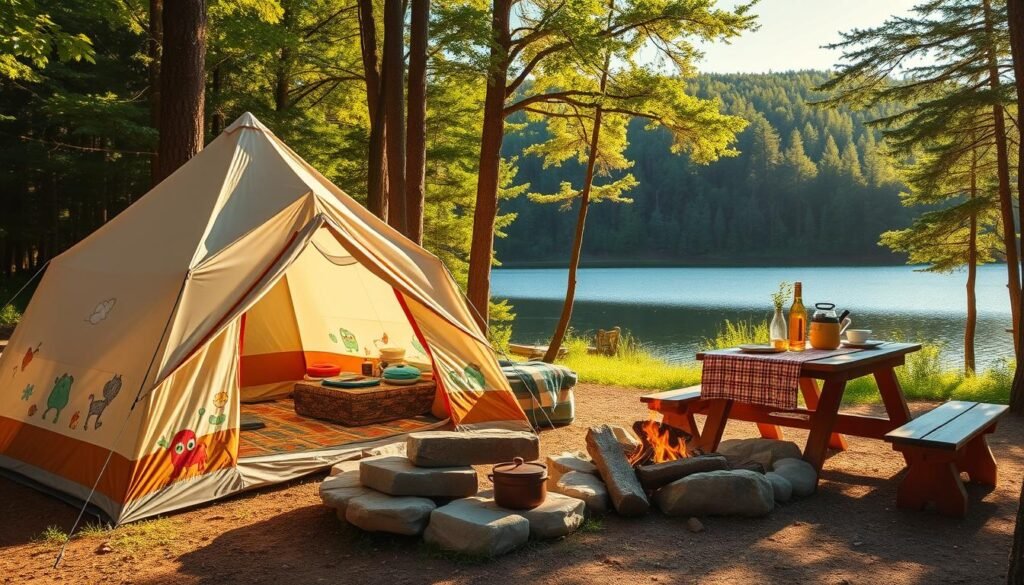
Kids often mimic our behavior, so it’s important to show enthusiasm and excitement when exploring the outdoors together. For instance, if you hear a strange noise, get excited and wonder together what it could be. If you see a bug, get out the nature guide and find out what it is. This approach will help your kids develop a deeper appreciation for nature and make the experience more enjoyable.
By following these tips, you can create a kid-friendly camping site that is both fun and safe for your family. Remember, the key to a successful family tent camping trip is to be prepared and involve your kids in the process.
Weather Preparedness for Family Tent Camping
Before you go camping, always check the weather forecast. It’s not just a good idea, it’s essential. Being ready for the weather can make your camping trip great.
Packing the right clothing is key. Make sure you have clothes for the season, including layers for cold. Bring sweaters or fleeces, extra socks, and comfy pajamas.
Don’t forget to pack extras like raincoats and waterproof gear. This keeps everyone dry if it rains. Having a waterproof tent cover is a great backup plan.
It’s also important to know how to camp safely in different weather. Learning how to set up camp to protect against wind or rain is vital. This keeps your family safe while camping.
By being prepared for the weather, you can have a fun and safe camping trip. It’s all about being ready for surprises and enjoying time with your family in nature.
Health and Safety Essentials for Camping with Kids
When you’re getting ready for a family tent camping trip, remember to pack the must-haves for your kids’ health and safety. Camping with kids can be a great adventure, but you need to plan and prepare to stay safe.
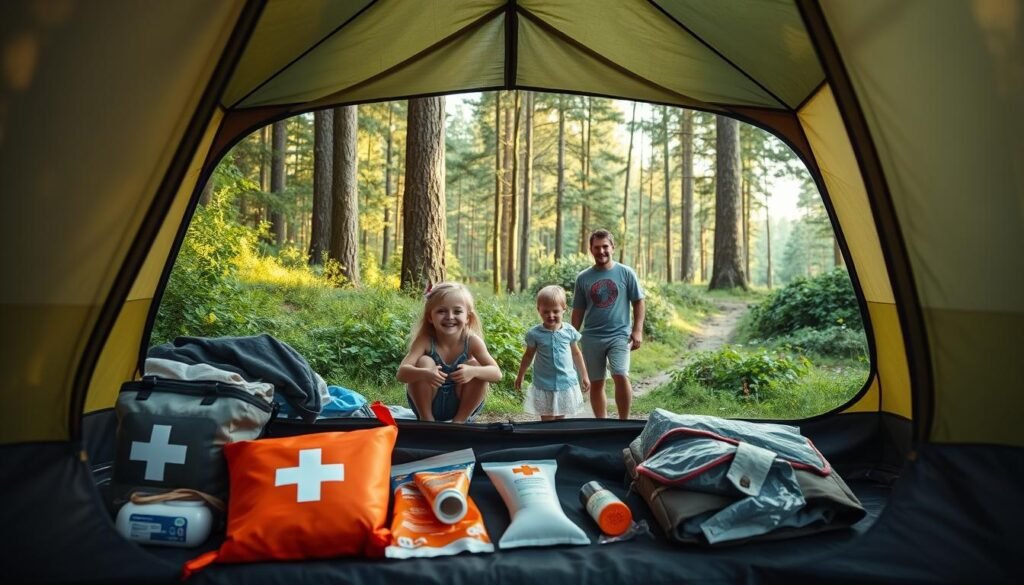
Being ready for emergencies is key to health and safety while camping. I always carry a first aid kit with anti-itch cream, band-aids, gauze, antibacterial wipes, and Neosporin. It’s also smart to bring a pocket knife, a Life Straw, a whistle, and a compass. These items can really help in tough situations.
Teaching Kids About Poisonous Plants
It’s vital to teach your kids about the local plants, including the poisonous ones. Poison ivy, oak, and sumac can cause itchy rashes. Take the time to teach your kids how to spot these plants and stay away from them. A guidebook or an app can also help identify plants.
Also, make sure your kids know not to touch or eat unknown plants. This simple rule can save a lot of trouble.
Water Safety Rules at Campsites
Water safety is another big deal when camping with kids. Always watch your kids when they’re near water, like lakes, rivers, or even buckets. Teach them the basics of water safety, like not going near water alone and not drinking untreated water.
If you’re camping near a natural water source, use water purification tablets or a portable filter to make sure the water is safe. I always carry a Life Straw as an extra safety measure.
By being prepared and teaching your kids about health and safety, you can make sure everyone has a fun and safe camping trip.
Family-Friendly Meals and Cooking Strategies
Planning family-friendly meals is key for family tent camping. Camping with kids is fun, but meal prep needs extra thought.
I plan our meals ahead, thinking about our trip’s length and our group size. I keep our cooking gear simple and reusable. I store all our camping gear in a big plastic tote with a lid. This makes it easy to check and add items before we leave.
My top picks for family-friendly meals include big breakfasts like scrambled eggs and sausage. For dinner, we love grilled chicken and veggies. We also bring easy snacks like trail mix and energy bars. Planning meals and cooking strategies in advance helps us have a stress-free camping trip.
For easier meal prep, bring a portable camping stove or grill. These offer many cooking options and are easy to clean and store. Remember to pack lots of water and basic cooking tools like a spatula and tongs.
Keeping Kids Entertained During Family Tent Camping
Keeping kids entertained on a family tent camping trip is key. Biking around the campground is a great way to do this. It’s fun, gets them moving, and lets them see the campsite’s beauty.
Going on a nature walk is another fun activity. Look for animal tracks, wildflowers, and more. It makes kids curious and teaches them to love nature. You can even make it more fun with a scavenger hunt.
Visiting the visitor’s center or nature center is also a good idea. Many campsites have activities for kids, like nature walks and crafts. These activities are fun and educational.
Other ideas include: playing outdoor games, having a picnic, or telling stories around the campsite. Be flexible and adjust to what your kids like.
With these activities, your kids will have a great time camping. Happy camping!
My Best Advice for Making Family Tent Camping a Tradition Your Kids Will Treasure
Looking back, it’s the small moments that make family tent camping special. When we go camping, our kids learn to love nature and seek adventure. To keep camping a family tradition, I suggest embracing the unknown together.
Let’s say you hear a strange noise in the woods. Instead of being scared, let’s get excited and wonder what it could be. This curiosity brings us closer and makes memories that last forever.
To make camping a tradition, let your kids help plan the trip. Let them pick the campsite, plan meals, and set up the tent. This teaches them skills and makes them excited for the trip.
As you spend more time in nature, camping becomes a big part of your family’s life. It strengthens your bond and creates a tradition your kids will always remember.
By camping together often, you create a sense of continuity and shared experiences. So, pack your gear, gather your family, and start making memories that will last a lifetime through family camping.


0 Comments