I pull into a crowded campsite as dusk rolls in, and everything I own is at the mercy of the breeze while my patience shrinks.
I wrote this because I kept losing sunset minutes wrestling a shelter. I tested real products across years and weather so you get honest views, not marketing lines.
This short list focuses on what mattered in the field: speed of setup, real-world waterproofing, and whether a pack’s claimed weight feels true on a long walk. I’ll tease why a two-skin Quechua changed sleep, which hub-frame Coleman fights wind, and which budget discs actually earn their place in my kit.
I won’t dump every spec here. Instead, expect hands-on content about how these choices affect your weekend, your price decisions, and your comfort when plans bend.
Key Takeaways
- I value speed and real-world reliability over shiny specs.
- Each product earned its place for different trips—festival, beach, or family site.
- My views come from mixed-condition use, not showroom promises.
- Look beyond price: porch usability and fold-down matter as much as weight.
- If you want fast wins, jump to my shortlist at the end.
Ever wrestled a tent in the dark? Here’s the pain I wanted to solve
I’ve lost count of nights when fading light turned a simple setup into a frantic scramble. Fumbling poles, searching for stakes, and calming tired kids are the reality most gear tests ignore.
My late arrivals shaped how I judged shelters. The trade-off was always obvious: fastest models get you dry quickly, but bargain builds can fail in wind or heavy rain. Sturdier designs ask for a few more minutes up front yet pay dividends through the night.
Common field failures I tracked:
- Single-skin models pitch in seconds but often suffer condensation and limited weather resilience.
- Two-skin quick-pitch designs take longer to raise but add stability, ventilation, and better rain handling.
- Missing or fiddly zippers and corners that vanish when headlamps fade.
I tested with kids, dogs, coolers, and shifting forecasts in mind. My goal wasn’t just speed; it was confidence when the weather turns and night closes in. Lean in—these choices matter when you just want to sleep.
The instant setup promise meets real weather and real weekends
I watched a shelter unfurl in seconds one evening, then spend the rest of the night fighting wind and wet grass.
Instant pitches save precious time when you arrive at dusk. That magic works best in calm weather and on dry ground.
Field reality:
- Disc-style models can self-deploy in about five seconds but often take practice to fold.
- Quick-pitch hub frames need roughly five minutes, yet they hold tension, take pegs better, and resist gusts.
- Two-skin designs manage rain and condensation far better than single-layer builds.
I tested these claims across weekends, watching how door zippers, corners, and floors behaved when I was tired. I measured more than marketing: how a tent sits on damp grass, how long takedown takes, and whether a shelter stays calm through a shower.
My views lean practical: seconds to pitch are great, but calm sleep often comes from a few extra minutes of careful setup and better structure.
How I tested these quick-pitch shelters in the wild
A single damp night taught me that fast setup means little if a shelter sags at midnight. I built a simple loop to see what really mattered when you arrive tired and wet.
My routine: arrive, pitch, live, pack. I repeated that loop across campsites in mixed weather to get honest views, not showroom claims.
What I measured: setup, takedown, rain, wind, and comfort
Setup and takedown: I timed both, noting tricky folds and learning curves. Ease of pack-away mattered as much as a quick pitch.
Weather tests: I measured waterproofing (1,500mm vs 3,000mm HH), watched walls in gusts, and checked for sagging flysheets and condensation.
Why “seconds” often means minutes in real life
I logged things like zipper paths, door awnings, and pocket placement because small details make a tent feel easier every trip.
“Seconds to pitch can still cost you an hour cramming a springy disc back into a bag.”
| Metric | Why it matters | What I recorded |
|---|---|---|
| Pitch time | Gets you dry faster | Seconds to five minutes |
| Waterproofing | Keeps gear dry | 1,500mm–3,000mm HH |
| Pack shape | Carry and storage | Disc vs rectangular bags |
Over years of testing I focused on practical help and clear info. This review list will make comparing models easier as you read the picks that follow.
My top pick: Quechua 3-person 2 Seconds XL Fresh & Black
I keep reaching for one model because it ends setup drama and starts real rest.
Why it won: the two-skin design and blackout interior deliver sleep that feels different on noisy sites. It handles rain and gusts better than many quick-disc products, and the porch keeps muddy boots out of the sleeping room.
What to know: the real-world setup is closer to two minutes, not literal seconds. Weight sits at 5.5kg and the pack size is about 90x8cm, so this is car-friendly rather than ultralight. Pack-down takes practice; I still fold it cleaner each trip.
- This model blends speed and comfort with blackout fabric for later mornings.
- It resists sag in showers and holds tension in wind better than bargain discs.
- User reviews mirror my views: roughly 4.6/5 across hundreds of reviews.
The price sits above entry-level discs, but the extra features and weather resilience replace anxious nights with real rest. For campsite campers who want room, sleep quality, and fewer wet surprises, this product is the first one I reach for.
Big-space alternative: Vango Classic Instant 300
Some trips need room to breathe more than they need a race to pitch—and that’s when I bring the Vango.
The Classic Instant 300 feels more like a small cabin than a quick shelter. With internal dimensions of 215x195cm and a 140cm peak, I can sit up, change, and sort gear without feeling cramped. Two doors and twin porches swallow coolers and muddy shoes and make daily life easier.
Why I reach for this model: the umbrella-style hub borrows stability from a gazebo concept. The frame gives a taut, squared shape that holds up well through repeated pitches. It’s a two-skin design, so airflow and condensation control beat many cheap discs.
The trade-offs are clear. At 7kg and a packed 150x25cm size, it’s a trunk-hauler. It doesn’t pop like a disc and needs a few more minutes to pitch. In gusty weather the high walls and peak catch wind, so careful guying matters.
“For me it’s the rainy-afternoon card game shelter—the one where being inside feels like living, not hiding.”
Weather-focused choice: Coleman Fast Pitch Swagger 3
When a coastal front blows in, I reach for shelters that act like a small cabin, not a flag in the wind. The Coleman Fast Pitch Swagger 3 is my calm-in-a-blow pick for that reason.
Stability by design
The hub-connected frame sets a square, gazebo-like stance that resists gusts better than many quick designs. The two-skin build and bathtub floor keep surface water out, and the 3,000mm hydrostatic head gives real confidence on damp weekends.
Features that matter
- Internal space: 240x210cm with a 130cm peak—roomy for three and easy to move around.
- Fabric and waterproofing: 150D materials and 3,000mm HH for solid water protection.
- Floor design: bathtub base to block ground water and splashes.
Consider before you buy
The shelter packs down to about 120x25cm and weighs 10kg. That makes it car-camping gear, not a lightweight carry. Setup takes roughly five minutes; it’s not instant, but the process is tidy and repeatable.
“Think of it like a portable gazebo married to a camping cabin—more structure, more comfort, less flutter in wind.”
| Spec | Value | Why it matters |
|---|---|---|
| Weight | 10 kg | Car-only for most trips |
| Packed size | 120 x 25 cm | Long bag, needs trunk space |
| Price | £229.95–£250 | Higher cost for stability and features |
My review takeaway: if you camp in shoulder seasons or on breezy coasts, the Swagger 3’s gazebo-like frame and robust fabrics repay the weight and price. It creates space and calm when the weather turns, and that matters more to me than shaving kilos.
Best value for fair weather: Mountain Warehouse Pop Up 3 Man Tent
When the sky is clear, I want a no-fuss shelter that gets me to the fire fast.
Why I pick it for sunny trips: this Mountain Warehouse model self-deploys in about five seconds, so setup is literally a blink. The interior measures 280x180cm with a 105cm peak—roomy for two and snug for three. An integrated insect screen keeps warm evenings comfortable without bug drama.
Why it’s a bargain
- Single-skin with taped seams and 1,500mm HH—good for fair weather and quick getaways.
- Packed to a slim 90x4cm bag and 2.6kg weight—easy to stow behind seats for spontaneous camping.
- Often sells near £59.99, so the price stretches a long way in a sale.
Limits to respect
It’s a fine-weather shelter. A passing sprinkle won’t ruin a night, but prolonged rain or heavy wind is outside its comfort zone. There’s no porch, peak height is modest, and being single-skin means less breathability than two-layer builds.
“My views come from repeated pitches: great when dry, and a fast path to bed for uncomplicated nights.”
Budget-friendly festival pick: Regatta Malawi 2 Man Pop Up Festival Tent
For festival runs and beach nights, I grab the lightest shelter that won’t slow me down.
The Regatta Malawi is my meet-friends-fast choice: the carry-easy disc slips under an arm, the sub-2.5kg weight frees a hand for a cooler, and setup takes about a minute. Vents, a mesh screen door, and small internal pockets make warm-night stays tidy without fuss.
I toss this in the trunk when I want speed and simplicity. It packs to roughly 80–90 x 6 cm in its bag and fits two people snugly. There’s no porch, so I either travel light or add a tarp for boots and bags.
Trade-offs to expect: single-skin materials mean fair weather only. The price often drops under £50, which makes it easy to kit friends cheaply, but longevity and heavy-weather resilience are limited.
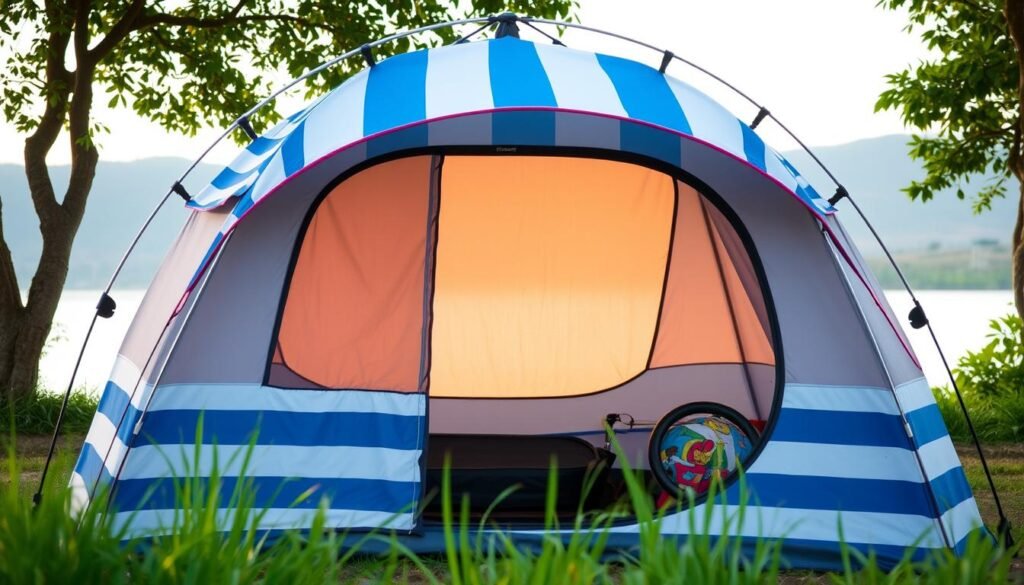
- Carry: lightweight and compact for festivals and beach overnights.
- Setup: near-instant—about 1–2 minutes for first-timers.
- Limitations: basic materials, no porch, best used in calm, dry weather.
| Spec | Value | Why it matters |
|---|---|---|
| Packed size | 80–90 x 6 cm (bag) | Easy to carry from parking to field |
| Weight | ~2.275 kg | Hands-free carry while hauling gear |
| Materials | Single-skin, basic fabric | Good for dry nights; limited storm protection |
| Price | Often | Affordable way to outfit friends or test festival camping |
“Convenience wins here—use respectfully around bad weather.”
Cheapest way to try pop-up camping: Eurohike Pop 200 2-Person
I hand this one to friends when they want a taste of camping without the gear guilt.
Ultra-low price, ultra-basic build. The Eurohike Pop 200 is a single-skin shelter with an internal floor of 220x100cm and a 90cm peak. It packs to about 75x5cm and weighs 1.62kg, so it lives in a small bag and is easy to carry for short drives.
Use case: dry, calm nights only
This is the starter I lend for backyard stargazing or a beach sunset sleep. No mesh, no porch, and minimal frills mean it suits fair-weather nights and learning the ropes.
Price is the hook, limits are real. Materials and stitching are budget-minded. If a sprinkle shows, I treat it as a nap shelter and move to the car.
“For the absolute cheapest taste of pop-up convenience, this is the ticket—just keep the plan simple.”
- This is the one I give to a buddy who wants to try a quick night without the spend.
- Packed small and light, it tucks into trunks and closets easily.
- Respect the limits and you get a tidy, honest review of basic camping—push it and you’ll be shopping fast.
pop up tent buyer’s mindset: design for curiosity, not completeness
Before I recommend gear, I ask a simple question: what will you actually do on the weekend?
Answer that and the rest follows. Do you want fair-weather camping with fast setups, or do you need a shelter that survives a surprise storm? That choice changes which options make sense.
Ask first: fair-weather weekends or unpredictable conditions?
Start by listing your trips. If you mostly chase sunny weekends, single-skin models save time and money. If forecasts flip, two-skin designs repay you with less condensation and better rain behavior.
Single-skin vs two-skin: comfort, condensation, and real rain behavior
Single-skin is light and cheap but risks damp sleeping bags in dew or drizzle.
Two-skin adds ventilation, a fly, and real forgiveness when weather turns.
The “seconds” trap: setup speed vs takedown frustration
Seconds to pitch feel great on arrival. I warn readers that takedown often costs those seconds back—practice beats hype.
Portability realities: weight and pack shape (disc vs rectangular)
Discs are compact for short runs. Rectangular bags fit wagons, roofs, and trunks better and usually hold hub frames that stand calm in wind.
| Decision | Quick guide | Why it matters |
|---|---|---|
| Fair-weather use | Single-skin, low price | Fast pitch, lighter bag, limited rain protection |
| Unpredictable weather | Two-skin, higher HH | Better ventilation, less condensation, stronger rain handling |
| Speed vs packability | Disc (fast) vs rectangular (organized) | Folding skill vs trunk and roof compatibility |
“A little curiosity now saves you from buying twice—let your answers steer the cart.”
Quick-pitch vs true pop-up: what actually saves you time
When minutes matter at dusk, I choose a shelter that gives me calm, not chaos. Speed matters, but I now look at the whole trip: pitch, live, and pack.
Disc springers are thrilling. They unfurl in roughly five seconds, and that instant relief is real when lamps are fading.
Disc springers: fastest to pitch, trickiest to fold
True disc-style models reward impatience on arrival—blink and you’re under fabric. They are light and excellent for quick beach or festival runs.
They also bite back at takedown. I’ve knelt in the dirt more than once learning the fold; a refresher video and a flat space make a world of difference.
Hub/umbrella frames: steadier structure, slightly slower but calmer pack-away
Hub or umbrella systems feel like a small pop canopy or portable gazebo. Setup takes about three to five minutes, but the walls sit straighter and guying is more intuitive.
Over a whole weekend, the time gap narrows. Discs win at arrival in seconds, yet hub frames usually win the relaxed exit when you don’t want to wrestle a ring into a bag.
- Disc models: fastest pitch, trickier fold, great for short hangs.
- Hub frames: steadier in wind, cleaner pack-down, better for family stays.
- Practice folding discs once in daylight to avoid a Sunday scramble.
“The calmest departures I’ve had were on hub systems I could pack without wrestling.”
Weather math in plain English
Numbers don’t need to be scary—just useful. I cut through specs so you can match protection to real weekends, not wilderness extremes.

Hydrostatic head baselines and what 1,500mm vs 3,000mm means for you
1,500mm is a practical baseline. Think light showers and dew. It suits fair-weather trips and short shelters where weight and pack size matter.
3,000mm steps you up to serious rain resistance. If your trips include long wet spells or late-season weekends, this number buys confidence.
Two-skin designs add real-world payoff beyond the number. They cut condensation and keep interior surfaces drier so you won’t confuse moisture on the walls for leakage.
Shape, guylines, and why tall walls catch wind
Tall peaks feel roomier, but near-vertical walls act like sails. If trees are swaying, I pick a lower profile to reduce noise and stress on stakes.
Good guylines and wide stake angles turn a floppy model into something calm. I always tension lines in a cross pattern; it stabilizes walls and reduces flutter.
Bathtub floors are another simple win. They stop ground water and splashes from creeping in, which matters more than an extra few millimeters on paper.
| Feature | What it means | When I choose it |
|---|---|---|
| 1,500mm HH | Light showers, basic rain protection | Day trips, sunny weekends, festival runs |
| 3,000mm HH | Strong resistance to sustained rain | Shoulder season, mixed forecasts, coastal sites |
| Taller peak | More headroom, higher wind profile | Car camping for comfort; guy it heavily |
| Lower profile | Less wind catch, quieter sleep | Exposed sites, hiking camps, windy days |
| Two-skin + sealed seams | Less condensation, better rain handling | Mixed weather trips where sleep quality matters |
“Numbers matter, but stakes, guylines, and placement often keep you drier than an extra 500mm on paper.”
My takeaway: match HH to your trip risk. For hiking or quick fair-weather plans I favor lighter, lower-profile shelters. For car camping and mixed forecasts, I step up fabric ratings and guying points. Aim for the right protection—not the biggest number—and you’ll save weight and money without waking soggy.
Choose your tent by trip type, not just by price
I pick gear by itinerary: a beach day needs a different shelter than a family weekend under trees. Let curiosity about the trip steer the decision, not a headline price tag.
Festivals and beach days
Eurohike Pop 200 and Regatta Malawi are the two I hand to friends heading to a field or coastline.
They are light, fast to carry, and forgive a long walk from parking. For fair-weather runs, these options beat heavy bags every time.
Family campsite weekends
Quechua 2 Seconds XL and Vango Classic Instant 300 are my family picks. They deliver cabin-like room and comfort.
If you plan to hang out inside during drizzle or heat, these models repay the extra minutes to pitch.
Breezy forecasts and occasional rain
Coleman Fast Pitch Swagger 3 and the Quechua overlap here. Their stronger frames and higher HH cut night-time noise and leaks.
Price matters, but paying less for the wrong fit costs more in sleepless nights.
- Start with where you go; then match features.
- Think of Vango and Coleman like a tent-meets-pop canopy—more structure, more comfort.
- If you flip trip types, Quechua sits in the sweet spot for many weekends.
My final choice tip: choose by trip, then sanity-check the price—your weekend will thank you for the right pick on this short product list.
Ready to pop and go? My short list to click, carry, and camp
Ready to pop and go? My short list to click, carry, and camp.
I help you match speed, space, or weather confidence to the weekend so you save time and sleep better.
My go-to picks: Quechua 2 Seconds XL for fast comfort and dark sleep; Vango Classic Instant 300 for family room under a canopy-like roof; Coleman Fast Pitch Swagger 3 for windy days; Mountain Warehouse Pop Up 3 for five-second fair-weather runs; Regatta Malawi for festivals and beach nights; Eurohike Pop 200 as the cheapest try-before-you-buy option.
Prices shift with sales, so set alerts and pounce when a model drops. My views favor options that get you under cover quickly and let you leave without wrestling the bag. Pick the one that saves you the most time where it matters—arrival or departure.
FAQ
What makes a portable pop up tent different from a standard camping tent?
I look for instant setup, lightweight materials, and a carry bag that makes transport simple. These quick shelters often use a disc or hub frame for fast pitch and prioritize convenience over ultralight performance or large porches. They’re ideal for beach days, festivals, and short campsite weekends where speed matters more than long-term weather endurance.
How long does setup and takedown actually take?
I time both. True disc spring designs pitch in seconds, but realistic setup, pegging, and guyline adjustments usually take a few minutes. Takedown often takes longer—folding a spring-fabric structure neatly into its pack can be the trickiest part and may add several minutes to the process.
Are instant tents good in rain and wind?
It depends on material, design, and hydrostatic head rating. Two-skin models with a proper bathtub floor and sealed seams handle rain and wind much better than single-skin festival styles. Look for 2,000–3,000mm HH for reliable wet-weather use and a hub frame or extra guylines for stability in wind.
How heavy are these shelters and how do they pack?
Weights vary from ultralight festival options around 2–3kg to family instant tents of 5–10kg. Pack shapes differ too: disc-style pop designs pack into round carry bags (easy for quick transport), while hub/umbrella frames often come in long rectangular packs that fit car trunks better.
Which models balance comfort and weather performance?
I favor two-skin designs with blackout liners and good rainproofing for campsite comfort. Models with higher headroom, multiple doors, and porch space give living room for longer stays, though they tend to weigh more and pack larger. Consider Quechua-style options for comfort and Coleman-style hub frames for stability.
Is there a best choice for festivals and beach use?
For fair-weather events I pick lightweight, fast-pitch styles with a small pack size—easy to carry across fields or sand. They usually have insect screens and fast setup but sacrifice porches and heavy-duty fabrics. Expect them to perform well only in calm, dry conditions.
How do I choose between single-skin and two-skin designs?
I ask what I’ll use the shelter for. Single-skin gives extreme speed and low weight for sunny weekend use. Two-skin adds a fly, less condensation, and better rain protection for unpredictable weather. Choose single-skin for festivals/beach and two-skin for family campsite weekends.
What should I check for durability and materials?
I check fabric denier, PU coating (hydrostatic head), taped seams, and pole material. Heavier denier and 2,000–3,000mm HH usually mean better weather resistance. Also inspect zippers, pegging points, and the strength of hub connections or spring steels for longevity.
Do instant shelters offer good ventilation and insect protection?
Many models include insect screens and vents, but screen size and placement vary. I prefer models with multiple vents and mesh doors to cut condensation while keeping bugs out. Single-skin bargains may lack good ventilation when temperatures drop at night.
How much should I expect to pay for a reliable quick-pitch tent?
Prices range widely. Budget festival options run low, mid-range two-skin family designs sit in the middle, and high-performance instant shelters with blackout liners or advanced frames cost more. Think about trip type first—price should match expected conditions and features.
Are these shelters easy to repair or maintain?
Basic repairs—patching fabric, replacing guyline, or fixing a pole section—are straightforward if you have a repair kit. I clean and dry my shelter before packing to prevent mold, and I store it loosely in a dry place rather than tightly compressed for long-term care.
Can I use a pop canopy or portable gazebo as a sleeping shelter?
I don’t recommend using a canopy as a sleeping tent. Canopies lack floors, full-closure doors, and proper weatherproofing that tents provide. They work well for shade or a communal area but not for sleeping in wet or windy conditions.
Which features should I prioritize for family camping?
I prioritize headroom, multiple doors, a porch or vestibule for gear, a durable bathtub floor, and two-skin construction. Those features create livable space and better wet-weather behavior for multi-night family trips.
How do I fold a disc spring shelter without wrecking it?
Practice at home. I fold slowly, follow the manufacturer’s steps, and use the carry bag’s shape as a guide. Patience and a firm surface help; rushing often leads to a finicky pack-down and warped frames.
What accessories improve performance and comfort?
I bring a groundsheet or footprint, stronger pegs for soft or windy ground, extra guylines, a repair kit, and a light breathable sleeping mat. These small extras boost weather resilience and overall comfort without adding much weight.
0 Comments