You know that moment around noon when everyone’s stomach starts growling and you realize you forgot to plan lunch? Yeah, let’s not let that happen on your next camping trip. Camping lunch planning doesn’t have to be rocket science, but a little strategy goes a long way between breakfast and dinner.
Why Camping Lunch Planning Deserves Your Attention
Here’s the thing about camping lunches—most people obsess over dinner (hello, campfire cooking!) and breakfast (because bacon), but lunch gets treated like the middle child. Big mistake. You’re usually at your most active during midday, whether you’re hiking, swimming, or setting up camp. Your body needs fuel, and “I’ll just grab some chips” isn’t going to cut it when you’re three miles into a trail.
Smart camping lunch planning actually makes your whole trip smoother. You avoid the dreaded “hangry hiker” situation, keep everyone’s energy up, and save money by not making emergency runs to overpriced general stores. Plus, you can prep most lunch components ahead of time, which means less cooking over a hot stove when it’s already sweltering outside.
The beauty of camping lunch planning is that it’s actually easier than planning other meals. You don’t need hot food (though you can have it), you can eat on the go, and cleanup is minimal. Win-win-win.
The No-Cook Lunch Strategy
Let’s start with the MVP of camping lunch planning: meals that require zero cooking. When you’re out exploring or just don’t want to deal with your camp stove in the middle of the day, these options save the day.
Sandwich Central
Sandwiches are the OG camping lunch for good reason. They’re portable, customizable, and nearly impossible to mess up. The key is getting creative beyond basic PB&J (though let’s be honest, PB&J slaps when you’re hungry).
Pack sturdy bread like ciabatta rolls, bagels, or tortillas that won’t get soggy or crushed in your cooler. Pre-cook proteins at home—grilled chicken, hard-boiled eggs, or even leftover steak from last night’s dinner. Add cheese, hummus, avocado (if you time it right before it goes brown), and whatever veggies can handle cooler life.
Pro tip for camping lunch planning: assemble sandwiches right before eating, not the night before. Nobody wants a soggy mess.
The Charcuterie Approach
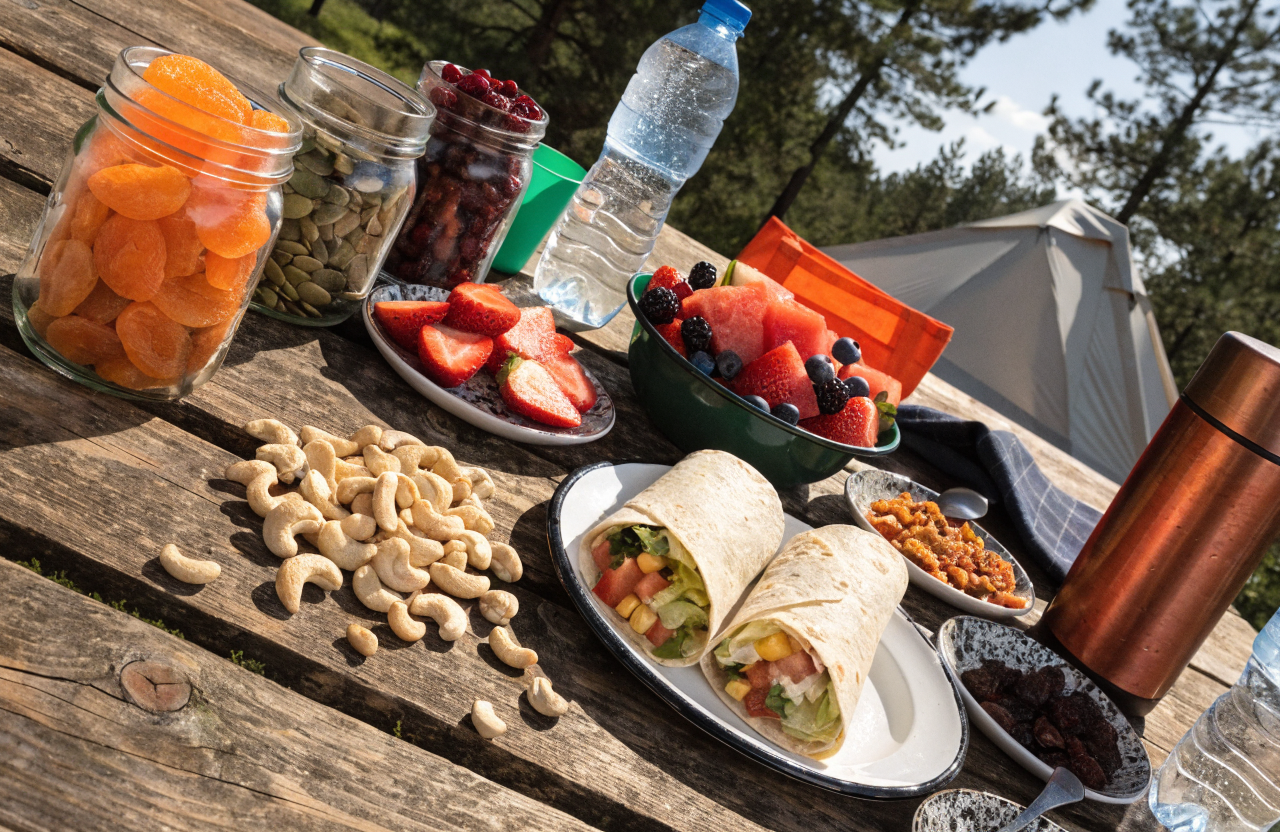
Fancy word for “snack plate becomes lunch,” and honestly? It’s genius for camping. Pack crackers, summer sausage, cheese that doesn’t need refrigeration (yes, it exists), dried fruits, nuts, and maybe some olives. Everyone builds their own plate, no arguments about toppings, and it feels slightly sophisticated even though you’re eating with your hands.
This camping lunch planning approach works brilliantly for groups with different dietary preferences. Vegetarians grab the cheese and nuts, meat-lovers load up on salami, and everyone’s happy.
Quick-Cook Camping Lunch Ideas
Sometimes you want something warm, especially if you’re camping in cooler weather or just crave comfort food. These options take 15 minutes or less—perfect for camping lunch planning when you want substance without the fuss.
Ramen gets a bad rap, but dress it up with fresh veggies, a hard-boiled egg, and some pre-cooked chicken, and suddenly you’ve got a legitimate meal. Boil water, add everything, boom—lunch is served.
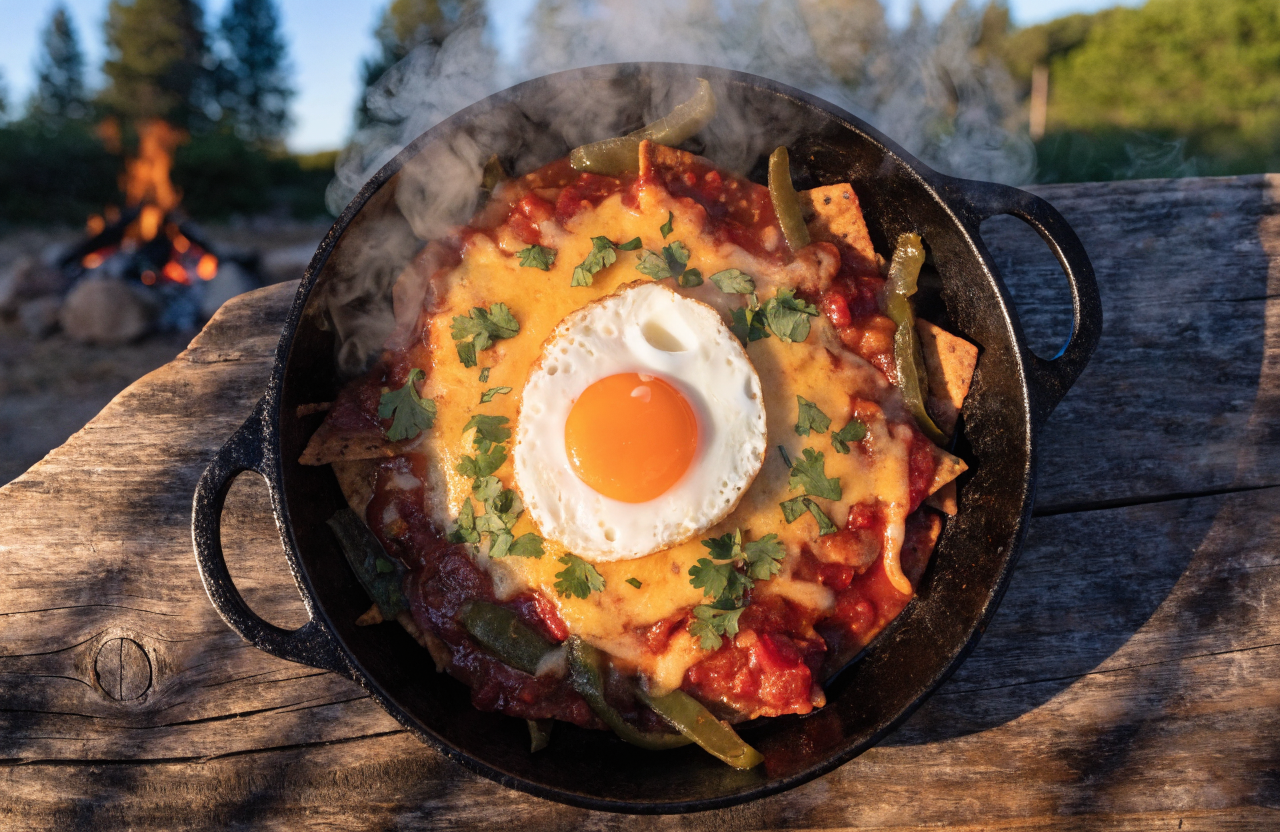
Quesadillas are another camping lunch planning champion. Tortillas, cheese, maybe some canned beans or leftover meat, cook them in a skillet for a few minutes per side. Cut into wedges, dip in salsa, and you’ve got something that feels way fancier than the effort required.
Mac and cheese from a box becomes camping gourmet when you stir in tuna, peas, or hot dogs. Yeah, it’s basically kid food for adults, but when you’re outdoors, different rules apply.
Prep-Ahead Camping Lunch Planning Wins
The secret weapon of successful camping lunch planning? Doing the work before you leave home. Your future self will thank you when you’re tired, dirty, and just want to eat without thinking.
Pasta salad holds up beautifully for days in a cooler. Make a huge batch with Italian dressing, cherry tomatoes, mozzarella, olives, and pepperoni. Eat it cold straight from the container. Add different proteins each day to keep it interesting.
Wraps are sandwich’s cooler cousin. Prep your fillings at home in separate containers—seasoned chicken, black beans, shredded cheese, lettuce, salsa. Store tortillas separately. At lunchtime, everyone builds their own wrap exactly how they want it.
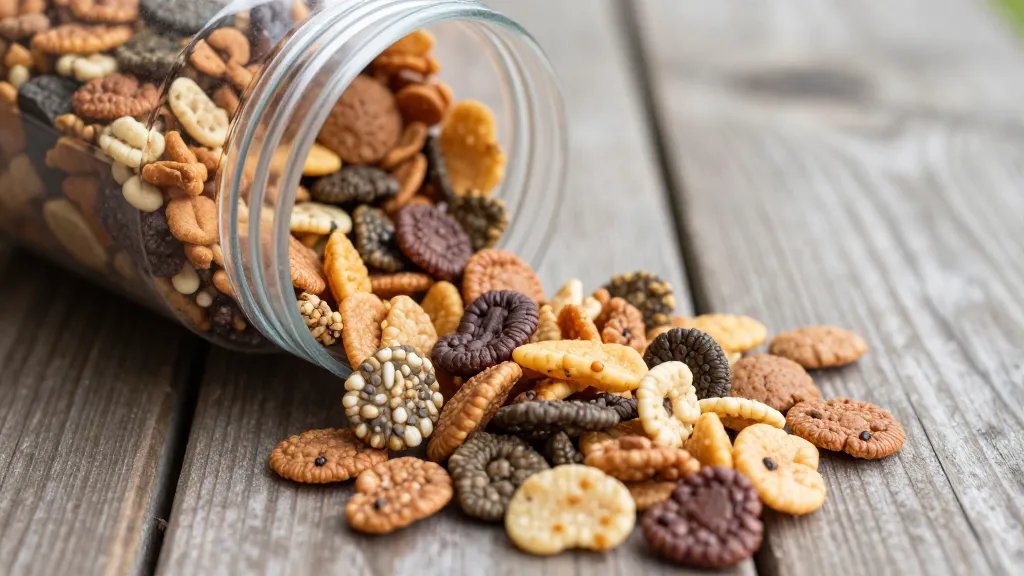
Energy balls or homemade trail mix work as lunch supplements or even full meals if you’re doing a light day. Oats, peanut butter, honey, chocolate chips, dried fruit—you can make dozens of variations. They don’t need refrigeration and pack serious calories for their size.
FYI, camping lunch planning becomes exponentially easier when you batch-cook at home. Spend an hour before your trip, and you’ll coast through lunches all week.
Keeping Food Safe and Fresh
Let’s talk about not getting food poisoning, because that would really put a damper on your trip. Camping lunch planning includes smart food storage strategies.
Your cooler is your best friend. Pack it correctly—frozen water bottles on the bottom act as ice packs and turn into drinking water as they melt. Put lunch items on top where you can access them easily without digging through everything and letting cold air escape.
Keep your cooler in the shade. Throw a wet towel over it for extra cooling through evaporation. Open it as little as possible—get what you need and close it quickly.
Know which foods can handle being outside refrigeration. Hard cheeses, summer sausage, peanut butter, honey, crackers, nuts, dried fruit, and most whole fruits do fine without cooling. Mayonnaise-based items, fresh meat, and soft cheeses need to stay cold.
Plan your menu strategically with camping lunch planning in mind. Eat the most perishable items first (fresh deli meat on day one) and save shelf-stable options for later in your trip (peanut butter and jelly on day four).
Dietary Restrictions and Camping Lunch Planning
Camping with vegetarians, vegans, gluten-free folks, or people with allergies? Your camping lunch planning needs to account for everyone without making yourself crazy.
Vegetarian Options
Bean burritos, grilled cheese sandwiches, veggie wraps with hummus, cheese and crackers, pasta salad without meat—tons of options exist that don’t require separate meal prep. Many camping lunch staples are naturally vegetarian anyway.
Vegan Camping Lunches
PB&J remains the undisputed vegan camping lunch champion. Add in trail mix, hummus with veggies, pasta salad with oil-based dressing, and fruit. Overnight oats made with non-dairy milk also work cold as a lunch option.
Gluten-Free Solutions
Swap regular bread for gluten-free versions or use corn tortillas instead. Rice crackers replace wheat crackers. Focus on naturally gluten-free foods like rice bowls, salads, and protein-veggie combos.
The key to inclusive camping lunch planning? Ask people about their needs beforehand and plan meals that work for everyone, or bring components so people can customize their own plates.
Budget-Friendly Camping Lunch Planning
Camping doesn’t mean you need to blow your budget on fancy freeze-dried meals. Smart camping lunch planning can actually save you money compared to eating out.
Buy in bulk before your trip. Large containers of peanut butter, family-size boxes of crackers, and bulk nuts cost way less per serving than individual packages. Make your own trail mix instead of buying the pre-bagged stuff—you’ll save at least 50%.
Use leftovers strategically. Those breakfast pancakes? Spread peanut butter on them for a weird-but-delicious lunch. Leftover hot dogs become sandwich fillings. Dinner’s grilled chicken goes into tomorrow’s wraps.
Shop your pantry first. You probably already have pasta, rice, canned beans, and other shelf-stable items sitting at home. Build your camping lunch planning around what you already own before buying new stuff.
IMO, the cheapest camping lunch planning strategy is the “assemble-your-own” approach. Lay out basic components—bread, spreads, proteins, toppings—and let people build what they want. Less waste, lower cost, and everyone gets exactly what they like.
What to Pack for Camping Lunch Success
Beyond the food itself, certain gear makes camping lunch planning execution way easier. You don’t need anything fancy, but these items earn their space:
- Reusable containers in various sizes for prepped ingredients and leftovers
- A good cooler that actually keeps things cold (worth the investment)
- Ziplock bags for everything from sandwiches to snacks
- A sharp knife and cutting board for fresh prep
- Can opener if you’re bringing canned goods
- Condiment containers for mayo, mustard, dressing
- Paper towels or reusable cloths for cleanup
- Trash bags for waste (pack it out, people)
Keep lunch stuff separate from breakfast and dinner supplies if possible. Create a “lunch bin” with everything you need so you’re not digging through all your camping gear when hunger strikes.
Frequently Asked Questions
How much food should I plan per person for camping lunches?
Plan more than you think you need—outdoor activities burn serious calories. A good rule: enough for a substantial sandwich or wrap, a side (chips, fruit, veggies), and a snack. That’s roughly 600-800 calories per person, but adjust based on your activity level. Hiking all day? Pack extra. Lounging at camp? Scale back slightly.
Can I prep camping lunches a week in advance?
Some things, yes. Pasta salad lasts 3-5 days. Energy balls and trail mix last weeks. But don’t make sandwiches more than a day ahead—they get gross. Focus your advance camping lunch planning on components and ingredients rather than fully assembled meals. Prep proteins, chop veggies, and portion snacks, then assemble fresh items at camp.
What’s the easiest camping lunch for kids?
Kids usually love build-your-own options where they feel in control. Tortilla wraps with simple fillings, DIY trail mix, or “lunch kits” with crackers, cheese, and meat work great. Familiar foods reduce mealtime battles. Your camping lunch planning should include at least a few items you know they’ll actually eat without complaining.
How do I keep lunch interesting for a week-long camping trip?
Variety is your friend in camping lunch planning. Rotate between sandwiches, wraps, salads, and hot options. Change up proteins and flavor profiles—Italian one day, Mexican the next, Asian-inspired after that. Bring different condiments and sauces to transform basic ingredients. One ingredient (like chicken) becomes five different meals with the right seasonings.
What camping lunch options work without a cooler?
Plenty! Peanut butter and jelly, nut butter on crackers, shelf-stable tuna pouches, summer sausage with hard crackers, trail mix, dried fruit, granola bars, and tortillas with canned beans. Your camping lunch planning can rely entirely on non-perishables if needed—just expect to get a little bored by day three.
Should I plan the same lunch every day to simplify things?
You could, but most people get tired of eating the same thing daily. A better camping lunch planning approach: prep 2-3 different options and rotate them. Make a big pasta salad and a batch of wraps, buy sandwich fixings, and alternate. You get variety without the complexity of planning seven completely different meals.
Wrapping Up Your Camping Lunch Planning
Look, camping lunch planning doesn’t need to stress you out. The whole point of camping is enjoying the outdoors, not becoming a short-order cook in the wilderness. Keep it simple, prep what you can at home, and don’t overthink it.
The best camping lunch planning strategy balances convenience with actual nutrition, saves money without sacrificing taste, and accommodates everyone in your group without requiring a culinary degree. Whether you go the no-cook route with sandwiches and snacks or heat up quick quesadillas, you’ve got this.
Now get out there and enjoy your trip—with a full stomach and zero lunch-related stress. Happy camping!
0 Comments