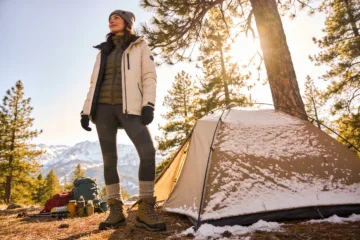
Winter camping challenges you to stay cozy when temperatures drop and winds pick up. The right camping outfits for winter make the difference between shivering through the night and actually enjoying crisp morning air. Layering smart pieces creates warmth without bulk, while choosing moisture-wicking fabrics keeps you dry when you’re hiking to your campsite or sitting by the fire.
1. Merino Wool Base Layer Set
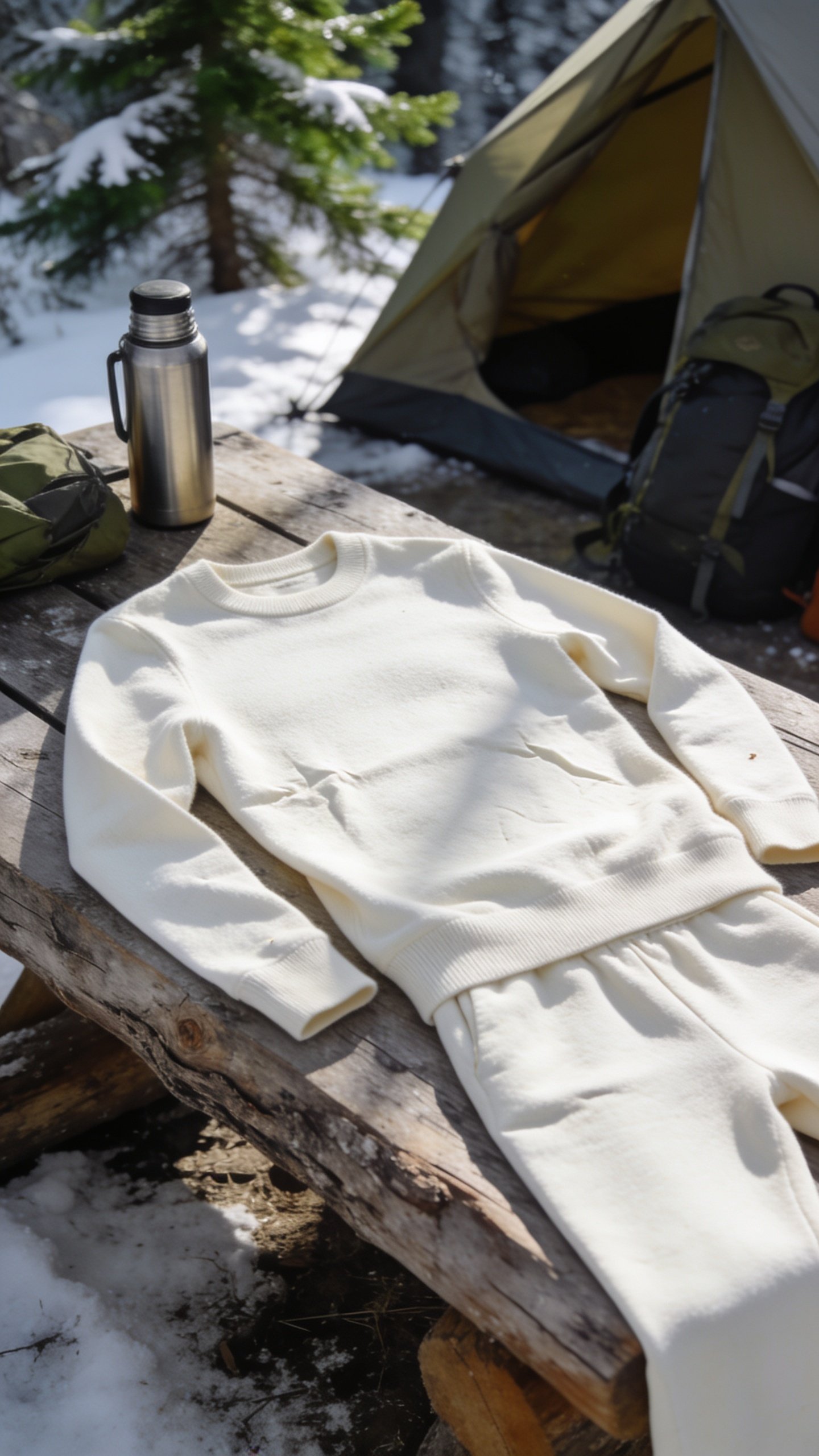
A quality merino wool base layer works as your foundation for every cold-weather camping trip. This natural fiber regulates body temperature better than cotton, wicking sweat away from your skin while trapping heat close to your body. Merino wool also resists odors, so you can wear the same set multiple days without worrying about smell.
Choose a base layer that fits snug but not tight against your skin. The shirt should have a crew or mock neck to protect your throat from cold air, and long sleeves that extend past your wrists. Look for pants with a comfortable waistband that won’t dig in when you’re sitting around camp.
Wash your merino base layers in cold water and lay flat to dry before your trip. Pack at least one extra set so you have a fresh layer to change into if the first gets damp. Store them in a waterproof stuff sack to keep moisture out of your pack. Your base layer should feel like a second skin, moving with you as you set up tents or gather firewood.
2. Insulated Mid-Layer Fleece Jacket
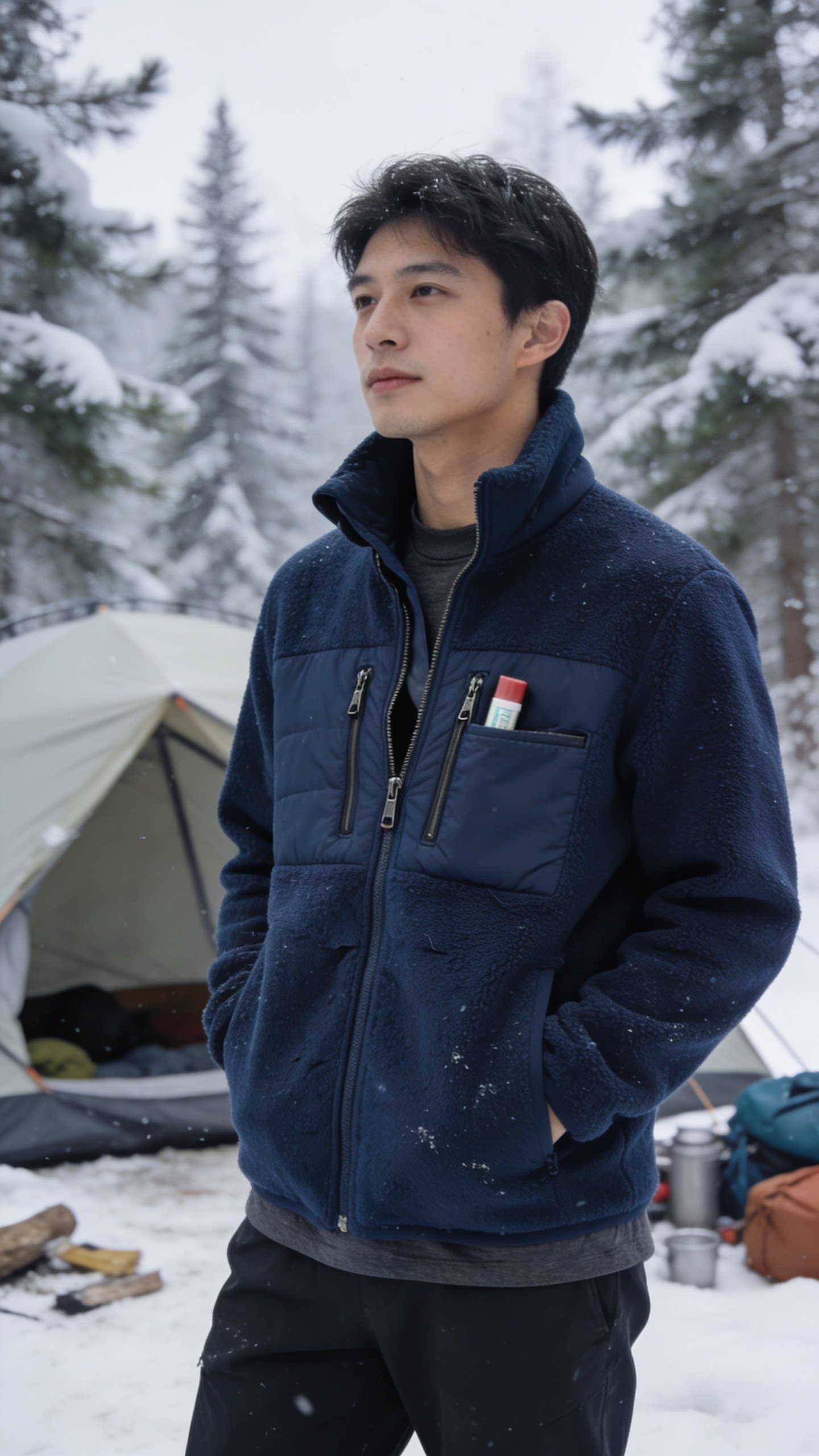
Your mid-layer traps warm air created by your base layer while adding bulk-free insulation. A fleece jacket with a full zip gives you temperature control throughout the day. When you’re active and generating heat, unzip the front. When you’re resting, zip it up to seal in warmth.
Select a fleece with a high collar that protects your neck and chin. Zippered pockets keep small essentials like lip balm or hand warmers secure and accessible. Look for flat seams that won’t chafe when you’re wearing a backpack or carrying gear.
The ideal weight for winter camping is a heavyweight fleece, usually around 300-weight. This thickness provides serious warmth without restricting movement. Some fleece jackets have thumb holes in the sleeves, which help keep sleeves in place and eliminate gaps between your jacket and gloves.
Try layering your fleece over your base layer at home before the trip. Raise your arms, bend at the waist, and sit down to ensure the jacket moves with you. If it rides up or feels restrictive, size up for better range of motion.
3. Waterproof Insulated Pants
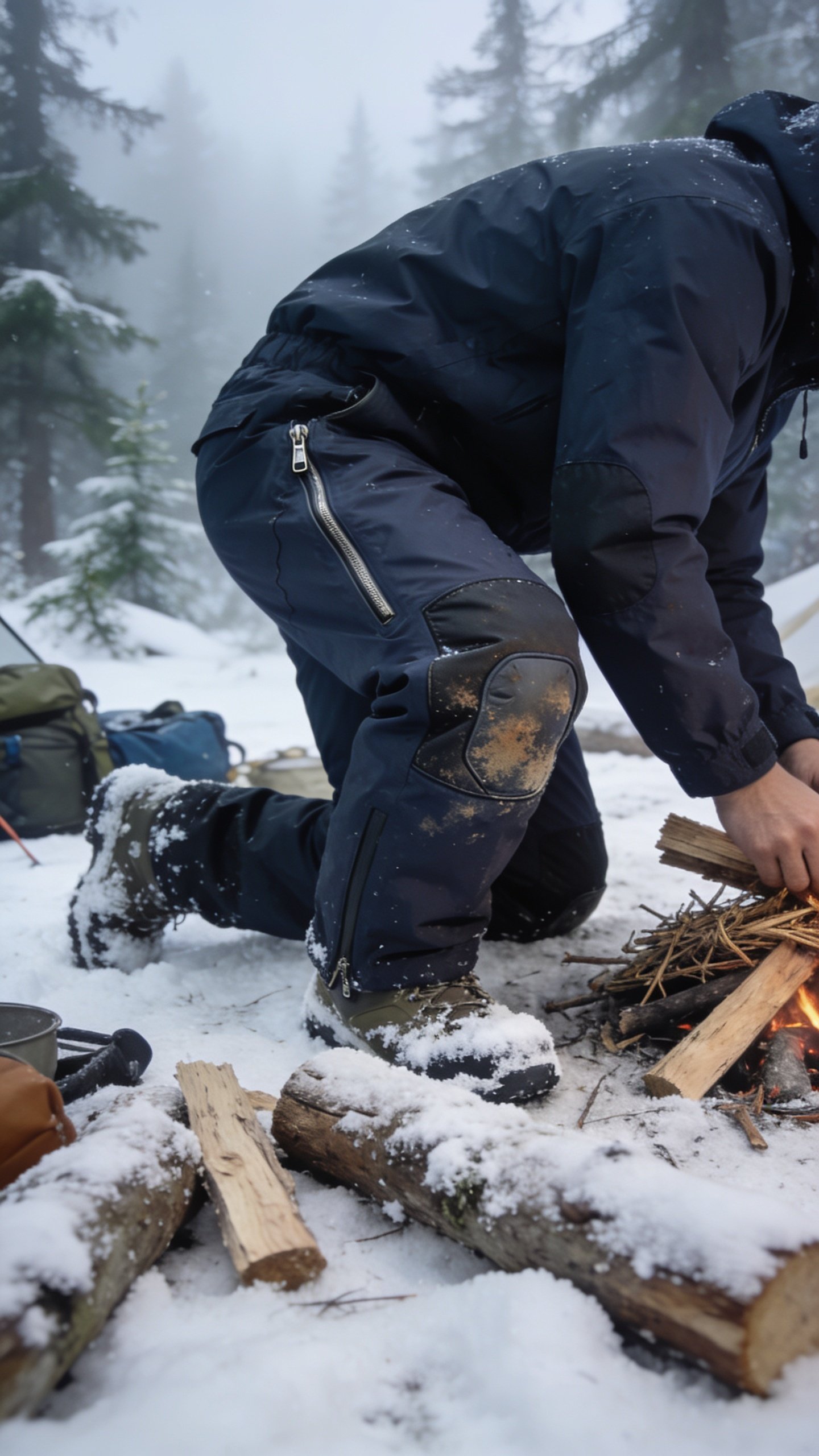
Your legs need protection from wind, moisture, and cold ground temperatures. Insulated pants with a waterproof outer shell keep you dry when you’re kneeling to start a fire or sitting on snow-covered logs. These pants work harder than jeans or regular hiking pants because they block wind while trapping body heat.
Choose pants with articulated knees that bend naturally when you walk or climb. Side zips or full-length zippers let you put them on over boots without struggling. Reinforced knees and seat areas add durability where you need it most. Adjustable waist tabs help you get the perfect fit over your base layers.
Check that the pants are long enough to overlap with your boots by at least two inches. This prevents snow and cold air from sneaking in at your ankles. Some styles have internal gaiters or elastic cuffs that seal around your boots.
Pockets should close with zippers or velcro to keep items secure. Test the range of motion by doing squats and lunges to confirm the pants won’t bind or restrict you at camp.
4. Down or Synthetic Insulated Parka
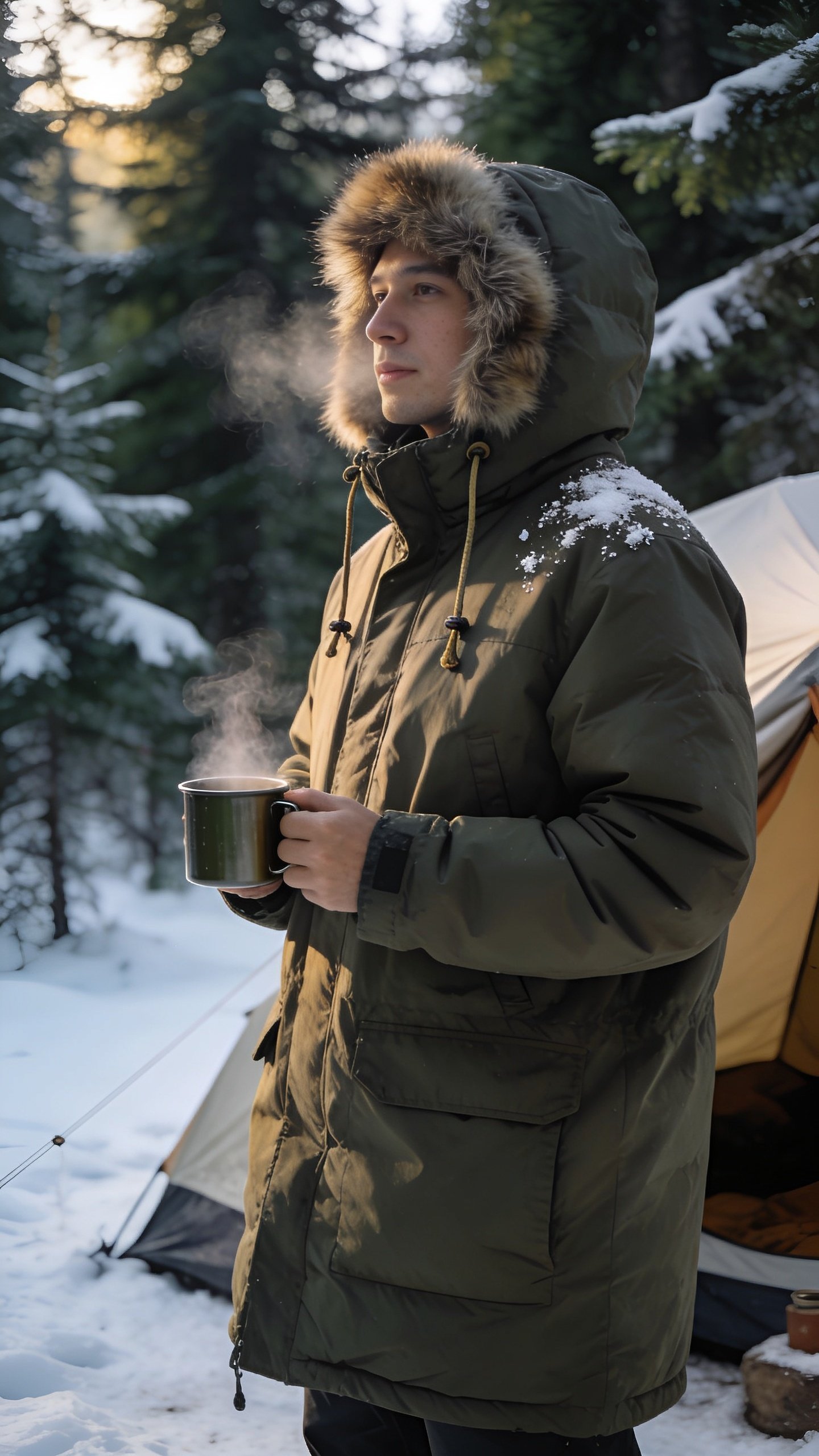
An insulated parka serves as your outer shield against freezing temperatures and biting wind. Down insulation offers the best warmth-to-weight ratio, compressing small in your pack but lofting up to trap heat. Synthetic insulation costs less and performs better when wet, making it practical for unpredictable winter weather.
Your parka should extend past your hips to protect your core and upper legs. A hood with adjustable drawcords blocks wind and frames your face, keeping your head warm without a separate hat. Look for a two-way front zipper that lets you open the bottom for ventilation while keeping your chest protected.
Key features include elastic cuffs that seal at your wrists, preventing cold air from traveling up your sleeves. Inside pockets keep phone batteries warm, since cold drains them quickly. Outside pockets should be positioned high enough to access while wearing a backpack hip belt.
Consider the temperature rating when selecting your parka. For winter camping, choose one rated for at least 20 degrees Fahrenheit below the coldest temperature you expect. Store your parka uncompressed between trips to maintain its loft and insulating power.
5. Heavyweight Wool Socks and Camp Booties
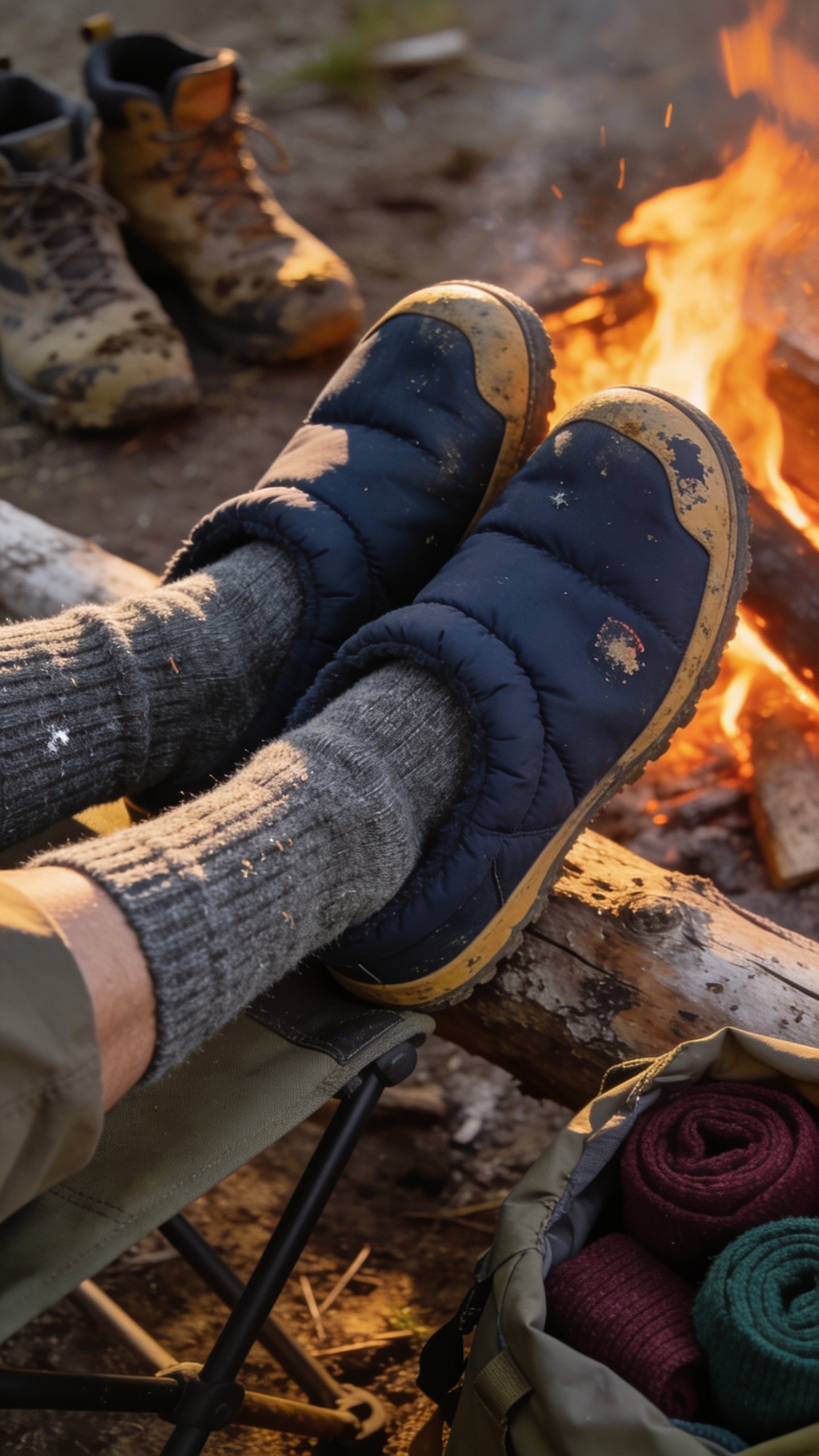
Cold feet ruin a camping trip faster than almost anything else. Heavyweight wool socks provide cushioning and insulation, while camp booties give your feet a break from stiff hiking boots. This combination keeps your feet warm whether you’re active or relaxing by the fire.
Pack at least three pairs of wool socks. Keep one pair sealed in a waterproof bag for sleeping, ensuring you always have dry socks for nighttime. Change socks whenever they feel damp, as moisture conducts heat away from your feet rapidly.
Camp booties are insulated slippers designed for outdoor use. They have grippy soles for walking around camp and pack down small when not in use. Slip them on as soon as you arrive at your campsite to give your feet relief and prevent blisters from forming.
Choose socks that come up over your calf to prevent gaps between your pants and boots. Avoid cotton blend socks, which hold moisture and lose insulating ability when wet. Consider bringing a small piece of foam or an insulated sit pad to stand on while changing socks, keeping your feet off cold ground.
6. Insulated Gloves with Liner System
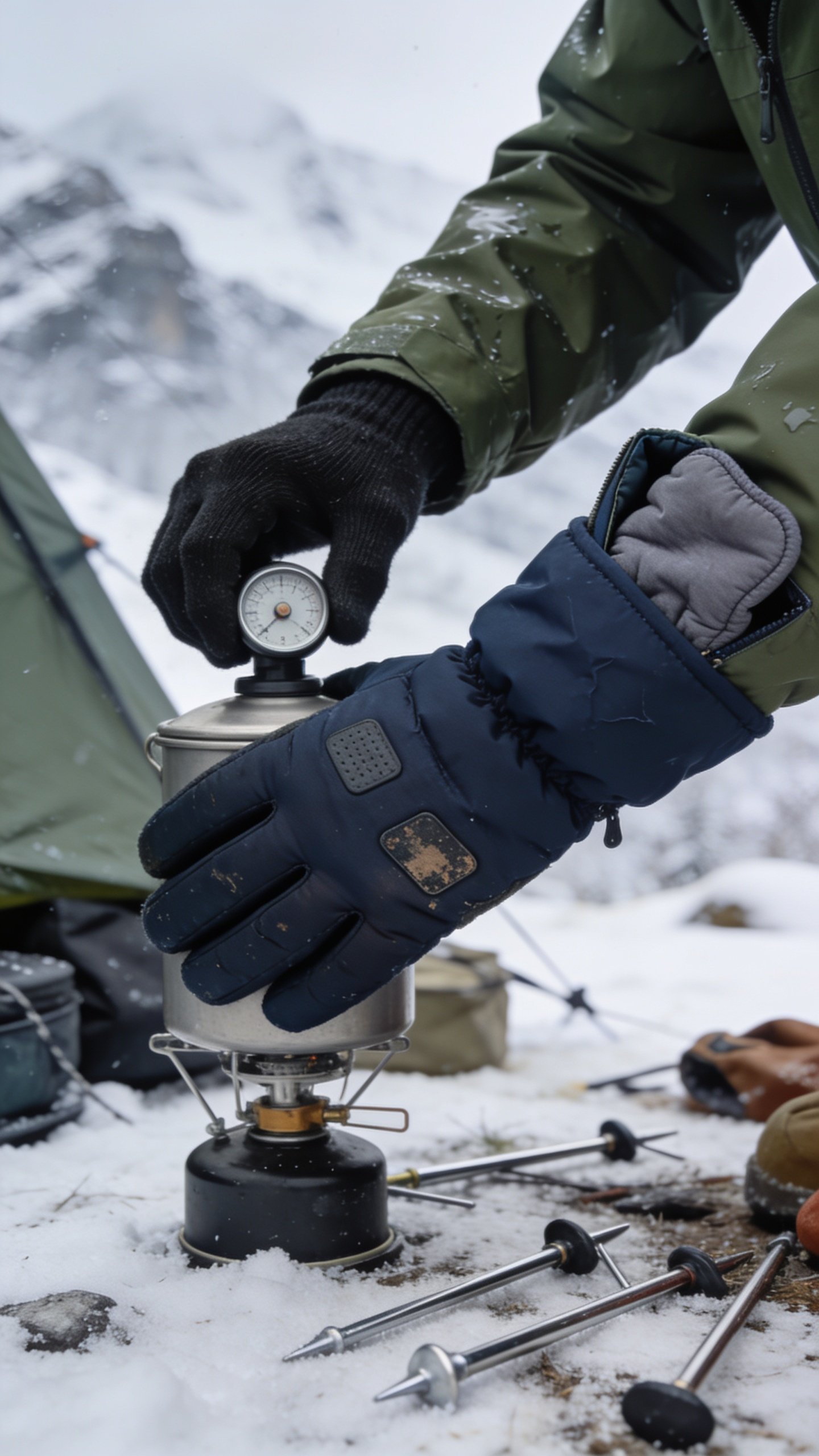
Your hands need protection for camp tasks while maintaining dexterity. A glove system with removable liners gives you options throughout the day. Wear just the liners for detailed work like cooking or adjusting tent stakes, then add the outer gloves when you need maximum warmth.
The outer gloves should have waterproof shells with insulated interiors. Gauntlet-style cuffs extend over your jacket sleeves, preventing snow and wind from reaching your wrists. Look for gloves with grippy palms and fingers that help you hold gear securely.
Thin liner gloves made from wool or synthetic materials work under your insulated gloves or alone for precision tasks. Keep the liners on when removing your outer gloves, so your skin never contacts metal tent poles or camp stove knobs in freezing temperatures.
Attach a small carabiner clip to your gloves so you can secure them to your jacket when they’re off. This prevents them from falling in snow or blowing away in wind. Bring an extra pair of liners as backup, since they’re small and pack easily.
7. Thermal Neck Gaiter and Warm Hat
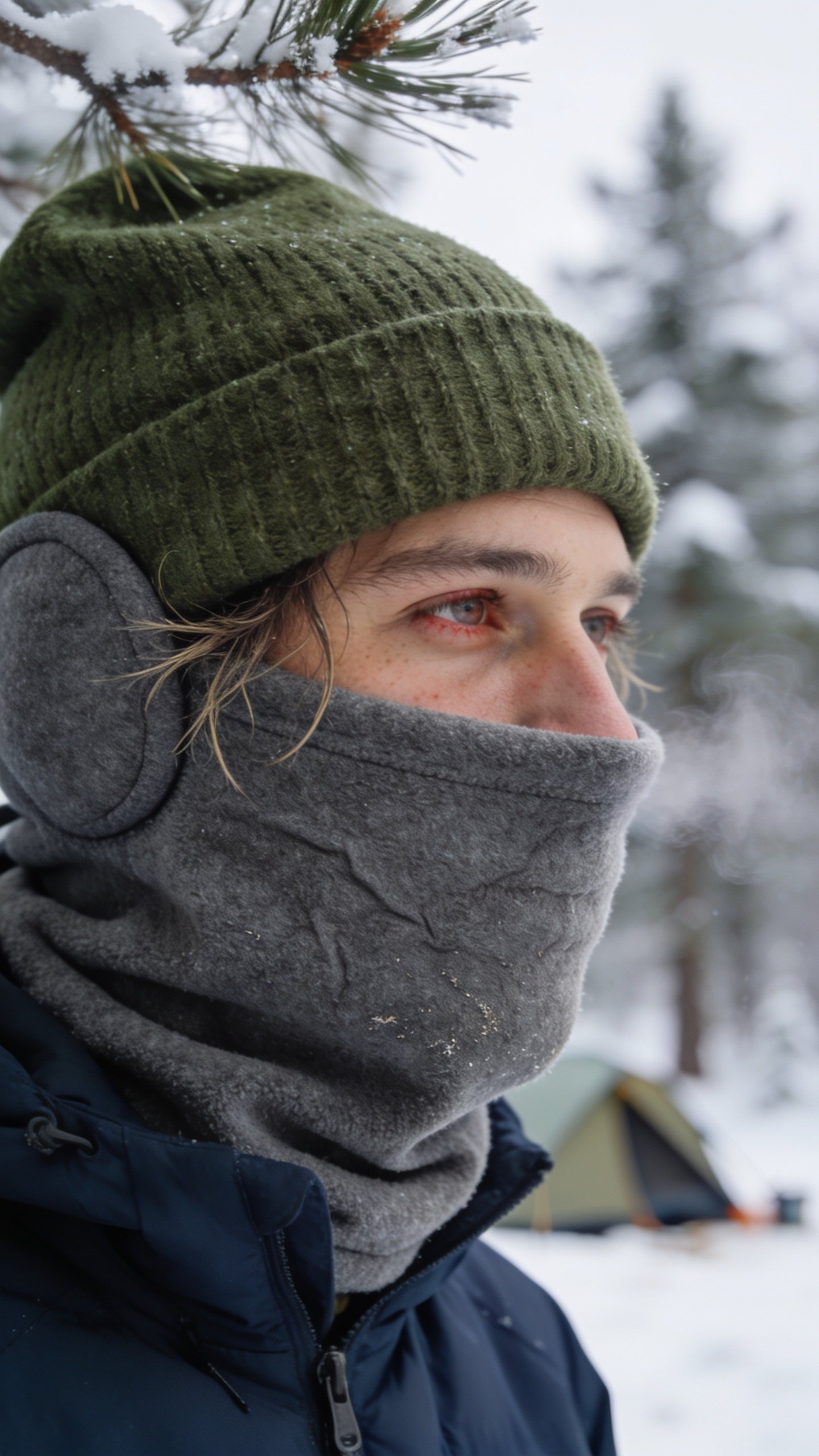
Your neck and head lose heat rapidly in cold weather, so covering them properly makes your whole body feel warmer. A thermal neck gaiter pulls up over your nose and mouth, warming the air you breathe and protecting your face from windburn. A warm hat covers your ears and keeps heat from escaping through your head.
Choose a neck gaiter made from fleece or merino wool that’s tall enough to cover your chin when pulled up. It should fit snugly without being restrictive, staying in place when you move your head. Some styles have a drawstring at the top for adjusting the fit.
Your hat should cover your ears completely and fit snugly without leaving a gap between the hat and your gaiter. A fleece-lined beanie works well for most winter camping conditions. For extremely cold weather, consider a balaclava that covers your entire head and neck in one piece.
Pack these items where you can reach them easily, since you’ll want them as soon as the sun sets and temperatures drop. Keep a spare hat in your sleeping bag in case your primary one gets wet during the day.
8. Moisture-Wicking Long Underwear for Sleeping
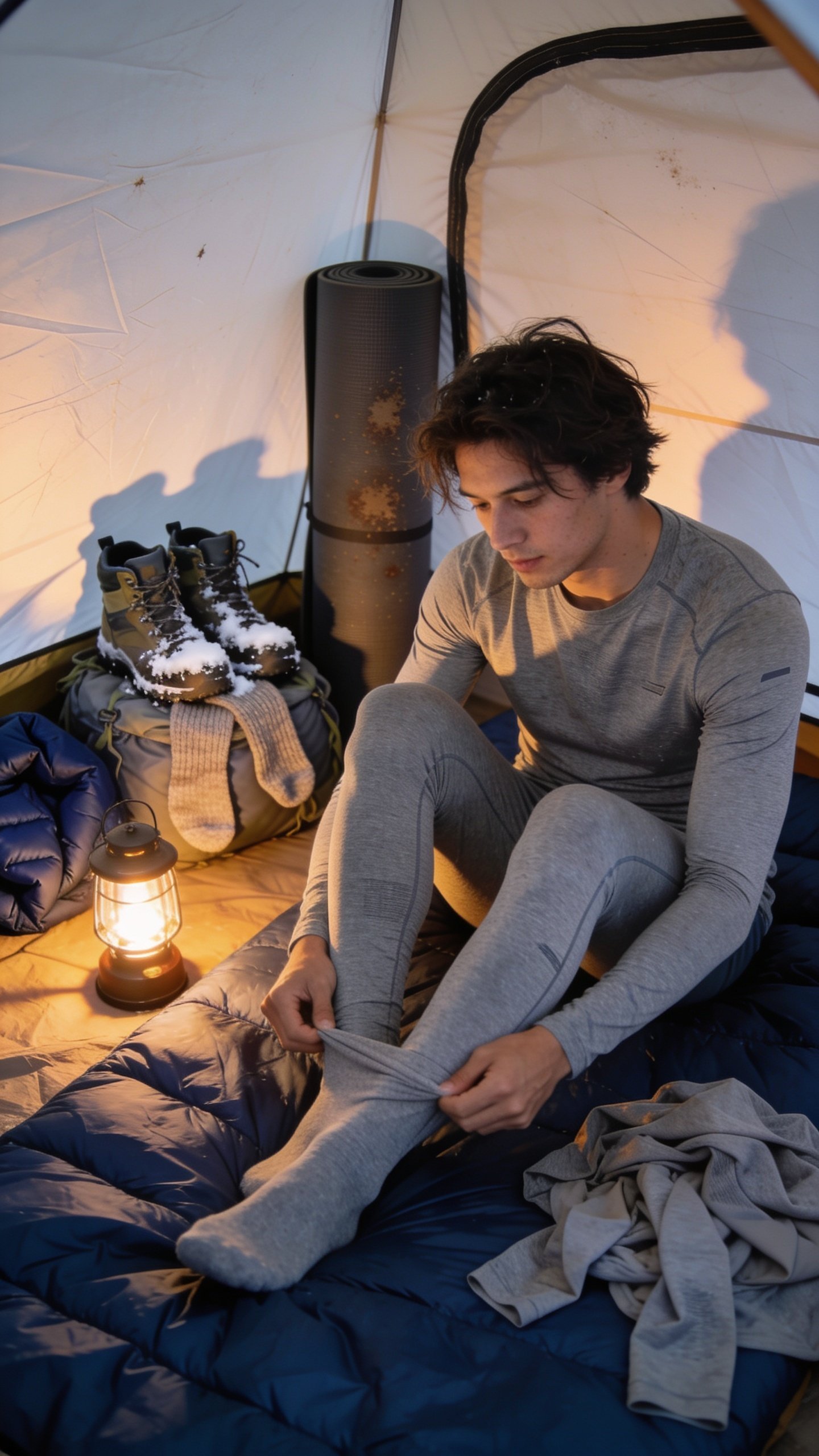
What you wear inside your sleeping bag affects how warm you stay through the night. Fresh moisture-wicking long underwear keeps you comfortable by pulling sweat away from your body. Never sleep in the same base layers you wore during the day, as they’ve absorbed moisture and oils that reduce their insulating ability.
Your sleep layers should fit loosely, allowing air to circulate and your sleeping bag insulation to loft properly. Tight clothing restricts blood flow and can actually make you colder. Choose a lightweight or midweight fabric rather than heavyweight, as your sleeping bag provides the insulation.
Change into your sleep layers about 30 minutes before bed. This gives your body time to warm the fabric before you get into your sleeping bag. Keep these layers sealed in a waterproof bag during the day so they stay completely dry.
Add wool socks designated only for sleeping. Some campers prefer a clean dry beanie for sleeping too, especially in temperatures below 20 degrees Fahrenheit. Store tomorrow’s clothes inside your sleeping bag overnight so they’re warm when you dress in the morning, making the transition out of your cozy cocoon much easier.
FAQ About Camping Outfits for Winter
How many layers should I wear for winter camping?
Three layers work best: a moisture-wicking base layer next to your skin, an insulating mid-layer like fleece, and a waterproof outer shell. Add or remove layers based on your activity level and temperature changes throughout the day.
Can I wear cotton for winter camping?
Avoid cotton for winter camping. Cotton absorbs moisture and loses all insulating ability when wet, which can lead to dangerous heat loss. Stick with wool or synthetic fabrics designed for cold weather activities.
What should I do if my clothes get wet while camping in winter?
Change into dry layers immediately if possible. Hang wet clothes inside your tent away from contact with the walls, or pack them in a separate waterproof bag. Never sleep in damp clothing, as it will draw heat away from your body.
How do I keep my boots warm overnight?
Store boots upside down with the openings covered to prevent moisture or critters from getting inside. Place them in your tent vestibule rather than outside where they’ll freeze solid. Some campers sleep with their boots in their sleeping bag stuff sack to keep them from freezing.
Should I bring extra clothing for winter camping?
Yes, pack at least one complete change of base layers and extra socks. Emergency backup clothing can save your trip if something gets wet or torn. The extra weight is worth the safety and comfort insurance.
Enjoying Your Camping Outfits for Winter
The right clothing system turns winter camping from an endurance test into an adventure you’ll want to repeat. Start with quality base layers, add insulating mid-layers, and protect everything with weatherproof outer shells. Your preparation pays off when you’re warm and comfortable under the stars, enjoying the peaceful beauty of winter outdoors.
0 Comments