Planning a cold-weather camping trip means getting your winter camping outfits right from the start. The difference between a miserable night and a memorable adventure often comes down to what you’re wearing. With the right layering strategy and smart fabric choices, you can stay comfortable even when temperatures drop below freezing.
1. Base Layer Set With Moisture-Wicking Fabric
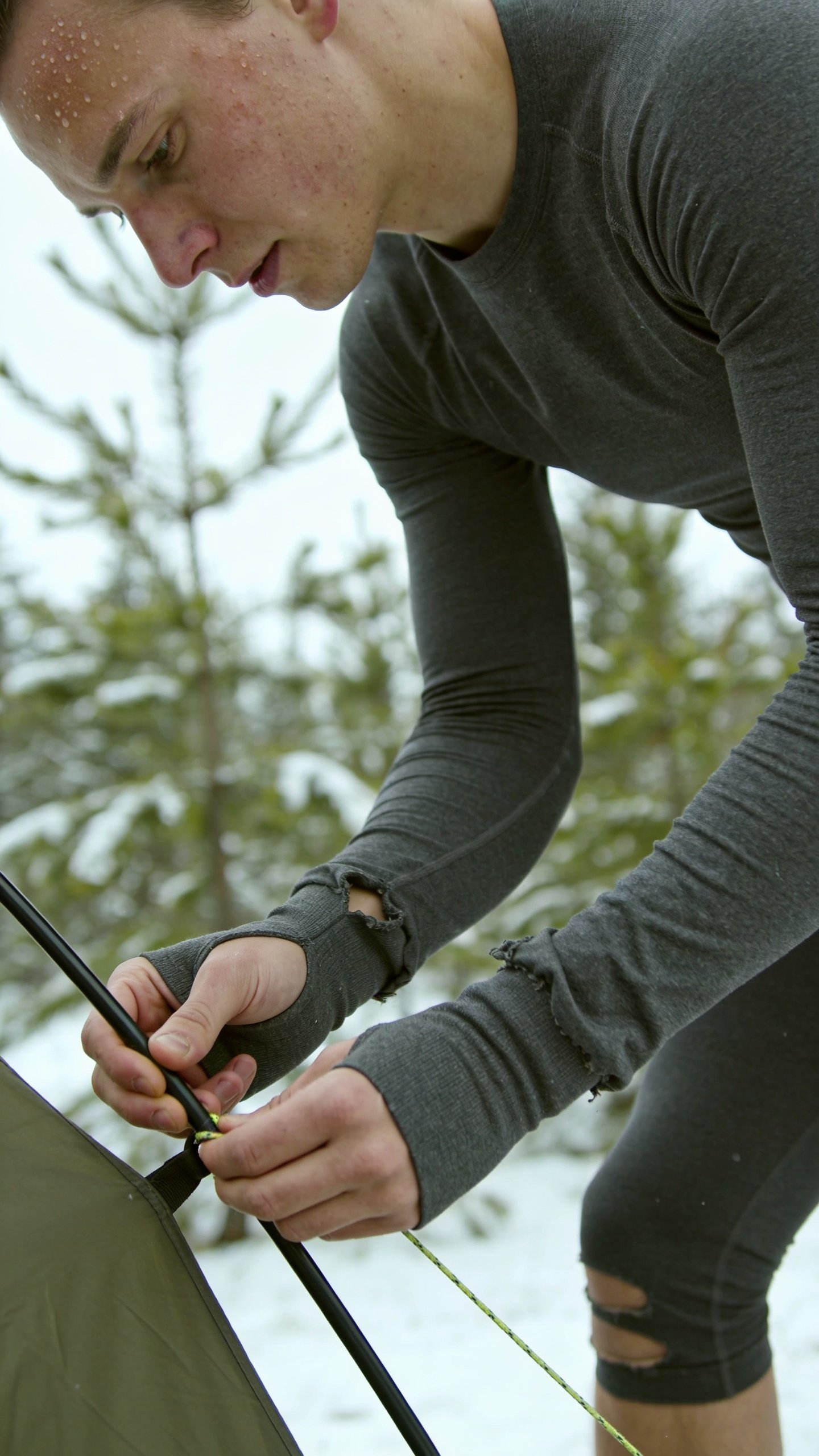
Your base layer is the foundation of any solid winter camping outfit because it sits directly against your skin and manages moisture throughout the day. When you’re hiking to your campsite or setting up your tent, you’ll sweat even in cold weather, and cotton will stay damp and make you cold. A synthetic or merino wool base layer pulls that moisture away from your body and keeps you dry.
Look for a long-sleeve top and full-length bottoms made from polyester or merino wool. The fit should be snug but not tight, allowing the fabric to work properly without restricting movement. Merino wool offers natural odor resistance, which matters when you’re wearing the same clothes for multiple days. Synthetic options tend to be more affordable and dry faster if they get wet.
Pack at least two sets if you’re camping for more than one night. You can hand-wash one set and hang it inside your tent or in your sleeping bag stuff sack to dry overnight. Check the weight rating, usually measured in grams per square meter. Lightweight options (150-200 gsm) work for active periods, while midweight versions (200-250 gsm) suit colder conditions or relaxing around camp.
2. Insulated Mid-Layer Fleece or Down Jacket
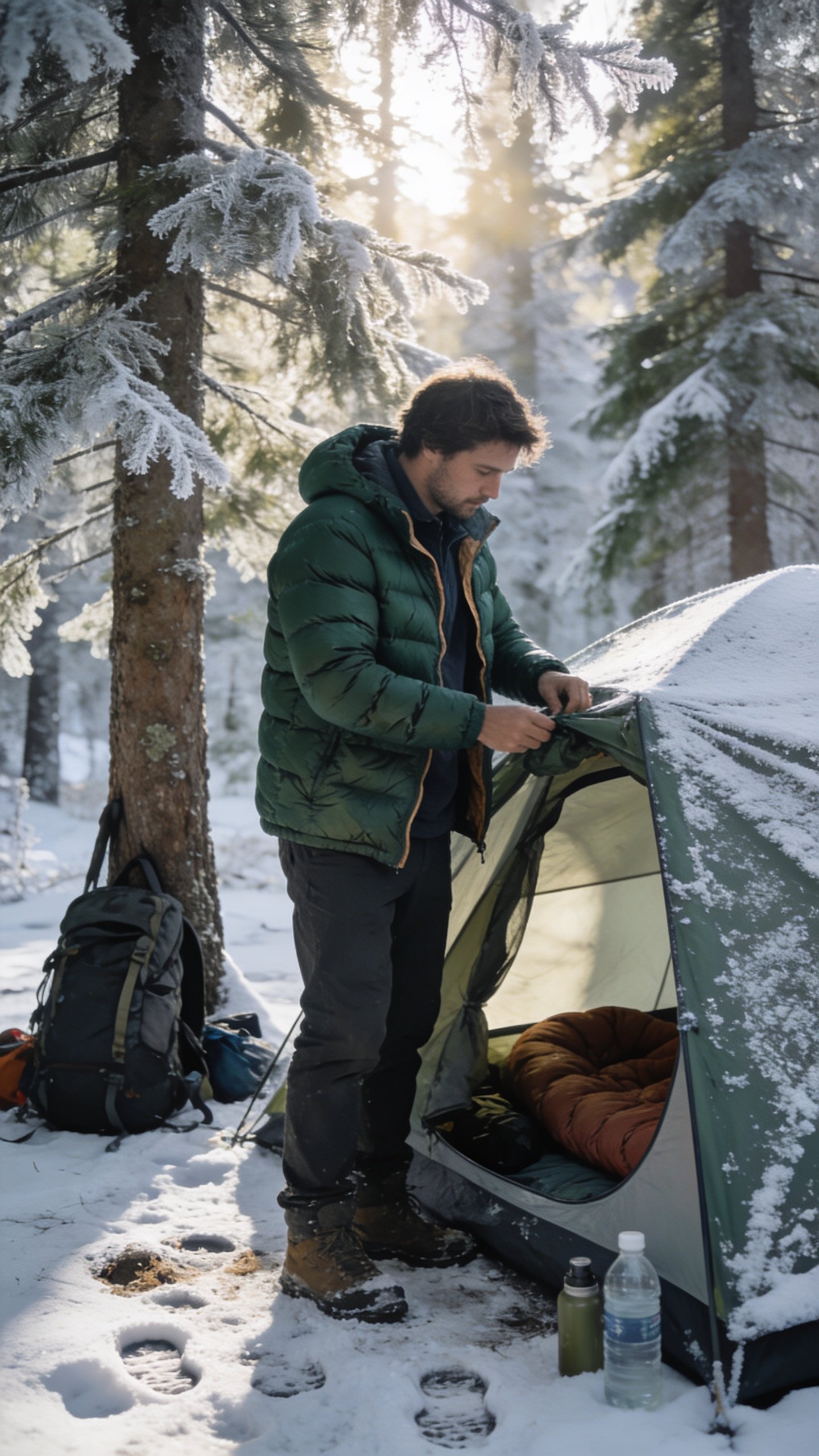
Your mid-layer traps warm air close to your body and provides the bulk of your insulation in winter camping outfits. This layer should be easy to add or remove as your activity level changes throughout the day. Fleece jackets offer reliable warmth even when damp, while down jackets pack smaller and provide more warmth for their weight in dry conditions.
Choose a full-zip style so you can ventilate quickly when you start to overheat during camp chores. The jacket should fit comfortably over your base layer with room to move your arms freely. Look for features like zippered hand pockets to warm cold fingers and a high collar to protect your neck. Down jackets need a water-resistant shell fabric since down loses its insulating ability when wet.
Consider bringing both a lightweight fleece and a puffy jacket. Wear the fleece during active periods like gathering firewood or cooking, then add the puffy layer when you’re sitting around the campfire. This combination gives you more flexibility than a single heavy jacket. Store down jackets uncompressed between trips to maintain their loft and warmth.
3. Waterproof Outer Shell Jacket and Pants
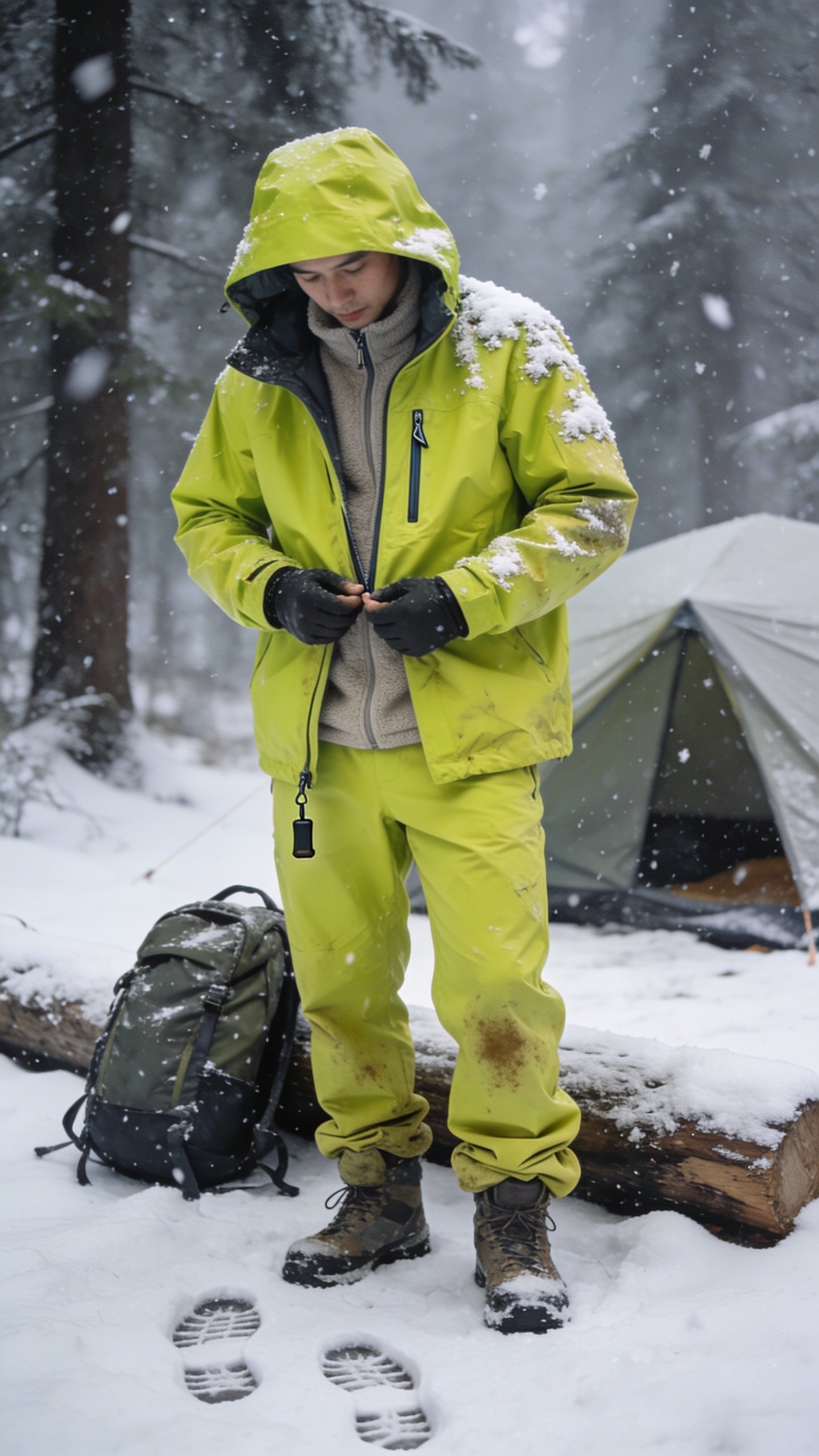
Your outer shell protects all your other layers from wind, rain, and snow while letting moisture escape from inside. This layer makes or breaks your comfort during winter camping because it shields you from the elements without turning your outfit into a sauna. A good shell weighs less than you’d expect and packs down small when you don’t need it.
Select a jacket with a waterproof rating of at least 10,000mm and sealed seams throughout. The fit should accommodate all your layers underneath without feeling bulky. Look for an adjustable hood that fits over a warm hat, pit zips for ventilation, and cuffs that cinch closed to keep snow out. Shell pants should have full-length side zips so you can put them on without removing your boots.
Test your shell’s breathability before your trip by wearing it during a brisk walk. If you feel clammy inside after 15 minutes, the fabric isn’t breathing well enough for active use. Apply a DWR (durable water repellent) treatment before your trip if water no longer beads up on the surface. Keep your shell accessible at the top of your pack since weather can change quickly in winter.
4. Insulated Winter Hiking Boots With Wool Socks
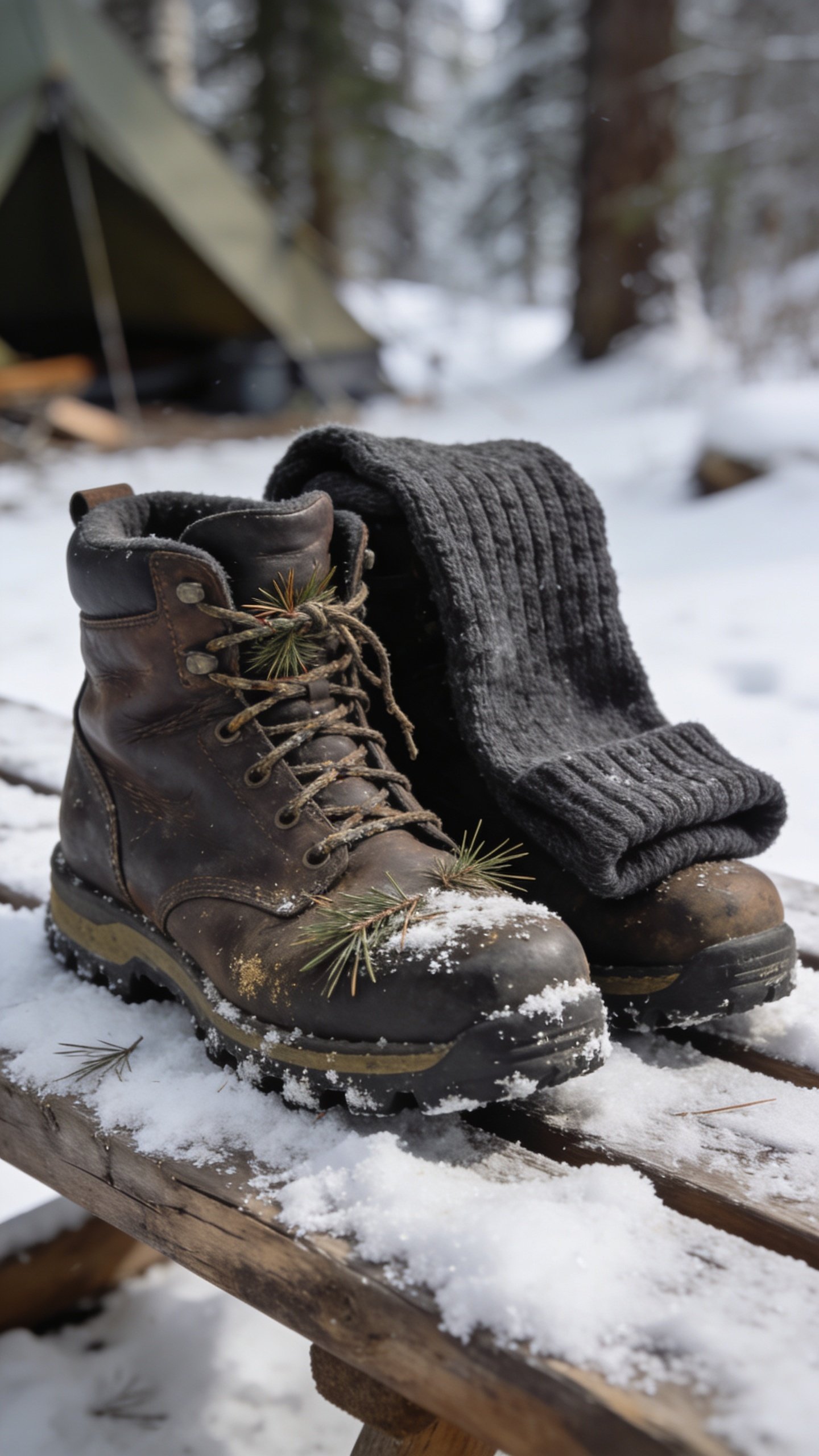
Cold feet will ruin your camping trip faster than almost anything else, making insulated boots and proper socks critical components of winter camping outfits. Your boots need to keep your feet warm, dry, and stable on snowy or icy terrain. The right sock combination prevents blisters while adding an extra layer of warmth.
Choose boots rated for temperatures at least 10 degrees colder than you expect to encounter. The insulation should be 400 grams or higher for winter camping. Make sure there’s enough room in the toe box to wiggle your toes while wearing thick socks, since cramped toes get cold quickly. The boots should rise above your ankles for support and to keep snow from getting inside.
Wear a thin liner sock made from synthetic material or silk under a thick wool hiking sock. This two-sock system reduces friction and wicks moisture away from your skin. Bring at least two pairs of wool socks and swap them daily. Hang damp socks inside your jacket while hiking to dry them with body heat. Never wear your hiking boots inside your tent, as this brings moisture and cold inside where you sleep.
5. Warm Hat That Covers Your Ears
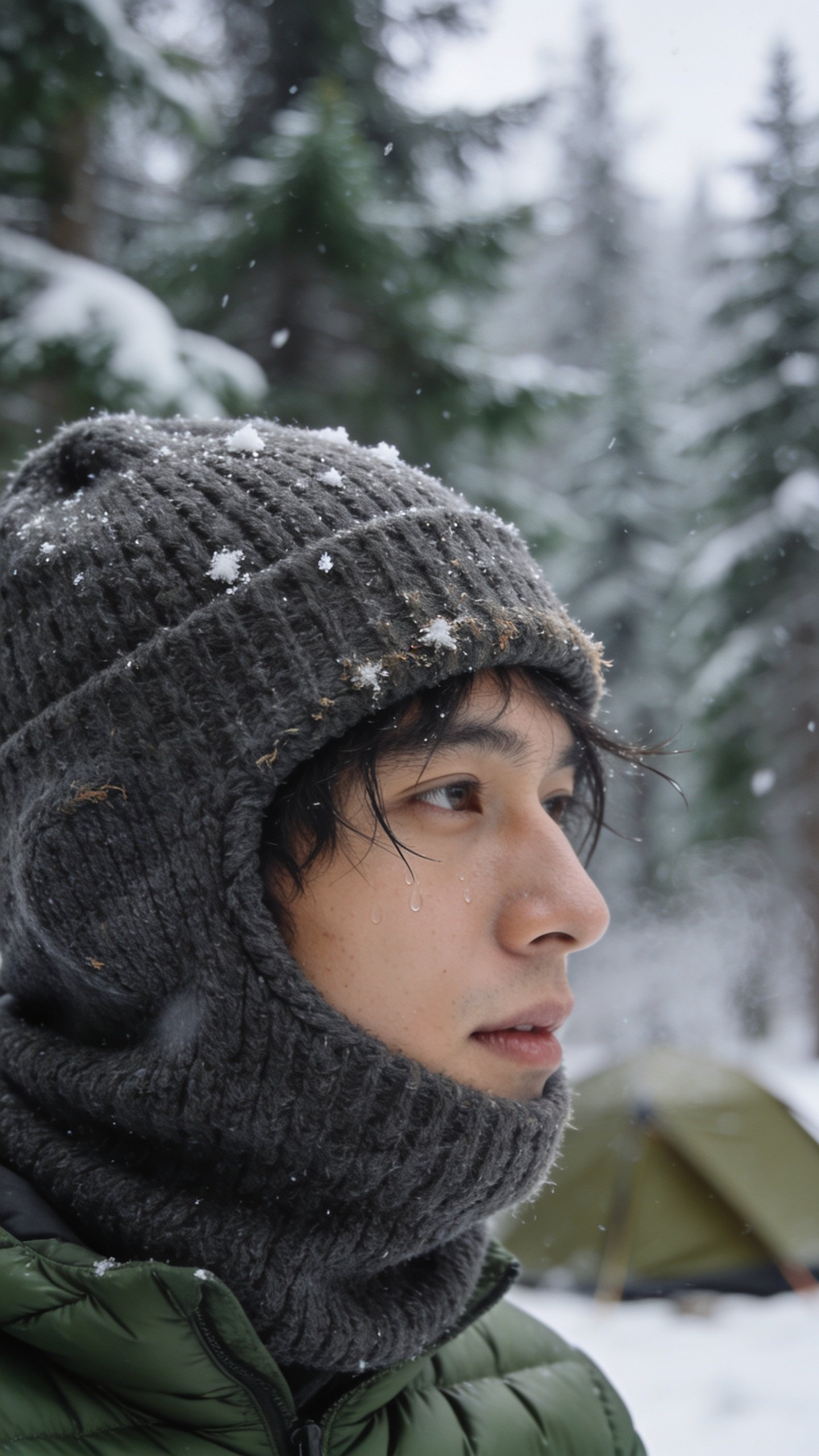
You lose significant body heat through your head, making a warm hat one of the simplest and most effective parts of your winter camping outfit. A good hat weighs almost nothing, takes up minimal space in your pack, and makes an immediate difference in your comfort level. The right style stays put during activity and covers your ears completely.
Select a beanie or fleece hat made from wool or synthetic fleece that covers your ears and forehead. The fit should be snug enough to stay on in wind but not so tight it causes headaches. Merino wool options regulate temperature well and don’t get as itchy as traditional wool. Some hats have a fleece-lined band around the ears for extra warmth in that sensitive area.
Bring two hats if possible: a lighter one for active periods and a warmer one for sleeping and hanging around camp. You can also layer a thin beanie under your shell jacket hood for extremely cold conditions. Keep your spare hat in your sleeping bag at night so you have a warm, dry one to put on first thing in the morning. A hat with a small brim or visor helps keep snow off your face without blocking your vision.
6. Insulated Gloves With Liner Option
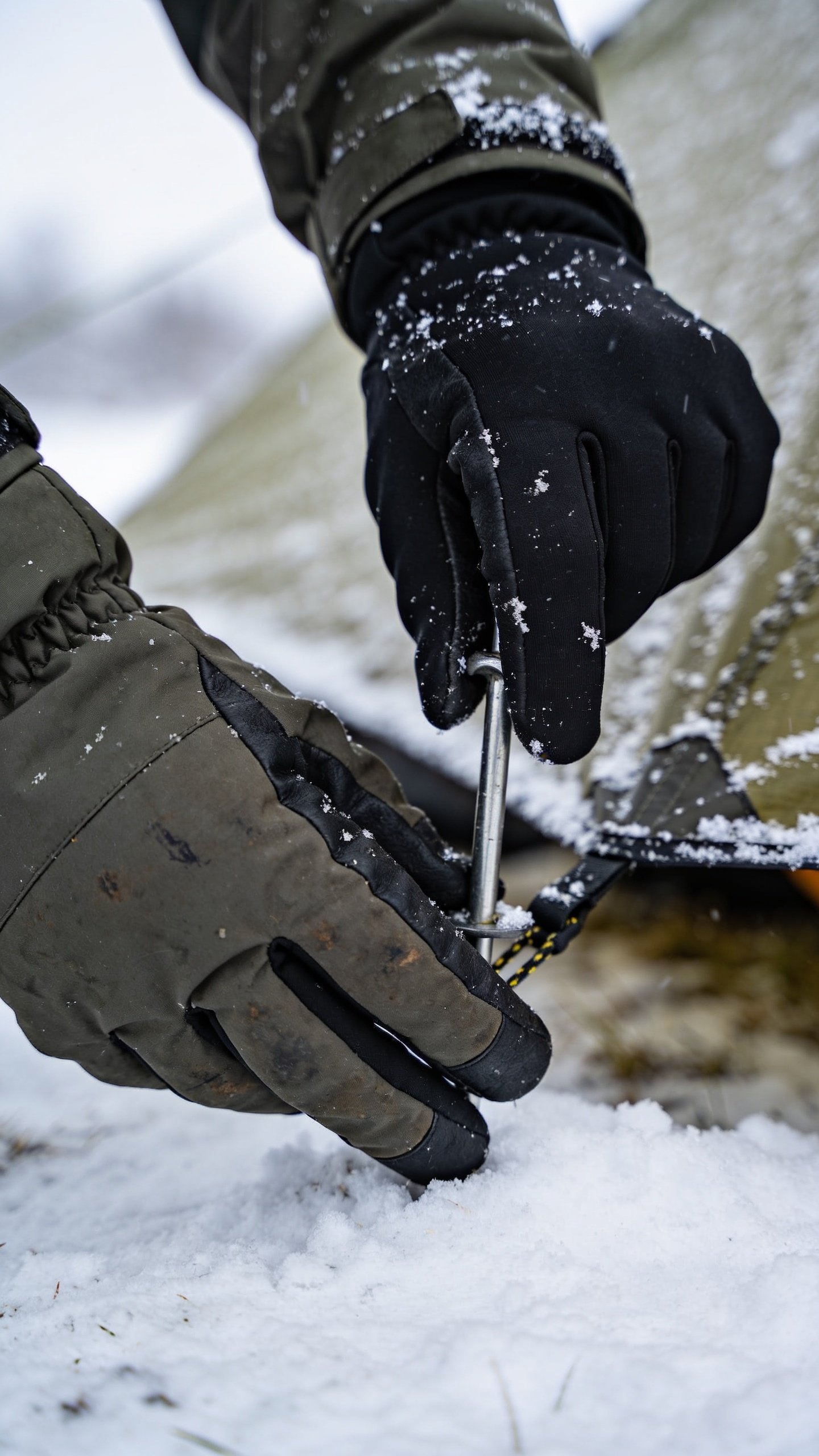
Your hands need protection from cold and wind while maintaining enough dexterity to handle zippers, tent stakes, and camp stove controls. Winter camping outfits require a glove system that adapts to different activities throughout the day. The best approach combines waterproof insulated gloves with thin liner gloves for maximum flexibility.
Get waterproof mittens or gloves with at least 100 grams of insulation for general camp use. Mittens keep your fingers warmer than gloves, but gloves offer better dexterity for tasks requiring finger movement. Look for long cuffs that extend past your jacket sleeves and cinch closed to prevent snow from getting inside. Palm grip material helps you maintain your hold on trekking poles and gear.
Pack thin liner gloves made from fleece or merino wool for tasks requiring fine motor control. You can wear these inside your insulated gloves for extra warmth or alone during active periods when heavy gloves feel too warm. Keep a spare pair of liners in an inside jacket pocket so you always have dry gloves available. Consider attaching your heavy gloves to your jacket with clips to avoid losing them in snow.
7. Thermal Neck Gaiter or Balaclava
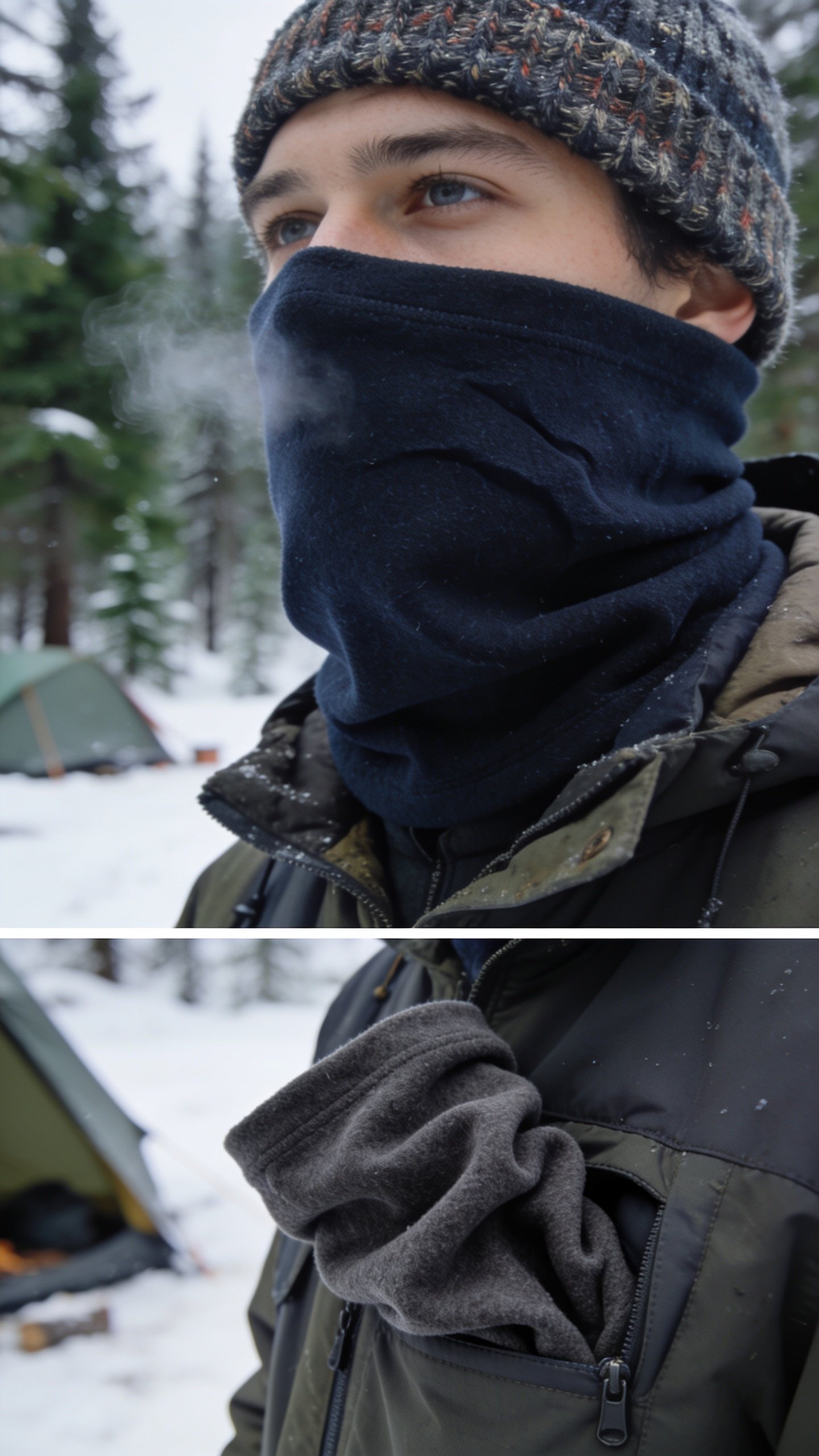
The gap between your jacket collar and hat creates a pathway for heat to escape and cold air to reach your neck and face. A neck gaiter or balaclava fills this gap and protects exposed skin from windburn and frostbite. These versatile pieces adapt to changing conditions and pack down to almost nothing in your pocket.
Choose a fleece or merino wool tube-style gaiter that you can pull up over your nose and mouth when needed. The fabric should be thick enough to block wind but breathable enough that it doesn’t get soaked from your breath. A balaclava covers your entire head and neck with an opening for your face, offering more coverage than a gaiter in extreme cold.
Practice adjusting your gaiter before your trip so you can quickly pull it up or down as needed. When you’re hiking uphill and generating heat, wear it around your neck. Pull it up over your mouth and nose during rest breaks when your body cools down quickly. Some styles have a drawstring to keep them from slipping down. Bring two if you’ll be out for multiple days, as they can get damp from breath moisture.
8. Insulated Pants Over Base Layer Bottoms
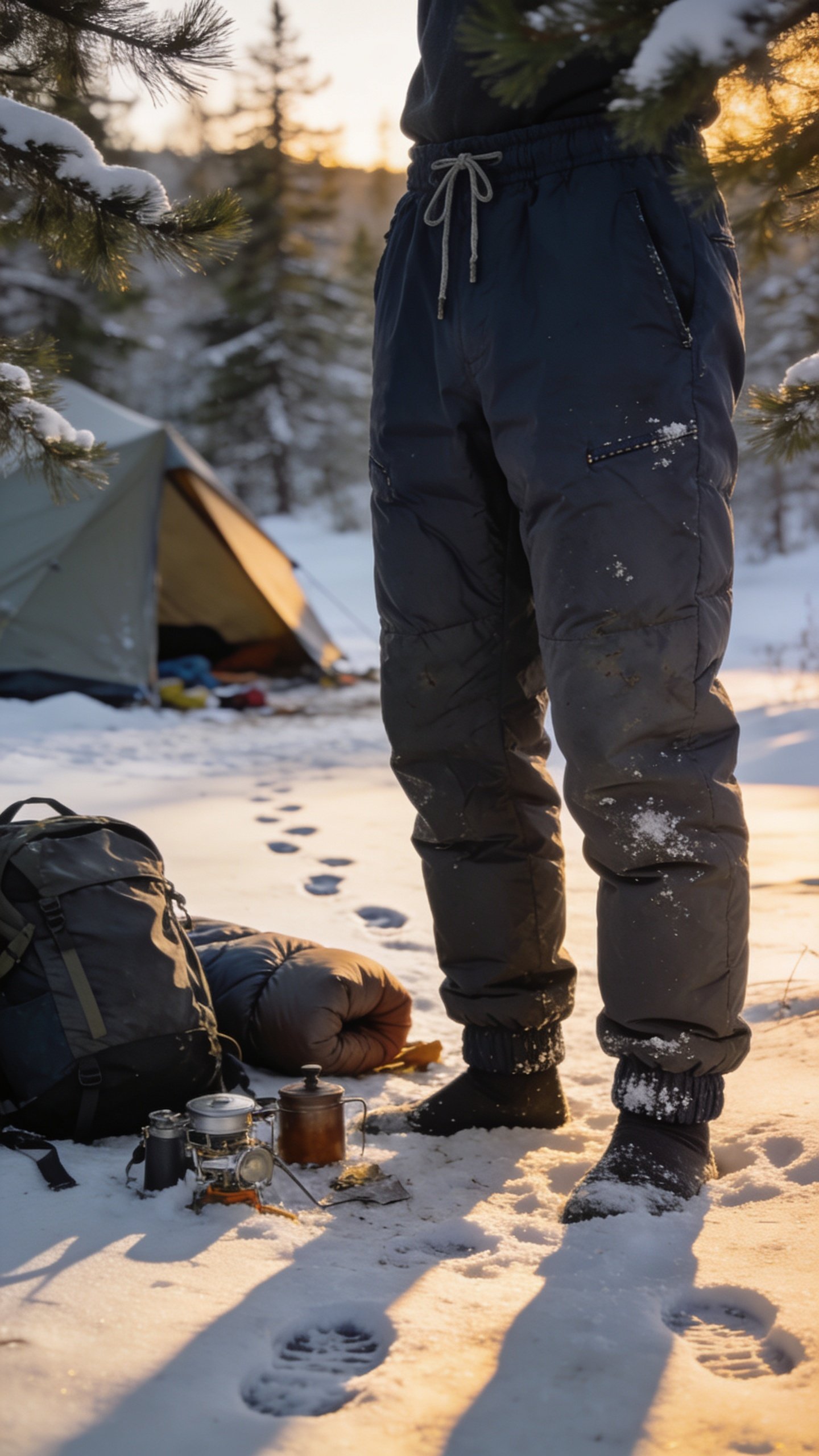
Your legs generate less heat than your core, and standing around camp or sitting in the cold requires dedicated leg insulation beyond your base layer. Insulated pants complete your winter camping outfits by keeping your lower body warm during low-activity periods. These pants should fit comfortably over your base layer without restricting movement.
Look for synthetic insulated pants with a nylon shell that blocks wind and resists light moisture. The insulation weight should match your expected temperatures, typically 60-100 grams for most winter camping conditions. Side zips that run from ankle to thigh make them easy to put on over boots and allow you to ventilate or remove them without undressing completely.
Wear these over your base layer bottoms during meal times, evening hours around camp, and while sleeping if your sleeping bag needs extra warmth. Keep them in an accessible spot in your pack so you can add them quickly when you stop moving. The fit should allow you to bend and squat comfortably without pulling. Some styles have reinforced knees and seat for durability when kneeling or sitting on logs.
Frequently Asked Questions About Winter Camping Outfits
How many layers should I wear for winter camping?
Three layers form the standard system: a moisture-wicking base layer, an insulating mid-layer, and a waterproof outer shell. Add or remove the mid-layer based on your activity level and temperature. Bring extra mid-layers for extremely cold conditions or when sitting around camp.
Can I wear cotton for winter camping?
Avoid cotton in winter camping outfits because it absorbs moisture and loses all insulating ability when wet. Cotton takes a long time to dry in cold weather, leaving you cold and at risk for hypothermia. Stick with synthetic materials or merino wool for all layers that touch your skin.
What should I sleep in while winter camping?
Sleep in clean, dry base layers to keep your sleeping bag’s insulation working effectively. Add insulated pants and a dry mid-layer if your sleeping bag isn’t warm enough for the conditions. Keep a warm hat and dry socks on while sleeping, and change out of any damp clothes before getting in your sleeping bag.
How do I know if my winter camping clothes are warm enough?
Test your outfit on a cold day hike before your camping trip. You should feel slightly cool when you first start moving but warm up within 10 minutes. If you’re sweating heavily during moderate activity, you’re wearing too much. Feeling cold after 20 minutes of movement means you need more insulation.
Stay Comfortable With the Right Winter Camping Outfits
Getting your winter camping outfits dialed in takes some trial and error, but the investment in proper layers pays off in comfort and safety. Start with quality base layers and build your system from there, testing each component before your trip. You’ll spend less time dealing with cold and more time enjoying the quiet beauty of winter in the outdoors.
0 Comments