Cold nights under the stars don’t have to mean shivering until sunrise. These winter camping hacks to stay warm all night will help you sleep soundly in freezing temperatures without breaking the bank or hauling extra gear. From insulation tricks to body heat management, you’ll learn practical ways to turn your tent into a cozy refuge even when the mercury drops below freezing.
1. Layer a Foam Pad Under Your Sleeping Bag
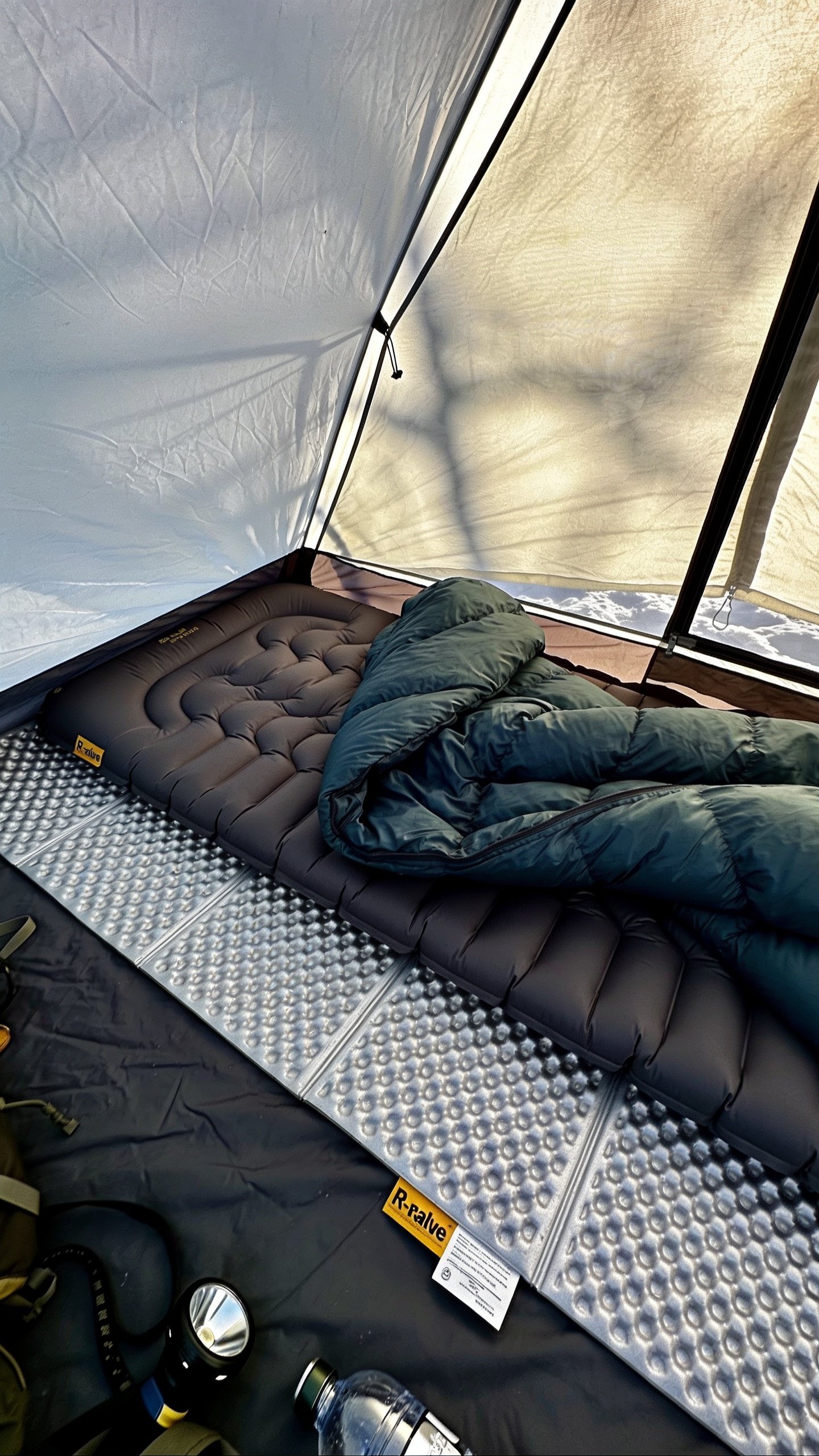
The cold ground pulls heat from your body faster than cold air ever could. A closed-cell foam pad creates a barrier between you and the frozen earth, preventing heat loss through conduction. Even if you already use an inflated sleeping pad, adding a thin foam pad underneath doubles your insulation from below.
Place the foam pad directly on the tent floor, then position your inflated pad on top. Look for pads with an R-value rating, which measures insulation effectiveness. For winter camping, aim for a combined R-value of at least 4.0 or higher. The foam layer also protects your inflated pad from punctures and adds stability so you don’t slide around at night.
You can find budget-friendly closed-cell foam pads that roll or fold compactly. They typically weigh under a pound and cost less than their inflatable counterparts. Some campers even use yoga mats in a pinch, though dedicated camping pads offer better insulation. This simple addition makes a remarkable difference in how warm you feel throughout the night.
2. Wear a Lightweight Balaclava or Beanie to Bed
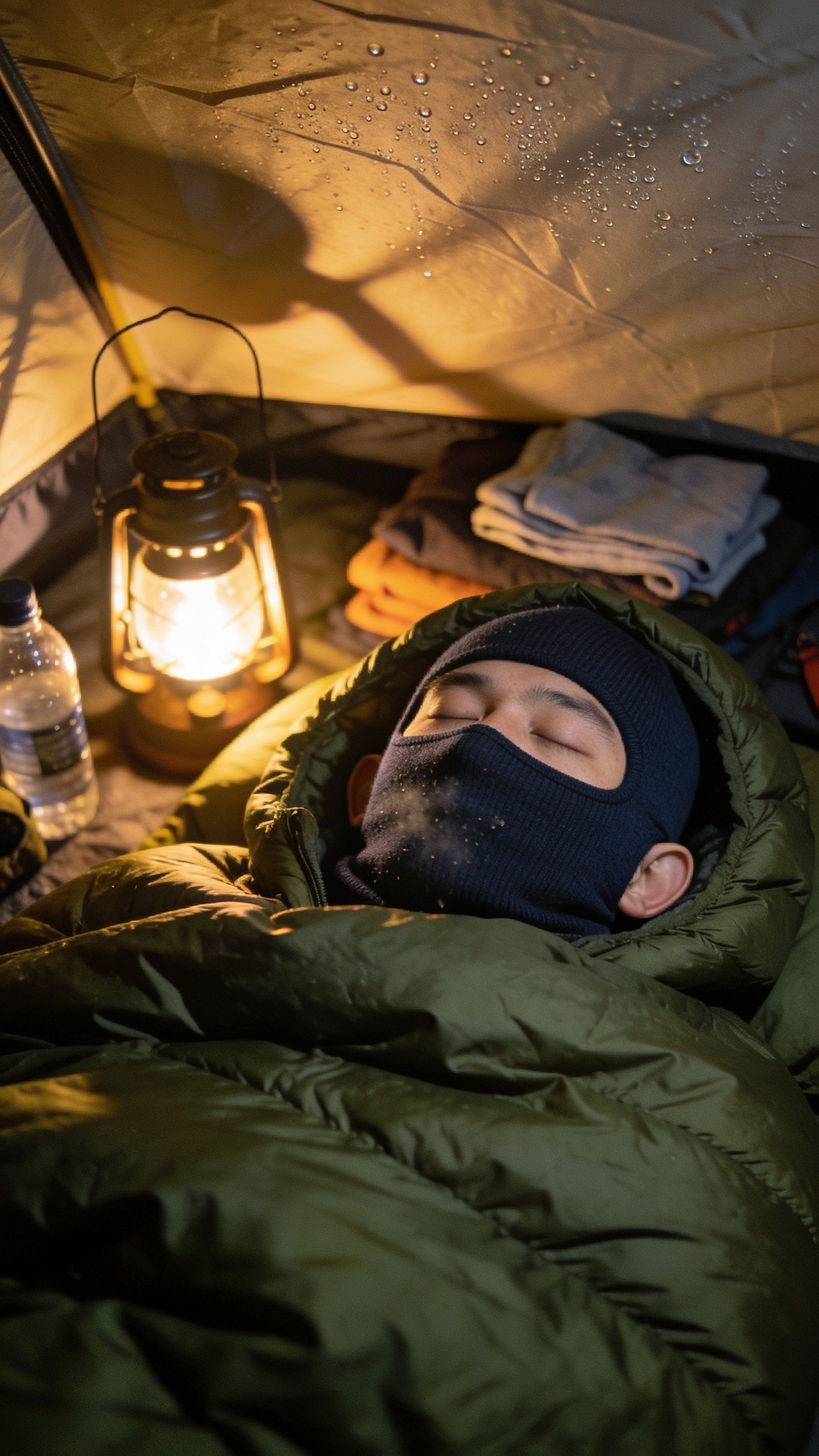
Your head and neck release significant body heat while you sleep. Covering these areas keeps warmth trapped inside your sleeping bag instead of escaping into the cold tent air. A thin merino wool or synthetic balaclava works better than bulky hats because it stays in place and doesn’t feel restrictive.
Choose a lightweight material that wicks moisture away from your skin. Cotton holds sweat and makes you colder, so stick with synthetic fabrics or merino wool. Pull the balaclava down over your ears and neck, leaving your nose and mouth exposed so condensation from your breath doesn’t collect inside the fabric. If a full balaclava feels too constricting, a simple beanie combined with a neck gaiter works well.
Keep your headwear in the sleeping bag with you so it stays warm and dry. Putting on a cold, damp hat in the middle of the night defeats the purpose. Some sleeping bags include built-in hoods, but adding your own head covering provides extra insurance. This hack weighs almost nothing and takes up minimal pack space.
3. Fill a Water Bottle With Hot Water as a Bed Warmer
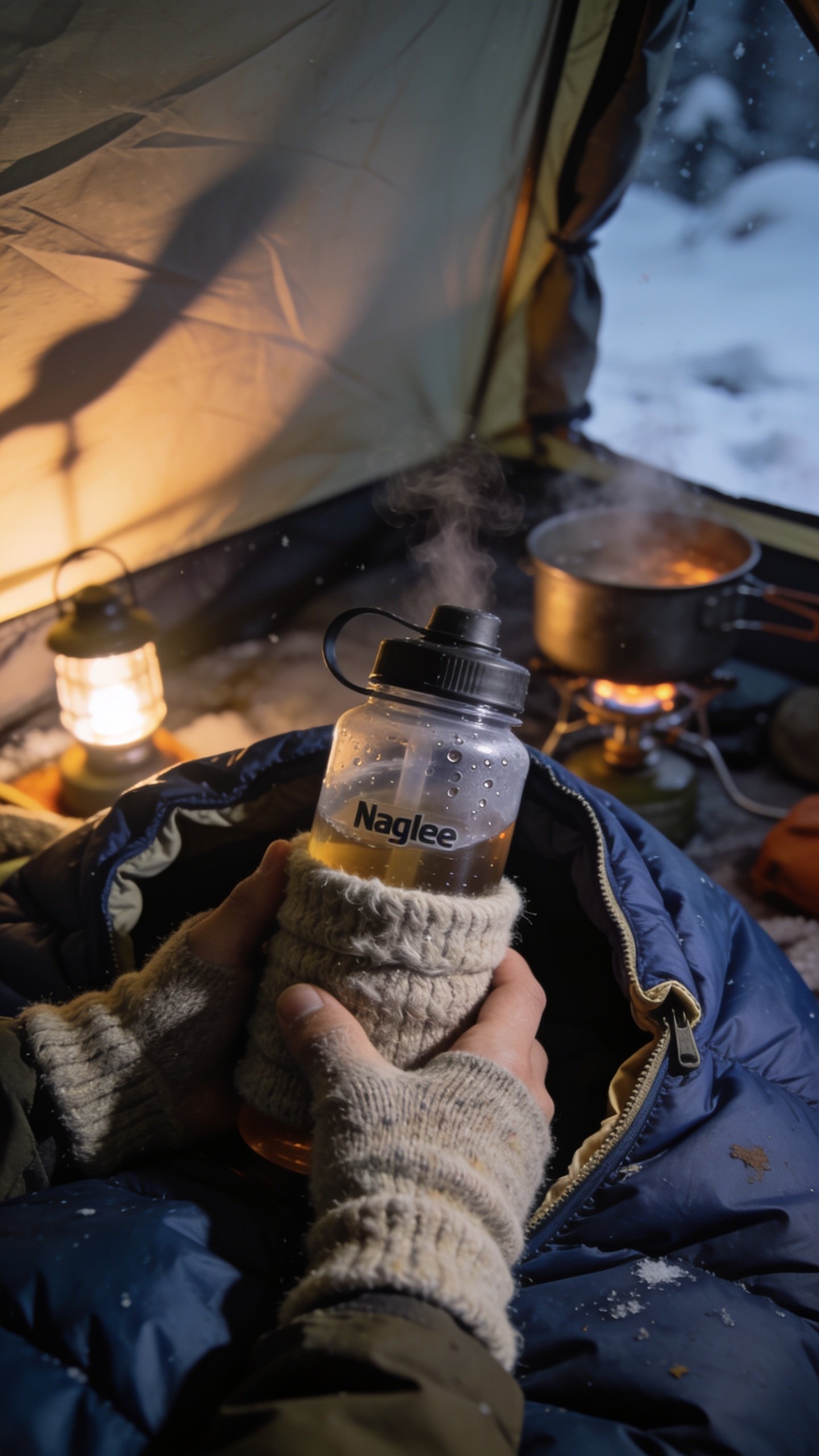
A hot water bottle acts like a personal heater inside your sleeping bag. The warmth radiates for hours, taking the initial chill off your bag and keeping your core temperature comfortable. This old-fashioned trick works surprisingly well and costs nothing if you already have a durable water bottle.
Boil water on your camp stove before bed and pour it into a heat-safe water bottle with a secure, leak-proof lid. Nalgene-style bottles withstand boiling water without warping. Wrap the bottle in a spare shirt or stuff sack to prevent burns, then place it near your core or at your feet inside the sleeping bag. The heat spreads throughout the bag, warming the insulation.
As a bonus, you’ll have liquid water in the morning instead of a frozen bottle. The water will be lukewarm but drinkable, saving you fuel and time. Replace the hot water before you go to sleep each night. Never use a cheap plastic bottle that might crack or leak when filled with hot liquid. Test your bottle at home first to ensure it can handle the temperature.
4. Eat a High-Calorie Snack Right Before Sleep
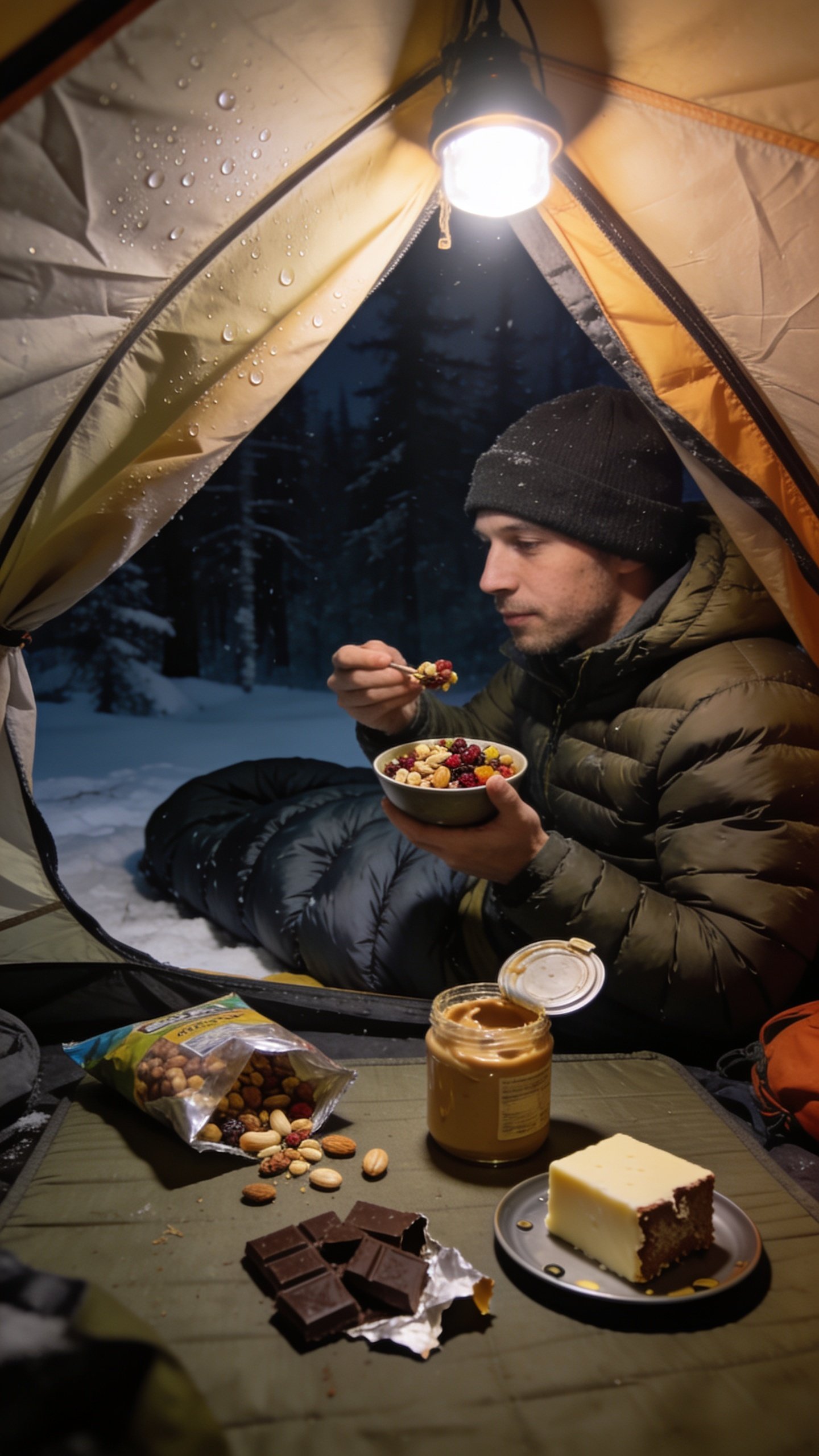
Your body generates heat by burning calories, especially fat and protein. Eating a small, calorie-dense snack before crawling into your sleeping bag gives your metabolism fuel to keep you warm overnight. Think of it as stoking an internal furnace that runs while you sleep.
Choose foods high in healthy fats like nuts, cheese, peanut butter, or chocolate. These digest slowly and provide steady energy through the night. Avoid sugary snacks that cause a quick spike and crash. A handful of trail mix, a few squares of dark chocolate, or a spoonful of nut butter works perfectly. Keep the snack modest so you’re not uncomfortable, but substantial enough to make a difference.
Store your snacks in a bear-safe container outside your tent if you’re camping in areas with wildlife. If bears aren’t a concern, keep a small stash in your sleeping bag stuff sack for easy access. Some campers also drink warm tea or hot chocolate before bed, which provides both hydration and warmth. Just remember that drinking too much means nighttime bathroom trips in the cold.
5. Ventilate Your Tent to Prevent Condensation Buildup
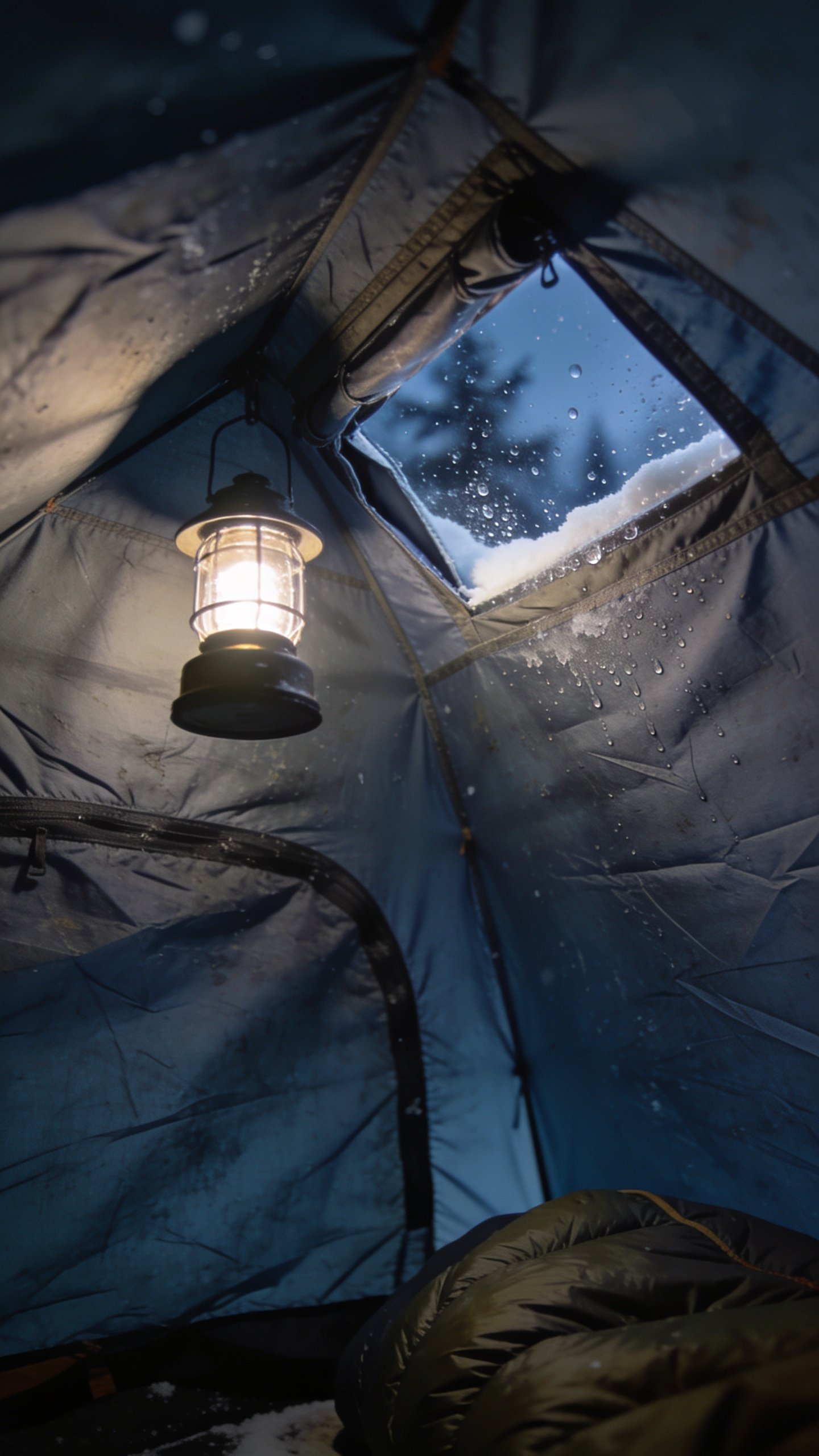
Moisture from your breath and body creates condensation inside a closed tent, which then freezes and makes everything damp and cold. Proper ventilation lets humid air escape while maintaining a warmer interior than the outside temperature. Many beginners seal their tents completely, which actually makes them colder and less comfortable.
Crack open the top vents or leave a small gap in the door zipper even in frigid weather. The air exchange prevents condensation from forming on the tent walls and ceiling. Position vents away from prevailing winds so cold air doesn’t blow directly on you. Some tents include adjustable vents specifically designed for winter use.
Wipe down any condensation that does form before it freezes solid. A small camp towel or bandana works well for this. Keep wet items like boots in the tent vestibule rather than inside the sleeping area, as they add moisture to the air. If you notice frost forming on the inside of your tent walls, increase ventilation the next night. Finding the right balance takes practice but makes a substantial difference in overnight comfort.
6. Change Into Dry Sleep Clothes Before Bed
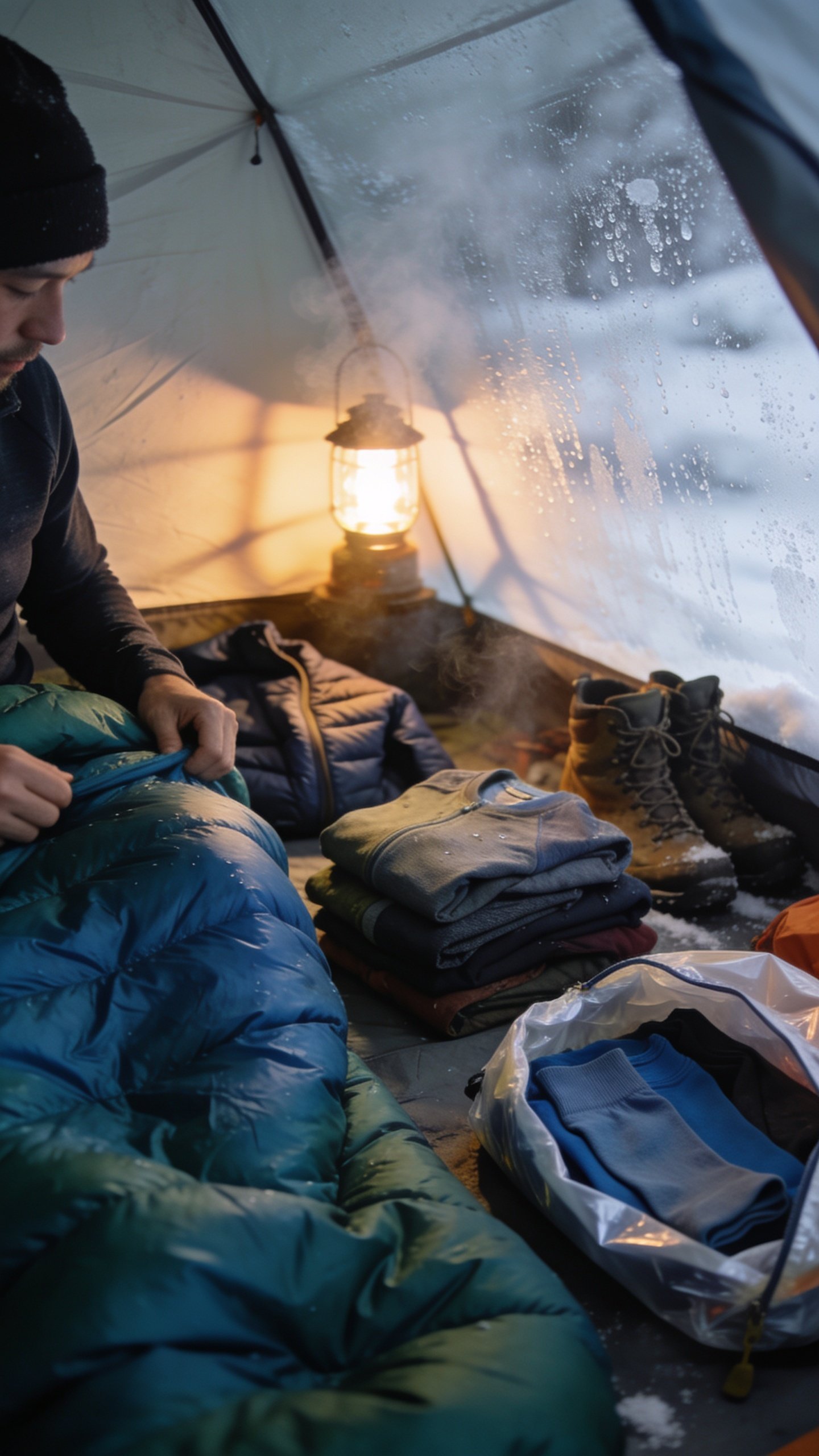
The clothes you wore all day have absorbed sweat and moisture, even if they don’t feel wet. That dampness draws heat away from your body when you’re trying to sleep. Changing into completely dry base layers eliminates this problem and helps your sleeping bag insulation work effectively.
Pack a dedicated set of thermal underwear or long johns that you only wear for sleeping. Keep these in a waterproof stuff sack so they stay dry no matter what happens during the day. Choose synthetic fabrics or merino wool rather than cotton. Add dry socks as well, since cold feet can keep you awake for hours.
Your sleep clothes don’t need to be bulky. Thin, moisture-wicking layers work better than thick, puffy ones inside a sleeping bag. Store your daytime clothes at the bottom of your sleeping bag so they don’t freeze overnight. You can put them back on in the morning, and your body heat will have kept them relatively warm. This system ensures you always have dry clothing when you need it most.
7. Cinch Your Sleeping Bag Hood and Draft Collar Snugly
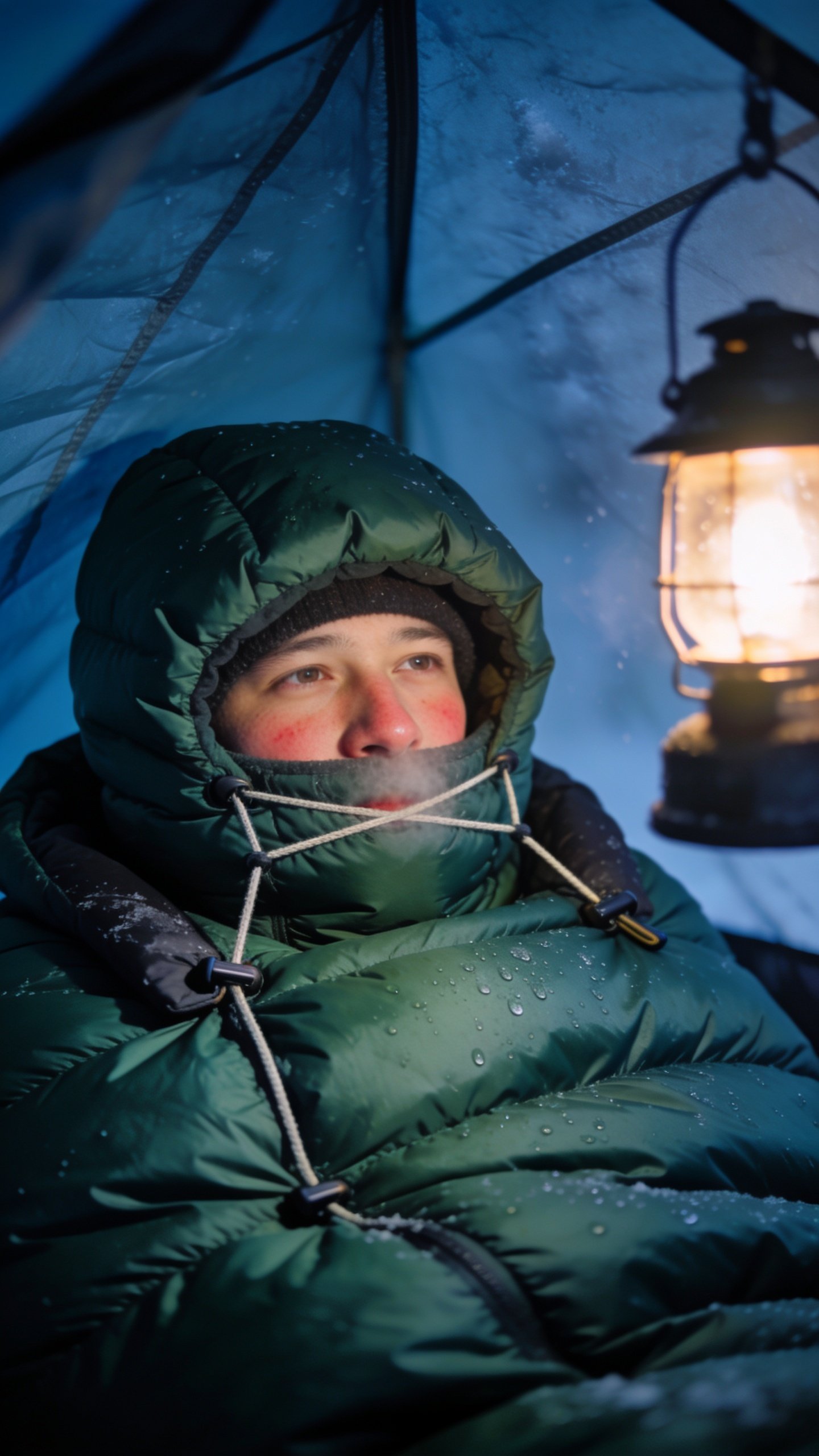
Sleeping bags include drawstrings and collars specifically designed to trap warm air and block cold drafts. Many campers ignore these features, leaving gaps where heat escapes. Using them properly creates a warmer microclimate inside your bag without adding weight or cost.
The hood drawstring should close around your face, leaving just your nose and mouth exposed. The draft collar sits around your shoulders and prevents warm air from escaping through the top of the bag. Pull it snug but not tight enough to feel constricting. Some bags include a draft tube along the zipper that prevents cold air from seeping through the teeth.
Practice adjusting these features at home so you can do it quickly in the dark. Getting the tension right takes a few tries. You want to feel cocooned but not claustrophobic. If you tend to change positions frequently at night, leave the closures slightly looser. For extreme cold, cinch everything down and use your balaclava to cover any remaining exposed skin around your face.
8. Place Tomorrow’s Clothes Inside Your Sleeping Bag
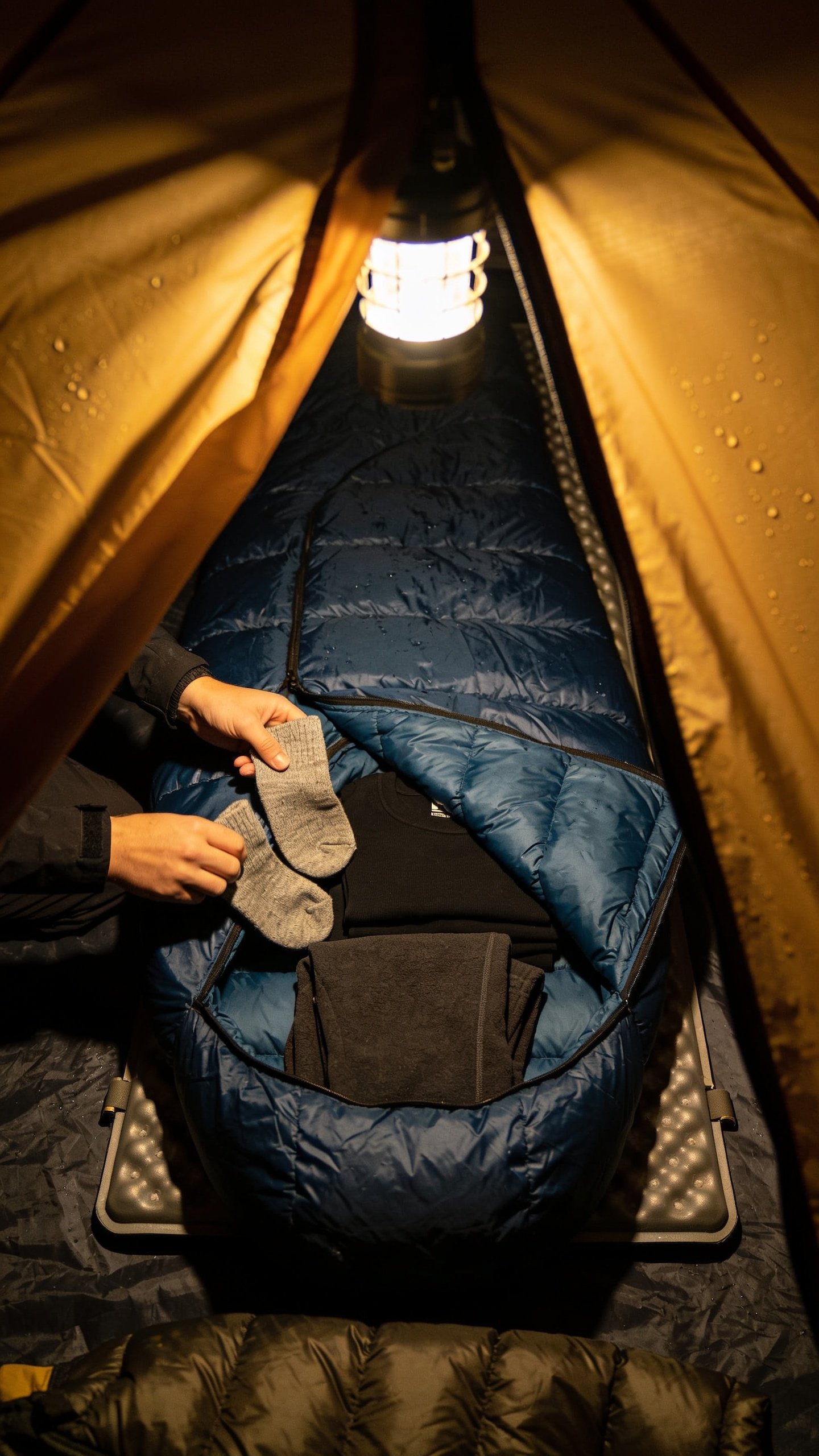
Putting on frozen clothing in the morning is miserable and potentially dangerous. Your body warms the items you need for the next day if you store them inside your sleeping bag overnight. This simple planning step makes breaking camp much more pleasant and helps you start the day without the shock of icy fabric.
Before getting into your bag, stuff tomorrow’s outfit into the foot box or along the sides. Include your socks, base layers, and anything else you’ll put on first thing in the morning. Don’t overfill the bag or you’ll compress the insulation and reduce its effectiveness. Items with metal components like bras or pants with heavy zippers can go in a stuff sack first to prevent discomfort.
Your boots won’t fit inside the sleeping bag, but you can store them upside down in your pack or in the tent vestibule with hand warmers inside. Some campers sleep with their boot insoles in their sleeping bag to keep them warm and dry. In the morning, you’ll appreciate the warmth of pre-heated clothes while your tent mates struggle with frozen gear. This hack requires no special equipment and costs nothing.
9. Insulate Your Tent Floor With a Reflective Emergency Blanket
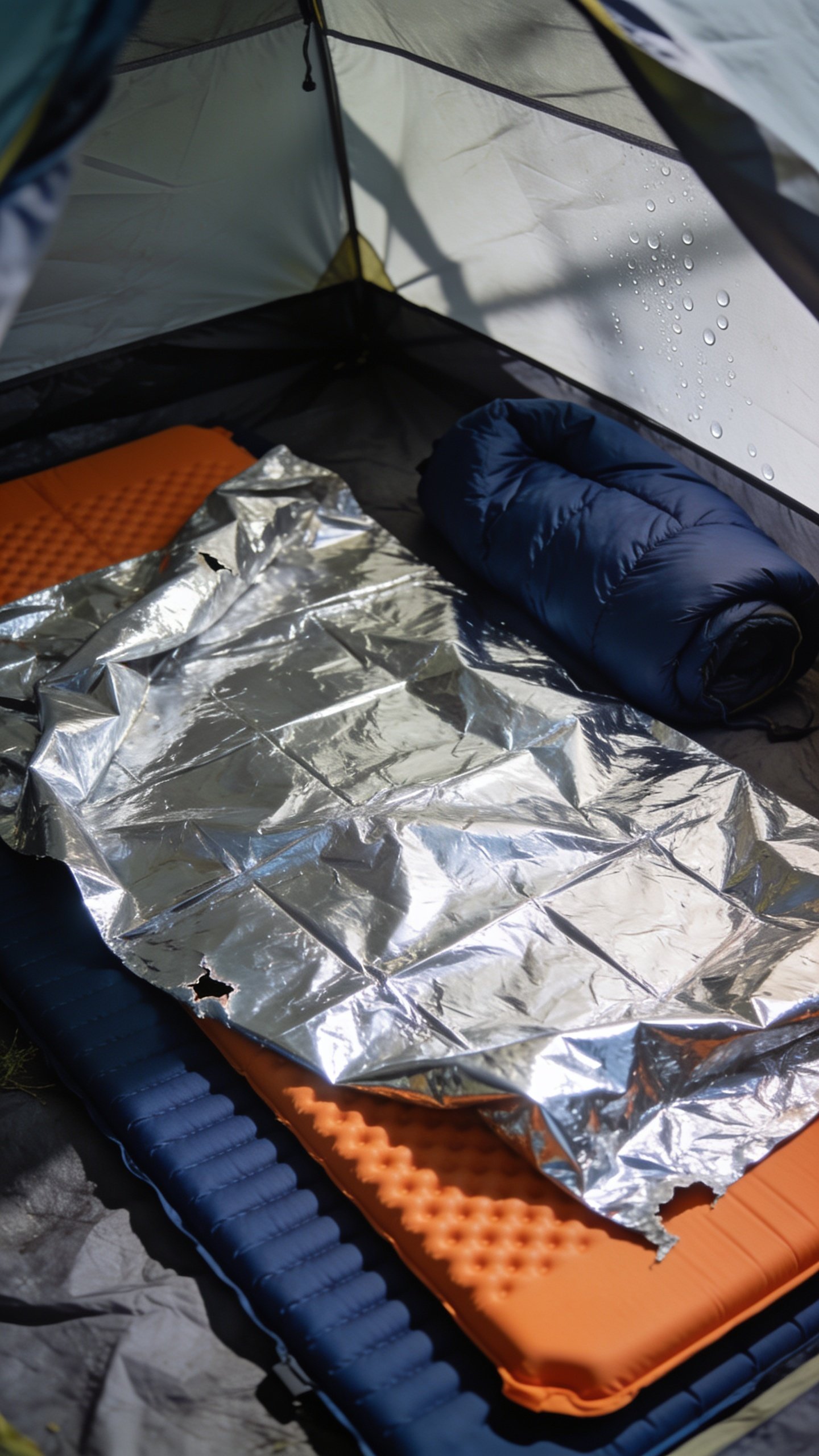
Emergency blankets made from reflective mylar bounce body heat back toward you instead of letting it escape through the tent floor. Placing one under your sleeping setup adds an extra insulation layer and costs only a few dollars. These lightweight blankets pack down to nearly nothing and serve double duty as emergency signaling devices.
Spread the reflective emergency blanket on the tent floor with the shiny side facing up. Place your foam pad and sleeping pad on top of it. The blanket creates a radiant heat barrier that complements the insulation from your pads. Some campers also drape a second blanket over their sleeping bag for additional warmth, though this can feel crinkly and noisy.
Emergency blankets tear easily, so handle them carefully and avoid walking on them with boots. You can find more durable versions designed for camping, but even the basic ones work well for a few trips. This hack works especially well on snow or frozen ground where cold seeps up aggressively. The blanket also protects your tent floor from moisture and extends its lifespan.
10. Do Light Exercises Before Getting Into Your Sleeping Bag
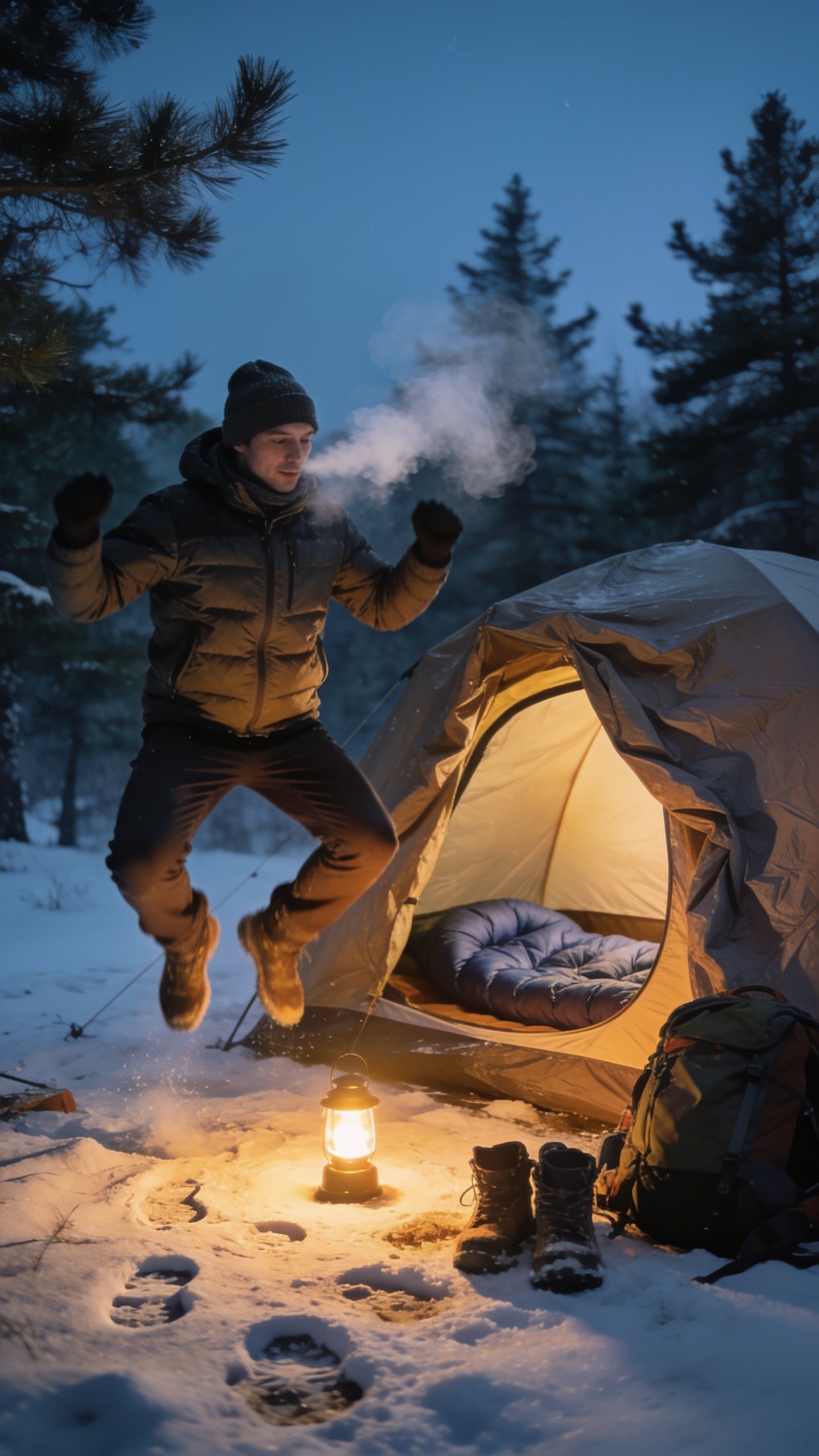
Climbing into a cold sleeping bag and waiting to warm up takes forever. Raising your core temperature first through gentle movement means you start warm and stay warm. A few minutes of activity makes the first hour of sleep much more comfortable without requiring any gear at all.
Do jumping jacks, squats, or run in place for two to three minutes until you feel warm but not sweaty. Getting hot enough to sweat defeats the purpose since moisture will cool you down later. The goal is to increase circulation and heat production right before bed. Some campers do pushups or core exercises, which work equally well.
Time this activity for right before you change into your sleep clothes. Once you feel warm, quickly switch into your dry layers and get into your sleeping bag. Your elevated body temperature will heat the bag’s insulation faster than lying still. This technique works particularly well if you tend to have cold feet or hands. Getting your blood flowing helps warm your extremities naturally. Avoid exercising so hard that you need to cool down afterward.
Frequently Asked Questions About Winter Camping Hacks to Stay Warm
What temperature rating sleeping bag do I need for winter camping?
Choose a sleeping bag rated at least 10-15 degrees colder than the lowest temperature you expect to encounter. A 0-degree bag works for most winter camping, while a negative 20-degree bag handles extreme cold. Remember that ratings indicate survival temperature, not comfort temperature.
Should I sleep in all my clothes to stay warmer?
No, wearing too many layers compresses your sleeping bag’s insulation and reduces its effectiveness. Wear one or two thin base layers plus socks and a hat. Your sleeping bag works best when its insulation can loft fully around your body without restriction.
How do I keep my water from freezing overnight?
Store your water bottle upside down so ice forms at the bottom instead of blocking the opening. Keep it inside your sleeping bag, or bury it in snow which insulates better than leaving it exposed to air. Insulated bottle sleeves also help prevent freezing.
Can I use a space heater or propane heater in my tent?
Never use fuel-burning heaters inside a tent due to carbon monoxide poisoning and fire risks. Battery-powered electric heaters designed specifically for tents provide some warmth but drain batteries quickly. Focus on insulation and body heat management instead.
What if I still feel cold even after trying these hacks?
Add a sleeping bag liner for 10-15 extra degrees of warmth, or layer two sleeping bags together. Check that you’re well-hydrated and have eaten enough, as both affect your body’s heat production. Consider whether your sleeping bag and pads provide adequate insulation for the conditions.
Stay Cozy With These Winter Camping Hacks to Stay Warm
Cold-weather camping becomes genuinely enjoyable when you know how to maintain warmth throughout the night. These practical strategies work together to keep you comfortable without expensive gear upgrades. Try a few on your next winter adventure and add more as you gain confidence in freezing temperatures.
0 Comments